
 EN
EN
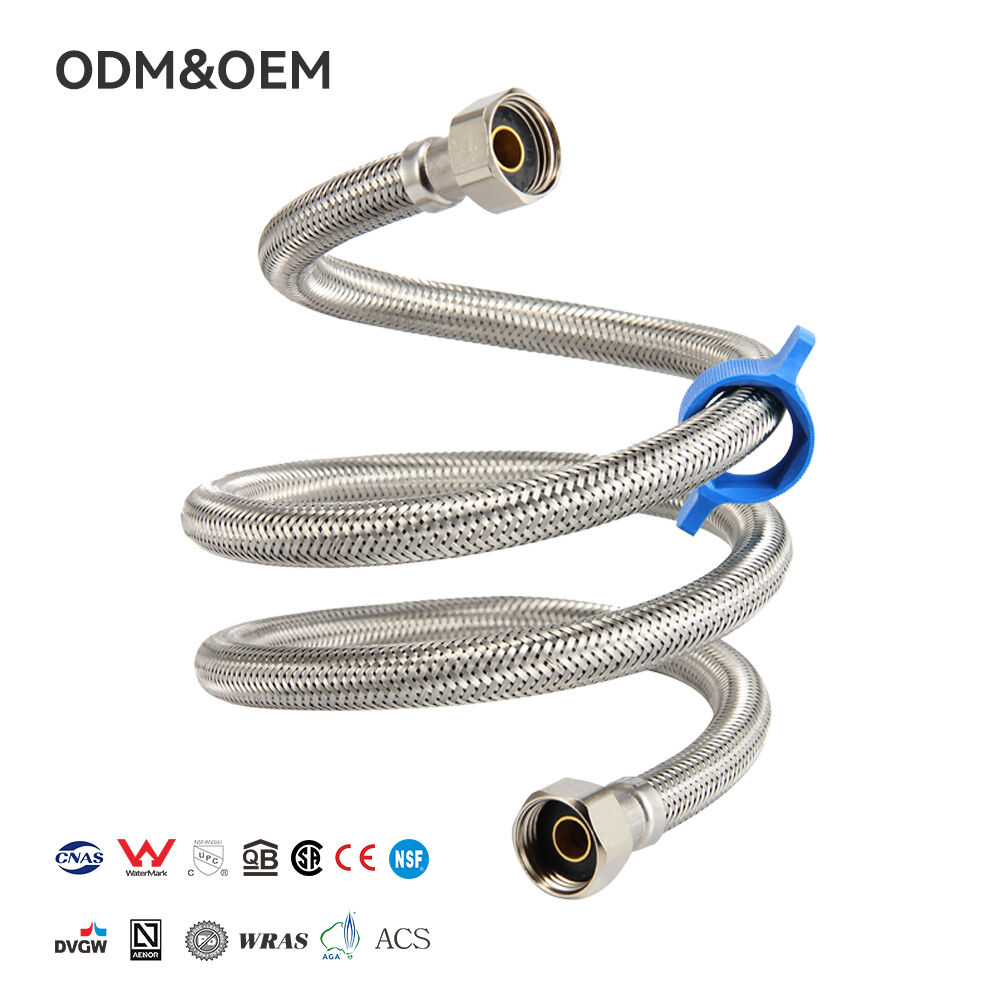
Əgər siz heç vaxt su axınını məhdudlaşdıran burulmuş, qırılmış bir şlanq ilə duşa girmişsinizsə və ya armaturunuzun altından yavaşca sızan suyun yığıldığını görmüşsünüzsə, siz artıq aşağı keyfiyyətli müxərrik Şalter nın səbəb ola biləcəyi narahatlığı başa düşürsünüz. Bu kiçik, lakin çox vacib komponentlər hər gün suyun hamar və etibarlı şəkildə verilməsindən məsuldur; lakin onlar adətən ev sahibləri və obyekt idarəçiləri tərəfindən problem yaranana qədər sonuncu düşünülən şeylərdir. Yaxşı xəbər odur ki, müasir mühəndislik kinklənməni, burulmanı və sızıntını daimi olaraq aradan qaldırmaq üçün nəzərdə tutulmuş yeni nəsil xəbər xəbərdir ki, müasir mühəndislik kinklənməni, burulmanı və sızıntını daimi olaraq aradan qaldırmaq üçün nəzərdə tutulmuş yeni nəsil müxərrik Şalter həllər yaratmışdır.
Dayanıqlı, kinklənməyən müxərrik Şalter ilə ucuz, qüsurlu alternativi ayırmaq üçün nəyin fərq yaratdığını başa düşmək daha ağıllı alış-veriş qərarı qəbul etməyə doğru ilk addımdır. Siz yaşayış banyosunu yeniləyirsəniz, ticari obyekti avadanlıqla təchiz edirsiniz və ya su filtrasiya sistemi üçün komponentlər alırsınızsa, düzgün müxərrik Şalter dəqiq performans göstərəcək, aşınmaya davam gətirəcək və minlərlə istifadə dövrü ərzində sızdırmazlığı qoruyacaq. Bu məqalə sizə nəyə diqqət yetirməli olduğunuzu, ümumi şlanqların niyə tez-tez xarab olmasının səbəblərini və gerçəkdə vəd etdiyini yerinə yetirən bir müxərrik Şalter seçməyiniz üçün lazım olanları tamamilə izah edir.
Çoxsaylı elastik şlanqların niyə erkən xarab olur?
Qırılma və burulmanın əsas səbəbləri
Qırılma — standart bir müxərrik Şalter ilə əlaqədar ən çox yayılmış şikayətlərdən biridir və bu, demək olar ki, həmişə material keyfiyyəti və konstruksiyaya dair dizayn xüsusiyyətlərinə bağlıdır. Şlanqın daxili hissəsi kifayət qədər elastik deyilsə və ya xarici örtük çox bərkdirsə, şlanq təbii hərəkətə müqavimət göstərir və əyilmə təzyiqi altında sıxılır. Nəticədə su axınına mane olan kəskin bir qatlama yaranır və bu, zamanla şlanq divarının həmin yerində zəifləməsinə səbəb olur.
Burulma isə əlaqəli, lakin fərqli bir problemdir. Bir müxərrik Şalter bu, anti-burulma mexanizmi olmayan bir şlanqın hər istifadədə fırlanmasına səbəb olur və daxili strukturu postepen olaraq gərginləşdirir ki, nəticədə şlanq sərtləşir, istifadəsi rahatsız olur və birləşdirici hissələrə yüklənmə yaranır. Duş tətbiqlərində bu, şlanqın özünə dolanması, effektiv uzunluğunun qısalması və uc birləşdiricilərə gərginlik yaratması deməkdir.
Həll yolu xüsusi hazırlanmış konstruksiyada gizlidir. Yüksək keyfiyyətli müxərrik Şalter bir çoxqatlı dizayndan istifadə edir: axışın qeyri-məhdud olması üçün hamar daxili kanal, təzyiqə davamlılığı üçün gücləndirilmiş orta qat və çökmədən və ya burulmadan azad hərəkət etməyə imkan verən xarici örtük. Bu üç qat birgə işlədikdə, qırılma və burulma problemləri qarşısını almaq mümkün olur və onlar artıq mütləq nəticələr deyil.
Sızıntıların vaxt keçdikcə necə yaranması
Sızıntılar bir müxərrik Şalter nadir hallarda qəflən yaranır. Onlar təkrarlanan təzyiq dövrü, konnektorun korroziyası və ya daxili möhürləyici komponentlərin keyfiyyətinin itirilməsi nəticəsində qradual olaraq inkişaf edir. Bütçəli hozlar tez-tez aşağı keyfiyyətli rezin möhürləyicilərdən istifadə edirlər ki, bu da quraq və çatlamış vəziyyətə gəlir və quraşdırıldıqdan sonra aylar ərzində suyun birləşmə nöqtəsindən keçib sızmasına imkan verir, belə ki, birləşdirici hissə sıx görünə bilər.
Metal konnektorlar başqa bir zəiflik nöqtəsidir. Bir müxərrik Şalter aşağı keyfiyyətli ərintilərdən hazırlanmış konnektorlardan istifadə etdikdə, su minerallarına və temperatur dalğalanmalarına məruz qalma nəticəsində korroziya baş verir və möhürləyici səthdə çuxurlar əmələ gəlir. Bu səth bir dəfə pozulduqda, möhürləməni tamamilə bərpa etmək üçün heç bir dərəcədə sıxma kifayət etmir. Bu vəziyyətdə yeganə həll — əvəzlənməsidir.
Yaxşı mühəndisliklə hazırlanmış müxərrik Şalter bunu, qummetali və ya yüksək keyfiyyətli mis kimi davamlı birləşdirici materiallarla, dəqiq emal edilmiş oturma səthləri və elastik EPDM və ya silikon möhürlər ilə birləşdirərək həll edir. Bu komponentlər geniş temperatur diapazonunda öz bütünlüklərini saxlayırlar və standart armaturada korroziyanı sürətləndirən mineral çöküntülərinə qarşı müqavimət göstərir.
Həqiqətən burulma olmayan çevik borunun fərqləndirilməsini təmin edən amillər
Materialların Seçilməsi və Onların Performansa Təsiri
Material tərkibi su qapağının müxərrik Şalter onun uzunmüddətli performansı ilə bağlı demək olar ki, hər şeyi müəyyən edir. Gücləndirilmiş örtüklü PVC əsaslı borular çeviklik, təzyiqə davamlılıq və kimyəvi uyğunluq baxımından mükəmməl balans təmin edir və beləliklə, duş tətbiqləri və suyun təmizlənməsi sistemləri üçün uyğundur. Daxili borunun axın müqavimətini minimuma endirmək üçün kifayət qədər hamar, lakin davamlı su təzyiqinə qarşı şişmə və ya çatlamadan dayana biləcək qədər qalın olması lazımdır.
Xarici qılıf materialları da eyni dərəcədə əhəmiyyətlidir. A müxərrik Şalter paslanmayan polad və ya yüksək sıxlıqlı polimer xarici təbəqə ilə təchiz olunmuşdur; bu, sürtünməyə, UV şüalarına qarşı deqradasiyaya və gündəlik istifadə zamanı yaranan mexaniki aşınmaya davam gətirir. Şlanqın tez-tez hərəkət etdirildiyi mühitlərdə, məsələn, əl ilə idarə olunan duş tətbiqlərində bu xarici qoruma, illər ərzində işləyən şlanqı aylar ərzində görünən aşınma əlamətləri verən şlanqdan fərqləndirir.
Konnektor materialı üçüncü vacib dəyişəndir. Məsələn, qəhvəyi metal konnektorlar standart sink ərintilərinə nisbətən daha yaxşı korroziyaya qarşı müqavimət göstərir və onların sıx strukturu təkrar qoşulma və ayırılma dövrlərində möhkəm qapanma təmin edən daha etibarlı bir rezimli birləşməni təmin edir. Şlanqı qiymətləndirərkən müxərrik Şalter , həmişə konnektorun spesifikasiyasını şlanqın bədən materialı ilə birlikdə yoxlayın.
Burulmaya qarşı mühəndislik və onun əhəmiyyəti
Burulmaya qarşı müxərrik Şalter bir və ya hər iki birləşdirici ucunda dönmə mexanizmi ilə təchiz olunub ki, bu da armaturun şlanqın özündən asılı olmayaraq müstəqil fırlanmasına imkan verir. Bu o deməkdir ki, istifadəçi duş başlığını hərəkət etdirdikdə və ya şlanqın mövqeyini tənzimlədikdə, birləşdirici fırlanma qüvvəsini udur və onu şlanqa ötürmür. Nəticədə şlanq düz qalır, idarə edilməsi asandır və standart dizaynlarda müşahidə olunan burulma probleminə yol vermir.
Bu xüsusiyyət, bir neçə istifadəçinin bir gün ərzində eyni armaturla qarşılıqlı təsir etdiyi kommersiya və ixtisaslaşmış qonaqpərvərlik mühitlərində xüsusilə dəyərlidir. Anti-burulma dizaynı olmadıqda, müxərrik Şalter yüksək intensivliyə malik tualet otağında həftələr ərzində birləşdirici möhürünü pozmaq və ya şlanqın özünün görünən deformasiyasına səbəb olacaq qədər fırlanma gərginliyi yığıla bilər. Anti-burulma mühəndisliyi bu arızanın tamamilə qarşısını alır.
Baxım baxımından, anti-burulma müxərrik Şalter həmçinin dəyişdirilmə tezliyini azaldır. Standart hortumlardan anti-burulma dizaynlarına keçid edən tesislər ardıcıl olaraq daha uzun xidmət müddətləri və sızıntıya bağlı azalmış təmir zəngləri haqqında məlumat verirlər, bu da zamanla əməliyyat xərclərinin aşağı düşməsinə birbaşa səbəb olur.
Tətbiqiniz üçün doğru elastik hortumu seçmək
Duş hortumu tətbiqləri
Duş mühitində müxərrik Şalter bir neçə rəqabətli tələbləri balanslaşdırmaq məcburiyyətindədir: istifadəçinin müxtəlif hündürlüklərdə rahat istifadə etməsi üçün kifayət qədər uzun olmalı, burulmadan azad hərəkət etməsi üçün kifayət qədər elastik olmalı və gündəlik su, sabun və temperatur dəyişikliklərinə davam gətirməsi üçün kifayət qədər dayanıqlı olmalıdır. 1,5–2 metr standart uzunluq əksər yaşayış binalarında quraşdırmalar üçün uyğundur, halbuki kommersiya obyektlərində daha uzun növbələr tələb oluna bilər.
Estetika da duş şofu seçimi zamanı rol oynayır. A müxərrik Şalter quruluşun qabağına çıxan hissəsi olaraq banyo dizaynında görünən şlanq üçün qumet qrey, fırçalanmış nikel və ya xromla bitirilmiş versiyalar adi ağ PVC şlanqla müqayisədə yüksək səviyyəli armatur dizaynlarını tamamlaya bilər. Şlanq banyo dizaynının görünən hissəsi kimi istifadə olunduqda, onun örtük keyfiyyəti və birləşdirici stilizasiyası məkanın ümumi təsirinə töhfə verir.
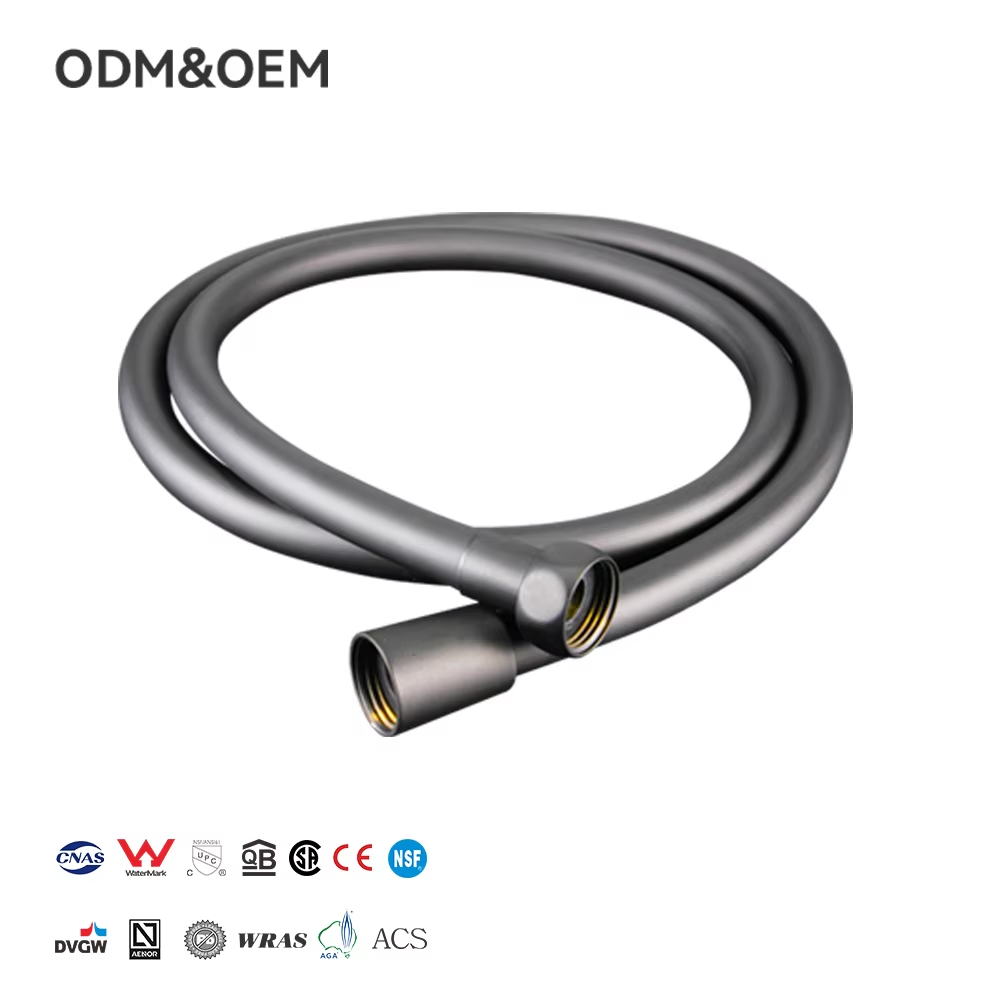
Ev sahibləri və dizaynerlər üçün Müxərrik Şalter burulmağa meylli olmayan işləmə, burulmaya qarşı funksionallıq və zərif qumet qrey örtüyü birləşdirən
Su Filtrasiya Şlanqı Tətbiqləri
Su filtrasiya sistemlərində müxərrik Şalter fərqli, lakin eyni dərəcədə tələb edici bir rol oynayır. O, süzülmüş su və sistemdə istifadə olunan hər hansı bir emal maddəsi tərəfindən yaradılan kimyəvi mühitə qarşı davamlı olarkən, süzgəc korpusları, klapanlar və çıxış nöqtələri arasındakı sızdırmaz birləşməni saxlamalıdır. Qida səviyyəli daxili örtüklü PVC şlanqlar bu tətbiqlər üçün standart seçimdir, çünki onlar kimyəvi davamlılığı, aşağı yerləşdirilmiş və ya texniki sahələrdə məhdud məkanda birləşmələrin yönləndirilməsi üçün lazım olan elastikliklə birləşdirir.
Təzyiq reytinqi süzgəc tətbiqləri üçün kritik bir xüsusiyyətdir. Bir müxərrik Şalter təzyiqli süzgəc sisteminin istifadə olunması halında, onun sistemın maksimum işləmə təzyiqini mənaslı bir təhlükəsizlik payı ilə dözməyə uyğun qiymətləndirilməsi lazımdır. Kiçik ölçülü və ya düzgün qiymətləndirilməmiş şlanqlar süzgəc quraşdırılmalarında ani arızaların yayılmış səbəbidir, xüsusilə süzgəclərin dəyişdirilməsi və ya sistemin yenidən başlatılması zamanı təzyiq zirvələri baş verdiyində.
Konnektor uyğunluğu müxərrik Şalter həmçinin filtrasiya avadanlığı tərəfindən istifadə olunan rezim standartlarına uyğun olmalıdır. Uyğunsuz rezimlər, tez-tez boru qoşulmalarının pozulması kimi səhv diaqnoz qoyulan quraşdırma sızıntılarının əsas səbəbidir. Quraşdırmadan əvvəl həmişə boru birləşdiricilərinin filtrasiya sisteminizdə istifadə olunan xüsusi birləşdiricilərlə uyğunluğunu yoxlayın.
Boru ömrünü uzadan quraşdırma və texniki xidmət üsulları
Düzgün quraşdırma üsulları
Bələdən yüksək keyfiyyətli müxərrik Şalter yanlış quraşdırıldığı təqdirdə erkən pozula bilər. Ən yayılmış quraşdırma səhvi — birləşdirici birləşmələrinin çox sıxılmasıdır. Sızıntıları qarşısını almaq üçün mümkün qədər sıxmaq məntiqli görünə bilər, lakin artıq buraxılan moment möhürleyici fırçağı deform edə, birləşdirici gövdəsini çatlatmağa və ya rezimlərin qovuşma hissəsini zədələməyə səbəb olur; bunların hamısı sızıntı nöqtələri yaradır, sızıntıları qarşısını almaq üçün deyil.
Düzgün yanaşma — əllə sıxmaqdır müxərrik Şalter birləşdirici sıxılana qədər çevirin, sonra çengəl ilə dördüncü hissəyə yarım dönüş tətbiq edin. Bu, birləşdiriciyə çox böyük gərginlik tətbiq etmədən möhürleyici washeri bərabər şəkildə sıxır. Əgər bu dərəcədə sıxıldıqdan sonra sızıntı baş verirsə, səbəb demək olar ki, həmişə zədələnmiş və ya çatışmayan washerdır, yəni torqun kifayət qədər olmaması deyil; həll üsulu isə daha çox sıxmaq deyil, washerin dəyişdirilməsidir.
Quraşdırma zamanı borunun düzgün şəkildə yerləşdirilməsi də əhəmiyyətlidir. Bir müxərrik Şalter birləşdirici nöqtəsində heç vaxt kəskin şəkildə qırılmamalı və ya birləşdiricilərə daimi gərginlik tətbiq edən şəkildə yerləşdirilməlidir. Birləşdiriciləri gərginlikdən azad etmək üçün borunun uzunluğunda kifayət qədər boşluq buraxın və borunun xarici qabığını vaxt keçdikcə aşındıra biləcək kəskin kənarlar üzərindən keçirilməsindən çəkinin.
Davam edən Texniki Xidmət və Yoxlama
Müntəzəm yoxlamalar istənilən məhsulun xidmət müddətini uzatmağın ən sadə üsuludur. müxərrik Şalter bir neçə ayda bir dəfə qısa vizual yoxlama, əhəmiyyətli sızıntılar inkişaf etməzdən əvvəl səth çatlamaları, konnektorların rəng dəyişməsi və ya birləşmə yerlərində yüngül sızıntı kimi aşınmanın erkən əlamətlərini müəyyən edə bilər. Bu əlamətləri erkən aşkar etmək, təcili təmir əvəzinə planlı dəyişdirməyə imkan verir.
Sert su sahələrində minerallar konnektor birləşmələri ətrafında toplaşaraq müxərrik Şalter sızıntını artırmaq və sıxlama səthinin postepen olaraq məhdudlaşdırmaq üçün sıxlama səthinə tədricən təsir göstərir. Dövri olaraq yumşaq deskalasiya məhlulu ilə təmizləmə bu çöküntüləri aradan qaldırır və konnektor səthlərini yaxşı vəziyyətdə saxlayır. Konnektorun örtüyü və ya xarici qılıf materialına zərər verə biləcək və ya onun səthinə xətt salacaq abraziv təmizləyicilərdən istifadə etməyin.
Sıxlama rezin burğularının hər bir iki ildə bir dəfə dəyişdirilməsi — bu, hər hansı bir müxərrik Şalter quraşdırma. Qoşucuların möhürlənmə performansını bərpa etmək və boru yığımının faydalı ömrünü tam əvəzləmədən uzatmaq üçün qoşucuların əvvəlcədən yaxşı vəziyyətdə olması halında təzə qoşucular istifadə edilir; bu, ucuz və dəyişdirilməsi asan detallardır.
Tez-tez verilən suallar
Mənim elastik borumun əvəz edilməsinin lazım olub-olmadığını necə anlaya bilərəm?
Ən aydın əlamətlər bunlardır: müxərrik Şalter xarici qılıfda görünən çatlar və şişmələr, qoşucularda qoşucuların əvəz edilməsindən sonra belə davamlı sızıntılar, su axınını məhdudlaşdıran əhəmiyyətli qırılma və ya təmizlənməyən metal birləşdiricilərdə korroziya. Əgər boru beş ildən çox müddət ərzində işləyibsa, görünən zərər olmasa belə, proaktiv əvəzləmə məqsədəuyğun bir ehtiyat tədbiridir.
Elastik boru isti və soyuq su üçün istifadə edilə bilərmi?
Böyük hissəsi keyfiyyətli müxərrik Şalter məhsulları həm isti, həm də soyuq su ilə istifadə üçün nəzərdə tutulub, lakin konkret temperatur reytinqi məhsula görə dəyişir. Borunun quraşdırılmasından əvvəl həmişə istehsalçının temperatur spesifikasiyasını yoxlayın. müxərrik Şalter istilikli su tətbiqində. Gücləndirilmiş konstruksiyalı PVC şlanqlar adətən 60°C-yə qədər temperatur üçün nəzərdə tutulmuşdur ki, bu da çoxlu bölgələrdə standart ev isti su təchizatı temperaturunu əhatə edir.
Standart duş şlanqı ilə bükülməyən elastik şlanq arasındakı fərq nədir?
Standart duş şlanqı aşağı qiymətə prioritet verən əsas konstruksiyadan istifadə edir və bu səbəbdən bükülməyə, burulmaya və erkən birləşdirici arızasına meyllidir. Bükülməyən müxərrik Şalter məqsədyönlü mühəndisliklə yaradılmış çoxtəbəqəli konstruksiyadan, burulmaya qarşı dönmə mexanizmindən, daha yüksək keyfiyyətli birləşdirici materiallarından və daha davamlı xarici qablıqdan istifadə edir. Nəticədə şlanq öz formasını saxlayır, fırlanma gərginliyinə qarşı müqavimət göstərir və daha uzun, daha etibarlı xidmət müddəti təmin edir.
Qummetal boz rəngli elastik şlanq yalnız estetik bir seçimmi yoxsa bu örtük funksional məqsədlər də daşıyır?
Premium sinif müxərrik Şalter həm estetik, həm də funksional məqsədlər üçün istifadə olunur. Estetik cəhətdən o, müasir banyo armaturalarına uyğun şəkildə zərif, müasir görünüş təmin edir. Funksional cəhətdən qum-metal rəngi korroziyaya davamlı birləşdirici ərintilərə tətbiq olunur və bu da standart xromla örtülmüş sink armaturadan daha yaxşı davamlılıq təmin edir. Bu örtük həmçinin parlaq xromdan daha yaxşı su ləkələrinə və qaralmağa davamlıdır və beləliklə, uzun müddət ərzində az qulluq tələb edərək öz görünüşünü saxlayır.
Mündəricat
- Çoxsaylı elastik şlanqların niyə erkən xarab olur?
- Həqiqətən burulma olmayan çevik borunun fərqləndirilməsini təmin edən amillər
- Tətbiqiniz üçün doğru elastik hortumu seçmək
- Boru ömrünü uzadan quraşdırma və texniki xidmət üsulları
-
Tez-tez verilən suallar
- Mənim elastik borumun əvəz edilməsinin lazım olub-olmadığını necə anlaya bilərəm?
- Elastik boru isti və soyuq su üçün istifadə edilə bilərmi?
- Standart duş şlanqı ilə bükülməyən elastik şlanq arasındakı fərq nədir?
- Qummetal boz rəngli elastik şlanq yalnız estetik bir seçimmi yoxsa bu örtük funksional məqsədlər də daşıyır?