
 EN
EN
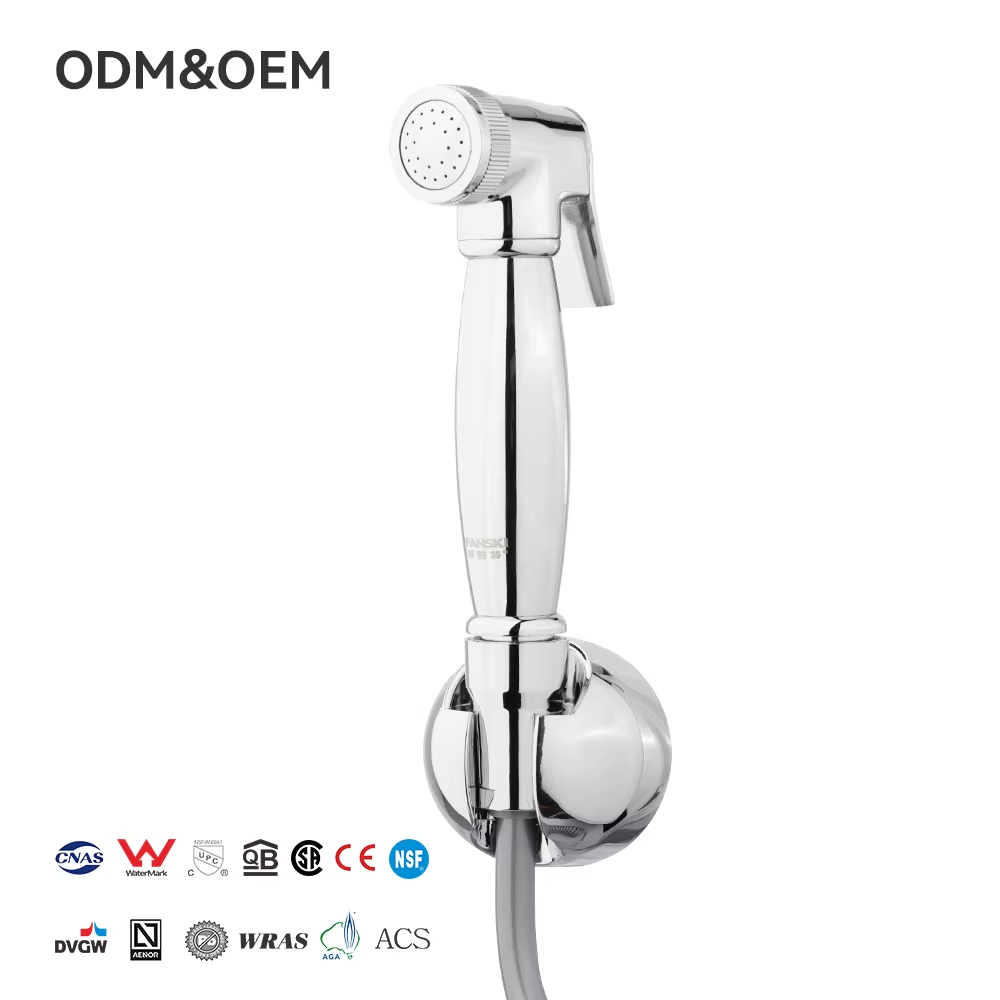
For seniors and individuals with sensitive skin, personal hygiene routines carry a level of risk that most people never consider. Rough toilet paper, repeated wiping motions, and chemical-laden wet wipes can cause irritation, micro-tears, and discomfort that compound over time. A bidet offers a fundamentally different approach — one that replaces mechanical friction with a gentle stream of water, reducing the physical stress placed on delicate skin with every use. Understanding what makes a bidet genuinely safer for these groups requires looking beyond surface-level convenience and into the specific design and functional features that matter most.
The growing adoption of the bidet in households with elderly residents or people managing skin conditions is not a passing trend. It reflects a practical recognition that water-based cleansing is both more hygienic and more protective than paper alternatives. From reduced infection risk to improved independence for those with limited mobility, the safety advantages of a well-designed bidet are measurable and meaningful. This article breaks down exactly what those advantages are and what features to look for when selecting a bidet for vulnerable users.
Why Friction-Free Cleansing Matters for Vulnerable Skin
The Problem with Traditional Wiping
Toilet paper, even the softest varieties, creates friction against skin that is already under stress. For seniors, skin naturally becomes thinner and more fragile with age, losing elasticity and moisture retention capacity. Repeated wiping — especially when more effort is required due to mobility limitations — can cause redness, soreness, and even small abrasions that become entry points for bacteria. A bidet eliminates this friction entirely by substituting a controlled water rinse for the wiping action.
People with sensitive skin conditions such as eczema, psoriasis, hemorrhoids, or post-surgical recovery also face heightened risk from paper-based hygiene. The perianal area is particularly susceptible to irritation, and any product that introduces chemicals, dyes, or physical abrasion can trigger flare-ups. Switching to a bidet removes these variables from the equation, providing a consistent, chemical-free cleansing method that does not vary based on paper quality or wiping technique.
The shift from paper to water is not merely about comfort — it is about reducing cumulative tissue damage. Over weeks and months, the difference between friction-based and water-based cleansing becomes visible in skin health outcomes, particularly for those who are already managing chronic conditions or age-related skin fragility.
How Water Cleansing Supports Skin Integrity
Water is inherently gentler than any solid material pressed against skin. A properly designed bidet delivers a controlled, low-pressure stream that rinses without impact trauma. This is especially important for users recovering from colorectal surgery, managing inflammatory bowel conditions, or dealing with postpartum sensitivity. The cleansing action is thorough without being aggressive, which is a balance that paper simply cannot achieve.
Beyond gentleness, water cleansing also supports the skin's natural microbiome. Harsh soaps and chemical wipes can disrupt the bacterial balance of the perianal region, leading to secondary infections or chronic irritation. A bidet that uses plain water avoids this disruption entirely, maintaining the protective environment that healthy skin depends on. For seniors whose immune systems may be less robust, this microbiome preservation is a meaningful safety benefit.
Design Features That Enhance Safety for Seniors
Ease of Use and Physical Accessibility
A bidet designed with seniors in mind must prioritize physical accessibility above all else. Controls should be simple, clearly labeled, and operable with minimal hand strength or dexterity. Wall-mounted handheld bidet models, for example, allow users to direct the water stream themselves without requiring complex adjustments or digital interfaces. This directness reduces the cognitive and physical load associated with use, which is critical for individuals managing arthritis, tremors, or reduced grip strength.
The mounting position of a handheld bidet also matters significantly. A unit positioned within easy reach from a seated position on the toilet reduces the need for awkward stretching or repositioning, which can be a fall risk for seniors. Thoughtful placement combined with a lightweight, ergonomic design makes the bidet a tool that enhances independence rather than creating new physical challenges.
For caregivers assisting elderly individuals, a handheld bidet also simplifies the hygiene process considerably. The ability to direct water precisely reduces the time and effort required for assisted hygiene, improving dignity for the user and reducing physical strain for the caregiver. This practical dimension of bidet design is often overlooked but is central to its safety value in senior care contexts.
Material Safety and Durability
The materials used in a bidet directly affect both safety and longevity. For users with sensitive skin, the concern extends beyond the water itself to any surface that comes into contact with the body or that the water passes through. Stainless steel components, such as those found in SUS304-grade Bidet models, offer corrosion resistance and hygienic non-porous surfaces that do not harbor bacteria or leach chemicals into the water stream.
Plastic components in lower-quality bidet units can degrade over time, especially when exposed to cleaning agents or hard water. This degradation can introduce microplastics or chemical residues into the water stream — a concern that is particularly relevant for users with compromised skin barriers. Investing in a bidet constructed from food-grade or medical-grade materials is a straightforward way to eliminate this risk category entirely.
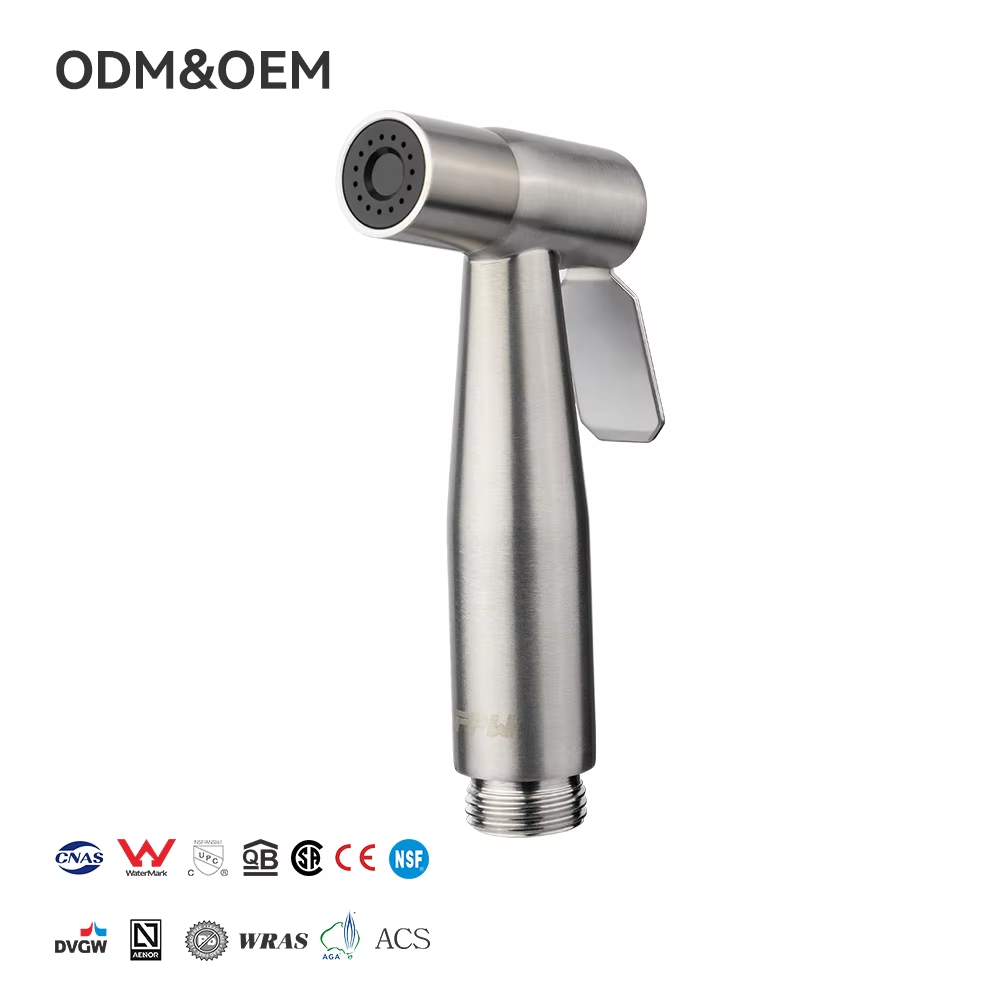
Durability also contributes to safety in a less obvious way. A bidet that maintains consistent water pressure and flow over years of use provides a predictable experience that seniors can rely on. Sudden pressure changes or mechanical failures in a poorly built unit can startle users or cause unintended discomfort, which is a genuine concern for individuals with limited reaction time or balance challenges.
Hygiene Benefits That Reduce Infection Risk
Reducing Bacterial Transfer and UTI Risk
One of the most clinically significant safety benefits of a bidet for seniors is the reduction in urinary tract infection risk. UTIs are disproportionately common among elderly individuals, particularly women, and improper wiping technique is a well-documented contributing factor. A bidet that delivers a front-to-back or targeted rinse removes the risk of bacterial transfer from the anal region to the urethra, which is the primary mechanism behind hygiene-related UTIs.
For women specifically, a bidet designed with feminine hygiene in mind provides a cleansing option that is both more effective and less risky than manual wiping. The precision of a handheld bidet allows users to control the direction and intensity of the water stream, making it adaptable to individual anatomy and comfort levels. This level of control is not possible with toilet paper, regardless of technique.
Seniors in care facilities or those with limited mobility are also at elevated risk for skin infections related to inadequate cleansing. A bidet that ensures thorough rinsing after every use significantly reduces the likelihood of residual contamination that can lead to dermatitis, fungal infections, or more serious skin breakdown. In this context, the bidet functions as a preventive health tool, not merely a comfort upgrade.
Supporting Post-Procedure and Chronic Condition Management
Seniors recovering from colorectal procedures, prostate surgery, or gynecological interventions are often advised to avoid wiping entirely during the healing period. A bidet provides the only practical alternative that maintains hygiene without physical contact. The ability to cleanse without touching sensitive post-operative tissue is a direct safety benefit that accelerates recovery and reduces complication risk.
Individuals managing chronic conditions such as Crohn's disease, ulcerative colitis, or irritable bowel syndrome also benefit substantially from regular bidet use. Frequent bowel movements combined with sensitive perianal tissue create a situation where paper-based hygiene quickly becomes painful and counterproductive. A bidet allows these individuals to maintain cleanliness without exacerbating their condition, supporting both physical comfort and psychological wellbeing.
Practical Considerations for Selecting the Right Bidet
Pressure Control and Adjustability
Not all bidet units offer the same level of pressure control, and for sensitive skin users, this variability matters. A bidet with adjustable flow allows users to find the pressure level that cleanses effectively without causing discomfort. High-pressure streams can be irritating or even painful for users with hemorrhoids, fissures, or post-surgical sensitivity, so the ability to reduce flow is a genuine safety feature rather than a luxury option.
Wall-mounted handheld bidet designs typically connect to the existing toilet water supply and allow pressure adjustment through the angle and distance of the nozzle from the body. This manual control is intuitive and does not require digital literacy or complex settings navigation, making it well-suited for elderly users who may be unfamiliar with electronic bidet seat systems.
Installation Simplicity and Maintenance
A bidet that is difficult to install or maintain introduces indirect safety risks. Improper installation can lead to leaks, water damage, or unstable mounting that creates hazards in the bathroom environment. Choosing a bidet with straightforward installation requirements — ideally compatible with standard toilet connections and requiring no specialized tools — reduces the likelihood of installation errors that could compromise safety.
Maintenance simplicity is equally important. A bidet with accessible components and easy-to-clean surfaces can be kept hygienic without requiring significant physical effort. For seniors living independently, a low-maintenance bidet is more likely to be used consistently and correctly, which is the foundation of its safety benefit. Units with stainless steel or smooth-surface components are generally easier to disinfect and less prone to bacterial buildup than those with complex internal mechanisms.
FAQ
Is a bidet safe to use for someone with very sensitive skin or a skin condition?
Yes, a bidet is generally considered safer than toilet paper for individuals with sensitive skin or conditions such as eczema, psoriasis, or hemorrhoids. Water-based cleansing eliminates the friction and chemical exposure associated with paper products, reducing the risk of irritation and flare-ups. It is advisable to use plain water without added soaps or fragrances for maximum skin safety.
Can seniors use a handheld bidet independently?
Most seniors can use a handheld bidet independently, provided it is mounted within comfortable reach and has an ergonomic, lightweight design. The key factors are grip ease, control simplicity, and mounting position. For seniors with significant mobility limitations, a caregiver can assist, and the handheld format actually makes assisted use more practical than fixed-nozzle bidet seat models.
Does using a bidet reduce the risk of urinary tract infections in elderly women?
Evidence and clinical guidance suggest that proper front-to-back cleansing with a bidet can reduce the risk of bacterial transfer that contributes to UTIs. By replacing wiping with a directed water rinse, the bidet minimizes the chance of introducing anal bacteria to the urethral area. This is particularly relevant for elderly women, who face higher baseline UTI risk due to anatomical and hormonal factors.
What material should a bidet be made from for the safest use?
For the safest and most hygienic use, a bidet constructed from corrosion-resistant stainless steel such as SUS304 grade is recommended. This material does not harbor bacteria, does not leach chemicals, and maintains its integrity over long-term use. Avoiding low-grade plastic components reduces the risk of material degradation that could affect water quality or structural reliability.