
 EN
EN
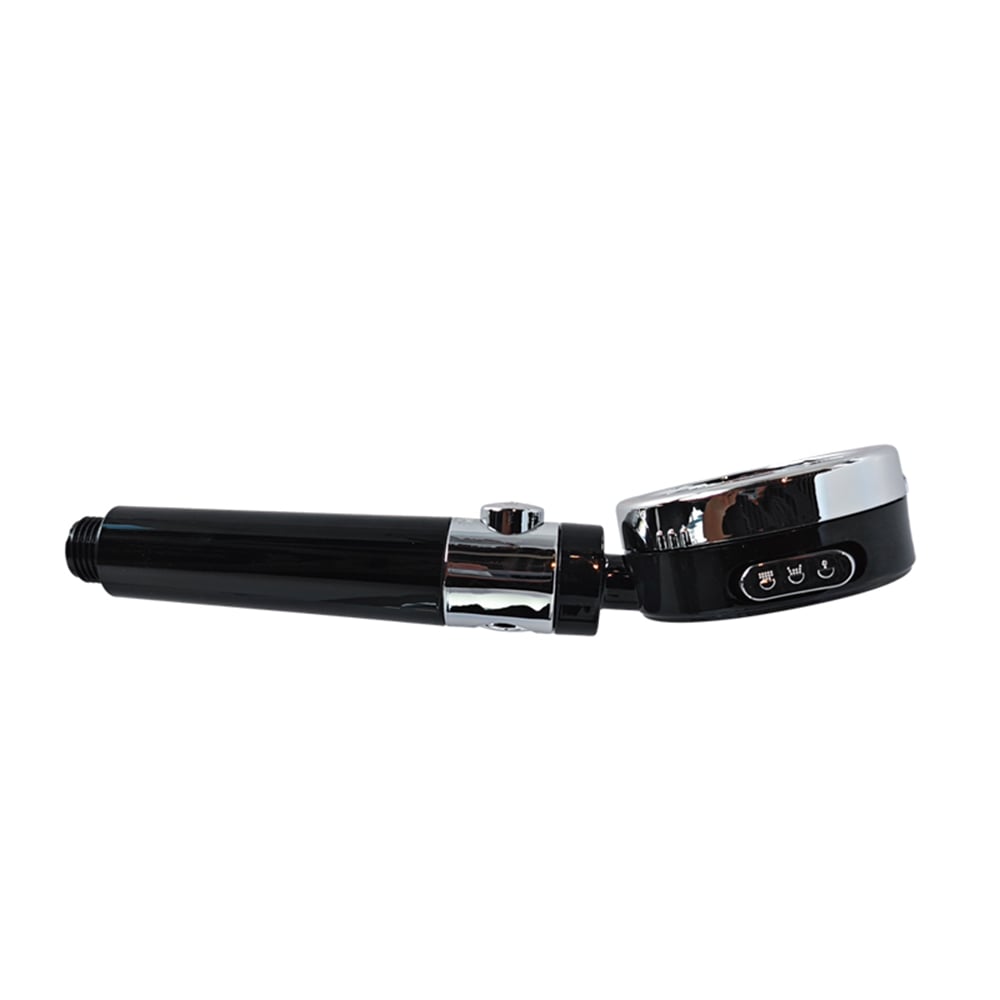
When you step into the shower each morning, the water flowing from your shower head contains far more than just H₂O. Municipal water supplies and private wells alike carry chlorine, heavy metals, sediment, and mineral deposits that can strip moisture from your skin and leave your hair brittle and dull. A filtered shower head transforms this experience by removing contaminants before water touches your body. Understanding why a filtered shower head makes such a tangible difference in how your skin feels and how your hair behaves is essential for anyone seeking to improve their daily hygiene routine without changing their water source entirely.
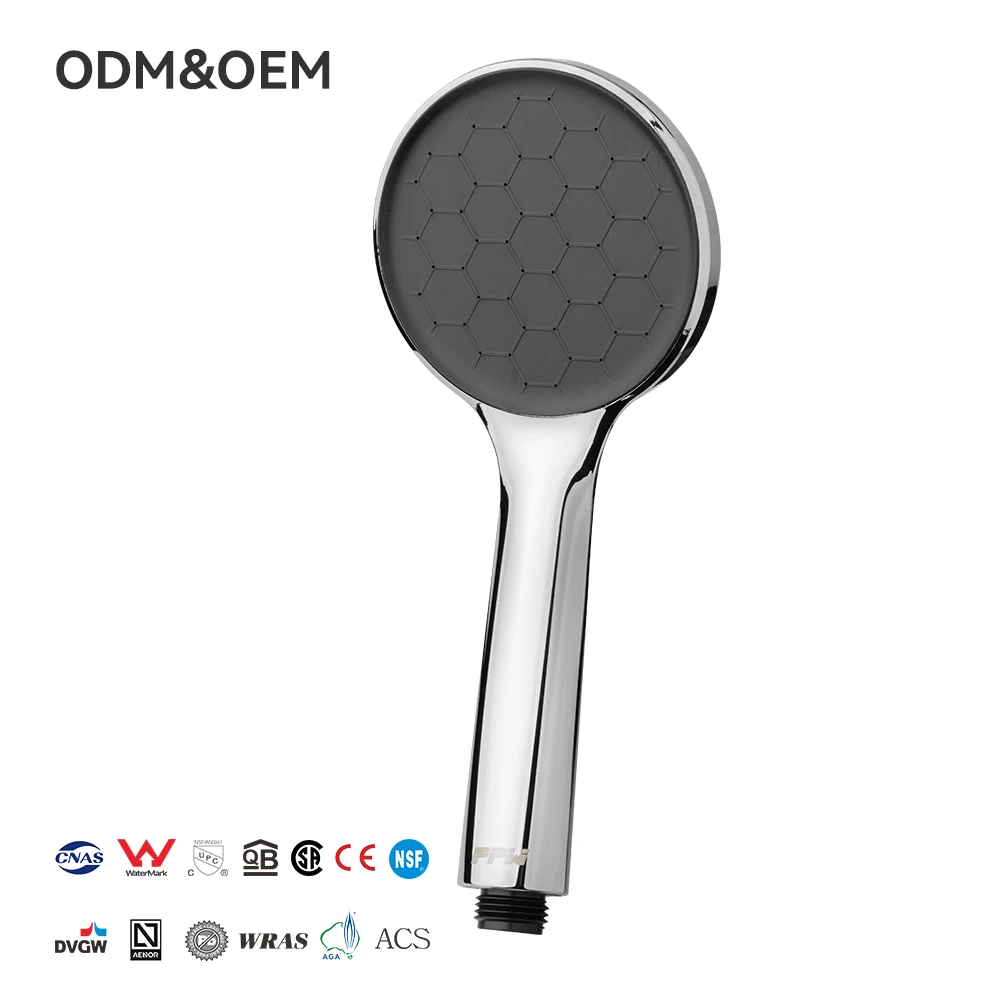
The relationship between water quality and skin or hair health is direct and measurable. Chlorine, commonly used to disinfect municipal water, is excellent for killing bacteria in water distribution systems but harsh on living skin and hair. Heavy metals like lead and copper accumulate in pipes and corrode into your water supply. Mineral-laden hard water deposits calcium and magnesium that build up on your skin, clog pores, and create a film on hair strands. A high-quality shower head addresses these issues by filtering water at the point of use, ensuring that only clean, treated water comes into contact with your body. This simple hardware upgrade delivers noticeable improvements in skin texture, hair softness, and overall shower comfort within days of installation.
How Water Contaminants Damage Skin and Hair
Chlorine and Chemical Exposure
Chlorine is the primary chemical used in water treatment facilities to eliminate pathogens, but it does not vanish after disinfection. When you shower, chlorine evaporates from hot water and is absorbed through your skin. This exposure disrupts the natural pH balance of your skin's protective barrier and strips away natural oils that keep skin hydrated and supple. For people with sensitive skin, eczema, or psoriasis, chlorinated water aggravates existing conditions and triggers inflammation. A filtered shower head removes chlorine through activated carbon or other filtration media, preventing this daily chemical exposure. Your skin responds quickly by retaining moisture more effectively, reducing redness, and feeling smoother. Hair also suffers from chlorine exposure, as the chemical penetrates the hair shaft and breaks down keratin proteins that give hair its strength and shine. When you use a filtered shower head, hair absorbs less chlorine, maintains its natural protective layer, and retains color longer if you have dyed hair.
Heavy Metals and Mineral Buildup
Aging water infrastructure means that lead, copper, and iron can leach from pipes into your drinking and bathing water. These heavy metals accumulate on skin surfaces and in hair follicles, creating oxidative stress and inflammation. Hard water minerals like calcium and magnesium, while not toxic, form insoluble deposits on skin that feel sticky and uncomfortable. These minerals interfere with soap and shampoo performance, making it harder to rinse thoroughly and leaving residue that weighs down hair and dulls skin tone. A filtered shower head intercepts heavy metals and reduces mineral content, so water feels softer and cleaner. You will notice that soap lathers more easily, your skin feels less sticky after showering, and your hair requires less conditioner to feel manageable. Over time, the reduction in mineral buildup means fewer clogged pores on your face and clearer skin overall.
Skin and Hair Benefits of Using a Filtered Shower Head
Improved Skin Hydration and Appearance
When a filtered shower head removes chlorine and minerals, your skin's natural moisture barrier functions more effectively. Without chemical disruption, your skin retains water and natural oils, resulting in a softer, more supple feel immediately after showering. People with dry skin notice dramatic improvements, as unfiltered water often leaves skin tight and uncomfortable. A filtered shower head is especially beneficial for those with acne-prone skin, because reduced chlorine and mineral exposure means fewer irritated pores and less post-shower tightness. Anti-aging benefits also emerge, since well-hydrated skin shows fewer fine lines and maintains a more youthful appearance. Users consistently report that their skin feels more comfortable throughout the day when using a filtered shower head, with less itching and fewer dry patches. For individuals who have struggled with dermatological conditions, the switch to filtered water via a filtered shower head often provides relief within one to two weeks.
Hair Strength, Shine, and Manageability
Hair quality improves noticeably when exposed to water filtered through a quality shower head. Chlorine and minerals no longer accumulate on the hair shaft, so each strand maintains its protective cuticle layer intact. This preservation of hair structure translates directly into improved shine, since light reflects more evenly off undamaged cuticles. Hair also becomes more manageable because reduced mineral content eliminates the sticky, weighed-down feeling that hard water causes. A filtered shower head is particularly valuable for people with color-treated hair, as chlorine fades artificial dye much faster than water without chemicals. The result is that your color lasts weeks longer, and you spend less money on frequent touch-ups. For people with curly or textured hair, a filtered shower head reduces frizz by preventing moisture-robbing mineral deposits from coating each strand. Users report that their hair feels softer, looks shinier, and requires less product to achieve desired styling results when they switch to bathing with water from a filtered shower head.
Installation, Maintenance, and Long-Term Value
Easy Installation and Filter Replacement
One reason a filtered shower head delivers such strong value is how simple installation is. Most designs screw onto your existing shower arm with no tools required, and the process takes fewer than five minutes. Renters appreciate that a filtered shower head does not require permanent modifications, so you can remove it and take it with you when you move. Filter cartridges inside the shower head need replacement every six to twelve months, depending on water usage and starting water quality. Replacement is straightforward—you simply unscrew the old cartridge and insert a new one, with no special skills or equipment needed. The ongoing cost of a filtered shower head is minimal compared to purchasing bottled water or using separate water filtration systems. Many users find that a filtered shower head pays for itself within months through savings on skin care products, conditioners, and hair treatments that become less necessary when water quality improves.
Health Benefits Beyond Aesthetics
Beyond the cosmetic improvements, using a filtered shower head reduces your systemic exposure to chlorine and heavy metals during daily bathing. Your skin absorbs a significant portion of water contaminants during a warm shower, so filtration at the shower head provides meaningful health protection over time. This reduction in chemical exposure is particularly important for children and pregnant women, whose bodies are more sensitive to environmental toxins. A filtered shower head does not replace whole-home water filtration for drinking water, but it provides targeted protection where you spend extended time in direct contact with water. For families with members who have respiratory sensitivity, the reduction in chlorine vapor from a filtered shower head also improves air quality in the bathroom. These cumulative health benefits, combined with visible improvements to skin and hair, make a filtered shower head a worthwhile investment in daily wellness.
FAQ
Does a filtered shower head remove all water contaminants?
A filtered shower head removes most common contaminants including chlorine, chloramines, sediment, heavy metals, and mineral deposits, but it does not achieve the level of purification that whole-home systems provide. The filtration capacity of a shower head is limited by its compact size and the brief contact time water spends inside the filter. For comprehensive water quality, a filtered shower head works best as part of a layered approach that may include separate filters on your kitchen sink and whole-home systems if you have severe water quality issues. However, for the specific purpose of improving skin and hair, a filtered shower head addresses the primary contaminants responsible for visible and tactile differences.
How often should you replace the filter in a filtered shower head?
Most filtered shower head filters require replacement every six to twelve months, though the exact interval depends on your water usage and the initial quality of your water supply. If you shower twice daily with a standard flow rate, you may need to replace the filter every six months. Households with lower water usage might extend the replacement interval to twelve months. Many filtered shower head models include indicator systems that notify you when the filter has reached the end of its useful life, ensuring optimal performance. Checking your specific model's documentation provides the most accurate replacement schedule for your situation.
Will a filtered shower head work with all shower types?
A filtered shower head is compatible with most standard plumbing installations, whether you have a handheld shower head, rainfall shower head, or wall-mounted fixed head. The key is ensuring that your new filtered shower head has threads that match your existing shower arm connection, which is standard across most installations in North America and Europe. If you have an unusual or specialty shower system, verify the thread size before purchasing a filtered shower head. Some filtered models come with adapter kits to ensure compatibility with less common plumbing configurations, making them versatile enough for nearly any home shower setup.