
 EN
EN
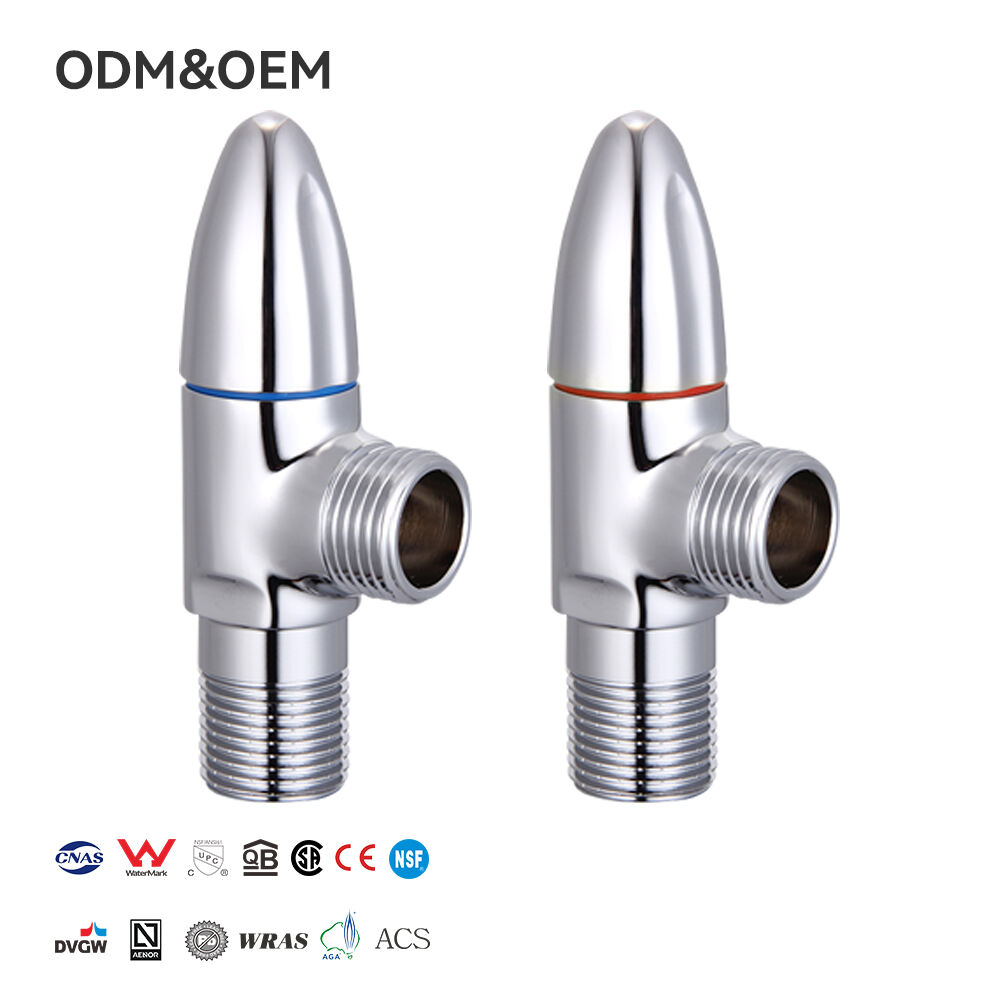
Յուրաքանչյուր լողասենյակ և խոհանոց կախված է ջրատար բաղադրիչների ցանցից, որոնք միասին աշխատում են անթերի, և դրանց մեջ Անկյունային փական խաղում է դեր, որը հեշտ է անտեսել՝ մինչև մի բան սխալ չգնա։ Այս փոքր, սակայն կրիտիկական միացման մասը տեղադրվում է ջրամատակարարման մայրուղու և սարքի միացման կետում՝ զուգարանում, լվացարանի ջրառագացիչում, ապակելվացնող սարքի միացման կետում, և ձեզ տալիս է ուղղակի և տեղային վերահսկողություն ջրի հոսքի վրա։ Առանց հուսալի Անկյունային փական տեղադրված լինելու նույնիսկ փոքր հոսքը կամ սպասարկման աշխատանքը կարող է վերածվել այնպիսի իրավիճակի, որի դեպքում ամբողջ շենքի ջրամատակարարումը պետք է անջատվի։
Հասկանալը, թե ինչու է հուսալի Անկյունային փական օգտագործելը կարևոր, չի վերաբերում միայն ջրատարային մասնագետներին կամ պայմանագրային կազմակերպություններին։ Տնային տնտեսության սեփականատերերը, շենքերի վարչավարները և ներքին դիզայներները, ովքեր ընտրում են սարքեր, բոլորն էլ շահում են իմանալով, թե ինչն է տարբերում բարձրորակ Անկյունային փական ստանդարտից ցածր որակի մեկից: Տարբերությունը չի դրսևորվում սովորական օրական օգտագործման ժամանակ, այլ՝ կարևոր պահերին. ջրատար խողովակի պատռվելու արտակարգ իրավիճակում, սովորական ջրափակի փոխարինման ժամանակ կամ վանելու վերանորոգման ընթացքում, երբ յուրաքանչյուր միացում տարիներ շարունակ պետք է դիմանա ճնշմանը: Ճիշտ Անկյունային փական ընտրելը սկզբից կարող է լինել ցանկացած ջրամատակարարվող տարածքի համար ամենագործնական որոշումներից մեկը:
Անկյունային կրանի հիմնական ֆունկցիան ջրատար համակարգերում
Իրականում ինչ է անում անկյունային կրանը
Մի Անկյունային փական անկյունային կրանը մի փակման կրան է, որի մուտքը և ելքը միմյանց նկատմամբ 90 աստիճանի անկյան տակ են դասավորված: Այս երկրաչափական ձևը թույլ է տալիս այն միացնել պատից դուրս եկող ուղղահայաց ջրամատակարարման խողովակը հորիզոնական ջրամատակարարման գծին, որն անցնում է սարքին, այդպես դարձնելով այն միաժամանակ և՛ ուղղությունը փոխող միացման մաս, և՛ հոսքի կառավարման սարք մեկ կոմպակտ միավորում: Հենց 90-աստիճանանոց կոնֆիգուրացիան է, որը անկյունային կրանը դարձնում է Անկյունային փական այնքան հարմար լոգասենյակների և խոհանոցների տեղադրման համար, որտեղ պատին միացված ջրամատակարարման կետերը ստանդարտ են:
Երբ դուք պտտում եք կրանի մակերեսի Անկյունային փական դուք կամ բացում եք, կամ փակում եք ջրի հասնելու որոշակի սարքի ճանապարհը: Սա նշանակում է, որ եթե ձեր խոհանոցի ջրառատակը սկսի կաթել կամ զուգարանի լցման կափարիչը պետք է փոխվի, ապա կարող եք այդ մեկ սարքը առանձնացնել՝ առանց խաթարելու շենքի մնացած մասի ջրամատակարարման համակարգը: Այս տեղական կառավարումը հիմնական պատճառն է, որ յուրաքանչյուր ճիշտ տեղադրված վարագույրավորված սենյակ և խոհանոց պետք է ունենա նվիրված Անկյունային փական յուրաքանչյուր մատակարարման կետում:
Իզոլյացիայից բացի՝ Անկյունային փական նաև նպաստում է ճնշման կառավարմանը սարքի մակարդակում: Լավ արտադրված կափարիչը, որն ունի հարթ ներքին մակերես և ճիշտ տեղադրված սեալ, ապահովում է հաստատուն հոսք՝ առանց ստեղծելու հոսանքի խառնվածք կամ ճնշման անկում, որոնք կարող են ազդել սարքի աշխատանքի վրա: Այս ֆունկցիոնալ ճշգրտությունն է պատճառը, որ նյութի որակը և արտադրության թույլատրելի շեղումները այնքան կարևոր են ընտրելիս: Անկյունային փական .
Ինչու՞ է 90-աստիճանանոց դիզայնը կարևոր վարագույրավորված սենյակների և խոհանոցների համար
Շատ բնակելի և առևտրային վարսավիրանոցներում ու խոհանոցներում մատակարարման խողովակները դուրս են գալիս պատից՝ սարքի ներքևի կամ հետևի կետից։ «Անկյունային շարժաբերի» Անկյունային փական անկյունային ձևը վերացնում է հոսքը վերաուղղելու համար լրացուցիչ ծալված միացման մասերի անհրաժեշտությունը, նվազեցնելով համակարգում միացման կետերի թիվը և, հետևաբար, հնարավոր հատվածների արտահոսման հավանականությունը։ Փոքր թվով միացման կետեր նշանակում են մաքուր տեղադրում և ժամանակի ընթացքում ավելի ցածր անհաջողության հավանականություն։
«Անկյունային շարժաբերի» Անկյունային փական համապատասխանաբար մշակված փոքր չափսերը նույնպես կարևոր են սահմանափակ տարածք ունեցող ավազանի տակ կամ զուգարանի հետևում տեղադրման դեպքում, որտեղ շատ քիչ տեղ կա շարժվելու համար։ Լավ մշակված «անկյունային շարժաբերը» Անկյունային փական հնարավորություն է տալիս ջրատարած մասնագետի կամ որակյալ ինքնատեղադրողի կատարել մաքուր և հասանելի միացում՝ առանց մասնագիտացված գործիքների կամ անհարմար դիրքավորման անհրաժեշտության։ Այս տեղադրման հեշտությունը անմիջապես թարգմանվում է ավելի ցածր աշխատավարձի և նոր շենքերի կառուցման ու վերանորոգման աշխատանքների ավելի արագ ավարտի վրա։
Ինչու՞ նյութի որակը որոշում է «անկյունային շարժաբերի» հուսալիությունը
Առանց կապարի պղնձաբրոնզե կառուցվածքի առավելությունները
Նյութը, որից պատրաստված է Անկյունային փական արտադրվում է, ունի ուղղակի ազդեցություն նրա երկարատևության, անվտանգության և ճնշման տակ աշխատանքի ցուցանիշների վրա: Առանց կապարի պղինձը դարձել է որակյալ Անկյունային փական արտադրության համար նախընտրելի նյութ, քանի որ այն միավորում է հիասքանչ կոռոզիայի դիմացկունություն, մեխանիկական ամրություն և մետաղամշակման հեշտություն մեկ մետաղաձուլվածքում: Ի տարբերություն ցածր որակի ցինկային համաձուլվածքների կամ պլաստմասսային այլընտրանքների՝ առանց կապարի պղինձը պահպանում է իր կառուցվածքային ամբողջականությունը ջերմաստիճանի և ճնշման լայն շրջանակում՝ ժամանակի ընթացքում չդառնալով փխրուն կամ ձևափոխվելով:
«Առանց կապարի» նշումը հատկապես կարևոր է բաղնիքներում և խոհանոցներում, որտեղ Անկյունային փական մաս է կազմում խմելու ջրի համակարգի: Անկյունային փական ապահովում է, որ ջուրը, որն անցնում է դրա միջով դեպի ձեր մուկը կամ խմելու ջրի մայրուղին, չի վերցնում վնասակար կենսաբանական աղտոտիչներ մեխանիզմի մարմնից:
Կոռոզիան ցանկացած ջրատար մասի հիմնական երկարաժամկետ սպառնալիքն է, իսկ պղինձը դիմացող է ինչպես ջրում գտնվող թթվածնի կողմից առաջացրած օքսիդացման, այնպես էլ տարբեր մետաղների շփման դեպքում առաջացող էլեկտրոքիմիական կոռոզիային։ Մեկը Անկյունային փական որը պատրաստված է որակյալ անաղարտ պղնձից, սովորաբար ավելի երկար է ծառայում, քան այն սարքավորումները, որոնց համար նախատեսված է, և հետևաբար դա հանդիսանում է հիմնավորված երկարաժամկետ ներդրում, այլ ոչ թե սպառվող բաղադրիչ։
Մակերեսի մշակումը և դրա գործնական հետևանքները
Քրոմապատված մակերեսը Անկյունային փական միաժամանակ կատարում է երկու նպատակ։ Էսթետիկապես այն տալիս է մաքուր, պրոֆեսիոնալ տեսք, որը համատեղելի է ժամանակակից վարսավիրանոցներում և խոհանոցներում սովորաբար օգտագործվող փայլուն սարքավորումների հետ։ Ֆունկցիոնալ տեսանկյունից քրոմի շերտը ավելացնում է լրացուցիչ պաշտպանություն մակերեսային կոռոզիայի, խոնավության ներթափանցման և ժամանակի ընթացքում կոշտ ջրի միջավայրում կուտակվող միներալային նստվածքների դեմ։
Բարձր խոնավության միջավայրում, օրինակ՝ վարսավիրանոցներում, անպաշտպան մետաղային մակերեսը մի քանի ամսվա ընթացքում սկսում է ցուցադրել օքսիդացման և ստայների նշաններ։ Քրոմապատված Անկյունային փական դիմացում է այս վատացմանը՝ պահելով փականը ներկայացման համար ներկայացված և հարթ աշխատող տարիներ շարունակ: Սա հատկապես կարևոր է տեսանելի տեղադրումների դեպքում, երբ Անկյունային փական այն չի թաքցված սարքավորման տախտակի հետևում, այլ երևում է սյունակավոր մեկուսացված ջրահեռացման սարքի կամ պատին ամրացված ավազանի տակ:
Քրոմապատման որակը նաև արտացոլում է Անկյունային փական -ի ընդհանուր արտադրական ստանդարտը: Համասեռ, փուչրազուրկ քրոմապատման մակերեսը վկայում է մակերեսի մշակման և պլաստիկացման գործընթացի հսկման մասին, ինչը, իր հերթին, ցույց է տալիս, որ նույն ուշադրությունը նվիրվել է ներքին բաղադրիչներին՝ նստատեղին, ամրացման միջոցին և թելավոր մասին, որոնք որոշում են փականի իրական աշխատանքի որակը:
Ճնշման դասակարգումները և դրանց նշանակությունը առօրյա օգտագործման մեջ
PN16 ճնշման դասակարգման հասկացությունը
Ճնշման դասակարգումը ամենակարևոր տեխնիկական սպեցիֆիկացիաներից մեկն է, որը պետք է հասկանալ փականի ընտրության ժամանակ Անկյունային փական լողասենյակի կամ խոհանոցի տեղադրման համար: PN16 վարկանիշը նշանակում է, որ փականը նախագծված է և փորձարկված է 16 բար նոմինալ ճնշում դիմականելու համար, որը զգալիորեն գերազանցում է քաղաքային համակարգերում տիպիկ բնակարանային ջրամատակարարման ճնշումը՝ 2–6 բար: Այս անվտանգության մարգինը չի կարելի համարել չափից շատ՝ դա մտածված ճարտարագիտական պաշտպանություն է, որը հաշվի է առնում ճնշման կտրուկ վերելքները, ջրի հարվածային երևույթը («ջրի մկրատ») և ներքին սեղմափակիչների վրա մաշման աստիճանական ազդեցությունը:
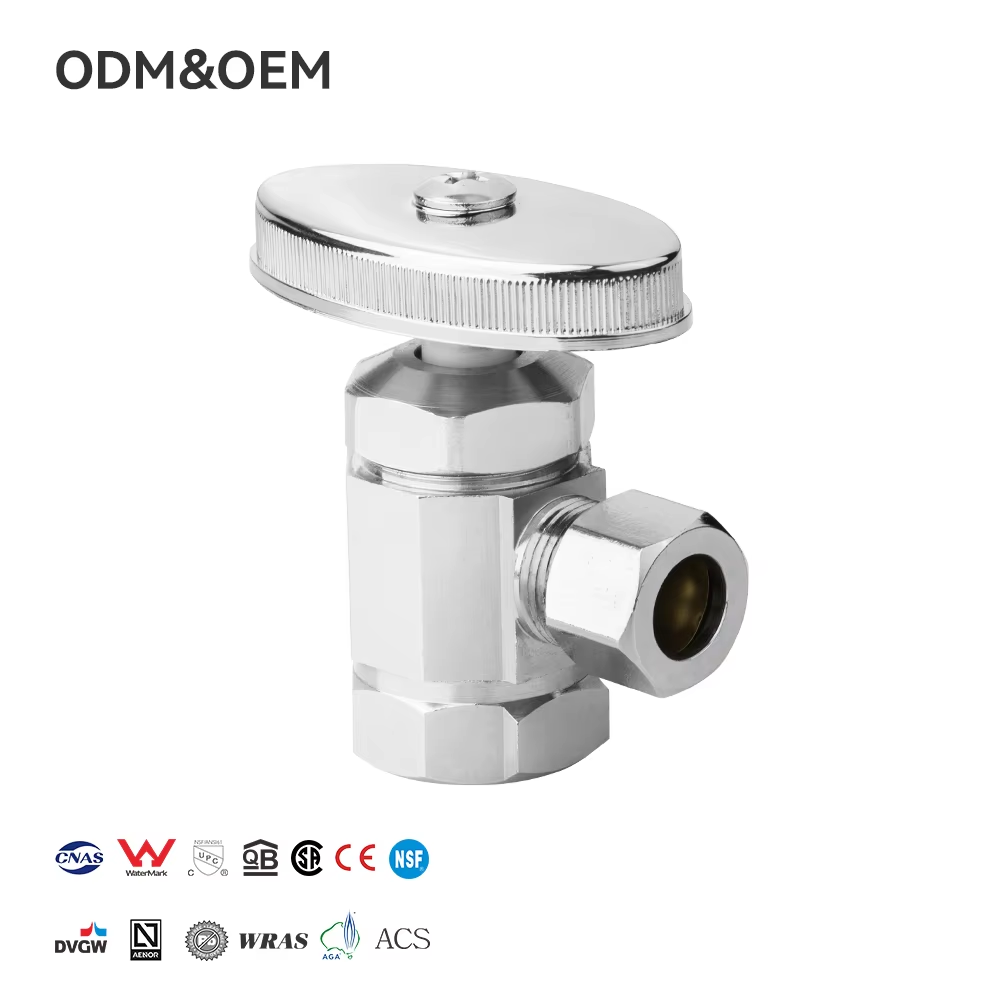
Ջրի հարվածային երևույթը («ջրի մկրատ») առաջանում է այն դեպքում, երբ ջրի հոսքը կտրուկ կանգնեցվում կամ ուղղությունը փոխվում է, ինչը ստեղծում է ճնշման ալիք, որը վերադառնում է խողովակով հետ: Մի համակարգում, որտեղ կան մի քանի սարքավորումներ և արագ փակվող սոլենոիդային փականներ՝ օրինակ՝ ժամանակակից լվացման մեքենա կամ ամանների լվացող մեքենա, այս ճնշման վերելքները կարող են լինել զգալի: Մեկ Անկյունային փական PN16 ստանդարտի համար գնահատված է, որ այն կլանում է այս անցումային ճնշումները՝ առանց կնիքի խափանման կամ մարմնի ճաքերի առաջացման ռիսկի, որը կարող է առաջանալ ավելի ցածր վարկանիշ ունեցող միացման դեպքում։
Առևտրային կամ բազմահարկ բնակելի շենքերի համար, որտեղ մատակարարման ճնշումը կարող է լինել բարձր և ավելի փոփոխական, քան մեկ ընտանի տան մեջ, որակյալ միացման մասի PN16 դասակարգումը Անկյունային փական ապահովում է այն համոզմունքը, որ միացման մասը կաշխատի հուսալիորեն իր ծառայության ամբողջ ժամանակահատվածում հանդիպելիք բոլոր շահագործման պայմաններում:
Ճնշման դիմացկունության և երկարատև լուսափակման ամբողջականության միջև կապը
Մեկ կարգավորիչի Անկյունային փական ներքին լուսափակիչը այն բաղադրիչն է, որը ամենից ուղղակիորեն ազդվում է շահագործման ճնշումից: Այն կարգավորիչը, որը մշտապես աշխատում է իր ճնշման դասակարգման վերին սահմանի մոտ, կարող է արագացված մաշվելու ենթարկվել, ինչը կհանգեցնի փակման ժամանակ կաթիլների առաջացման և վերջապես՝ հոսքը ամբողջությամբ կանգնեցնել չկարողացող կարգավորիչի: Անկյունային փական իրական մատակարարման ճնշման համեմատ բավականին մեծ ճնշման դասակարգում ունեցող կարգավորիչի ընտրությունը նշանակում է, ո что լուսափակիչները միշտ աշխատում են իրենց նախագծային սահմանների շրջանակներում, ինչը զգալիորեն երկարացնում է ծառայության ժամանակը:
Լուսափակիչի նյութը նույնպես կարևոր դեր է խաղում այստեղ: Որակյալ Անկյունային փական նախագծերը օգտագործում են կերամիկական սկավառակային կարտրիջներ կամ EPDM ռետինե լարեր, որոնք պահպանում են իրենց էլաստիկությունն ու կնքման աշխատանքը ջերմաստիճանի փոփոխությունների և բազմակի բացել-փակել ցիկլերի ընթացքում: Այն մատակարարման մեխանիզմը, որը հաճախ բացվում է և փակվում՝ օրական մի քանի անգամ օգտագործվող լողասենյակի ջրհորդակի համար, պետք է ունենա լար, որը կարող է դիմանալ հազարավոր ցիկլերի՝ առանց վատանալու: Հենց այստեղ է ժամանակի ընթացքում ամենաշատը նկատվում տարբերությունը լավ մշակված և ստորին գնի մատակարարման մեխանիզմների միջև: Անկյունային փական և ստորին գնի մատակարարման մեխանիզմը ժամանակի ընթացքում ամենաշատը նկատվում է:
Մատակարարման մեխանիզմի աշխատանքի վրա ազդող տեղադրման հարցեր
Ճիշտ չափսը և մետաղալարի համատեղելիությունը
Մի Անկյունային փական որը ճիշտ է չափված մատակարարման խողովակի և սարքի միացման համար, ավելի լավ կաշխատի և երկար կապրի, քան այն, որը հարմարեցված է նվազեցնող մասերով կամ ստանդարտային չլինելու մասերով: Բնակարանային լողասենյակների և խոհանոցների կիրառման համար ամենատարածված չափսերն են 1/2 դյույմը և 3/8 դյույմը, որտեղ մուտքը սովորաբար միանում է պատի մատակարարման խողովակին, իսկ ելքը՝ սարքին գործադրելի խողովակ որը միանում է սարքին: Այս չափսերը հաստատել գնման առաջ խուսափում է միացման մասերի օգտագործումից, որոնք համակարգին ավելացնում են միացման կետեր և հնարավոր հոսքի վայրեր:
Շառլակի տեսակի համատեղելիությունը նույնպես շատ կարևոր է: Միջազգային շուկաներում տնային ջրատարափոխման մեծամասնության մեջ օգտագործվում են կամ BSP (բրիտանական ստանդարտ շառլակ) կամ NPT (ազգային շառլակի ստանդարտ) ստանդարտները, և դրանք առանց միացման մասերի փոխանակելի չեն: Համընդհանուր Անկյունային փական դիզայնը, որը համատեղելի է երկու շառլակի ստանդարտների հետ, պարզեցնում է տեղադրումը տարբեր տարածաշրջանային ջրատարափոխման ստանդարտների շրջանակներում և նվազեցնում է շառլակի սխալ միացման կամ միացման կետում անբավարար կնքման ռիսկը:
Չափահաստատված տեղադրման տեխնիկա՝ հոսքից ազատ միացման համար
Նույնիսկ ամենաբարձր որակի Անկյունային փական կարող է վատ աշխատել, եթե այն ճիշտ չի տեղադրվել: Ամենատարածված տեղադրման սխալներն են՝ չափից շատ շատ ձգելը, որը կարող է ճեղքել փականի մարմինը կամ ձևափոխել նստատեղը, և չափից քիչ ձգելը, որը թելավորված միացման վրա թողնում է հնարավորություն առաջացնելու արտահոսման հատվածներ: Տղայի թելերի վրա ճիշտ քանակով PTFE թելային ժապավենի օգտագործումը և արտադրողի կողմից նշված բեռնվածության մեծությամբ կամ ձեռքով ձգելուց հետո մեկից մեկ ու կես պտույտ պարզ ստվարաթղթի օգնությամբ ձգելը ապահովում են հուսալի լուծում՝ առանց միացման մասերի վրա լրացուցիչ ճնշում ստեղծելու:
Կառավարման մեխանիզմի Անկյունային փական կառավարման մեխանիզմը պետք է տեղադրվի այնպես, որ այն հեշտ հասանելի լինի շահագործման համար՝ առանց գործիքների կամ անհարմար ձգվելու անհրաժեշտության: Ստորև տեղադրված սարքավորումների դեպքում սա սովորաբար նշանակում է կառավարման մեխանիզմի դիրքավորումը դեպի պահեստարանի առջև, որպեսզի այն հնարավոր լինի արագ պտտել արտակարգ իրավիճակում: Լավ դիրքավորված Անկյունային փական կառավարման մեխանիզմը այն է, որը կարող է օգտագործել ցանկացած տնային անդամ առանց երկյուղի, երբ անհրաժեշտ է արագ անջատում:
Տեղադրումից հետո Անկյունային փական պետք է ստուգվի մատակարարման դանակավոր բացմամբ և խողովակաշարի բոլոր միացման կետերի խոնավության ստուգմամբ: Եթե սալիկների կամ փականային մասի շուրջ հայտնաբերվի ցանկացած խոնավության նշան, այն անմիջապես պետք է վերացվի, իսկ ոչ թե թողնվի ավելի մեծ հատակային արտահոսում ձեռք բերելու համար: Այս վերջնական ստուգումը մի քանի րոպե է տևում, սակայն հաստատում է, որ Անկյունային փական աշխատում է նախատեսված կերպով՝ մինչև մонтաժը համարվի ավարտված:
Հաճախադեպ տրվող հարցեր
Ինչքան հաճախ պետք է փոխել անկյունային կափարիչը լողարանում կամ խոհանոցում:
Բարձրորակ անապակյա պղինձ Անկյունային փական ճիշտ տեղադրված և ճնշման սահմանային արժեքի սահմաններում օգտագործվող կարող է ծառայել 10–20 տարի կամ ավելի երկար: Սակայն լավ պրակտիկա է մի քանի տարին մեկ ստուգել կափարիչը կոռոզիայի, միներալային ապարների կամ մակերեսի կարծրացման նշանների համար: Եթե կափարիչը այլևս չի փակվում ամբողջությամբ կամ տեսանելի վնասվածքներ ունի, ապա այն ավելի լավ է փոխել ավարիայից առաջ, քան հետո:
Կարելի՞ է անկյունային կափարիչը օգտագործել տաք և սառը ջրի մատակարարման համար:
Այո, պղնձե Անկյունային փական գնահատված է համապատասխան ջերմաստիճանի և ճնշման սահմանափակումների համար, և կարող է օգտագործվել ինչպես տաք, այնպես էլ սառը մատակարարման մայրուղիներում: Կարևոր է համոզվել, որ փականի ջերմաստիճանային գնահատականը ընդգրկում է ձեր տաք ջրի մատակարարման առավելագույն ջերմաստիճանը, որը շատ բնակարանային համակարգերում կազմում է 60°C–80°C միջակայքը: Սառը ջրի համար գնահատված փականի օգտագործումը տաք մատակարարման մայրուղում արագացնում է սեալի մաշվելը և կրճատում է շահագործման ժամկետը:
Ի՞նչ է անկյունային փականի և ուղիղ կանգնեցնող փականի տարբերությունը:
Հիմնական տարբերությունը մուտքի և ելքի պորտերի դիրքավորման մեջ է: Անկյունային Անկյունային փական փականի պորտերը միմյանց նկատմամբ 90 աստիճանի անկյան տակ են գտնվում, ինչը դարձնում է այն իդեալական ընտրություն պատին մountված մատակարարման խողովակի և սարքի մատակարարման մայրուղու միացման համար: Ուղիղ կանգնեցնող փականի պորտերը գտնվում են մեկ գծով (իրար համահունչ) և օգտագործվում են այն դեպքերում, երբ մատակարարման խողովակը և սարքի միացման կետը արդեն համահունչ են: Շատ ավազանների և խոհանոցների տեղադրումներում Անկյունային փական անկյունային փականը ավելի գործնական ընտրություն է, քանի որ սովորաբար մատակարարման խողովակը դուրս է գալիս պատից:
Արդյո՞ք անհրաժեշտ է ջրատարածքի մասնագետ վարձել անկյունային փականի տեղադրման համար:
Եղանակավոր է տեղադրել Անկյունային փական հնարավոր է իրականացնել մեկնաբանված տնային վերանորոգման մասնագետի կողմից, ով հարմարավետ է զգում իրեն ջրատար միացումների հետ աշխատելիս: Հիմնական պահանջներն են՝ սկսելուց առաջ անջատել գլխավոր ջրամատակարարման մատակարարումը, օգտագործել համապատասխան թելի լուծարման նյութ և հիմնավորված փորձարկել միացումը տեղադրումից հետո: Այն երկրներում, որտեղ ջրատար աշխատանքները պահանջում են լիցենզավորված մասնագետի հաստատում, կամ որտեղ տեղադրումը ներառում է առկա խողովակաշարի փոփոխություն՝ ոչ թե պարզապես մի մասնակի մասի փոխարինում, առաջարկվում է ներգրավել մասնագետի՝ համապատասխանությունն ապահովելու համար տեղական կանոնակարգերին:
Բովանդակության ցուցակ
- Անկյունային կրանի հիմնական ֆունկցիան ջրատար համակարգերում
- Ինչու՞ նյութի որակը որոշում է «անկյունային շարժաբերի» հուսալիությունը
- Ճնշման դասակարգումները և դրանց նշանակությունը առօրյա օգտագործման մեջ
- Մատակարարման մեխանիզմի աշխատանքի վրա ազդող տեղադրման հարցեր
-
Հաճախադեպ տրվող հարցեր
- Ինչքան հաճախ պետք է փոխել անկյունային կափարիչը լողարանում կամ խոհանոցում:
- Կարելի՞ է անկյունային կափարիչը օգտագործել տաք և սառը ջրի մատակարարման համար:
- Ի՞նչ է անկյունային փականի և ուղիղ կանգնեցնող փականի տարբերությունը:
- Արդյո՞ք անհրաժեշտ է ջրատարածքի մասնագետ վարձել անկյունային փականի տեղադրման համար: