
 EN
EN
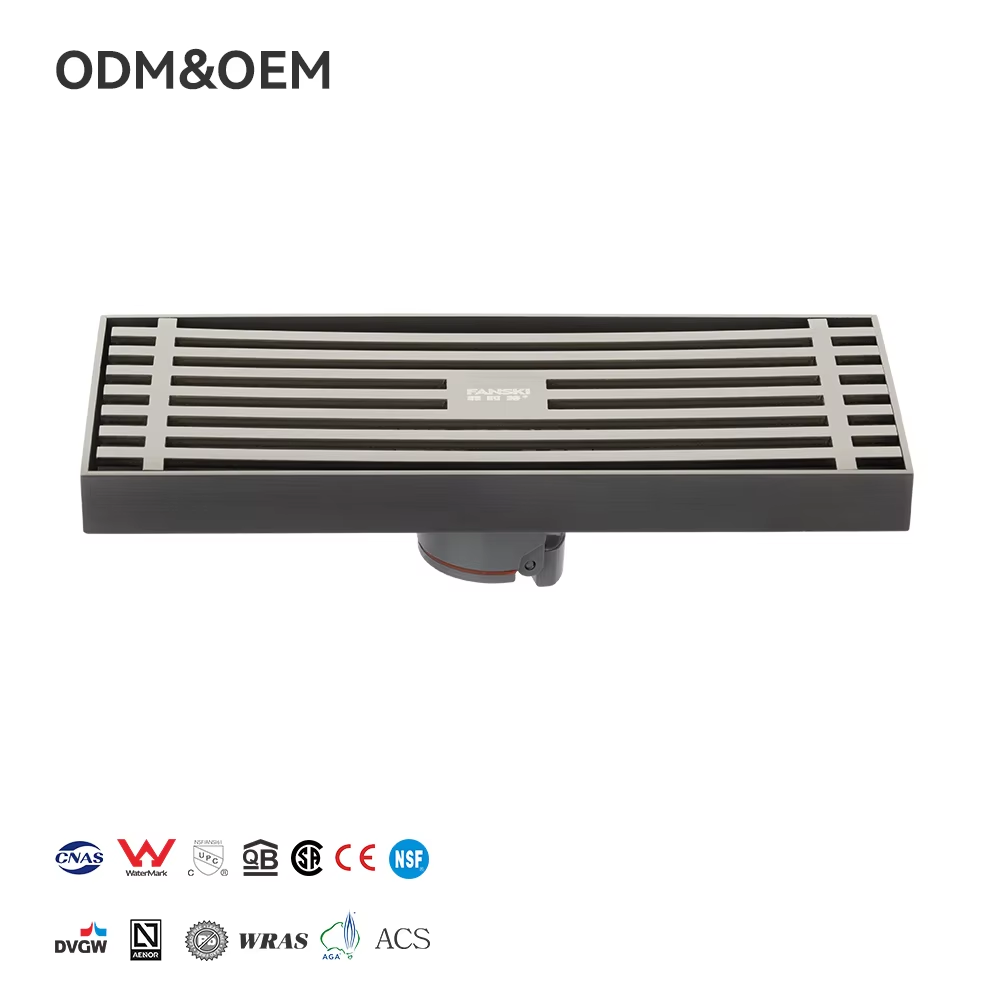
Współczesny projekt łazienki znacznie się rozwinął w ostatnich dziesięcioleciach pod wpływem postępów w technologii materiałów, podwyższonych standardów higieny oraz zmieniających się preferencji estetycznych. Wśród kluczowych elementów określających funkcjonalność i trwałość łazienki znajdują się kanalizacja podłogowa wyróżnia się jako niezbędny element wyposażenia, który bezpośrednio wpływa na gospodarkę wodną, warunki sanitarne i ogólne wrażenia użytkownika. Chociaż w projekcie zastosowano różne materiały, kanalizacja podłogowa zrozumienie, dlaczego odpływy podłogowe ze stali nierdzewnej stały się standardem w nowoczesnych łazienkach, wymaga przeanalizowania punktu przecięcia się nauki o materiałach, funkcjonalności praktycznej, rozważań ekonomicznych oraz wszechstranności projektowej — wszystkie te czynniki razem pozycjonują to rozwiązanie ponad alternatywy.
Rosnąca popularność odpływów podłogowych ze stali nierdzewnej odzwierciedla szersze trendy w standardach budowlanych, gdzie trwałość, wydajność konserwacji oraz bezpieczeństwo zdrowotne stały się wymaganiami bezwzględnymi. Architekci, wykonawcy oraz właściciele nieruchomości uświadamiają sobie obecnie, że wybór materiału na etapie projektowania ma istotny wpływ na długoterminowe koszty eksploatacji, częstotliwość wymiany elementów oraz satysfakcję użytkowników. Środowisko łazienki stanowi wyjątkowy czynnik obciążający — stała ekspozycja na wilgoć, środki chemiczne do czyszczenia, wahania temperatury oraz potencjał rozwoju mikroorganizmów — co wymaga zastosowania materiałów odpornych na te warunki i niepodlegających degradacji. W niniejszym artykule omówiono wieloaspektowe powody preferencji odpływów podłogowych ze stali nierdzewnej w nowoczesnych zastosowaniach łazienkowych, analizując właściwości materiałowe, funkcjonalną wydajność, implikacje ekonomiczne, wkład estetyczny oraz praktyczne aspekty montażu, które łącznie uzasadniają ich dominującą pozycję na rynku.
Właściwości materiału definiujące wysoką wydajność
Odporność na korozję i trwałość
Głównym powodem, dla którego odpływy podłogowe ze stali nierdzewnej dominują w nowoczesnych instalacjach łazienkowych, jest wyjątkowa odporność na korozję wynikająca z ich składu chemicznego. Stal nierdzewna zawiera chrom, zwykle w stężeniu co najmniej 10,5 %, który tworzy na powierzchni warstwę pasywną z tlenków po narażeniu na tlen. Ta mikroskopijna ochronna warstwa odnawia się ciągle, nawet po zadrapaniu lub uszkodzeniu, zapewniając właściwości samoregenerujące się i zapobiegające powstawaniu rdzy oraz degradacji materiału. W środowisku łazienkowym, gdzie występuje stała ekspozycja na wodę oraz regularnie stosowane są środki czyszczące, ta odporność na korozję przekłada się bezpośrednio na wydłużony okres użytkowania – często sięgający kilkudziesięciu lat bez konieczności wymiany. Badania porównawcze wykazują, że odpływy podłogowe ze stali nierdzewnej zachowują integralność strukturalną i estetykę znacznie dłużej niż alternatywne modele z mosiądzu, które pokrywają się patyną, czy z PVC, które z czasem stają się kruche i tracą kolor.
Konkretny stop nierdzewnej stali stosowany w produkcji wysokiej jakości odpływów podłogowych — zazwyczaj serie 304 lub 316 — dodatkowo wzmacnia odporność na korozję. Stal nierdzewna klasy 304 zawiera około 18 procent chromu i 8 procent niklu, zapewniając doskonałą odporność na korozję atmosferyczną oraz większość rozcieńczonych kwasów występujących powszechnie w środkach do czyszczenia łazienek produkty . Stal nierdzewna klasy 316 zawiera dodatkowo molibden w składzie stopu, co znacznie poprawia jej odporność na korozję wywoływaną chlorkami, czyniąc ją szczególnie odpowiednią do zastosowań przybrzeżnych lub w środowiskach o zwiększonej zawartości soli. Ta stabilność materiału zapewnia, że odpływ podłogowy zachowuje swoja integralność konstrukcyjną niezależnie od zmian składu chemicznego wody, wahania temperatury czy ekspozycji na agresywne środki czyszczące, które szybko degradowałyby inne materiały.
Higieniczne cechy powierzchni
Ponad wytrzymałością konstrukcyjną stal nierdzewna charakteryzuje się także wrodzonymi właściwościami higienicznymi, które idealnie odpowiadają współczesnym standardom sanitarnej czystości łazienek. Gładka, nieporowata powierzchnia stalowych odpływów podłogowych skuteczniej zapobiega kolonizacji bakteryjnej i tworzeniu się warstwy biofilmu niż materiały porowate lub te z powłokami powierzchniowymi, które mogą ulec degradacji. Badania dotyczące projektowania obiektów medycznych wielokrotnie wykazały, że powierzchnie ze stali nierdzewnej zawierają znacznie mniej patogenów niż alternatywne materiały takie jak plastik, malowane lub powlekane metale. Ta cecha nabiera szczególnej wagi w zastosowaniach łazienkowych, gdzie woda stojąca, materia organiczna oraz ciepłe temperatury tworzą warunki idealne do wzrostu mikroorganizmów, które mogą powodować nieprzyjemne zapachy oraz stanowić potencjalne zagrożenie dla zdrowia.
Łatwość czyszczenia i dezynfekcji odpływów podłogowych ze stali nierdzewnej stanowi kolejną istotną zaletę higieniczną. Materiał ten wytrzymuje agresywne procedury czyszczące, w tym wodę o wysokiej temperaturze, środki dezynfekcyjne zawierające chlor oraz mechaniczne szorowanie, nie ulegając przy tym uszkodzeniom powierzchni ani degradacji warstwy ochronnej. Ta odporność chemiczna pozwala personelowi konserwacyjnemu stosować skrupulatne procedury dezynfekcyjne, które skutecznie usuwają osad biofilmowy i zapobiegają powstawaniu nieprzyjemnych zapachów z odpływu, bez obawy o uszkodzenie samego urządzenia. W obiektach komercyjnych, takich jak hotele, szpitale i placówki publiczne, gdzie wymagania higieniczne są szczególnie surowe, a ryzyko odpowiedzialności prawnej jest zwiększone, zgodność z procedurami czyszczenia zapewnia pewność operacyjną, że cele higieniczne można osiągać systematycznie, nie narażając na szkodę funkcjonalności ani wyglądu odpływu podłowego.
Wytrzymałość mechaniczna i odporność na uderzenia
Właściwości mechaniczne stali nierdzewnej zapewniają odpływom podłogowym wyjątkową odporność na uszkodzenia mechaniczne spowodowane uderzeniami, ciśnieniem oraz obciążeniem konstrukcyjnym występującym zarówno w trakcie montażu, jak i eksploatacji. W przeciwieństwie do alternatywnych rozwiązań wykonanych z tworzyw sztucznych, które mogą pękać pod wpływem obciążeń punktowych, lub cienkich konstrukcji z mosiądzu, które mogą ulec odkształceniom przy działaniu ciężaru, odpływy podłogowe ze stali nierdzewnej zachowują stabilność wymiarową nawet przy narażeniu na znaczne siły. Ta wytrzymałość okazuje się szczególnie ważna w fazie budowy, gdy ciężkie urządzenia, narzędzia oraz materiały budowlane mogą przypadkowo zderzać się z zespołem odpływu lub ściskać go przed założeniem ochronnych pokryć podłogowych. Wytrzymałość materiału na rozciąganie zapewnia, że kratka, ramka oraz korpus odpływu zachowują prawidłową współosiowość i integralność uszczelnienia mimo takich obciążeń.
Ta odporność mechaniczna utrzymuje się przez cały okres eksploatacji odpływu podłogowego, gdzie regularny ruch pieszy, przejazd sprzętu do czyszczenia oraz okazjonalne przesuwanie mebli poddają urządzenie wielokrotnym cyklom obciążenia. Odporność stali nierdzewnej na zmęczenie oznacza, że powtarzające się obciążenia nie prowadzą do stopniowego osłabiania ani ostatecznego uszkodzenia, jak to może mieć miejsce w przypadku materiałów o niższej plastyczności lub gorszych właściwościach wzmocnienia przez odkształcenie plastyczne. Połączenie wysokiej wytrzymałości na rozciąganie z doskonałą odpornością udarnościową pozwala na zaprojektowanie odpływów podłogowych ze stali nierdzewnej, które mogą przenosić znaczne obciążenia, zachowując przy tym precyzyjną geometrię niezbędną do skutecznego odprowadzania wody i utrzymania uszczelnienia pułapki — wymagania funkcjonalne, które bezpośrednio wpływają zarówno na wydajność urządzenia, jak i na bezpieczeństwo użytkowników.
Zalety funkcjonalne w zakresie wydajności odpływu
Optymalizowane charakterystyki przepływu wody
Wydajność hydrauliczna Kanalizacja podłogowa bezpośrednio określa jego skuteczność w zarządzaniu odpływem wody i zapobieganiu przepełnieniom, które mogą spowodować uszkodzenia mienia lub zagrożenia dla bezpieczeństwa. Procesy wytwarzania ze stali nierdzewnej umożliwiają precyzyjną kontrolę geometryczną przy produkcji elementów odpływowych, co pozwala inżynierom zoptymalizować ścieżki przepływu, wzory otworów kraty oraz konfiguracje kanałów wewnętrznych w celu osiągnięcia maksymalnej wydajności odpływu. Stabilność wymiarowa materiału zapewnia, że starannie zaprojektowane cechy hydrauliczne zachowują swoje zamierzone kształty przez cały okres eksploatacji instalacji, w przeciwieństwie do materiałów, które mogą ulec odkształceniom, wygięciu lub deformacji pod wpływem cykli termicznych lub narażenia na czynniki chemiczne. Ta stałość działania nabiera szczególnej wagi w sytuacjach o wysokim przepływie, takich jak komercyjne pomieszczenia prysznicowe lub obszary podlegające procedurom czyszczenia z wykorzystaniem znacznych objętości wody.
Gładkość powierzchni osiągana przy użyciu stali nierdzewnej daje dodatkową przewagę w zakresie wydajności odpływu, minimalizując tarcie, które w przeciwnym razie utrudniałoby przepływ wody przez korpus odpływu i zespół pułapki. Zmniejszony opór przepływu przekłada się na szybsze usuwanie wody, skrócenie czasu występowania stojącej wody oraz obniżenie ryzyka przepełnienia podczas szczytowych wartości odpływu. Ponadto gładkie powierzchnie wewnętrzne hamują gromadzenie się zanieczyszczeń i osadów mydlanych, które są typowe dla materiałów o bardziej chropowatej strukturze, zapewniając stałą przepustowość przez cały okres eksploatacji zamiast stopniowego pogarszania się wydajności. Ta utrzymująca się wydajność hydrauliczna zmniejsza częstotliwość koniecznych czynności konserwacyjnych i zapewnia, że odpływ podłogowy nadal działa zgodnie z założeniami projektowymi nawet w wymagających zastosowaniach, w których materiały alternatywne wymagałyby częstego czyszczenia lub ostatecznej wymiany w celu przywrócenia odpowiedniej przepustowości.
Kontrola zapachów i utrzymanie uszczelnienia pułapki
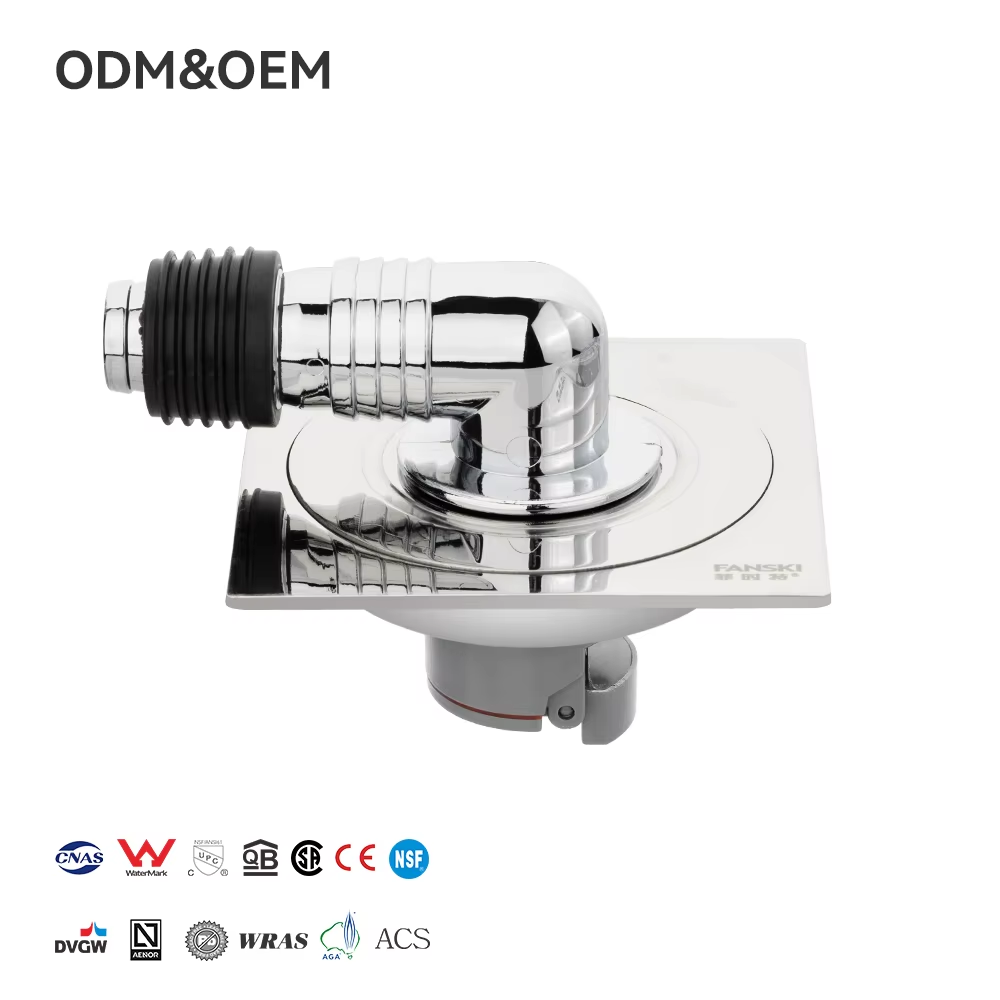
Nowoczesne konstrukcje odpływów podłogowych zawierają zabezpieczenia hydrauliczne tworzące uszczelnienie wodne, które zapobiega przedostawaniu się gazów kanalizacyjnych do pomieszczeń użytkowanych – funkcja kluczowa dla utrzymania jakości powietrza wewnątrz budynku oraz komfortu użytkowników. Stabilność wymiarowa stali nierdzewnej oraz precyzyjne tolerancje produkcyjne umożliwiają projektowanie zabezpieczeń hydraulicznych o niezawodnej skuteczności uszczelniającej, zachowującej swoja integralność nawet w warunkach cyklicznego rozszerzania i kurczenia się spowodowanych zmianami temperatury. Niski współczynnik rozszerzalności cieplnej stali nierdzewnej w porównaniu do tworzyw sztucznych oznacza, że luz uszczelniający pozostaje stały w całym zakresie temperatur roboczych typowym dla środowisk łazienkowych, zapobiegając zarówno awariom uszczelnienia, które dopuściłyby wprowadzanie zapachów, jak i nadmiernemu tarciu, które mogłoby zakłócać napełnianie zabezpieczenia hydraulicznego lub przepływ odpływu.
Długa trwałość elementów stalowych odpływów podłogowych zapewnia, że wydajność zaczepu hydraulicznego pozostaje stała przez dziesięciolecia eksploatacji, podczas gdy materiały alternatywne mogą ulec odkształceniom, pęknięciom lub degradacji, co wpływa negatywnie na integralność zaczepu i wymaga wcześniejszej wymiany. Ta niezawodność staje się szczególnie cenna w instalacjach, w których dostęp do odpływu w celu konserwacji jest utrudniony lub zakłócający, np. pod stałymi podłożami prysznicowymi lub w budynkach wielopiętrowych, gdzie modyfikacja przewodów odpływowych wpływałaby na wiele poziomów. Zaufanie do tego, że prawidłowo zamontowany stalowy odpływ podłogowy będzie nadal skutecznie zapobiegał przedostawaniu się zapachów bez konieczności interwencji, stanowi istotną wartość dla właścicieli nieruchomości, którzy są zainteresowani długoterminową niezawodnością eksploatacyjną oraz zadowoleniem użytkowników.
Obsługa zanieczyszczeń i dostępność do konserwacji
Praktyczna wydajność odprowadzania wody zależy nie tylko od przepustowości hydraulicznej, ale także od zdolności systemu do usuwania zanieczyszczeń przy jednoczesnej zapewnieniu łatwego dostępu do rutynowej konserwacji. Konstrukcje krat stalowych nierdzewnych mogą zawierać drobne otwory, które skutecznie zatrzymują włosy, cząstki mydła oraz inne zanieczyszczenia przed ich wpłynięciem do systemu odprowadzania, zapewniając przy tym wystarczającą powierzchnię otwartą do przepływu wody. Wytrzymałość materiału pozwala na zastosowanie stosunkowo cienkich elementów konstrukcyjnych krat, co maksymalizuje stosunek powierzchni otwartej do powierzchni materiału stałego, optymalizując jednocześnie skuteczność filtrowania i przepustowość przepływu w ramach danego wymiaru odpływu. Uzyskanie takiego równowagi jest trudne przy użyciu słabszych materiałów, które wymagają grubszych elementów konstrukcyjnych w celu zapewnienia odpowiedniej nośności obciążeniowej, co prowadzi do zmniejszenia skutecznej powierzchni odpływu.
Gdy konieczna jest interwencja serwisowa w celu usunięcia nagromadzonego brudu lub rozwiązania problemów z odpływem, konstrukcje stalowych ociekaczy podłogowych ułatwiają łatwiejszy dostęp i obsługę. Odporność materiału na korozję oznacza, że elementy zaciskowe, gwinty oraz powierzchnie stykowe pozostają funkcjonalne nawet po latach narażenia na wilgoć i środki czyszczące – w przeciwieństwie do mosiądzu lub powłokowych alternatyw, gdzie korozja galwaniczna lub degradacja powłoki mogą spowodować zaklinowanie lub uszkodzenie elementów podczas próby ich demontażu. Ta łatwość obsługi przekłada się na niższe koszty serwisu, krótszy czas przestoju podczas napraw oraz większą prawdopodobieństwo rzeczywistego wykonania konserwacji zapobiegawczej zamiast jej odroczenia z powodu przewidywanych trudności. W ciągu dziesięcioletniej, a nawet dłuższej eksploatacji prawidłowo dobranego ociekacza podłogowego te korzyści serwisowe kumulują się, generując znaczne oszczędności operacyjne oraz zapewniając stałą niezawodność działania.
Rozważania ekonomiczne i wartość cyklu życia
Analiza kosztów początkowych w porównaniu z kosztami długoterminowymi
Chociaż odpływy podłogowe ze stali nierdzewnej zazwyczaj mają wyższą początkową cenę zakupu w porównaniu do alternatyw wykonanych z tworzywa sztucznego lub metalu z powłoką, kompleksowa analiza kosztów cyklu życia jednoznacznie wykazuje wyższą wartość ekonomiczną opcji ze stali nierdzewnej. Długotrwała żywotność odpływów ze stali nierdzewnej — często przekraczająca trzydzieści lat w typowych zastosowaniach łazienkowych — znacząco obniża roczny koszt użytkowania tego elementu, gdy obliczany jest on w całym okresie jego eksploatacji. Koszty wymiany obejmują nie tylko cenę nowego elementu, ale także koszty robocizny związanych z demontażem i montażem, potencjalne uszkodzenia otaczających wykończeń oraz zakłócenia w użytkowaniu pomieszczenia w trakcie prac — czynniki te mogą przekroczyć sam koszt elementu nawet kilkukrotnie. Eliminując lub znacznie odwijając konieczność takich wymian, odpływy podłogowe ze stali nierdzewnej generują korzyści ekonomiczne znacznie przewyższające dodatkowe początkowe inwestycje.
Ta przewaga ekonomiczna staje się jeszcze bardziej widoczna w zastosowaniach komercyjnych, gdzie ciągłość działania ma bezpośredni wpływ na przychody. Hotele nie mogą sobie pozwolić na awarie łazienek w okresach maksymalnego wykorzystania pokoi, placówki opieki zdrowotnej wymagają nieprzerwanego funkcjonowania infrastruktury sanitarniej, a w środowisku przemysłowym niezawodny odpływ jest kluczowy zarówno dla przebiegu procesów technologicznych, jak i zgodności z przepisami. Przewidywalna wydajność oraz wydłużone interwały serwisowe związane z ocynkowanymi kanałami odpływowymi ze stali nierdzewnej zmniejszają zarówno zapotrzebowanie na konserwację zaplanowaną, jak i liczbę nagłych napraw, co przekłada się na niższe koszty zarządzania obiektami oraz poprawę przewidywalności działania. Modele finansowe uwzględniające te czynniki — w tym koszty pracy serwisowej, częstotliwość wymiany urządzeń, koszty zakłóceń działalności operacyjnej oraz ryzyko przedwczesnego uszkodzenia — systematycznie wskazują na korzyści płynące z zastosowania kanałów odpływowych ze stali nierdzewnej, nawet w przypadku ograniczonych początkowych budżetów inwestycyjnych.
Zmniejszone wymagania serwisowe oraz związane z nimi oszczędności
Właściwości stali nierdzewnej w odnośniku do odpływów podłogowych bezpośrednio przekładają się na mniejszą częstotliwość i złożoność konserwacji w porównaniu z innymi materiałami. Odporność na korozję, zapobiegająca powstawaniu rdzy i degradacji materiału, eliminuje konieczność okresowego odświeżania wykończenia, ponownego nanoszenia powłok lub stosowania środków ochronnych, które inne materiały odpływów podłogowych mogą wymagać w celu zachowania ich wyglądu i funkcjonalności. Higieniczne cechy powierzchni ograniczają tworzenie się warstwy biofilmu oraz związane z nim zapachy, co zmniejsza częstotliwość głębokiej czystki niezbędną do utrzymania akceptowanych standardów sanitarnej czystości. Te obniżenia nakładów konserwacyjnych kumulują się w czasie, generując istotne oszczędności kosztów pracy, szczególnie w obiektach wyposażonych w dużą liczbę punktów odpływu, gdzie czas obsługi jednostkowej pomnaża się przez całkowitą liczbę zainstalowanych odpływów.
Dodatkowo protokoły czyszczenia stosowane w przypadku odpływów podłogowych ze stali nierdzewnej są zgodne ze standardowymi procedurami dezynfekcji łazienek, co eliminuje konieczność stosowania specjalistycznych środków, technik lub środków ostrożności wymaganych przez materiały wrażliwe na określone chemikalia lub metody czyszczenia. Personel konserwacyjny może stosować te same środki dezynfekcyjne, odtłuszczacze oraz narzędzia mechaniczne do czyszczenia wykorzystywane w całym środowisku łazienkowym, nie obawiając się uszkodzenia odpływu podłogowego ani unieważnienia gwarancji w wyniku zastosowania niekompatybilnych metod obróbki. Ta prostota proceduralna zmniejsza wymagania szkoleniowe, eliminuje problemy związane z zapasami produktów konserwacyjnych przeznaczonych wyłącznie dla konkretnych materiałów oraz ogranicza ryzyko przypadkowego uszkodzenia spowodowanego nieodpowiednimi metodami czyszczenia. W trakcie całego okresu eksploatacji obiektu te pozornie drobne oszczędności kumulują się w istotne redukcje kosztów i uproszczenie operacyjne, które zwiększają ogólną skuteczność zarządzania obiektem.
Wartość nieruchomości i ochrona inwestycji
Wysokiej jakości wyposażenie łazienek, w tym odpowiednio dobrane odpływy podłogowe, przyczynia się do ogólnej wartości nieruchomości oraz postrzegania rynkowego zarówno w kontekście nieruchomości mieszkaniowych, jak i komercyjnych. Odpływy podłogowe ze stali nierdzewnej sygnalizują dbanie o jakość, trwałość oraz długoterminowe myślenie – cechy, które odnoszą się do oceniających nieruchomość osób, potencjalnych nabywców oraz najemców, którzy rozumieją, że takie wybory wskazują na szersze zaangażowanie w zapewnienie wysokiej jakości budynku. W transakcjach dotyczących nieruchomości komercyjnych inspekcje budynków ujawniające wysokiej jakości armaturę sanitarną, w tym odpływy podłogowe ze stali nierdzewnej, zmniejszają obawy nabywców dotyczące odłożonego konserwowania, ukrytych wad lub nadchodzących potrzeb wymiany, które w przeciwnym razie mogłyby stanowić podstawę do negocjacji cenowych lub utworzenia rezerw na naprawy po zakończeniu transakcji.
Ten czynnik postrzegania wykracza poza konteksty transakcyjne i obejmuje także ciągłe zarządzanie renomą operacyjną. Hotele oraz obiekty z zakresem usług hotelarskich zdają sobie sprawę, że jakość łazienek ma bezpośredni wpływ na oceny satysfakcji gości oraz opinie online, przy czym wydajność odpływu i czystość są często wymieniane jako przyczyny negatywnych uwag. Odpływowe kratki podłogowe działające niezawodnie, bez wydzielania zapachów, przelewów czy widocznych oznak zużycia, przyczyniają się do pozytywnych doświadczeń użytkowników, wspierając ceny premium oraz współczynniki obsadzenia. Podobnie budynki biurowe i obiekty handlowe rozumieją, że jakość łazienek wpływa na satysfakcję najemców oraz decyzje o przedłużeniu umów najmu. Dodatkowe inwestycje w odpływowe kratki podłogowe ze stali nierdzewnej stanowią ubezpieczenie przed szkodami dla renomy oraz zakłóceniami operacyjnymi, które mogłyby wyniknąć z awarii systemu odpływowego – wybór tego typu specyfikacji należy więc traktować jako strategiczne zarządzanie ryzykiem, a nie jedynie jako decyzję dotyczącą materiału.
Integracja estetyczna i elastyczność projektowa
Zgodność wizualna z nowoczesnymi trendami projektowymi
Współczesne projekty łazienek coraz częściej opierają się na estetyce minimalizmu, czystych liniach oraz autentyczności materiałów – cechy te naturalnie korespondują z wizualnymi charakterystykami ocynkowanych odpływów podłogowych ze stali nierdzewnej. Neutralny metaliczny wykończenie dobrze komponuje się z różnorodnymi paletami kolorów, wyborami płytek oraz powłokami armatury, nie wprowadzając dyskomfortu wizualnego ani przestarzałych odniesień stylistycznych, które charakteryzują bardziej ozdobne lub ograniczone pod względem wykończenia alternatywy. Ta wszechstranność projektowa pozwala architektom i projektantom wnętrz na bezpieczne dobieranie ocynkowanych odpływów podłogowych ze stali nierdzewnej, zapewniając, że wybór ten będzie harmonizował z różnorodnymi kierunkami estetycznymi – od inspirowanych przemysłem przestrzeni komercyjnych po eleganckie łazienki mieszkalne wyposażone w naturalny kamień i nowoczesną armaturę.
Wrodzona odbijalność i subtelny połysk materiału dodają wrażenia wizualnego zainteresowania bez przytłaczania otaczających elementów projektowych, tworząc punkty akcentowe, które są odczytywane jako celowe decyzje projektowe, a nie jedynie uciążliwe konieczności użytkowe. Nowoczesne wzory krat do odpływów podłogowych — od liniowych szczelin po geometryczne perforacje — przekształcają elementy funkcjonalne w cechy projektowe, które przyczyniają się do ogólnej kompozycji przestrzeni. Ten wkład estetyczny okazuje się szczególnie wartościowy w aplikacjach mieszkalnych wysokiej klasy oraz w środowiskach hotelowych i gastronomicznych, gdzie każdy widoczny element poddawany jest szczegółowej analizie projektowej i musi wspierać zamierzony nastrój przestrzeni. Dostępność różnych wykończeń ze stali nierdzewnej — od polerowania lustrzanego po struktury matowe (szczotkowane lub piaskowane) — daje dodatkową elastyczność projektową, umożliwiając dopasowanie specyfikacji krat do kranów, urządzeń prysznicowych oraz innych elementów wyposażenia, co zapewnia spójność wizualną w całym wnętrzu łazienki.
Możliwości personalizacji i opcje specyfikacji
Właściwości technologiczne stali nierdzewnej umożliwiają szerokie możliwości dostosowania, dzięki czemu specyfikacje odpływów podłogowych mogą spełniać wymagania konkretnego projektu bez utraty zalet materiałowych. Techniki wytwarzania, takie jak cięcie laserem, precyzyjne tłoczenie oraz frezowanie CNC, ułatwiają tworzenie niestandardowych wzorów krat, dopasowanie wymiarów korpusu odpływu oraz konfiguracji wyjść zgodnie z konkretnymi warunkami montażu lub zamierzeniami projektowymi. Ta możliwość dostosowywania okazuje się nieoceniona w przypadkach, gdy produkty standardowe nie są w stanie spełnić wymagań wynikających z nietypowej konstrukcji podłogi, określonych potrzeb dotyczących wydajności odpływu lub szczegółów architektonicznych wymagających rozwiązań niestandardowych. Przetwarzalność materiału pozwala na zachowanie tych samych cech odporności na korozję, wytrzymałości i trwałości w przypadku niestandardowych wyrobów co w produktach standardowych, zapewniając, że elastyczność w zakresie specyfikacji nie wiąże się z kompromisami w zakresie wydajności.
Ponad dostosowanie wymiarowe, odpływowe kratki podłogowe ze stali nierdzewnej umożliwiają także funkcjonalne modyfikacje, w tym wiele konfiguracji otworów dopływowych dla instalacji odbierających odpływ z wielu kierunków, wbudowane zabezpieczenia przed przelewem służące do kontroli powodzi, oraz specjalistyczne konstrukcje syfonów spełniające określone wymagania dotyczące zapobiegania wydostawaniu się zapachów lub zapewnienia wysokiej wydajności odpływu. Ta elastyczność w zakresie specyfikacji pozwala na opracowanie optymalnych rozwiązań dla różnorodnych zastosowań – od domowych kabinek prysznicowych po komercyjne kuchnie, sale operacyjne szpitali oraz obszary przemysłowe związane z procesami technologicznymi. Możliwość dokładnego określenia konfiguracji odpływowej kratki podłogowej najlepiej dopasowanej do każdego indywidualnego zastosowania zapewnia optymalną wydajność działania, zachowując przy tym zalety materiału, które uzasadniają wybór stali nierdzewnej w tych różnorodnych kontekstach. To połączenie możliwości dostosowania i spójnej wydajności materiału czyni stal nierdzewną wyjątkowo odpowiednim wyborem do spełniania zróżnicowanych wymagań stawianych współczesnym projektom i budowie łazienek.
Trwałość wykończenia i długotrwałe zachowanie wyglądu
Wartość estetyczna stalowych odpływów podłogowych wykracza poza ich pierwotny wygląd, obejmując stałą jakość wizualną przez dziesięciolecia użytkowania. W przeciwieństwie do powłok lakierowanych lub metalizowanych, które stopniowo zużywają się pod wpływem ruchu i czyszczenia, ujawniając materiał podłoża oraz powodując nieestetyczną degradację wyglądu, stal nierdzewna zapewnia spójny wygląd na całej głębokości materiału. Zarysowania lub zmatowienia powierzchni wpływają jedynie na mikroskopową głębokość materiału i często zlewają się z ogólną teksturą wykończenia, zamiast stanowić wyraźne wady. Ta trwałość wyglądu gwarantuje, że łazienki zachowują integralność projektową i jakość wizualną bez konieczności wymiany lub odświeżania odpływów podłogowych w celu wyeliminowania uszkodzeń estetycznych, które mogłyby w przeciwnym razie naruszyć ogólną estetykę przestrzeni.
Naturalne cechy starzenia się stali nierdzewnej przyczyniają się do jej estetycznej trwałości, ponieważ materiał ten tworzy subtelny patynę, która w większości kontekstów projektowych jest odczytywana jako cecha charakteru, a nie jako degradacja. To eleganckie starzenie okazuje się szczególnie zgodne z filozofiami projektowymi podkreślanymi autentyczność, materialność oraz szczere wyrażanie funkcji poszczególnych elementów. Kontrast ze współbranżowymi materiałami, które wykazują widoczne zużycie, przebarwienia lub degradację powierzchni wraz z upływem czasu, podkreśla wyjątkową zdolność stali nierdzewnej do zachowywania godnego wyglądu przez długie okresy eksploatacji. Dla właścicieli nieruchomości i menedżerów obiektów, którzy są zainteresowani utrzymaniem standardów wizualnych bez konieczności częstych cykli remontowych, taka stabilność wyglądu stanowi istotną wartość wspierającą zarówno cele ekonomiczne, jak i aspiracje dotyczące jakości projektu.
Uwagi dotyczące montażu i właściwości techniczne
Zgodność z nowoczesnymi metodami budowlanymi
Współczesne praktyki budowlane coraz częściej wykorzystują prefabrykację, montaż modułowy oraz przyspieszone harmonogramy instalacji, co wymaga elementów budowlanych zdolnych do integracji z tymi efektywnymi metodami. Odpływowe kratki podłogowe ze stali nierdzewnej odpowiadają tym trendom budowlanym dzięki spójności wymiarowej, przewidywalnym wymogom montażu oraz zgodności z różnorodnymi materiałami podłoża i systemami izolacji wodnej. Stabilność materiału w trakcie magazynowania i transportu eliminuje obawy dotyczące uszkodzeń lub degradacji między produkcją a montażem, które mogą dotyczyć elementów wykonanych z tworzyw sztucznych lub powłokowych produktów wrażliwych na uderzenia lub oddziaływanie czynników środowiskowych. Ta niezawodność upraszcza logistykę budowlaną, zmniejsza opóźnienia montażowe wynikające z uszkodzonych lub wadliwych elementów oraz wspiera praktykę dostaw just-in-time, minimalizującą zapotrzebowanie na miejsca składowania na budowie.
Proces instalacji odpływów podłogowych ze stali nierdzewnej korzysta z ugruntowanych praktyk branżowych oraz łatwo dostępnych metod połączeń zgodnych ze standardowymi materiałami instalacyjnymi, w tym systemami odpływowymi z PVC, ABS, miedzi i PEX. Producentowie projektują obudowy odpływów podłogowych z uniwersalnymi konfiguracjami wyjść, umożliwiając dopasowanie do różnych materiałów rur i technik połączeń, co pozwala instalatorom na stosowanie znanych im metod bez konieczności specjalistycznego szkolenia lub narzędzi dedykowanych wyłącznie do montażu odpływów podłogowych. Ta prostota instalacji redukuje koszty robocizny, zmniejsza prawdopodobieństwo błędów montażowych, które mogłyby zagrozić funkcjonalnością urządzenia, oraz ułatwia zapewnienie jakości poprzez metody wizualnej kontroli, z którymi są dobrze obeznani inspektorzy instalacji sanitarnej oraz kierownicy projektów. Osiągnięta w ten sposób skuteczność instalacji przyczynia się do zachowania harmonogramu realizacji całego projektu i kontroli budżetu, a jednocześnie zapewnia odpowiednią podstawę dla dziesięcioleci niezawodnego działania systemu odpływowego.
Integracja izolacji przeciwwodnej i zapobieganie przeciekom
Skuteczne zarządzanie wilgocią w budowie łazienki zależy krytycznie od bezszwowej integracji między zespołem odpływu podłogowego a otaczającymi systemami izolacji przeciwwodnej. Odpływy podłogowe ze stali nierdzewnej ułatwiają tę integrację dzięki cechom konstrukcyjnym, takim jak wbudowane otwory odpływowe (weep holes), kołnierze zaciskowe do mocowania membran oraz kołnierze klejące kompatybilne z płynnymi materiałami izolacyjnymi. Stabilność wymiarowa materiału zapewnia, że te połączenia izolacji przeciwwodnej zachowują swoja integralność, gdy konstrukcja budynku podlega normalnemu osiadaniu, ruchom termicznym oraz zmianom obciążeń, które mogłyby naruszyć połączenia wykonywane z materiałów o innych charakterystykach rozszerzalności lub niewystarczającej sztywności. Ta niezawodność izolacji przeciwwodnej zapobiega ukrytemu przedostawaniu się wilgoci, które mogłoby spowodować uszkodzenia konstrukcyjne, rozwój grzybów lub degradację wykończeń w pomieszczeniach znajdujących się poniżej lub obok instalacji łazienkowej.
Zgodność stali nierdzewnej z różnorodnymi systemami izolacji przeciwwilgociowymi — w tym membranami arkuszowymi, powłokami nanoszanymi cieczowo oraz układami gorąco nakładanymi — zapewnia elastyczność w zakresie specyfikacji, umożliwiając dobór optymalnej metody izolacji przeciwwilgociowej na podstawie warunków charakterystycznych dla danego projektu, a nie ograniczeń wynikających z materiału stosowanego w odpływach podłogowych. Ta wszechstranność okazuje się szczególnie przydatna w pracach remontowych, gdzie istniejące warunki mogą narzucać określone podejścia do izolacji przeciwwilgociowej, jak również w instalacjach specjalnych, takich jak pokoje parowe, w których zwiększone wymagania dotyczące ochrony przed wilgocią wymagają skutecznych i trwało działających rozwiązań izolacyjnych. Zaufanie, że element odpływu podłogowego bezproblemowo połączy się z wybranym systemem izolacji przeciwwilgociowej, eliminuje istotny czynnik ryzyka w budowie łazienek, wspierając długotrwałą integralność obudowy budynku oraz komfort użytkowników, a jednocześnie chroniąc właścicieli nieruchomości przed ryzykiem odpowiedzialności związanych z uszkodzeniami spowodowanymi wilgocią.
Zgodność z przepisami i rozważania regulacyjne
Kodeksy budowlane i przepisy sanitarne ustalają minimalne standardy wydajnościowe dla urządzeń odpływowych, w tym specyfikacje materiałów, wymagania dotyczące przepustowości oraz przepisy dotyczące uszczelnień syfonów, mające na celu ochronę zdrowia publicznego i integralności budynku. Stal nierdzewna stosowana w odpływach podłogowych łatwo spełnia te wymagania regulacyjne dzięki własnym właściwościom materiałowym i cechom konstrukcyjnym, które odpowiadają celom określonym w przepisach. Odporność na korozję oraz trwałość konstrukcyjna stali nierdzewnej zapewniają długotrwałą zgodność z przepisami mającymi na celu zapobieganie zużyciu urządzeń, które mogłoby zagrozić higienie lub bezpieczeństwu konstrukcyjnemu. Dokładne możliwości produkcyjne związane z obróbką stali nierdzewnej umożliwiają uzyskiwanie z dużą powtarzalnością wymaganych tolerancji wymiarowych oraz spełnianie specyfikacji hydraulicznych, do których odnoszą się przepisy jako do minimalnych dopuszczalnych standardów.
Dodatkowo, sprawdzona w praktyce stosowanie stali nierdzewnej w zastosowaniach sanitarно-wodociągowych zapewnia urzędnikom ds. nadzoru budowlanego oraz inspektorom pewność co do odpowiedniości materiału, co zmniejsza trudności związane z jego zatwierdzeniem i wyzwania wynikające z kontroli, jakie mogłyby pojawić się przy nowatorskich materiałach pozbawionych udokumentowanej historii działania. Ta akceptacja regulacyjna upraszcza procesy uzgadniania projektów, ułatwia uzyskiwanie zezwoleń na przeprowadzenie kontroli i ogranicza ryzyko projektowe związane z sporami interpretacyjnymi przepisów lub koniecznością wprowadzania modyfikacji w celu zapewnienia zgodności z wymaganiami. W przypadku obiektów komercyjnych, w których dokumentacja zgodności z przepisami stanowi podstawę do wydania pozwolenia na użytkowanie oraz certyfikatu zgodności z przepisami budowlanymi, przejrzysty profil zgodności ze standardami stali nierdzewnej w odnośniku do odpływów podłogowych eliminuje potencjalne opóźnienia krytyczne w harmonogramie realizacji. Ta prostota regulacyjna, połączona z zaletami eksploatacyjnymi materiału, wzmacnia uzasadnienie wyboru stali nierdzewnej jako materiału do zastosowań, w których zgodność z przepisami oraz niezawodność działania są warunkami bezwzględnie niezbędnymi.
Często zadawane pytania
Jak długo trwają typically odpływy podłogowe ze stali nierdzewnej w porównaniu z innymi materiałami?
Odpływy podłogowe ze stali nierdzewnej osiągają w typowych zastosowaniach łazienkowych czas użytkowania przekraczający trzydzieści lat, co znacznie przewyższa odpływy z tworzyw sztucznych, które mogą wymagać wymiany już po dziesięciu do piętnastu latach, oraz powlekane metalowe opcje, które często ulegają degradacji w ciągu piętnastu do dwudziestu lat. Odporność na korozję charakterystyczna dla stali nierdzewnej zapobiega powstawaniu rdzy, degradacji materiału oraz uszkodzeniom powłoki, które ograniczają trwałość innych materiałów. Poprawnie zamontowane odpływy podłogowe ze stali nierdzewnej pozostają zazwyczaj funkcjonalne przez cały okres eksploatacji budynku, eliminując koszty wymiany oraz związane z nią zakłócenia. Ta zwiększona wytrzymałość przekłada się na niższe koszty całkowitego cyklu życia oraz mniejszy wpływ na środowisko poprzez ograniczenie zużycia materiałów i generowania odpadów w trakcie okresu użytkowania budynku.
Czy stalowe odpływy podłogowe ze stali nierdzewnej mogą być stosowane zarówno w łazienkach mieszkalnych, jak i komercyjnych?
Stalowe odpływy podłogowe zapewniają skuteczną pracę w całym zakresie zastosowań łazienkowych – od instalacji prysznicowych w budynkach mieszkalnych po intensywnie użytkowane obiekty komercyjne, takie jak hotele, szpitale, centra fitness oraz toalety publiczne. Połączenie trwałości, właściwości higienicznych i estetycznej uniwersalności materiału czyni je odpowiednimi do zróżnicowanych intensywności użytkowania oraz procedur konserwacji. W zastosowaniach mieszkaniowych korzysta się z długiej trwałości eksploatacyjnej i minimalnych wymagań serwisowych, podczas gdy w obiektach komercyjnych cenione jest ich zdolność do wytrzymywania intensywnych procedur czyszczenia oraz dużego natężenia użytkowania bez utraty właściwości eksploatacyjnych. Dostosowania specyfikacji – takie jak wielkość odpływu, kształt kratki oraz przepustowość – pozwalają na dopasowanie do różnych objętości odpływu i warunków obciążenia występujących w poszczególnych typach zastosowań; podstawowe zalety materiału – czyli stali nierdzewnej – pozostają jednak niezmienne we wszystkich tych zastosowaniach.
Czy w produkcji odpływów podłogowych stosuje się różne gatunki stali nierdzewnej i czy ma znaczenie, który z nich zostanie określony?
Producenci odpływów podłogowych wykorzystują głównie dwa gatunki stali nierdzewnej: 304 i 316; wybór zależy od warunków zastosowania oraz wymagań dotyczących wydajności. Stal nierdzewna gatunku 304 zapewnia doskonałą odporność na korozję w typowych wnętrzach łazienkowych i stanowi standardowy wybór w większości aplikacji mieszkaniowych i komercyjnych. Stal nierdzewna gatunku 316 zawiera dodatek molibdenu, który znacznie zwiększa odporność na korozję wywoływaną chlorkami, co czyni ją preferowaną w lokalizacjach nadmorskich, w okolicach basenów lub przy instalacjach narażonych na oddziaływanie warunków słonawych. Oba gatunki zapewniają znacznie lepszą wydajność niż materiały alternatywne, jednak zastosowanie stali nierdzewnej gatunku 316 w wymagających środowiskach zapewnia dodatkową gwarancję trwałości. Wiarygodni producenci wyraźnie identyfikują gatunek stali nierdzewnej stosowany w swoich produktach, umożliwiając podejmowanie świadomych decyzji projektowych na podstawie konkretnych warunków ekspozycji danego obiektu.
Jakie procedury konserwacji są zalecane, aby utrzymać odpływy podłogowe ze stali nierdzewnej w optymalnym stanie funkcjonowania?
Odpływy podłogowe ze stali nierdzewnej wymagają minimalnego utrzymania poza rutynowym czyszczeniem w celu usunięcia zanieczyszczeń i resztek mydła, które mogą utrudniać przepływ odpływu. Regularne usuwanie włosów i nagromadzonych zanieczyszczeń z kratki zapobiega zapychaniu się odpływu oraz utrzymuje jego wydajność hydrauliczną. Okresowe przemywanie wodą zapewnia zachowanie uszczelnienia syfonu i zapobiega wyschnięciu syfonu, co mogłoby doprowadzić do przedostawania się gazów kanalizacyjnych. Powierzchnie ze stali nierdzewnej wytrzymują standardowe środki czyszczące stosowane w łazienkach, w tym dezynfekty zawierające chlor, dzięki czemu odpływ podłogowy można czyścić w ramach regularnych procedur dezynfekcji łazienki bez konieczności stosowania specjalistycznych środków lub technik. W zastosowaniach komercyjnych kwartalna kontrola elementów odpływu oraz coroczne gruntowne czyszczenie zespołów syfonów stanowią rozsądną konserwację zapobiegawczą, która zapewnia optymalną wydajność urządzenia. W przeciwieństwie do innych materiałów odpływy podłogowe ze stali nierdzewnej nie wymagają ponownego nanoszenia powłok ochronnych, leczenia rdzy ani okresowej wymiany zużytych elementów, co znacznie zmniejsza długoterminowy nakład pracy związany z ich utrzymaniem oraz powiązane z tym koszty.
Spis treści
- Właściwości materiału definiujące wysoką wydajność
- Zalety funkcjonalne w zakresie wydajności odpływu
- Rozważania ekonomiczne i wartość cyklu życia
- Integracja estetyczna i elastyczność projektowa
- Uwagi dotyczące montażu i właściwości techniczne
-
Często zadawane pytania
- Jak długo trwają typically odpływy podłogowe ze stali nierdzewnej w porównaniu z innymi materiałami?
- Czy stalowe odpływy podłogowe ze stali nierdzewnej mogą być stosowane zarówno w łazienkach mieszkalnych, jak i komercyjnych?
- Czy w produkcji odpływów podłogowych stosuje się różne gatunki stali nierdzewnej i czy ma znaczenie, który z nich zostanie określony?
- Jakie procedury konserwacji są zalecane, aby utrzymać odpływy podłogowe ze stali nierdzewnej w optymalnym stanie funkcjonowania?