
 EN
EN
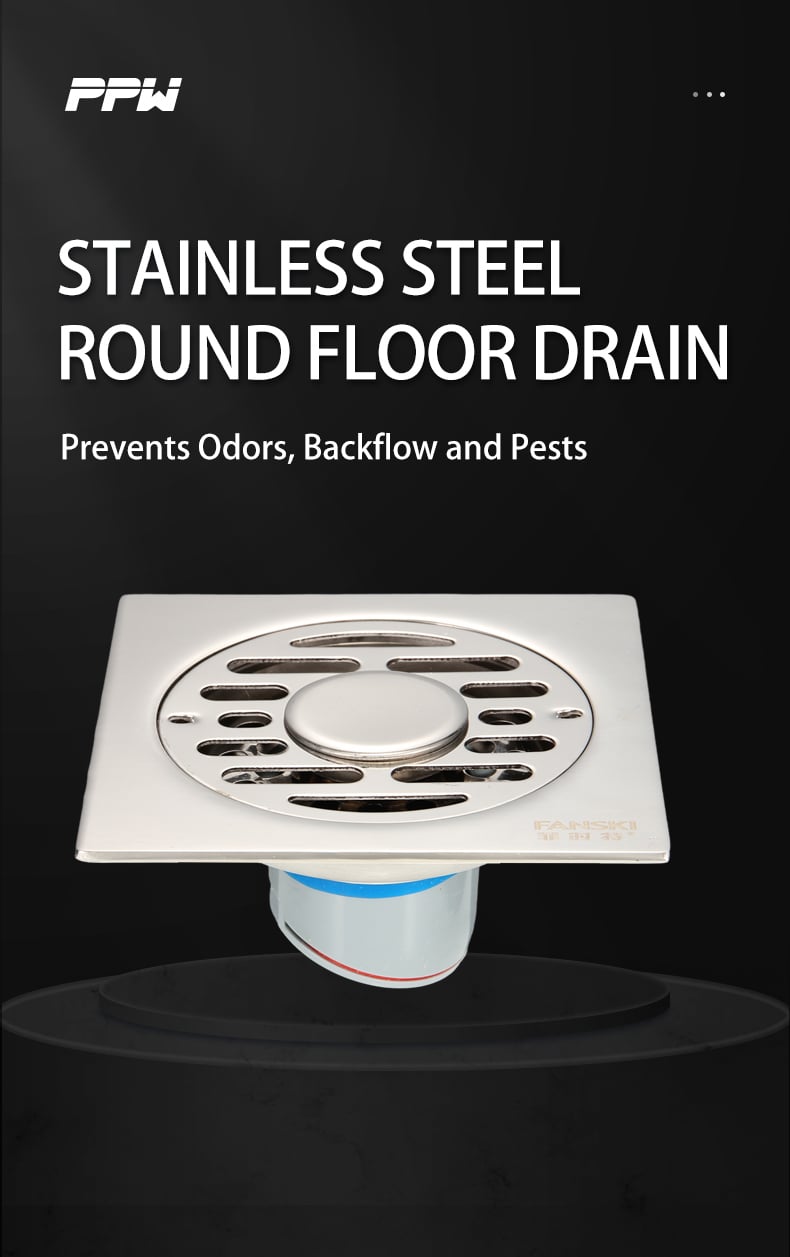
A floor drain serves as a critical component in any bathroom, kitchen, or commercial space, yet many property managers and homeowners overlook its importance until problems arise. When a floor drain fails to perform correctly, unpleasant odors permeate through the building, and backflow incidents can contaminate clean water supplies with wastewater. Understanding how a high-quality floor drain prevents these issues is essential for maintaining a hygienic, functional environment. The design, materials, and installation of a floor drain directly determine whether it will protect your property or become a source of costly repairs and health hazards.
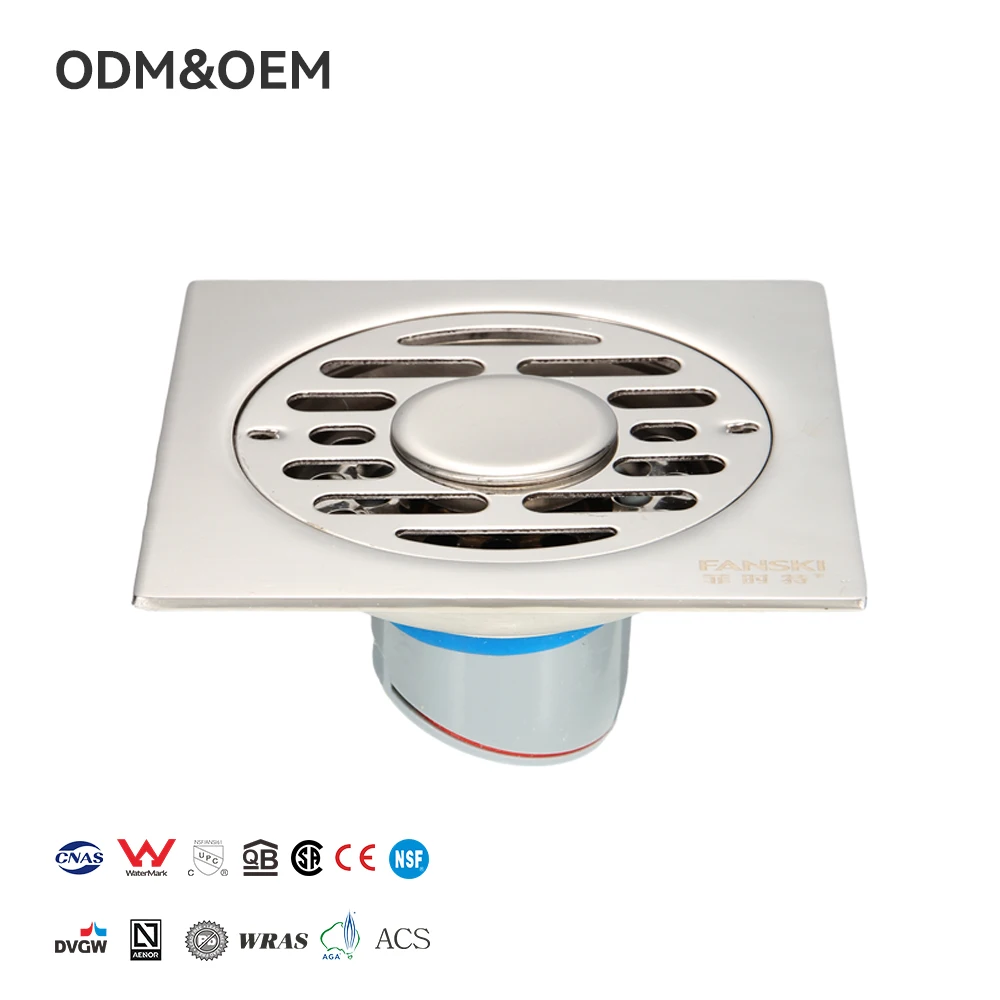
Modern floor drain technology has evolved significantly to address the common failures that plague older installations. A properly engineered floor drain incorporates multiple layers of protection—from advanced trap seals to anti-backflow valves—that work together to eliminate odors at their source and prevent contamination from reverse flow. This article explores the specific mechanisms that make a high-quality floor drain effective, the components that distinguish premium models from standard ones, and practical guidance for selecting and maintaining the right floor drain solution for your facility.
How Floor Drain Trap Seals Eliminate Odor Problems
Understanding the Water Seal Mechanism
The trap seal is the primary defense mechanism in any floor drain against odor intrusion. A floor drain features a curved section of pipe that holds standing water, creating a barrier between the drainage system below and the air space above. This water barrier prevents sewer gases, decomposing organic matter, and bacterial byproducts from rising through the floor drain opening into the occupied space. When a floor drain is properly installed with adequate water depth in the trap, this simple yet effective design blocks virtually all odor transmission from the wastewater line.
However, a standard floor drain can lose its seal in several ways. Evaporation in dry climates or heated buildings can deplete the trap water over time, leaving a floor drain vulnerable to gas penetration. Low water pressure or infrequent use can also reduce the effectiveness of the seal. A high-quality floor drain addresses these vulnerabilities by incorporating deeper trap sections, anti-evaporation features, and materials that resist drying. Some premium floor drain models include self-sealing or primer-based designs that automatically maintain the water barrier even during prolonged periods of inactivity.
Advanced Seal Retention Features
A modern floor drain designed for odor prevention often includes a primary seal combined with a secondary backup seal. This redundant design ensures that even if the main water barrier becomes compromised, the floor drain maintains protection through a secondary barrier. Premium floor drain products use stainless steel or specialty composite materials for the trap body, which resist corrosion and degradation that could otherwise compromise seal integrity. The floor drain grating or strainer basket can also be engineered to minimize air gaps, ensuring that the floor drain functions as a unified, airtight system that prevents odor escape.
Backflow Prevention Through Anti-Backflow Valve Technology
How Anti-Backflow Valves Work
Backflow occurs when wastewater or contaminated water flows backward into a building's clean water supply or living space, typically triggered by pressure imbalances in the municipal drainage system or sewer line blockages. A floor drain equipped with an integrated anti-backflow valve uses a one-way mechanical design that allows wastewater to exit but prevents it from returning. When water flows outward through the floor drain, the valve opens freely, maintaining normal drainage. Should pressure reverse due to a sewage backup or blockage, the valve automatically closes, physically blocking the contaminated water from entering the building through the floor drain.
The effectiveness of this floor drain protection depends on valve quality and design precision. High-quality floor drain models use precision-engineered check valves with minimal friction and wear points, ensuring reliable operation over decades of use. A poorly manufactured floor drain anti-backflow valve may stick open due to mineral buildup or debris, failing silently until a backflow incident occurs. Premium floor drain systems incorporate self-cleaning features or easily accessible valve chambers that allow routine inspection and maintenance, preventing the silent failures that compromise floor drain protection.
Integration With Trap Design
The most effective floor drain combines anti-backflow valve technology with the trap seal mechanism discussed earlier. This dual-protection approach means that a floor drain provides both immediate blocking of backflow through the valve and long-term odor prevention through the trap seal. When a floor drain integrates these systems seamlessly, maintenance becomes simpler, and the floor drain performs reliably without complex external installation requirements. A floor drain with this integrated design requires no external backflow preventer installation, simplifying plumbing architecture and reducing the number of connection points where leaks or failures might occur.
Material Quality and Durability in Premium Floor Drain Systems
Stainless Steel and Corrosion-Resistant Composition
The materials used in a floor drain construction directly impact its longevity and consistent performance. A floor drain made from stainless steel resists corrosion from aggressive wastewater, chemical cleaners, and moisture exposure that would degrade standard materials over time. Stainless steel floor drain components maintain their structural integrity and seal effectiveness across decades of service, whereas cheaper alternatives may rust, deteriorate, or warp after only a few years of use. In bathroom and commercial kitchen environments where moisture and chemical exposure are constant, a stainless steel floor drain provides superior reliability and reduces the frequency of replacement cycles.
Beyond the trap body itself, all moving components within a floor drain—including valve mechanisms, fasteners, and grating—should be constructed from corrosion-resistant materials. A comprehensive floor drain design using stainless steel throughout eliminates the risk of internal rust or material breakdown that could otherwise compromise seal integrity or valve function. When selecting a floor drain for critical applications, specifying full stainless steel construction ensures that the floor drain maintains consistent performance regardless of the specific water chemistry or environmental conditions present in your facility.
Design Features That Support Long-Term Performance
A high-quality floor drain incorporates design features that facilitate cleaning, inspection, and maintenance throughout its operational life. Removable grating and accessible trap chambers allow facility staff to remove debris, verify seal water levels, and inspect internal components without requiring specialized tools or professional plumbing assistance. A floor drain designed with these maintenance access points remains reliable because regular inspection catches minor issues before they develop into major failures. Additionally, a floor drain featuring smooth internal surfaces and sloped pipe routing promotes consistent drainage and prevents debris accumulation, which extends the operational life and maintains the floor drain's protective barrier integrity.
FAQ
Can a floor drain become ineffective if not used regularly?
Yes, a floor drain can lose effectiveness through trap seal evaporation if the space remains dry for extended periods. In commercial buildings or homes with low water usage, a floor drain may experience seal loss over weeks or months, leaving it vulnerable to odor penetration. A high-quality floor drain addresses this issue through deeper trap sections that maintain adequate seal water or anti-evaporation features that slow water loss. Regular inspection and occasional water introduction—such as pouring a small amount of water down the floor drain—can restore the seal if needed. Facilities with critical floor drain applications should implement quarterly maintenance routines to verify seal integrity and prevent unexpected odor problems.
How does a floor drain prevent backflow during municipal sewer line blockages?
When a municipal sewer line becomes blocked or saturated, pressure can build backward through building drain pipes, threatening to push contaminated wastewater up through a floor drain. An integrated anti-backflow valve in the floor drain acts as a physical barrier, closing automatically when this reverse pressure occurs. This prevents contaminated water from entering the building through the floor drain while allowing normal outbound drainage. The one-way valve mechanism requires no external pump or electrical power, providing passive, always-active protection. Premium floor drain models with precision-engineered valves respond reliably to pressure changes, closing quickly and completely to prevent even minimal backflow through the floor drain.
What maintenance schedule should a floor drain follow?
A floor drain requires quarterly visual inspection to verify that the trap seal water level appears adequate and that no visible debris or mineral buildup is present. Every six months, pour a small amount of water down the floor drain to ensure trap seal integrity and check that drainage proceeds at a normal rate. If the floor drain drains slowly or backs up, professional cleaning may be necessary to remove debris or grease accumulation. Annual professional inspection is recommended for critical applications such as hotel bathrooms or commercial kitchens, where floor drain failure can disrupt operations. These preventive maintenance steps keep a floor drain performing reliably and prevent emergency situations where floor drain failure requires costly emergency repairs.