
 EN
EN
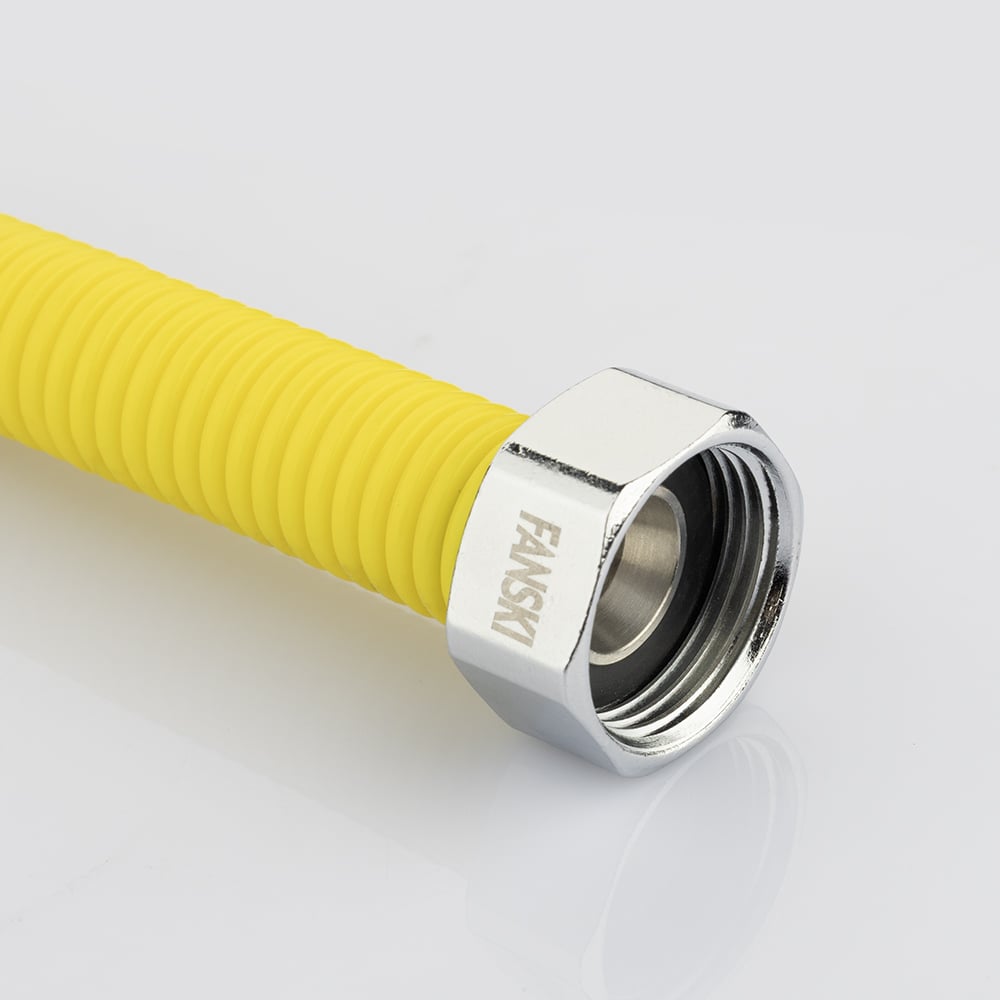
A gas hose plays a critical role in any fuel delivery system, whether for kitchen appliances, water heaters, or industrial equipment. The primary function of a gas hose is to safely and reliably transport fuel from the source to the appliance while maintaining pressure stability and preventing leaks. When a gas hose is properly designed and installed, it becomes the backbone of safe fuel transfer, protecting both equipment and occupants from hazardous situations. Understanding how a gas hose achieves this safety standard is essential for anyone responsible for fuel system maintenance or installation.
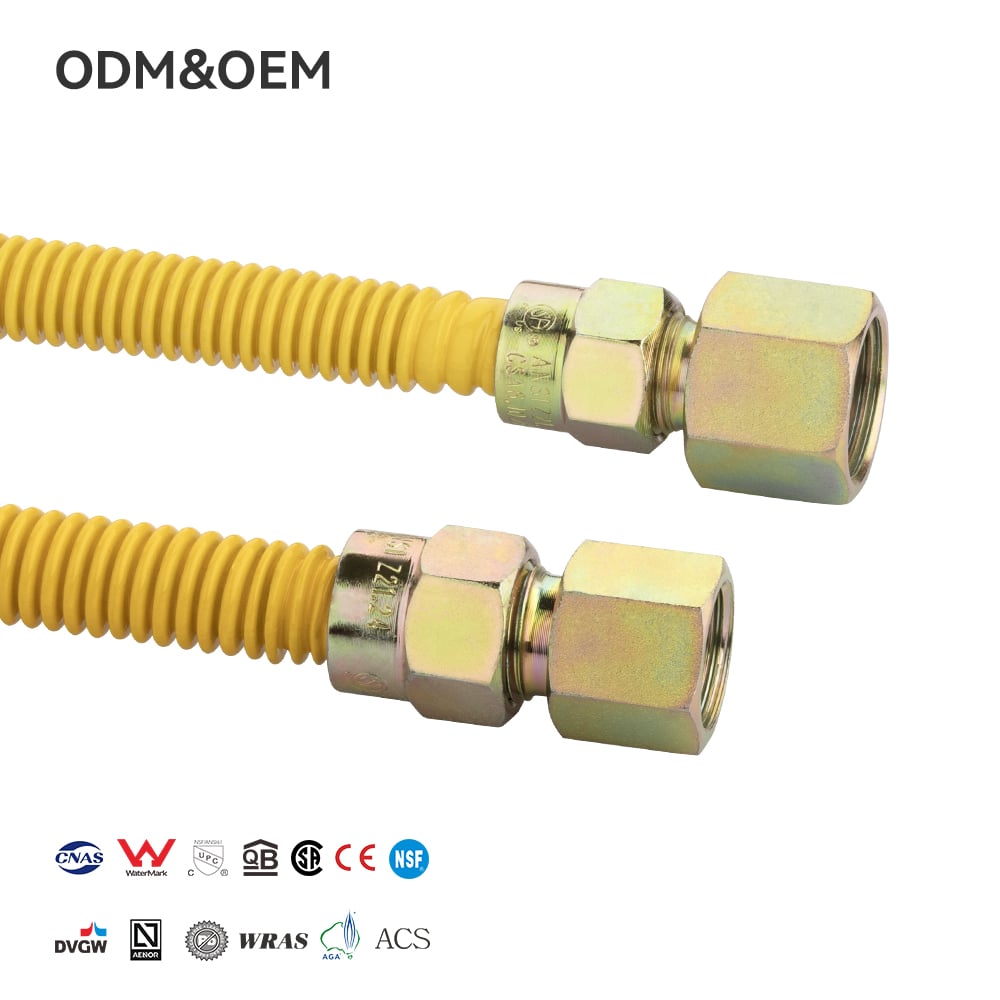
The mechanism by which a gas hose ensures safe fuel transfer involves multiple interconnected factors, from material composition to design specifications. A gas hose must withstand internal pressure, resist chemical degradation, maintain structural integrity under temperature fluctuations, and provide consistent flow characteristics. These requirements demand careful engineering and manufacturing precision. When these elements align properly, a gas hose becomes a dependable component that users can trust for years of reliable service.
Material Composition and Safety Standards
Selecting the Right Gas Hose Material
The foundation of a safe gas hose lies in its material selection. Stainless steel and reinforced rubber compounds are among the most commonly used materials for gas hose construction because they offer superior durability and chemical resistance. A gas hose made from stainless steel provides exceptional corrosion resistance, preventing internal degradation that could compromise fuel integrity. Reinforced rubber variants in a gas hose offer flexibility for installation in tight spaces while maintaining structural strength. The choice between materials for a gas hose depends on the specific fuel type, operating temperature range, and application requirements. High-quality materials ensure that a gas hose maintains its barrier properties and prevents contamination or fuel loss over its entire service life.
Compliance with Industry Standards
Safety authorities worldwide have established rigorous standards that a gas hose must meet before reaching the market. These standards define pressure ratings, material compatibility, and testing requirements to guarantee reliable performance. When a gas hose is certified by recognized bodies, users can be confident that it has undergone thorough evaluation. Certification marks on a gas hose packaging indicate compliance with both national and international safety protocols. A certified gas hose reduces liability exposure and provides assurance that the product has been engineered according to established safety benchmarks. Manufacturers invest in testing and verification to ensure every gas hose leaving their facility meets these strict specifications.
Pressure Stability and Leak Prevention
How a Gas Hose Maintains Consistent Pressure
Stable fuel transfer depends entirely on a gas hose's ability to maintain consistent internal pressure without fluctuation or degradation. The internal diameter and wall thickness of a gas hose are engineered to accommodate system pressure while preventing expansion or collapse. Reinforcement layers within a gas hose provide structural support, ensuring that pressure variations do not cause bulging or rupture. This design principle allows a gas hose to deliver fuel at the precise pressure required by connected appliances. When a gas hose fails to maintain pressure stability, appliance performance suffers, and safety risks increase significantly. Quality manufacturing processes ensure uniform wall thickness throughout the entire length of a gas hose, eliminating weak points where pressure-related failures might occur.
Multi-Layer Design for Leak Prevention
Modern gas hose products feature multi-layer construction specifically designed to prevent leaks and isolate fuel from external exposure. The innermost layer of a gas hose contacts fuel directly and must resist chemical interaction that could cause swelling or degradation. A gas hose typically includes a middle reinforcement layer that provides pressure containment and structural strength. The outer protective layer of a gas hose shields internal components from physical damage, abrasion, and environmental factors. This layered approach means that even if one layer experiences minor damage, a gas hose maintains its primary safety function. The combination of these layers transforms a simple conduit into a sophisticated safety component that prevents leaks even under challenging field conditions.
Installation Quality and Long-Term Reliability
Proper Installation Practices for Gas Hose Safety
Even the finest engineered gas hose cannot ensure safe fuel transfer if installation procedures are inadequate. Proper connection of a gas hose to both the fuel source and appliance requires secure fittings that prevent accidental disconnection or leakage. The gas hose must be routed away from heat sources, sharp edges, and high-traffic areas where physical damage could occur. Installation guidelines for a gas hose typically specify maximum bend radius and minimum clearances from other components. When a gas hose is installed according to manufacturer specifications, the risk of operational failures drops dramatically. Professional installation of a gas hose ensures that connections are tight, routing is safe, and the system operates at design specifications from day one.
Maintenance and Inspection Protocols
Safe fuel transfer is not a set-and-forget proposition; ongoing inspection of a gas hose is essential for maintaining safety throughout its operational life. Regular visual inspection of a gas hose can identify signs of wear, cracking, or external damage before failures occur. Periodic pressure testing of a gas hose system confirms that leak prevention mechanisms remain effective. Users should verify that a gas hose connections remain tight and show no signs of fuel seepage or corrosion. Most manufacturers recommend replacing a gas hose at specified intervals or when visual inspection reveals degradation. Documented maintenance of a gas hose creates a safety record that demonstrates responsible system stewardship and protects against liability claims.
Practical Applications Across Industries
Residential and Commercial Kitchen Applications
In kitchen environments, a gas hose delivers fuel to cooktops, ovens, and other appliances where cooking heat and moisture create challenging operating conditions. The design of a gas hose for kitchen use must accommodate temperature swings and handle proximity to flames without degradation. A reliable gas hose in kitchens directly impacts both safety and cooking performance, making quality selection non-negotiable. Commercial kitchens demand even more rigorous gas hose specifications due to extended operating hours and higher fuel volumes. The reputation and reliability of a gas hose brand often hinges on performance in these demanding kitchen environments where failures create immediate visible consequences.
Water Heater and Industrial Uses
Water heating systems depend on consistent, safe fuel delivery provided by a properly functioning gas hose. The thermal stress from heating water creates demanding conditions that test a gas hose's material integrity and pressure stability. Industrial applications often require a gas hose to operate at higher pressures and temperatures than residential systems. In these scenarios, a gas hose acts as a critical safety barrier preventing fuel escape in confined industrial spaces. The longevity and reliability of a gas hose in these applications directly influence overall system uptime and operational safety.
FAQ
What factors determine how long a gas hose remains safe for use?
A gas hose lifespan depends on material quality, installation practices, operating conditions, and maintenance frequency. Environmental factors like temperature exposure, humidity, and chemical contact accelerate degradation. Most quality gas hose products remain safe for five or more years with proper care, though manufacturer recommendations should guide replacement intervals. Regular inspection helps identify when a gas hose approaches the end of its reliable service life.
Can a gas hose handle temperature fluctuations without compromising safety?
Quality gas hose products are engineered to withstand temperature ranges specified by manufacturers, typically from subzero conditions to moderate heat exposure. Material selection determines how well a gas hose tolerates thermal stress. However, extreme or repeated thermal cycling can degrade a gas hose faster than normal conditions. Proper installation away from direct heat sources maximizes a gas hose's ability to maintain safe performance across temperature variations.
How do I know if my gas hose needs replacement?
Visual signs indicating replacement needs include visible cracks, bulges, discoloration, or hardening of the gas hose material. Fuel odors near connections suggest a gas hose may be leaking. If a gas hose has exceeded the manufacturer's recommended service life or shows deterioration during inspection, replacement becomes necessary. Professional inspection can confirm whether a gas hose remains safe or requires immediate replacement for continued reliable and safe operation.