
 EN
EN
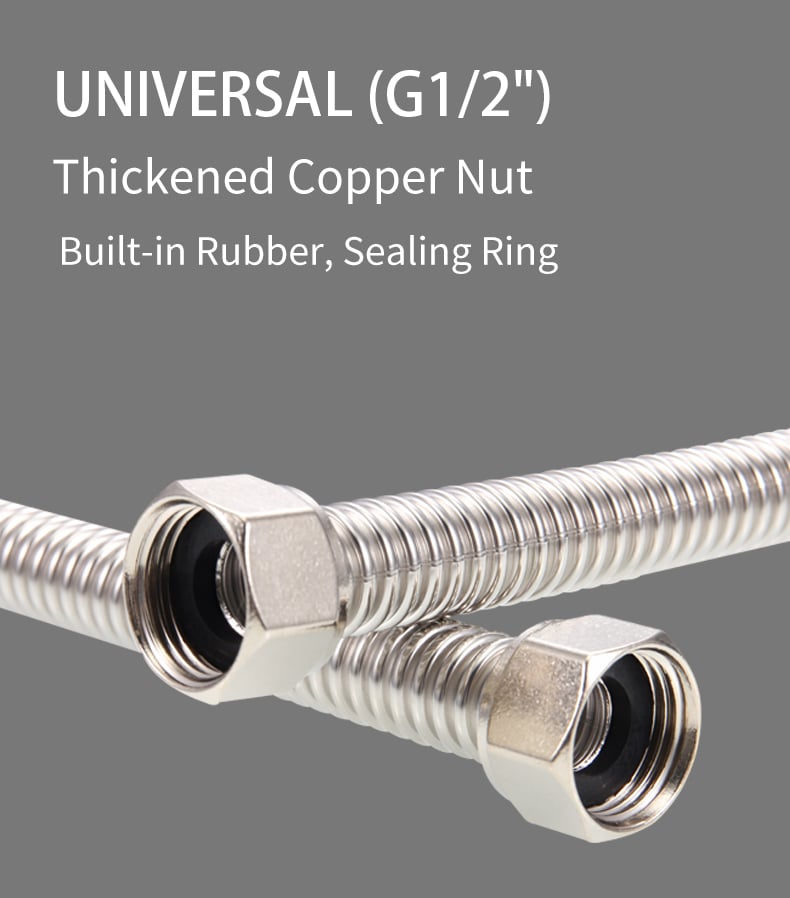
Gas corrugated hose systems represent a significant advancement in fluid and gas delivery infrastructure, particularly when reliability and safety are paramount concerns. The design of a gas corrugated hose addresses fundamental vulnerabilities present in traditional rigid piping, offering engineers and facility managers a solution that combines flexibility with structural integrity. Understanding why a gas corrugated hose outperforms conventional alternatives requires examining the mechanical properties, material composition, and installation advantages that make these systems the preferred choice across industrial, commercial, and residential sectors.
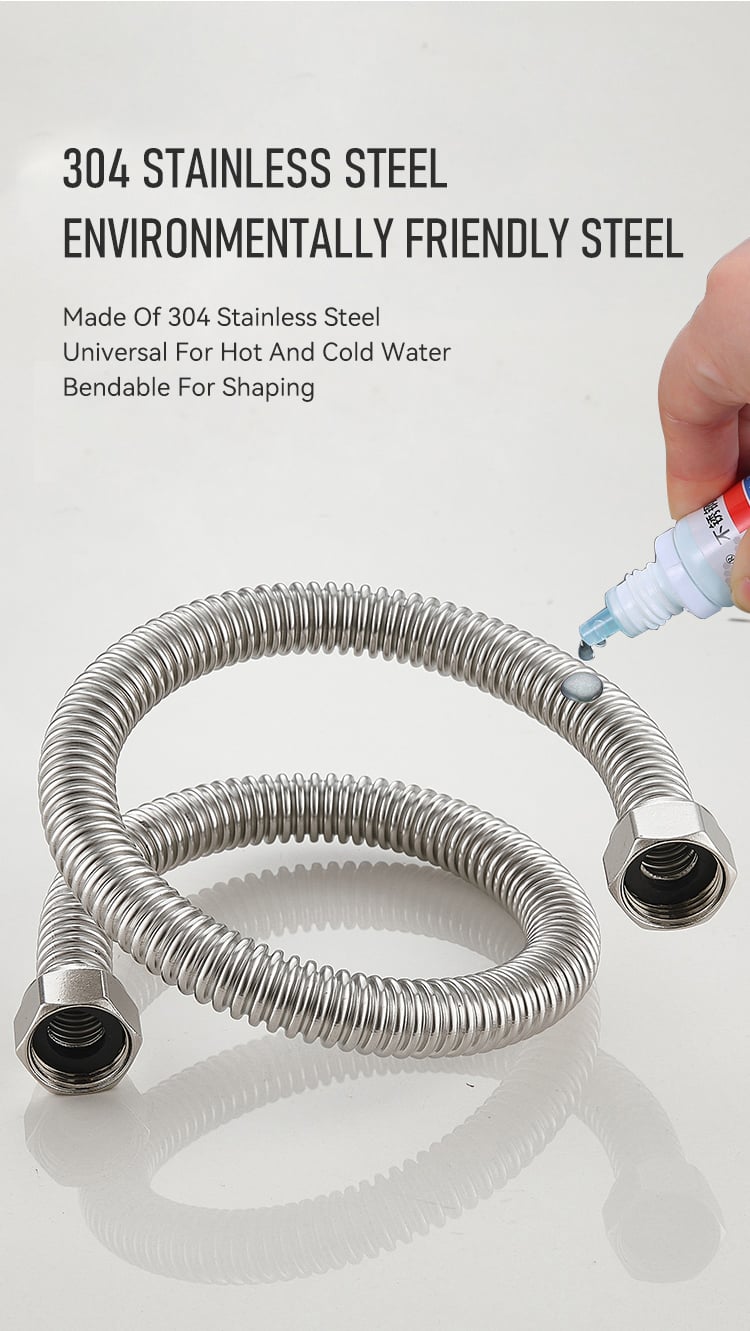
The superiority of a gas corrugated hose in leak prevention stems from its unique construction, which combines corrugated metal tubing with advanced sealing technologies. Unlike rigid pipes that can crack under stress or vibration, a gas corrugated hose accommodates thermal expansion, vibration, and mechanical stress without compromising its integrity. This inherent flexibility, paired with multiple protective layers, creates a barrier against leaks that traditional systems cannot match, making it the gold standard for applications where safety and cost-effectiveness must coexist.
Superior Material Properties of Gas Corrugated Hose
Structural Resilience and Corrugation Design
A gas corrugated hose achieves leak protection through its distinctive corrugated external structure, which serves multiple critical functions simultaneously. The corrugations increase the surface area of the hose while maintaining a compact profile, allowing the system to absorb pressure fluctuations without developing weak points. When pressure spikes occur—common in gas delivery systems—a gas corrugated hose expands uniformly across its corrugated walls rather than concentrating stress at a single point. This distributed stress mechanism is precisely why a gas corrugated hose prevents the pinhole leaks and crack propagation that plague traditional rigid alternatives.
The metal composition of a gas corrugated hose typically includes stainless steel, which offers exceptional corrosion resistance and long-term durability. Stainless steel's molecular structure resists oxidation and degradation, ensuring that a gas corrugated hose maintains its structural integrity even in chemically challenging environments. This material selection directly translates to fewer leaks caused by material degradation, a problem that affects plastic and lower-grade metal hoses over time.
Layered Construction for Maximum Protection
The effectiveness of a gas corrugated hose in preventing leaks cannot be separated from its multi-layer construction philosophy. A typical gas corrugated hose incorporates an inner seamless tube, corrugated middle layers, and an outer protective covering that shields the internal components from environmental damage. This layered approach means that even if the outer layer experiences minor damage, the inner sealing mechanism of a gas corrugated hose remains intact, providing redundant protection against catastrophic failures.
The inner tube of a gas corrugated hose is engineered to maintain absolute sealing integrity under rated pressure conditions. Manufacturers of gas corrugated hose products use precision manufacturing processes to eliminate micro-defects that could initiate leaks. Each gas corrugated hose undergoes rigorous testing protocols that simulate real-world operating conditions, ensuring that the final product meets or exceeds industry safety standards.
Installation and Operational Advantages of Gas Corrugated Hose
Flexibility Reduces Connection Points and Leak Risk
One of the most overlooked advantages of a gas corrugated hose is its inherent flexibility, which allows technicians to route the hose through complex geometries without multiple connection points. Traditional rigid piping systems require numerous fittings, joints, and couplings to navigate around obstacles—and each connection point represents a potential leak source. A gas corrugated hose minimizes these vulnerable junctures by following curved paths and avoiding unnecessary transitions, directly reducing the probability of leaks developing at connection interfaces.
The adaptability of a gas corrugated hose also simplifies installation procedures, reducing labor costs and human error. When technicians install a gas corrugated hose system, they benefit from faster setup times and fewer calibration requirements compared to traditional piping. This operational efficiency translates to higher quality installations, where proper sealing and alignment are achieved more consistently across different projects. A well-installed gas corrugated hose system demonstrates leak rates that are measurably lower than poorly executed rigid piping installations.
Vibration Damping and Thermal Accommodation
Industrial environments introduce constant vibration from machinery, pumps, and flowing media, which accelerates wear in traditional piping systems. A gas corrugated hose naturally dampens these vibrations due to the flexibility inherent in its corrugated design. This vibration absorption capability means that a gas corrugated hose experiences less fatigue stress over its operational lifetime, directly contributing to longer service intervals and fewer leak incidents caused by metal fatigue.
Thermal expansion and contraction represent another critical leak pathway in rigid systems. When temperatures fluctuate, rigid pipes develop internal stress that eventually compromises seals at connection points. A gas corrugated hose accommodates thermal changes by flexing slightly, allowing the system to expand and contract naturally without generating dangerous stress concentrations. This thermal resilience is particularly valuable in applications where temperature cycling occurs regularly, ensuring that a gas corrugated hose maintains its leak-proof performance across seasonal or operational temperature variations.
Performance Standards and Reliability Metrics of Gas Corrugated Hose
Certification and Testing Rigor
Gas corrugated hose systems sold commercially undergo comprehensive testing protocols established by industry bodies and regulatory agencies. These tests measure burst pressure, leak rates under sustained pressure, and resistance to environmental factors including UV exposure and chemical contact. A certified gas corrugated hose product demonstrates that it can withstand pressure levels significantly higher than normal operating conditions while maintaining zero leakage rates. This safety margin provides end-users with confidence that a gas corrugated hose will perform reliably throughout its intended service life.
The documentation accompanying any quality gas corrugated hose includes detailed specifications regarding pressure ratings, temperature ranges, and material certifications. These metrics enable facility managers to select the appropriate gas corrugated hose variant for their specific application, avoiding under-specification that could compromise performance. When a gas corrugated hose is properly selected and installed according to manufacturer guidelines, the probability of leak-related failures approaches near-zero in normal operating conditions.
Real-World Application Performance
Across residential, commercial, and industrial settings, a gas corrugated hose has established a reputation for reliability that surpasses traditional alternatives. In natural gas distribution networks, a gas corrugated hose eliminates many of the leak points that plague older rigid piping systems. Food processing facilities, pharmaceutical manufacturers, and chemical plants rely on gas corrugated hose systems to deliver specialty gases with confidence that contamination risks are minimized. This widespread adoption reflects the practical superiority of a gas corrugated hose in preventing leaks under diverse operational conditions.
The economic impact of choosing a gas corrugated hose extends beyond the initial purchase cost. Facilities that transition from rigid piping to gas corrugated hose systems report reduced maintenance expenses, fewer emergency repairs due to leaks, and extended equipment lifecycles. These operational benefits demonstrate that a gas corrugated hose represents a long-term investment in system reliability and safety. When calculating total cost of ownership, a gas corrugated hose consistently delivers superior value compared to traditional piping alternatives.
FAQ
How does the corrugated design of a gas corrugated hose prevent leaks?
The corrugated structure distributes pressure and stress evenly across the hose walls rather than concentrating force at single points. This design characteristic prevents weak spots from developing where cracks might initiate and propagate into leaks. Additionally, the corrugations increase the effective thickness and resilience of the hose material, allowing a gas corrugated hose to absorb pressure spikes and vibration without compromising the integrity of its inner sealing layers.
What materials make a gas corrugated hose more reliable than rigid piping?
Most quality gas corrugated hose systems use stainless steel for their construction, which offers superior corrosion resistance and durability compared to standard carbon steel piping. The multi-layer composition of a gas corrugated hose includes seamless inner tubes, corrugated middle sections, and protective outer coverings that work together to maintain leak-proof performance. These material choices ensure that a gas corrugated hose resists degradation from chemical exposure, temperature extremes, and environmental stress far better than traditional rigid alternatives.
Can a gas corrugated hose replace existing rigid gas piping?
Yes, a gas corrugated hose can replace rigid piping in many applications, provided the hose is properly rated for the pressure and temperature conditions of your system. The flexibility of a gas corrugated hose often allows for easier installation compared to rigid alternatives, and the superior leak protection of a gas corrugated hose makes it an attractive upgrade. However, specific compatibility requirements, local codes, and safety regulations should be verified with a qualified technician to ensure that a gas corrugated hose meets all applicable standards for your particular installation and usage scenario.