
 EN
EN
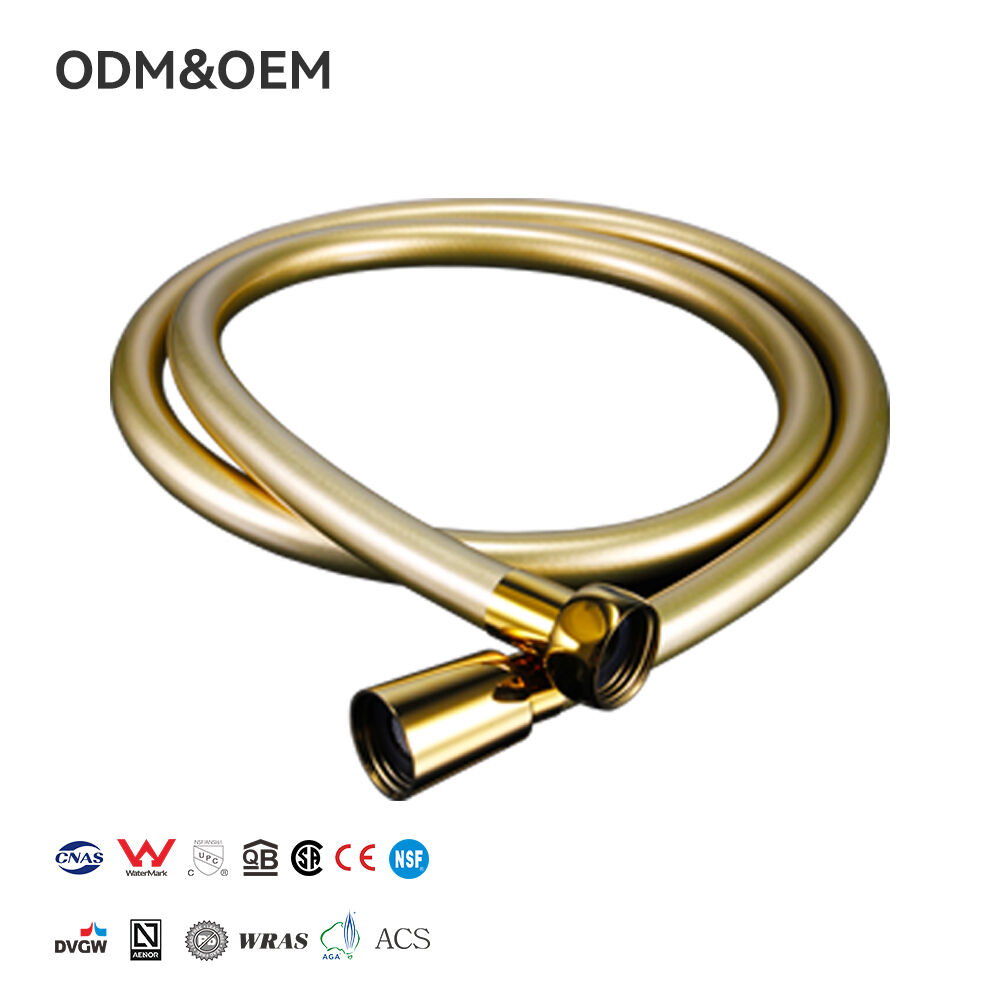
Maintaining optimal water flow and pressure in your bathroom requires attention to every component of your shower system, with the shower hose being a critical element that often gets overlooked. A properly functioning shower hose ensures consistent water delivery, prevents leaks, and maintains the overall efficiency of your bathing experience. Understanding when and why to replace this essential component can save you from unexpected water damage, poor pressure performance, and costly repairs down the line.
Most homeowners underestimate the importance of regular shower hose maintenance and replacement schedules. The lifespan of these flexible water delivery systems depends on various factors including water quality, usage frequency, material composition, and environmental conditions. Professional plumbers recommend establishing a proactive replacement routine rather than waiting for complete failure, which can lead to water damage and emergency repair situations.
Water pressure inconsistencies, visible wear patterns, and mineral buildup are early indicators that your shower hose may need attention. Regular inspection and timely replacement ensure optimal performance while preventing more significant plumbing issues. The investment in quality replacement components often pays for itself through improved water efficiency and extended system longevity.
Understanding Shower Hose Lifespan and Performance Indicators
Material Quality and Construction Impact
The construction materials used in shower hose manufacturing significantly influence replacement frequency and overall performance. Stainless steel reinforced hoses typically offer superior durability compared to basic PVC or rubber alternatives, often lasting three to five years longer under normal usage conditions. High-quality materials resist corrosion, maintain flexibility over time, and withstand temperature fluctuations without compromising structural integrity.
Premium shower hose models incorporate multiple protective layers including anti-kink technology, explosion-proof designs, and enhanced sealing mechanisms. These advanced features extend operational lifespan while reducing maintenance requirements. Investment in quality construction materials upfront often results in significant long-term savings through reduced replacement frequency and improved reliability.
Manufacturers increasingly focus on developing materials that resist common failure modes such as cracking, splitting, and connection loosening. Modern shower hose designs incorporate reinforced threading, improved gasket systems, and corrosion-resistant finishes that maintain performance standards even in challenging water conditions.
Usage Patterns and Environmental Factors
Daily usage frequency directly correlates with shower hose replacement intervals, with high-traffic bathrooms requiring more frequent component updates. Households with multiple family members or frequent guests may need to replace shower hoses every two to three years, while single-occupancy homes might extend replacement cycles to four or five years depending on water quality and maintenance practices.
Hard water conditions accelerate mineral buildup within hose assemblies, creating internal blockages and reducing flow efficiency over time. Geographic regions with high calcium and magnesium content require more aggressive maintenance schedules to prevent performance degradation. Water softening systems can significantly extend shower hose lifespan by reducing mineral accumulation and corrosion effects.
Temperature extremes, humidity levels, and bathroom ventilation quality also influence replacement timelines. Poorly ventilated spaces with high moisture retention create conditions that promote rubber degradation and metal corrosion. Proper bathroom ventilation and humidity control measures help extend component lifespan while maintaining optimal performance characteristics.
Warning Signs That Indicate Immediate Replacement Needs
Visible Physical Deterioration
Cracking, splitting, or bulging along the hose body represents serious structural compromise that requires immediate replacement attention. These visible defects indicate internal pressure resistance failure and pose risks of sudden rupture during use. Small surface cracks often expand rapidly under water pressure, making early detection and replacement critical for preventing water damage.
Discoloration, staining, or surface roughening suggests material degradation that compromises both performance and hygiene standards. These cosmetic changes often accompany internal deterioration that reduces water flow efficiency and creates potential bacterial growth environments. Professional assessment helps determine whether surface changes indicate deeper structural issues requiring replacement.
Connection point loosening, thread wear, or gasket deterioration at attachment points creates leak pathways that worsen over time. These connection issues rarely improve through tightening alone and typically require complete hose replacement to restore proper sealing. Temporary fixes using tape or sealants provide short-term solutions but should not replace proper component updates.
Performance and Flow Issues
Reduced water pressure or inconsistent flow patterns indicate internal blockages or structural compromise within the hose assembly. These performance issues often result from mineral buildup, debris accumulation, or internal liner degradation that restricts water passage. Cleaning attempts may provide temporary improvement, but persistent flow problems typically require replacement solutions.
Unusual noises during water flow, including gurgling, whistling, or vibration sounds, suggest internal turbulence caused by damaged components or restricted passages. These acoustic indicators often precede more serious failure modes and should prompt immediate inspection. Professional diagnosis helps determine whether repair or replacement offers the most effective solution.
Temperature inconsistencies or delayed temperature response may indicate internal liner damage that affects heat transfer efficiency. Modern shower hose designs incorporate thermal management features that maintain consistent temperature delivery. Degraded thermal performance often signals the need for updated components with improved heat transfer characteristics.
Optimal Replacement Schedules for Different Scenarios
Residential Usage Patterns
Standard residential applications typically benefit from shower hose replacement every three to five years, depending on usage intensity and water quality conditions. Single-family homes with moderate usage can often extend replacement intervals to the upper end of this range, while busy households may require more frequent updates. Establishing replacement schedules based on calendar dates rather than failure symptoms ensures consistent performance and prevents emergency situations.
Vacation homes or seasonal properties may require different replacement strategies due to extended periods of non-use. Stagnant water conditions and temperature cycling during vacant periods can accelerate component degradation even with minimal usage. Annual inspection and replacement every four to six years helps maintain reliability for intermittent use scenarios.
Rental properties and multi-unit residential buildings require more aggressive replacement schedules due to varied usage patterns and potential maintenance neglect. Property managers often implement annual inspection protocols with replacement every two to three years to minimize tenant complaints and prevent water damage liability issues.
Commercial and High-Usage Applications
Hotels, gyms, and other commercial facilities require intensive maintenance schedules with shower hose replacement every twelve to eighteen months. High-frequency usage, varied user behavior, and continuous operation create accelerated wear conditions that demand proactive component management. Commercial-grade products with enhanced durability specifications help extend replacement intervals while maintaining performance standards.
Healthcare facilities and senior living communities require specialized replacement protocols that prioritize hygiene and reliability over cost considerations. These environments often implement quarterly inspection schedules with replacement at the first sign of performance degradation. Infection control requirements may mandate more frequent replacement to maintain sanitary conditions.
Industrial and laboratory applications with specialized water quality requirements need customized replacement schedules based on specific contamination risks and performance criteria. These environments may require monthly inspection protocols with immediate replacement upon detection of any performance anomalies that could affect operational requirements.
Selection Criteria for Replacement Components
Material and Construction Considerations
Stainless steel reinforced designs offer superior longevity and pressure resistance compared to basic materials, making them ideal for long-term value optimization. These premium options include multiple protective layers, reinforced connection points, and anti-twist features that maintain performance under demanding conditions. Initial investment in quality construction typically reduces lifetime replacement costs through extended service intervals.
Anti-leak technology and explosion-proof designs provide enhanced safety margins that protect against sudden failure scenarios. These advanced features include pressure relief mechanisms, reinforced weak points, and improved sealing systems that maintain integrity under extreme conditions. Safety-focused designs offer peace of mind while reducing potential water damage risks.
Flexibility and kink resistance ensure consistent performance throughout the operational lifespan while reducing user frustration during daily use. Modern materials maintain bendability without compromising structural strength, allowing for natural movement without creating stress concentration points. Improved flexibility also reduces installation complexity and user maintenance requirements.
Compatibility and Installation Factors
Thread compatibility and connection standards ensure proper fitting with existing shower fixtures without requiring additional adapter components. Standard sizing conventions minimize installation complexity while ensuring reliable sealing performance. Verification of compatibility specifications prevents costly installation delays and ensures optimal system integration.
Length requirements and spatial considerations affect both performance and user satisfaction during daily use. Proper length selection ensures adequate reach without creating excess coiling that promotes kink formation or creates cleaning difficulties. Professional measurement and assessment help optimize length selection for specific installation requirements.
Finish compatibility and aesthetic coordination with existing bathroom fixtures enhance overall appearance while maintaining functional performance. Color matching and texture coordination options allow replacement components to integrate seamlessly with established design themes. Aesthetic considerations become particularly important in high-end residential and commercial applications.
Professional Installation vs DIY Replacement
Technical Requirements and Tools
Basic shower hose replacement typically requires standard plumbing tools including adjustable wrenches, pipe tape, and cleaning materials for connection preparation. Most homeowners can successfully complete replacement procedures with proper preparation and attention to manufacturer instructions. Tool requirements remain minimal, making DIY replacement accessible for most skill levels.
Thread sealing and torque specifications require careful attention to prevent over-tightening damage or under-sealing leak issues. Proper technique ensures reliable connections without compromising component integrity or creating future maintenance problems. Following manufacturer guidelines for installation torque prevents connection damage while ensuring adequate sealing performance.
Water system shutdown and drainage procedures protect against water damage during replacement activities while ensuring safe working conditions. Proper preparation includes identifying shutoff valves, draining residual water, and preparing cleanup materials for unexpected leaks. Systematic approach to preparation prevents complications and reduces installation time requirements.
When Professional Service Becomes Necessary
Complex installations involving non-standard connections, integrated valve systems, or accessibility challenges may require professional plumbing expertise for optimal results. Professional services ensure compliance with local codes while providing warranty protection for installation quality. Difficult access situations often justify professional service costs through reduced risk and improved reliability.
Water pressure irregularities, system integration issues, or multiple component replacement scenarios benefit from professional diagnosis and comprehensive system evaluation. Experienced technicians can identify underlying issues that affect shower hose performance while recommending system-wide improvements. Professional assessment often reveals cost-effective upgrade opportunities that enhance overall system performance.
Insurance and warranty considerations may require professional installation for coverage validity, particularly in commercial applications or high-value residential properties. Professional documentation provides liability protection while ensuring compliance with manufacturer warranty requirements. Investment in professional installation often pays dividends through warranty protection and reduced future service costs.
FAQ
How long does a typical shower hose last before replacement
A standard shower hose typically lasts between 3 to 5 years under normal residential usage conditions, though this timeframe can vary significantly based on water quality, usage frequency, and material construction. High-quality stainless steel reinforced models may extend beyond 5 years, while basic PVC or rubber hoses in hard water areas might require replacement every 2 to 3 years. Regular inspection every six months helps identify early wear signs and optimize replacement timing for maximum value and performance.
What are the most common signs that indicate shower hose replacement is needed
The most obvious replacement indicators include visible cracking or splitting along the hose body, reduced water pressure or inconsistent flow, leaking at connection points, and unusual noises during water flow such as gurgling or whistling sounds. Additionally, persistent mineral buildup that resists cleaning, difficulty maintaining water temperature, and any bulging or deformation of the hose structure signal immediate replacement needs to prevent potential water damage or complete system failure.
Can I extend my shower hose lifespan through regular maintenance
Yes, regular maintenance can significantly extend shower hose lifespan through several key practices including monthly cleaning with mild soap solutions to remove soap scum and mineral deposits, avoiding excessive bending or kinking during use, and periodic inspection of connection points for wear or loosening. Installing a water softener system in hard water areas, ensuring proper bathroom ventilation to reduce humidity-related deterioration, and gentle handling during cleaning can add 1-2 years to the typical replacement cycle.
Is it better to repair a damaged shower hose or replace it entirely
Complete replacement is almost always more cost-effective and reliable than attempting repairs for damaged shower hoses due to the integrated nature of their construction and the likelihood that visible damage indicates broader structural compromise. Temporary fixes using tape or sealants rarely provide lasting solutions and often fail under water pressure, potentially causing water damage. The relatively low cost of quality replacement components compared to potential repair complications and failure risks makes replacement the preferred option for any significant damage or performance issues.