
 EN
EN
The comfort and functionality of your daily shower experience often hinges on components you might take for granted, with the shower hose playing a pivotal role in water delivery performance. A well-designed shower hose not only ensures consistent water pressure but also provides the flexibility and durability needed for long-term reliable operation. Understanding what makes a high-pressure shower hose comfortable involves examining multiple factors including material construction, internal diameter specifications, and ergonomic design features that directly impact user satisfaction.
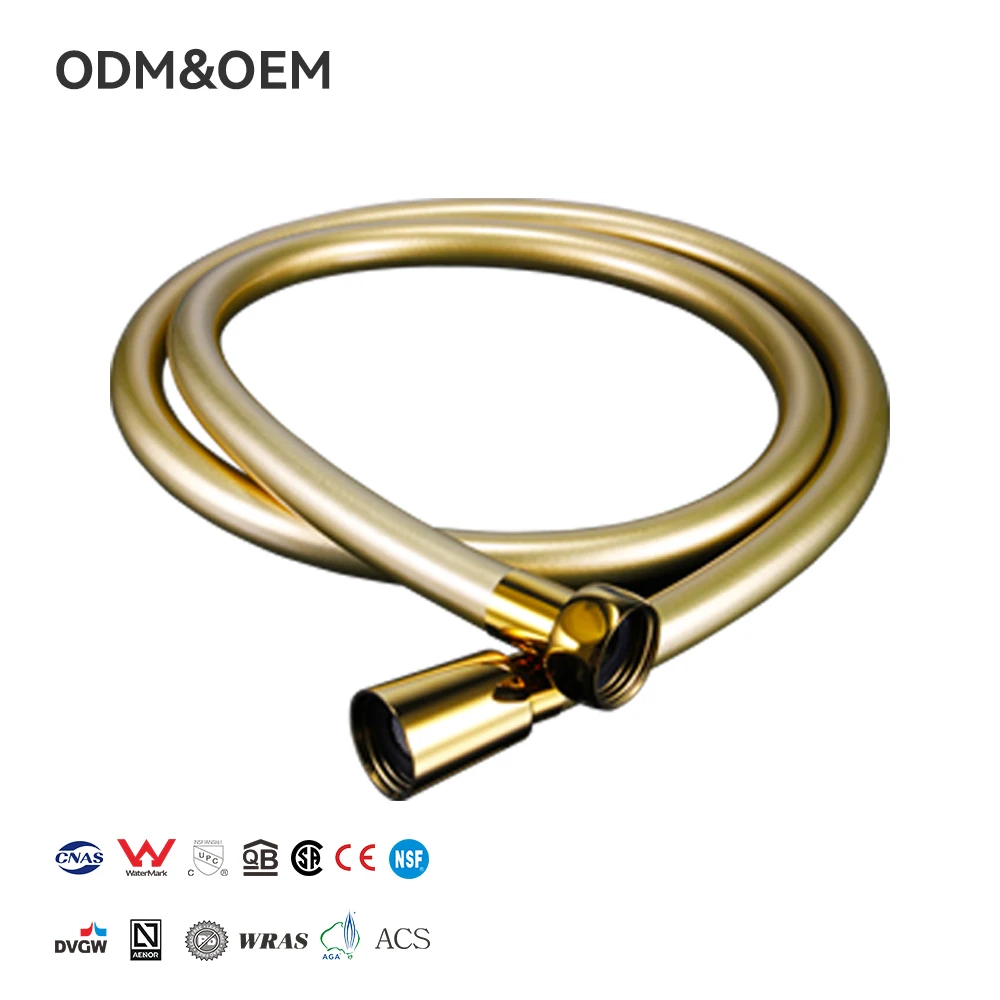
Modern bathroom installations demand shower hoses that can withstand high water pressures while maintaining optimal flow characteristics throughout their operational lifespan. The engineering behind comfortable high-pressure shower hoses involves sophisticated material science and precise manufacturing tolerances that ensure both performance and user comfort. Professional plumbers and homeowners alike recognize that investing in quality shower hose technology pays dividends through improved shower experiences and reduced maintenance requirements.
Material Engineering and Construction Quality
Advanced PVC and Polymer Technologies
The foundation of any comfortable high-pressure shower hose lies in its material composition, with advanced PVC formulations leading the industry in terms of flexibility and pressure resistance. Modern shower hose manufacturers utilize specialized polymer blends that maintain their structural integrity under varying temperature conditions while providing the smooth, tactile feel that users associate with premium bathroom fixtures. These engineered materials undergo rigorous testing protocols to ensure they can withstand repeated flexing without developing stress fractures or losing their original suppleness.
High-grade PVC compounds used in quality shower hoses incorporate plasticizers and stabilizers that prevent material degradation over time, ensuring that the hose maintains its comfortable handling characteristics throughout years of regular use. The molecular structure of these materials is specifically designed to resist the effects of hot water exposure, chemical cleaning agents, and mechanical stress that naturally occur during normal shower operations. This attention to material science translates directly into a more comfortable user experience through consistent performance and reliable operation.
Reinforcement Systems and Pressure Ratings
Internal reinforcement structures within high-pressure shower hoses play a crucial role in maintaining comfort during operation by preventing unwanted expansion or contraction under varying water pressure conditions. Multi-layer construction techniques incorporate textile braiding or wire mesh reinforcement that provides structural support while allowing the outer material to remain flexible and comfortable to handle. These reinforcement systems are engineered to distribute pressure loads evenly across the entire hose length, preventing localized stress concentrations that could lead to performance degradation or user discomfort.
The pressure rating specifications of a shower hose directly correlate with its ability to deliver consistent, comfortable water flow without experiencing dimensional changes that might affect handling characteristics. Professional-grade shower hoses typically feature pressure ratings that exceed standard residential water system pressures by significant safety margins, ensuring that the hose maintains its original comfort characteristics even under peak demand conditions. This engineering approach results in shower hoses that feel stable and predictable in user hands, contributing to an overall sense of quality and reliability.
Ergonomic Design Features and User Interface
Surface Texture and Grip Characteristics
The surface finish and texture of a high-pressure shower hose significantly impact user comfort, with manufacturers employing various techniques to optimize grip characteristics while maintaining easy cleaning properties. Advanced surface treatments create subtle texture patterns that provide secure handling even when wet, without creating rough or abrasive surfaces that might be uncomfortable during extended use. These ergonomic considerations extend to the overall diameter and flexibility characteristics of the hose, ensuring that it can be easily maneuvered and positioned without requiring excessive force or awkward hand positions.
Modern shower hose designs incorporate human factors engineering principles that account for the natural range of motion and grip strength variations among users of different ages and physical capabilities. The optimal balance between flexibility and structural integrity ensures that the hose responds predictably to user inputs while maintaining its shape and position when not being actively manipulated. This design philosophy results in shower hoses that feel natural and intuitive to use, reducing user fatigue and enhancing the overall shower experience through improved ergonomic interaction.
Connection Interface and Installation Considerations
The comfort of a high-pressure shower hose extends beyond the hose itself to include the quality and design of its connection interfaces, which must provide secure, leak-free operation while allowing for easy installation and maintenance procedures. High-quality connection hardware utilizes precision machining and appropriate sealing technologies to ensure that water flow transitions smoothly from the supply line through the hose to the showerhead without creating pressure drops or turbulence that might affect user comfort. These connection systems are designed to accommodate slight movements and adjustments without loosening or developing leaks over time.
Professional installation considerations for comfortable shower hose operation include proper routing and support to minimize stress on connection points and prevent kinking or binding that could affect water flow characteristics. The threading specifications and sealing mechanisms used in quality shower hose connections are engineered to provide reliable operation while allowing for periodic maintenance and replacement activities without requiring specialized tools or excessive force. This attention to installation and maintenance factors contributes to long-term user satisfaction through consistent performance and reduced service requirements.
Performance Optimization and Flow Dynamics
Internal Diameter and Flow Characteristics
The internal diameter specification of a shower hose directly influences both water flow capacity and the pressure characteristics that users experience during operation, making this parameter critical for comfort optimization. Larger internal diameters generally provide higher flow rates and reduced pressure losses, but must be balanced against flexibility requirements and overall hose handling characteristics to achieve optimal user comfort. Advanced hydraulic engineering principles guide the selection of internal diameter specifications that maximize flow performance while maintaining the physical properties necessary for comfortable manipulation and positioning.
Flow dynamics within high-quality shower hoses are carefully engineered to minimize turbulence and pressure fluctuations that could create uncomfortable or inconsistent water delivery patterns. Smooth internal surfaces and optimized diameter transitions at connection points help maintain laminar flow characteristics that translate into steady, predictable water pressure at the showerhead. These engineering considerations ensure that users experience consistent comfort levels regardless of variations in supply pressure or flow demand, contributing to a more satisfying and reliable shower experience.
Temperature Stability and Thermal Performance
Thermal performance characteristics of high-pressure shower hoses significantly impact user comfort, particularly regarding the hose's ability to handle temperature variations without affecting its physical properties or handling characteristics. Quality shower hose materials maintain their flexibility and tactile properties across the full range of typical hot water temperatures, ensuring that the hose remains comfortable to handle even during extended hot water use. Advanced polymer formulations resist thermal degradation and maintain consistent performance characteristics regardless of temperature cycling that occurs during normal operation.
The thermal mass and heat transfer properties of shower hose materials influence how quickly the hose reaches thermal equilibrium with the water flowing through it, affecting both user comfort and energy efficiency considerations. Well-designed shower hoses minimize heat loss during water transport while preventing the external surface from becoming uncomfortably hot during high-temperature operation. This thermal engineering contributes to overall system efficiency while ensuring that users can safely and comfortably manipulate the hose throughout the entire range of typical shower temperature settings.
Durability and Long-Term Comfort Maintenance
Wear Resistance and Service Life Factors
Long-term comfort in shower hose operation depends heavily on the material's ability to resist wear and degradation that could affect handling characteristics or performance over time. High-quality shower hoses incorporate wear-resistant materials and construction techniques that maintain their original comfort properties throughout extended service periods, even under demanding use conditions. The resistance to abrasion, chemical attack, and mechanical fatigue ensures that the shower hose continues to provide the same comfortable user experience years after installation, making quality construction a worthwhile investment for both residential and commercial applications.
Advanced manufacturing processes used in premium shower hose production include quality control measures that verify material properties and construction integrity before products reach end users. These quality assurance protocols help ensure that each shower hose meets performance specifications for comfort, durability, and reliability throughout its expected service life. The attention to manufacturing quality translates directly into user satisfaction through consistent performance and reduced likelihood of premature failure or degraded comfort characteristics.
Maintenance Requirements and Care Procedures
Proper maintenance procedures for high-pressure shower hoses help preserve their comfort characteristics and extend their operational life while ensuring continued safe and reliable operation. Regular inspection and cleaning protocols remove mineral deposits and other accumulations that could affect internal flow characteristics or external handling properties. Quality shower hose designs facilitate easy maintenance procedures that can be performed by users without requiring specialized tools or extensive technical knowledge, contributing to long-term satisfaction through maintained performance levels.
The design of maintenance-friendly shower hose systems includes consideration for disassembly and reassembly procedures that allow for periodic deep cleaning or component replacement without affecting the overall system integrity. Clear maintenance guidelines and appropriate replacement part availability ensure that users can maintain their shower hose systems in optimal condition throughout their service life. This approach to maintenance design contributes to sustained user comfort by preventing the gradual degradation of performance that might otherwise occur over time without proper care and attention.
FAQ
How often should I replace my shower hose to maintain optimal comfort?
The replacement frequency for shower hoses depends on usage patterns, water quality, and material construction, but most high-quality units provide 5-7 years of comfortable operation under normal residential conditions. Signs that replacement may be needed include visible cracking, reduced flexibility, mineral buildup that cannot be cleaned, or changes in water flow characteristics. Regular inspection every six months can help identify potential issues before they affect comfort or performance.
What pressure rating should I look for in a comfortable shower hose?
For residential applications, shower hoses with pressure ratings of 150-200 PSI typically provide excellent performance and comfort margins above standard home water pressure levels. Higher pressure ratings generally indicate more robust construction that maintains comfort characteristics over longer periods. Commercial or high-pressure applications may require hoses rated for 250 PSI or higher to ensure reliable, comfortable operation under demanding conditions.
Can the internal diameter of a shower hose affect comfort during use?
Yes, internal diameter significantly impacts both flow rate and pressure characteristics that directly affect user comfort. Larger internal diameters (typically 1/2 inch or greater) provide higher flow rates and reduced pressure loss, resulting in more consistent water delivery. However, the optimal diameter depends on your specific water pressure and flow requirements, with professional consultation recommended for unusual pressure conditions or specialized applications.
What materials provide the best combination of comfort and durability?
Advanced PVC formulations with reinforcement layers typically offer the best balance of comfort, flexibility, and long-term durability for most applications. These materials maintain their tactile properties while resisting temperature extremes, chemical exposure, and mechanical stress. Stainless steel braided options provide maximum durability but may sacrifice some flexibility, while basic rubber compounds may offer good initial comfort but shorter service life under high-pressure conditions.