
 EN
EN
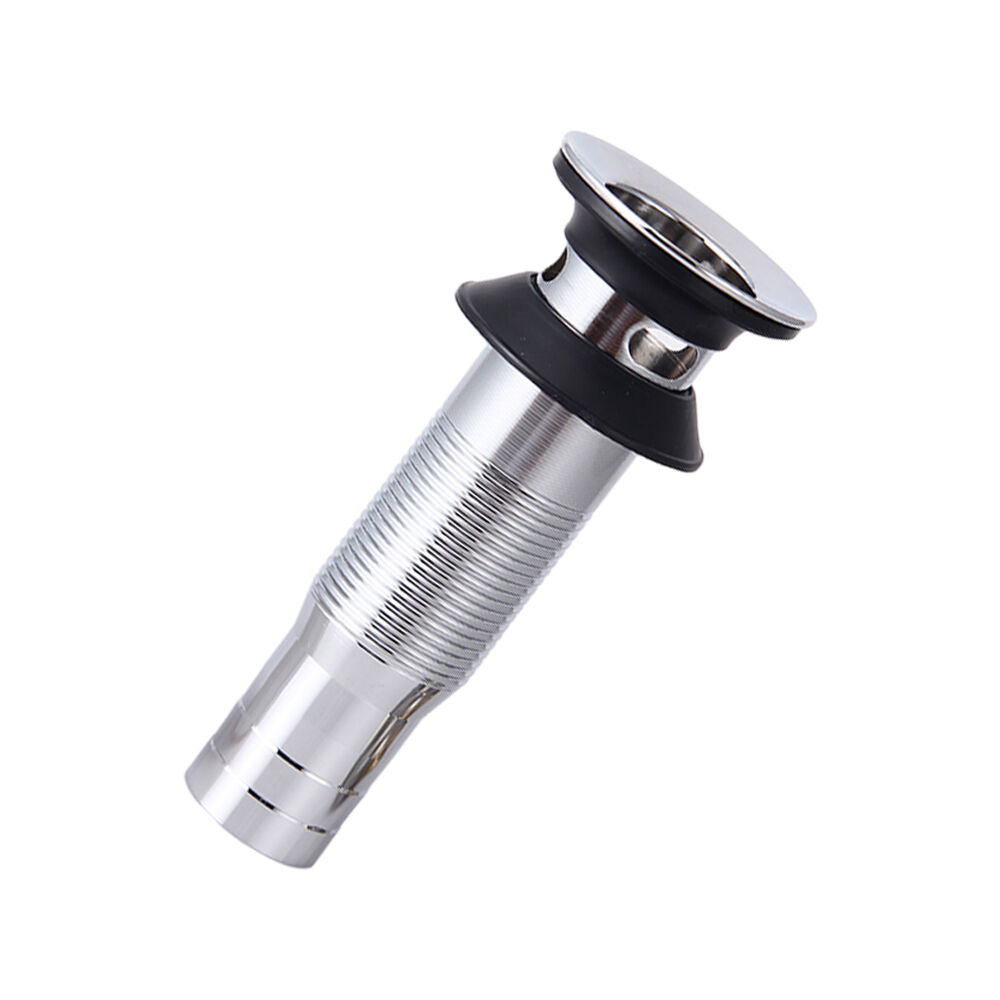
Modern bathroom maintenance presents numerous challenges, with hair accumulation in floor drains ranking among the most frustrating issues homeowners face daily. A quality drainer system becomes essential when traditional drainage solutions fail to handle the constant flow of hair, soap residue, and debris that naturally occurs in residential and commercial bathrooms. Professional-grade drainage solutions offer superior performance through innovative design features that prevent clogging while maintaining optimal water flow rates.
Understanding the mechanics of effective drainage systems helps property owners make informed decisions about bathroom upgrades and maintenance protocols. Contemporary drainer technology incorporates stainless steel construction with strategically positioned openings that capture debris without restricting water movement. These advanced systems prove particularly valuable in high-traffic environments where conventional drainage solutions struggle to maintain consistent performance levels throughout extended periods of use.
Advanced Drainage Technology for Modern Bathrooms
Stainless Steel Construction Benefits
Stainless steel drainer components offer exceptional durability compared to traditional plastic or brass alternatives commonly found in older bathroom installations. The corrosion-resistant properties of high-grade stainless steel ensure long-term performance even when exposed to harsh cleaning chemicals and constant moisture exposure. This material choice significantly reduces replacement frequency while maintaining aesthetic appeal throughout years of regular use in residential and commercial applications.
The manufacturing process for premium stainless steel drainer systems involves precision engineering to create uniform opening patterns that optimize debris capture without compromising drainage efficiency. Surface finishing techniques provide smooth interior walls that resist buildup accumulation, making routine maintenance procedures more effective and less time-consuming for property maintenance teams and homeowners alike.
Anti-Odor Design Features
Modern drainer systems incorporate sophisticated anti-odor mechanisms that prevent sewer gas infiltration while maintaining proper ventilation throughout the drainage network. These design elements include precisely calibrated water trap depths and strategically positioned barrier systems that create effective seals without impeding normal drainage operations. Professional installations benefit from these features through reduced callback rates and improved customer satisfaction levels.
The integration of anti-odor technology within contemporary drainer designs addresses common complaints about bathroom air quality issues that plague older drainage systems. Advanced sealing mechanisms work continuously to prevent unwanted gases from entering living spaces while allowing proper air circulation to maintain optimal drainage performance throughout varying usage patterns and seasonal temperature fluctuations.
Hair Management and Debris Capture Systems
Strategic Opening Patterns
Effective drainer performance depends heavily on the precise sizing and positioning of drainage openings that must balance water flow capacity with debris capture efficiency. Engineering studies demonstrate that specific opening dimensions and spacing patterns significantly impact the ability to trap hair strands while preventing water backup during peak usage periods. Professional-grade systems utilize computational fluid dynamics to optimize these critical design parameters.
The square pattern design found in high-performance drainer systems provides superior hair capture capabilities compared to traditional circular or linear opening arrangements. This geometric approach creates multiple interception points where hair strands become trapped before reaching the main drainage system, effectively preventing downstream clogs that require expensive professional cleaning services or complete system replacement procedures.
Maintenance Accessibility Features
Contemporary drainer designs prioritize user-friendly maintenance procedures through removable strainer components and easy-access cleaning points that simplify routine upkeep requirements. These features enable property owners to perform regular maintenance tasks without specialized tools or professional assistance, significantly reducing long-term ownership costs while maintaining optimal system performance throughout extended service periods.
The tile-insert design methodology allows seamless integration with existing bathroom flooring while providing convenient access to internal drainer components for cleaning and inspection purposes. This approach eliminates the need for extensive renovation work during installation while ensuring compatibility with various tile types and bathroom design aesthetics commonly encountered in residential and commercial construction projects.
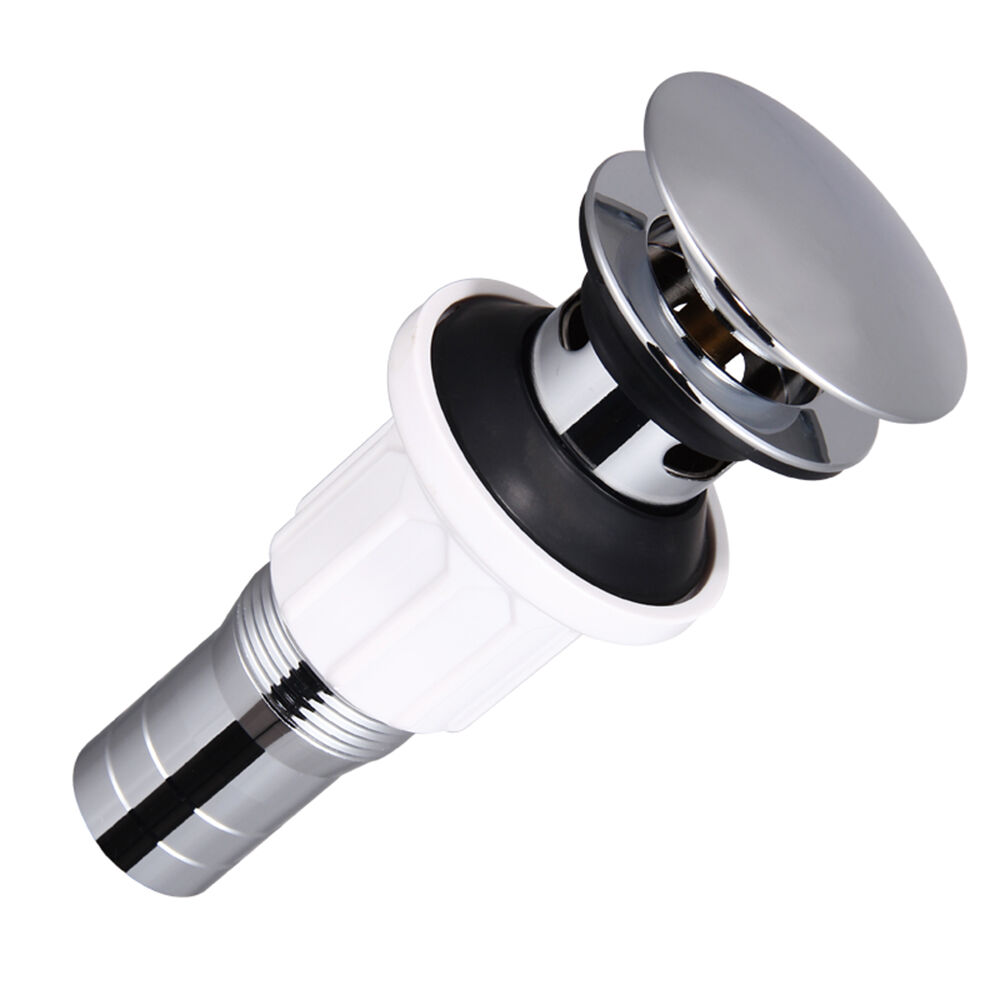
Installation Considerations for Commercial Applications
Hotel and Hospitality Requirements
Commercial hospitality environments place exceptional demands on bathroom drainage systems due to high guest turnover rates and diverse usage patterns that challenge conventional drainer performance capabilities. Hotels require robust drainage solutions that maintain consistent performance despite heavy daily use while minimizing maintenance interruptions that could impact guest satisfaction scores and operational efficiency metrics.
The selection of appropriate drainer systems for hotel applications must consider factors including peak usage volumes, cleaning protocol compatibility, and aesthetic integration requirements that align with overall property branding strategies. Professional hospitality consultants often recommend stainless steel systems with enhanced debris capture capabilities to minimize service calls and maintain consistent guest experience standards.
Residential Installation Guidelines
Homeowners considering drainer system upgrades should evaluate existing plumbing configurations and bathroom layout constraints that may influence installation procedures and component selection criteria. Proper sizing calculations must account for fixture locations, water pressure variations, and local plumbing codes that govern drainage system modifications in residential construction applications.
The integration of modern drainer technology with existing bathroom infrastructure often requires professional assessment to ensure compatibility with current plumbing systems and compliance with building regulations. Experienced contractors can identify potential challenges and recommend appropriate solutions that maximize system performance while minimizing installation complexity and associated project costs.
Performance Optimization and Maintenance Strategies
Preventive Care Protocols
Establishing regular maintenance schedules for drainer systems significantly extends service life while preventing costly emergency repairs that result from neglected drainage issues. Professional maintenance protocols typically include monthly visual inspections, quarterly deep cleaning procedures, and annual professional assessments that identify potential problems before they impact system performance or require extensive repair work.
The implementation of preventive maintenance programs proves particularly valuable in commercial environments where drainage failures can disrupt business operations and create liability concerns for property owners. Systematic approaches to drainer maintenance include documentation procedures, performance monitoring metrics, and replacement scheduling that optimize operational efficiency while controlling long-term ownership costs.
Troubleshooting Common Issues
Effective troubleshooting procedures for drainer systems begin with understanding the relationship between drainage symptoms and underlying system conditions that may require professional attention or component replacement. Common performance indicators include reduced flow rates, unusual odors, and visible debris accumulation that suggest maintenance needs or potential system modifications.
Professional diagnostic techniques utilize specialized equipment to assess internal drainer conditions and identify specific problems that may not be apparent through visual inspection alone. These comprehensive evaluation procedures help property owners make informed decisions about repair versus replacement options while avoiding unnecessary system modifications that fail to address root causes of drainage problems.
Cost-Benefit Analysis of Premium Drainage Solutions
Long-Term Investment Value
Premium drainer systems justify initial investment costs through reduced maintenance requirements, extended service life, and improved performance reliability that translates into measurable operational savings over time. Economic analysis of drainage system ownership typically demonstrates significant cost advantages for high-quality components compared to budget alternatives that require frequent replacement or professional service interventions.
The total cost of ownership calculations for professional-grade drainer systems should include factors such as installation complexity, maintenance frequency, replacement intervals, and potential property damage costs associated with drainage failures. Comprehensive financial modeling often reveals substantial long-term savings that offset higher upfront investment requirements for premium drainage solutions.
Property Value Enhancement
Modern drainer installations contribute to overall property value through improved bathroom functionality and aesthetic appeal that attracts potential buyers and tenants in competitive real estate markets. Professional-grade drainage systems demonstrate quality construction standards and attention to detail that property evaluators recognize as valuable improvements during appraisal processes.
The integration of contemporary drainer technology with bathroom renovation projects creates synergistic value improvements that exceed individual component costs through enhanced system coordination and improved overall performance characteristics. Strategic property improvements utilizing premium drainage components often generate measurable returns on investment through increased market value and reduced maintenance obligations.
FAQ
What makes stainless steel drainer systems superior to plastic alternatives
Stainless steel drainer systems offer superior corrosion resistance, structural durability, and aesthetic longevity compared to plastic components that may crack, discolor, or degrade over time. The material properties of stainless steel provide consistent performance throughout extended service periods while maintaining professional appearance standards that enhance overall bathroom aesthetics and property value.
How often should commercial drainer systems undergo professional maintenance
Commercial drainer installations typically require quarterly professional inspections and annual comprehensive maintenance procedures to ensure optimal performance in high-usage environments. The frequency of maintenance interventions may vary based on usage patterns, water quality conditions, and specific facility requirements that influence system wear rates and component longevity expectations.
Can modern drainer systems be retrofitted into existing bathroom installations
Contemporary drainer systems often accommodate retrofitting into existing bathroom configurations through adaptable design features and flexible installation methods that minimize renovation requirements. Professional contractors can assess compatibility factors and recommend appropriate solutions that integrate seamlessly with current plumbing infrastructure while meeting performance objectives and aesthetic preferences.
What factors should influence drainer system selection for residential applications
Residential drainer selection should consider household size, usage patterns, existing plumbing configurations, and aesthetic preferences that align with overall bathroom design objectives. Additional factors include local building codes, installation complexity, maintenance requirements, and budget constraints that influence long-term ownership satisfaction and system performance expectations throughout the service life of the drainage system.
Table of Contents
- Advanced Drainage Technology for Modern Bathrooms
- Hair Management and Debris Capture Systems
- Installation Considerations for Commercial Applications
- Performance Optimization and Maintenance Strategies
- Cost-Benefit Analysis of Premium Drainage Solutions
-
FAQ
- What makes stainless steel drainer systems superior to plastic alternatives
- How often should commercial drainer systems undergo professional maintenance
- Can modern drainer systems be retrofitted into existing bathroom installations
- What factors should influence drainer system selection for residential applications