
 EN
EN
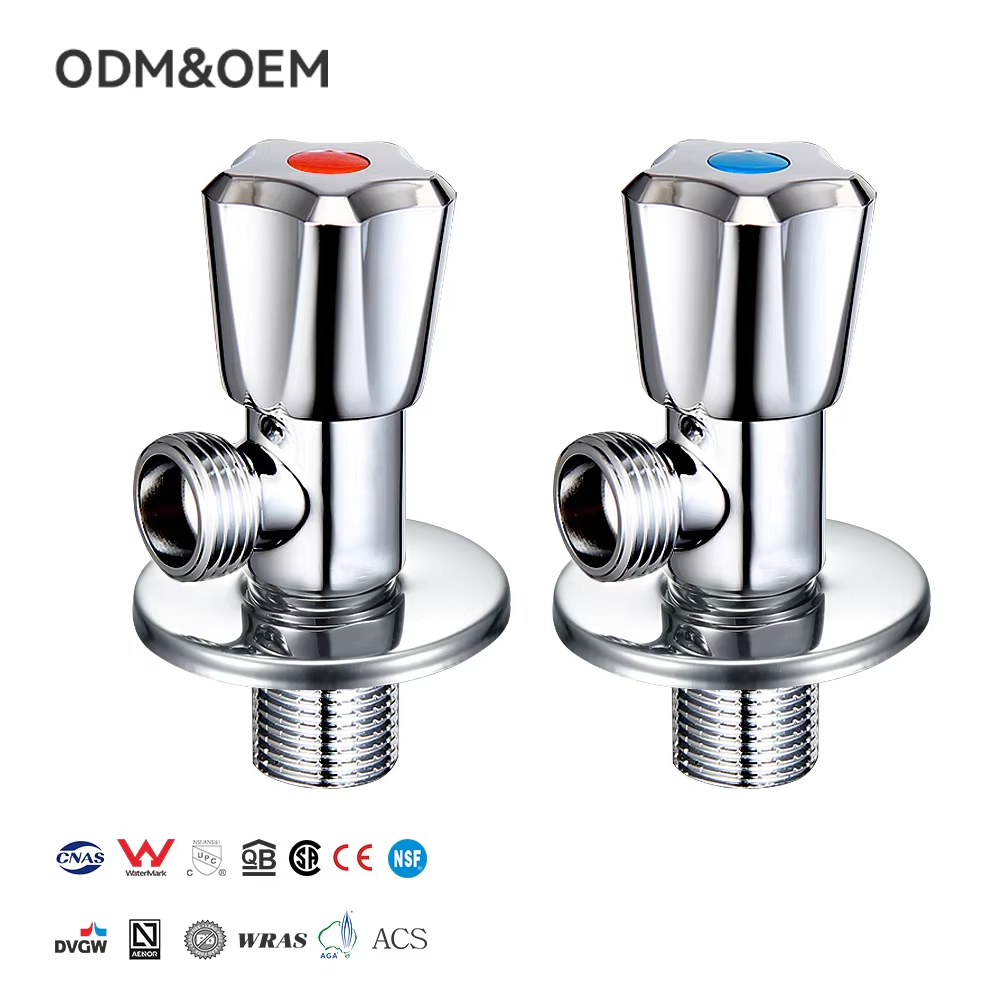
A stop valve serves as a critical component in modern plumbing systems, providing essential water flow control that can prevent costly damage during emergencies. These mechanical devices allow homeowners and professionals to quickly shut off water supply to specific fixtures or entire sections of plumbing infrastructure. Understanding how a stop valve operates and its strategic placement throughout residential and commercial buildings can save thousands of dollars in water damage repairs while ensuring reliable access to clean water when needed most.
Emergency water control scenarios occur frequently in both residential and commercial settings, making the proper installation and maintenance of stop valves absolutely essential. From burst pipes during winter freezes to malfunctioning toilet mechanisms, having immediate access to water shutoff capabilities can mean the difference between minor inconvenience and major property damage. Professional plumbers consistently emphasize the importance of knowing stop valve locations and ensuring they remain functional throughout their operational lifespan.
Fundamental Mechanics of Stop Valve Operation
Internal Component Structure and Function
The internal mechanics of a stop valve rely on precise engineering to achieve reliable water flow control under various pressure conditions. Most residential stop valves utilize either a gate mechanism or ball valve design, with each approach offering distinct advantages depending on the specific application requirements. Gate-style stop valves feature a wedge-shaped disc that moves perpendicular to the water flow path, creating a tight seal when fully closed. This design minimizes pressure drop when the valve remains in the open position, making it ideal for main supply lines where consistent flow rates are critical.
Ball valve configurations incorporate a spherical closure element with a cylindrical bore that aligns with the pipe diameter when open. Rotating the ball ninety degrees blocks water flow completely, providing immediate shutoff capability that proves invaluable during plumbing emergencies. The quarter-turn operation of ball-style stop valves allows for rapid activation even under high-stress situations where time becomes a critical factor in preventing extensive water damage.
Modern stop valve designs often include additional features such as pressure relief mechanisms and visual position indicators that enhance their emergency response capabilities. These improvements help building occupants quickly identify valve status and ensure proper operation during critical situations when clear decision-making becomes essential.
Pressure Dynamics and Flow Control
Understanding pressure dynamics within stop valve systems helps explain their effectiveness during emergency water control situations. Water pressure throughout residential plumbing systems typically ranges from 40 to 80 pounds per square inch, creating significant force that must be contained when valves close completely. A properly functioning stop valve must withstand these pressures while maintaining a watertight seal that prevents even minor leakage over extended periods.
Flow control characteristics of stop valves directly impact their utility during emergency scenarios where rapid water shutoff becomes necessary. Full-bore designs minimize flow restriction when open, ensuring adequate water pressure reaches fixtures during normal operation. However, the same design principles that optimize flow also contribute to the valve's ability to create immediate and complete flow stoppage when activated during emergencies.
Pressure surge protection represents another critical aspect of stop valve operation that becomes particularly relevant during emergency shutoff procedures. Sudden valve closure can create water hammer effects that potentially damage pipe connections and fixtures throughout the plumbing system. Quality stop valves incorporate design features that minimize these pressure spikes while still providing the rapid shutoff capability essential for emergency water control applications.
Strategic Placement for Emergency Access
Main Supply Line Integration
Strategic placement of stop valves throughout plumbing systems ensures rapid access during emergency situations while maintaining system efficiency during normal operations. The primary stop valve location occurs at the main water service entry point, typically positioned between the water meter and the building's distribution system. This master shutoff capability allows complete isolation of the entire plumbing system when major leaks or system failures require immediate attention from emergency responders or maintenance personnel.
Secondary stop valve placement occurs at branch connections serving different building zones or fixture groups. These intermediate control points enable selective isolation of problem areas while maintaining water service to unaffected portions of the building. Professional installation practices typically include stop valves at each floor level in multi-story buildings and at key distribution points serving bathroom and kitchen fixture clusters.
Accessibility considerations play a crucial role in stop valve placement decisions, particularly for emergency response scenarios where rapid activation becomes essential. Building codes often specify minimum clearance requirements around valve locations and mandate clear identification marking to assist emergency responders who may be unfamiliar with specific building layouts.
Fixture-Level Emergency Controls
Individual fixture connections represent the most frequently accessed stop valve locations during common plumbing emergencies such as toilet overflows or faucet malfunctions. These stop valve installations typically feature angle configurations that connect supply lines to fixture inlet connections while providing convenient shutoff access behind toilets, under sinks, and near other water-using appliances.
Fixture-level stop valves offer several advantages during emergency situations compared to shutting off larger sections of the plumbing system. Localized control allows continued water service to other areas while addressing specific problems, minimizing disruption to building occupants during repair procedures. Additionally, the reduced water volume between fixture stop valves and the actual problem point means less water spillage when connections are opened for maintenance or replacement activities.
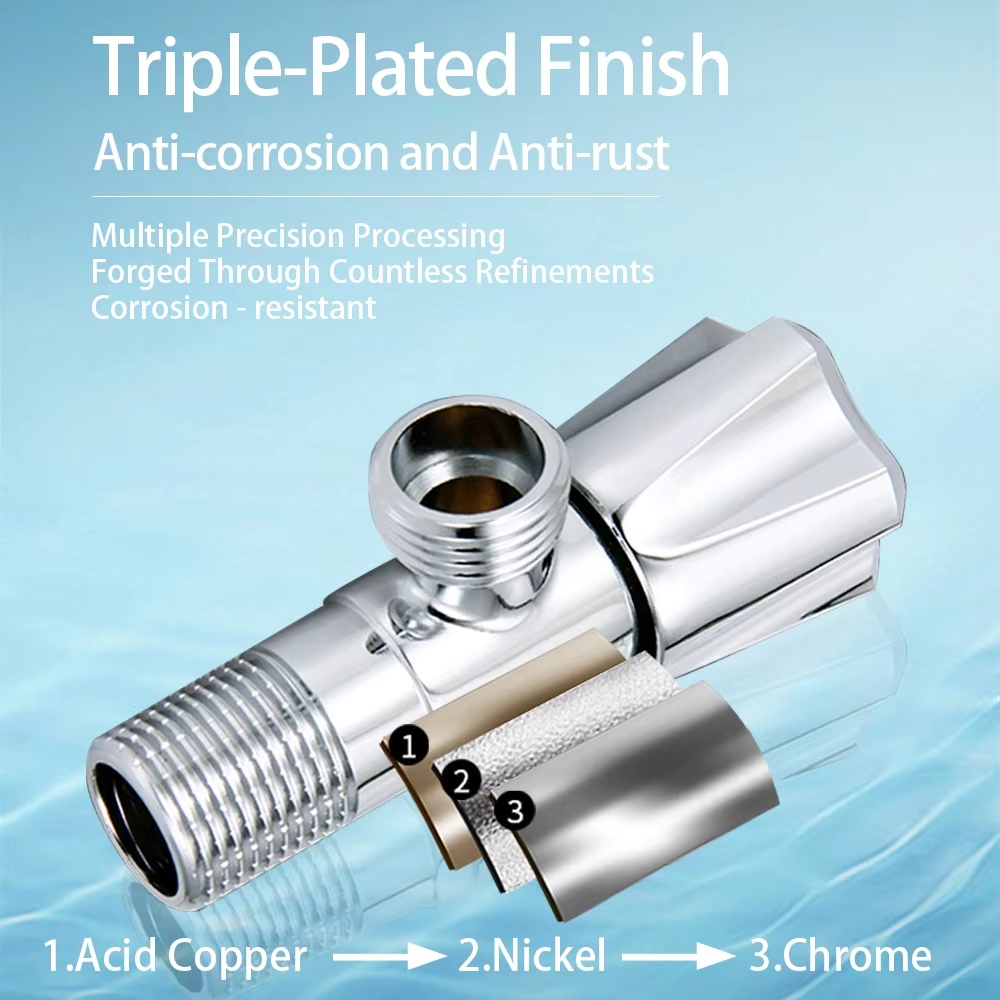
Modern fixture installations increasingly incorporate quarter-turn ball valve designs at individual connection points due to their reliable operation and ease of use during emergency situations. These valves resist mineral buildup and corrosion better than traditional compression-style alternatives, ensuring they remain functional even after years of infrequent use.
Emergency Response Procedures and Best Practices
Rapid Identification and Activation
Effective emergency response procedures begin with rapid identification of appropriate stop valve locations based on the specific nature and location of the plumbing emergency. Training building occupants to recognize different valve types and their operating procedures can significantly reduce response time during critical situations where every minute counts toward preventing extensive water damage. Clear labeling systems and periodic valve operation checks ensure emergency shutoff capabilities remain functional when needed most.
Activation procedures for stop valves vary depending on valve design, but general principles apply across most residential and commercial installations. Gate valves require clockwise rotation to close, often needing multiple complete turns to achieve full shutoff. Ball valves typically need only a quarter-turn rotation, with many featuring lever handles that provide visual indication of valve position through handle alignment with pipe direction.
Emergency response effectiveness depends heavily on regular maintenance and testing of stop valve operation before actual emergencies occur. Monthly activation and deactivation of seldom-used valves helps prevent mineral buildup and corrosion that could prevent proper operation during critical moments. This preventive maintenance also familiarizes building occupants with valve locations and operation procedures.
Professional Emergency Protocols
Professional plumbing emergency protocols emphasize systematic approaches to water control that maximize damage prevention while maintaining safety for both responders and building occupants. Initial assessment procedures typically involve identifying the water source and determining the most appropriate stop valve location for effective flow control without unnecessarily disrupting service to unaffected areas of the building.
Documentation requirements during emergency stop valve activation help ensure proper system restoration once repairs are completed. Professional protocols typically include recording valve positions, noting any operational difficulties encountered, and identifying maintenance needs discovered during emergency response activities. This information proves valuable for preventing future emergencies and improving overall system reliability.
Coordination with utility providers becomes necessary when main service stop valves require activation during major emergencies. Professional emergency protocols include procedures for contacting water utility companies and obtaining necessary approvals for service interruption when building-level controls prove insufficient for addressing severe plumbing failures or contamination risks.
Maintenance Requirements for Reliable Emergency Operation
Preventive Maintenance Schedules
Establishing comprehensive preventive maintenance schedules ensures stop valve reliability during emergency situations when proper operation becomes absolutely critical. Monthly visual inspections should identify obvious signs of corrosion, mineral buildup, or physical damage that could compromise valve operation. These routine checks also provide opportunities to verify that valve handles move freely and that position indicators function correctly.
Quarterly operational testing involves complete activation cycles for all accessible stop valves throughout the plumbing system. This process helps identify valves that have become difficult to operate due to mineral deposits or internal component wear. Early identification of operational problems allows for proactive maintenance that prevents complete valve failure during actual emergency situations.
Annual professional inspections provide comprehensive evaluation of stop valve condition and performance characteristics that may not be apparent during routine operational testing. Professional technicians can identify internal wear patterns, seal deterioration, and other issues that could lead to valve failure during emergency activation when reliable operation becomes essential for property protection.
Component Replacement and Upgrades
Component replacement schedules for stop valve systems depend on factors including water quality, usage frequency, and environmental conditions that affect valve longevity. Hard water areas typically require more frequent seal and gasket replacement due to accelerated mineral buildup that increases wear on moving components. Regular replacement of these consumable parts helps ensure continued reliable operation during emergency situations.
Upgrade opportunities often arise during routine maintenance activities when older stop valve designs can be replaced with more reliable modern alternatives. Ball valve conversions frequently improve emergency response capabilities by providing faster operation and more positive shutoff compared to traditional gate valve designs. These upgrades also typically offer improved longevity and reduced maintenance requirements over the operational lifespan.
Professional installation of replacement stop valves ensures proper sizing, orientation, and integration with existing plumbing systems. Incorrect installation can compromise emergency shutoff capabilities and create new leak points that actually increase rather than reduce potential water damage risks during future plumbing emergencies.
Integration with Modern Plumbing Systems
Smart Home Technology Compatibility
Modern smart home technology integration enhances stop valve emergency control capabilities through automated monitoring and remote activation systems. Smart water shutoff devices can detect unusual flow patterns, pressure changes, or moisture conditions that indicate potential plumbing emergencies and automatically activate appropriate stop valves to minimize water damage. These systems provide particular value for unoccupied buildings where traditional manual emergency response may not be immediately available.
Wireless sensor networks connected to stop valve systems enable real-time monitoring of water usage patterns and immediate notification when emergency shutoff activation occurs. Property owners can receive instant alerts about plumbing emergencies and valve activation status through smartphone applications, allowing for rapid response coordination even when away from the property.
Integration challenges arise when retrofitting traditional stop valve installations with smart control systems. Compatibility issues between existing valve designs and modern actuator mechanisms may require complete valve replacement rather than simple add-on installations. Professional evaluation helps determine the most cost-effective approach for achieving desired smart home integration while maintaining reliable emergency control capabilities.
Code Compliance and Safety Standards
Building code requirements for stop valve installation and emergency accessibility continue to evolve as understanding of effective water damage prevention improves. Current standards typically mandate stop valve installation at main service entrances, fixture supply connections, and key distribution points throughout commercial and residential buildings. Compliance with these requirements ensures adequate emergency control capabilities while meeting minimum safety standards.
Safety standard development focuses on ensuring stop valve accessibility during emergency conditions when visibility, mobility, or cognitive function may be impaired. Clear marking requirements, standardized operation procedures, and minimum clearance specifications help ensure that emergency responders can quickly locate and operate critical water control systems during high-stress situations.
Professional installation certification programs help ensure that stop valve systems meet all applicable safety and performance standards while providing reliable emergency control capabilities. These programs typically cover proper valve selection, installation procedures, testing requirements, and maintenance protocols that maximize system reliability throughout the operational lifespan.
FAQ
How quickly can a stop valve shut off water during an emergency
A properly functioning stop valve can completely shut off water flow within seconds of activation, depending on the valve type and size. Ball valves typically provide the fastest shutoff with quarter-turn operation, while gate valves may require several complete rotations but still achieve full shutoff within 30 seconds under normal conditions. The key factor for emergency response is ensuring valve accessibility and that building occupants know proper operation procedures before emergencies occur.
What maintenance signs indicate a stop valve needs immediate replacement
Critical warning signs include difficulty turning valve handles, visible water leakage around valve stems, corrosion that affects handle operation, and inability to achieve complete water shutoff when fully closed. Any of these conditions compromise emergency response capabilities and require immediate professional attention. Additionally, valves that have not been operated for several years should be tested regularly to ensure they remain functional when needed for emergency water control.
Can stop valves be installed in any location within a plumbing system
Stop valve installation locations must comply with local building codes and accessibility requirements, but generally can be placed at any point where emergency water control might be beneficial. Common locations include main service entrances, fixture supply lines, appliance connections, and zone distribution points. Professional plumbers can evaluate specific building layouts to recommend optimal stop valve placement that maximizes emergency response effectiveness while maintaining system efficiency during normal operation.
How often should stop valves be tested to ensure emergency readiness
Stop valves should be operated monthly to prevent mineral buildup and ensure smooth operation during emergencies. This regular testing also familiarizes building occupants with valve locations and operation procedures. Additionally, annual professional inspections can identify potential problems before they compromise emergency response capabilities. Properties in hard water areas or with infrequently used valves may require more frequent testing and maintenance to maintain reliable emergency control functionality.