
 EN
EN
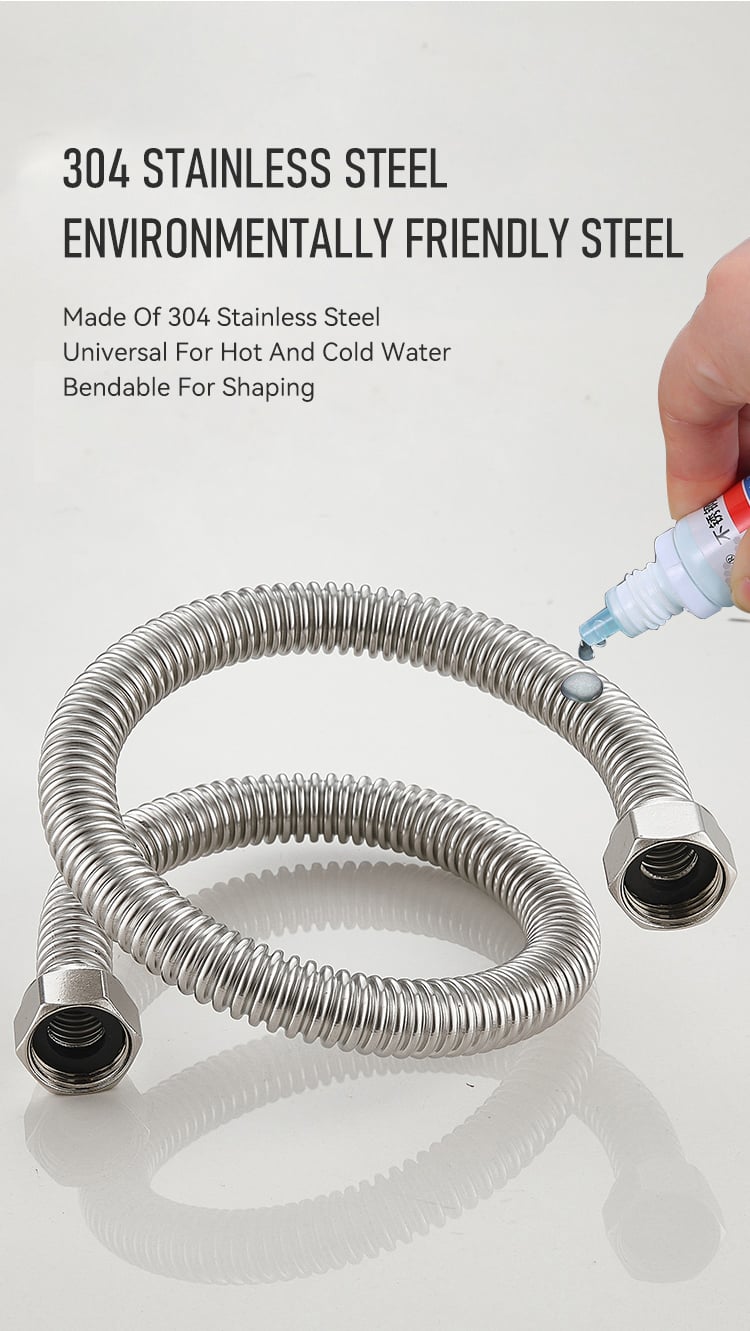
When selecting a connection component for gas appliances, the stakes are high. A weak or poorly designed connector can result in dangerous leaks, costly repairs, and serious safety hazards. The gas corrugated hose has emerged as the preferred solution for professionals and homeowners who demand both superior leak resistance and extended service life. Understanding what makes this component stand out is the first step toward making a safer, smarter installation decision.
A gas corrugated hose is engineered with a flexible, ridged structure that allows it to absorb movement, vibration, and minor misalignment without compromising the seal. This structural advantage directly addresses two of the most common failure points in gas connections: mechanical stress and material fatigue. Whether the application involves a kitchen range, a bathroom water heater, or an industrial gas supply line, the gas corrugated hose consistently outperforms rigid pipe alternatives in both safety and longevity.
The Structural Design Behind Leak Resistance
How Corrugated Construction Seals Gas Tight
The defining feature of a gas corrugated hose is its corrugated inner wall, which forms a continuous series of ridges and grooves along the entire length of the hose. This geometry does more than provide flexibility. It creates multiple micro-sealing points along the hose body that resist internal gas pressure more effectively than smooth-bore tubing. When gas pressure fluctuates, as it often does in real-world supply systems, the gas corrugated hose distributes that pressure across its entire corrugated surface rather than concentrating stress at a single point.
In addition, the stainless steel construction used in a high-quality gas corrugated hose resists corrosion from both the external environment and trace moisture in the gas supply. Corrosion is one of the leading causes of micro-leaks in older metal hose systems. By using grade 304 or grade 316 stainless steel, the gas corrugated hose maintains a clean, oxide-free surface that sustains a reliable seal over many years of continuous use.
End Fittings and Connection Integrity
A gas corrugated hose is only as leak-resistant as its end connections. Premium designs feature swaged or press-fitted end fittings that form a permanent mechanical bond with the corrugated body. This eliminates the threaded joint weaknesses commonly seen in older rubber hose assemblies. The gas corrugated hose fitting is typically designed with a tapered thread or flat-face seal that aligns precisely with standard gas valve outlets, ensuring a consistent and verifiable gas-tight connection every time it is installed.
Factors That Extend the Service Life of a Gas Corrugated Hose
Material Durability Under Thermal and Mechanical Stress
One of the primary reasons the gas corrugated hose outlasts rubber and PVC alternatives is its resistance to thermal cycling. Kitchen and water heater environments regularly expose connection hoses to elevated temperatures, rapid heating, and cooling cycles. Rubber hoses degrade, crack, and harden under these conditions. The gas corrugated hose, constructed from stainless steel, maintains its mechanical properties across a wide temperature range without becoming brittle or losing its sealing integrity.
Mechanical flexibility is another durability advantage. The gas corrugated hose can be bent, repositioned, and adjusted during installation without risk of kinking or cracking. This flexibility also means the gas corrugated hose absorbs the minor vibrations generated by gas appliances during operation, preventing fatigue cracking at the connection points. Over time, this vibration absorption translates directly into a longer maintenance-free service life compared to rigid connectors.
Warranty Standards as a Reliability Indicator
When evaluating a gas corrugated hose for a long-term installation, the manufacturer warranty period is one of the most meaningful indicators of product reliability. A gas corrugated hose backed by a warranty of five years or more signals that the manufacturer has confidence in the material quality, the manufacturing process, and the durability of the end fittings. This assurance is especially important in commercial kitchen environments and multi-family residential buildings where maintenance access is limited and connection reliability is non-negotiable.
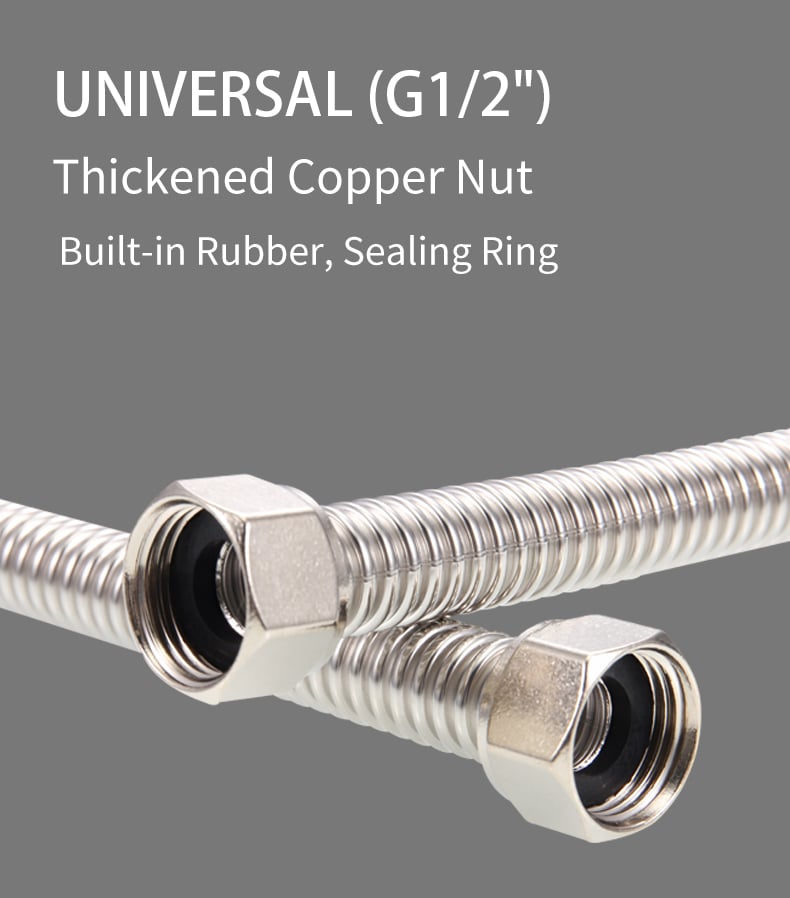
Choosing a gas corrugated hose with a strong warranty also reduces total cost of ownership. While the upfront cost of a high-quality gas corrugated hose may be slightly higher than budget rubber alternatives, the elimination of premature replacement costs and the reduction of leak-related service calls makes the investment financially sound over a three-to-five-year horizon.
Application Suitability and Installation Best Practices
Where a Gas Corrugated Hose Performs Best
The gas corrugated hose is ideally suited for connecting gas supply lines to kitchen ranges, built-in ovens, bathroom water heaters, and space heaters. Its flexibility makes the gas corrugated hose particularly valuable in tight cabinet spaces or under-counter installations where a rigid pipe would require precise bending and multiple additional fittings. In these confined environments, the gas corrugated hose simplifies routing, reduces the number of connection points, and directly reduces the number of potential leak locations.
Commercial food service environments also benefit significantly from the gas corrugated hose. In professional kitchens, appliances are frequently moved for cleaning or reconfiguration. The gas corrugated hose accommodates this movement without requiring disconnection, protecting both the appliance and the gas supply system from repeated stress. This adaptability makes the gas corrugated hose the standard choice for commercial kitchen designers and facility managers who prioritize safety and operational efficiency.
Installation Practices That Maximize Performance
Proper installation is essential to realizing the full leak-resistance and longevity benefits of a gas corrugated hose. The gas corrugated hose should never be twisted during installation, as torsional stress can damage the corrugated body and compromise sealing at the end fittings. Instead, the installer should route the gas corrugated hose in a smooth curve that follows the natural path between the supply valve and the appliance inlet. Applying thread sealant or PTFE tape to the end fittings, following the manufacturer's specification, further enhances the connection seal.
Periodic visual inspection of the gas corrugated hose is also recommended, even when no leak is suspected. Inspectors should check for surface discoloration, physical deformation, or corrosion at the end fittings. A well-maintained gas corrugated hose in a standard residential or light commercial environment should show no significant wear within its warranty period, confirming that the gas corrugated hose is delivering on its promise of safe, long-lasting performance.
FAQ
How often should a gas corrugated hose be replaced?
A gas corrugated hose made from stainless steel typically has a service life of five years or more under normal conditions. Replacement should be scheduled if the gas corrugated hose shows visible corrosion, physical damage, or if a leak is detected during a pressure test. Following the manufacturer's recommended replacement interval is the safest practice.
Can a gas corrugated hose be used for both natural gas and LPG?
Most stainless steel gas corrugated hose products are rated for both natural gas and liquefied petroleum gas. However, it is essential to verify the specific gas corrugated hose rating on the product label or datasheet before installation, as pressure ratings and material compatibility can vary between models and regional standards.
Is a gas corrugated hose suitable for outdoor installations?
A stainless steel gas corrugated hose can be used in outdoor settings where it is protected from direct UV exposure and physical impact. For fully exposed outdoor installations, selecting a gas corrugated hose with an additional protective coating or sleeve is recommended to maximize corrosion resistance and extend the service life of the connection.