
 EN
EN
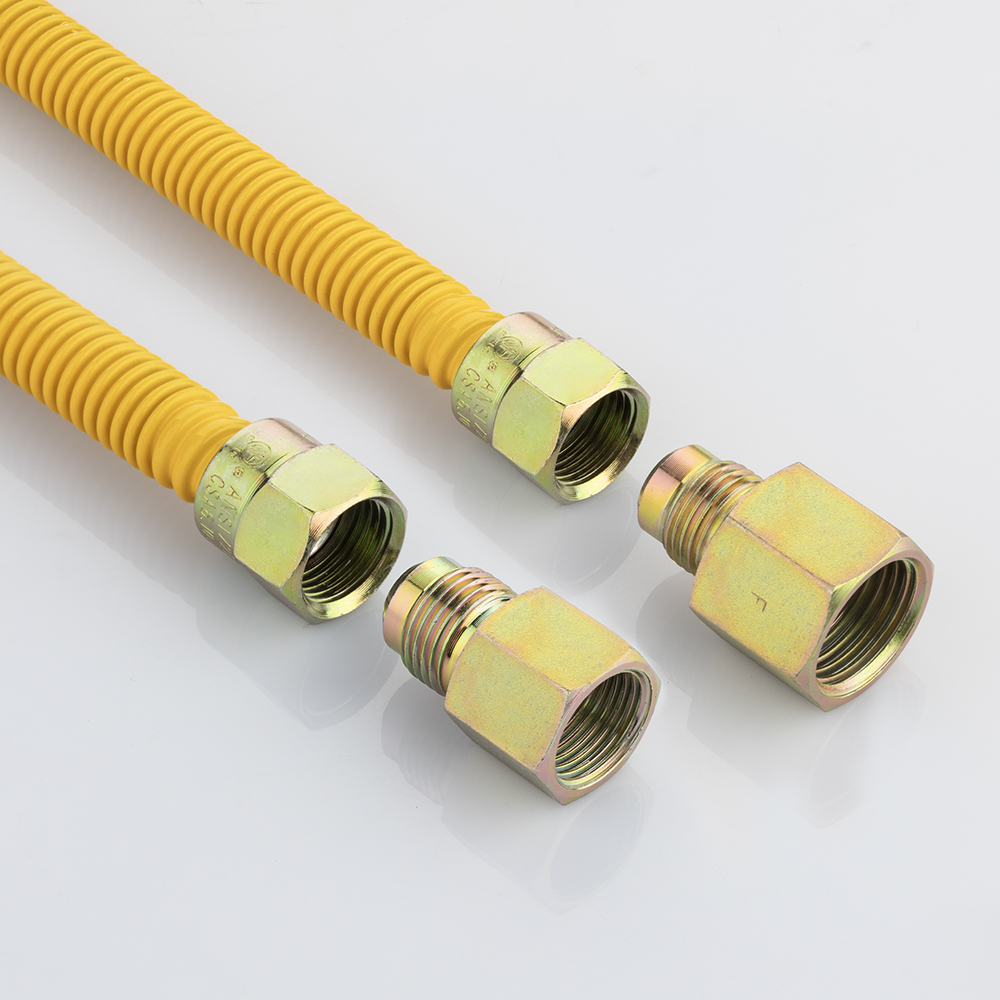
A gas hose is one of the most critical yet often overlooked components in any residential or commercial gas system. Whether it connects a kitchen range, a water heater, or an outdoor grill, the gas hose carries flammable fuel under pressure every single day. When a gas hose fails, the consequences can range from inefficient appliance performance to dangerous gas leaks that put lives and property at serious risk.
Understanding why a gas hose fails and what the most common gas hose issues are is essential for property owners, facility managers, and installation professionals. Early recognition of gas hose warning signs allows you to replace or repair before a minor problem becomes a major hazard. This article breaks down the root causes of gas hose failure and the typical problems you should watch for in any gas hose installation.
Root Causes of Gas Hose Failure
Material Degradation Over Time
Every gas hose is made from materials that naturally degrade as they age. Rubber-based gas hose constructions are especially vulnerable because rubber becomes brittle, stiff, and prone to cracking after years of exposure to heat, UV radiation, and the chemicals present in natural gas or LPG. Even a stainless steel flexible gas hose can experience internal liner wear over an extended period. When the material of a gas hose degrades, the hose loses its ability to maintain a proper pressure seal, creating conditions where gas can seep through microscopic cracks.
The lifespan of a gas hose depends heavily on the quality of materials used in manufacturing. A low-quality gas hose may show signs of material breakdown within two to three years, while a high-grade stainless steel gas hose with a durable inner liner can maintain safe operation for more than five years under normal use conditions. Choosing the right gas hose for your specific application significantly reduces the risk of premature material failure.
Improper Installation Practices
Installation errors are among the most frequent causes of early gas hose failure. When a gas hose is kinked during installation, the internal flow path becomes restricted and stress concentrates at the bend point, accelerating wear. Over-tightening the fittings on a gas hose can crush the sealing surfaces and cause cracks to develop near the connection points. Under-tightening leaves gaps where gas can escape immediately after installation. A gas hose must be installed following the manufacturer's specifications, ensuring the correct bend radius, proper fitting torque, and compatible thread standards are all respected.
Common Gas Hose Problems in Daily Use
Gas Leaks at Connection Points
A gas leak at the fitting end of a gas hose is one of the most frequently reported gas hose problems. This type of failure typically occurs when the sealant or thread tape applied during installation degrades over time, when the fitting corrodes, or when the gas hose experiences repeated mechanical stress from appliance movement. Even minor vibration from nearby equipment can gradually loosen a gas hose fitting and allow gas to escape. A routine check using a soapy water solution applied around each gas hose connection can reveal small leaks before they become dangerous.
Connection-point leaks on a gas hose are also caused by thermal cycling. When temperatures fluctuate significantly between day and night, the metal fittings on a gas hose expand and contract at slightly different rates than the hose body itself. Over many cycles, this differential movement creates micro-gaps at the joint. Any gas hose used in an outdoor environment or near a heat source is particularly susceptible to this type of failure.
Physical Damage and Abrasion
Physical damage is a leading cause of gas hose problems in both residential kitchens and commercial installations. A gas hose routed across a rough surface or in contact with a sharp edge will develop abrasion damage on its outer layer over time. Once the outer protection of a gas hose is compromised, moisture and corrosive substances can attack the inner structure. In commercial kitchens, a gas hose is often exposed to grease, cleaning chemicals, and heavy foot traffic, all of which accelerate surface damage. Any gas hose showing visible cuts, abrasion marks, or crushed sections must be replaced immediately.
Corrosion and Chemical Exposure
Corrosion is a serious long-term threat to any gas hose, particularly in humid environments or areas where cleaning agents are frequently used. A gas hose made from low-grade materials can develop rust on its fittings and outer braid, weakening the overall structure. Chemical exposure from household cleaners or industrial solvents can attack the outer jacket of a gas hose, causing it to swell, soften, or crack. Selecting a gas hose with a corrosion-resistant stainless steel construction and a durable outer layer is the most effective way to prevent chemically induced failure in demanding environments.
Preventing Gas Hose Failure Effectively
Regular Inspection and Replacement Schedules
The single most effective way to prevent gas hose failure is to establish a regular inspection and replacement schedule. A gas hose should be visually inspected at least once every six months for signs of wear, cracking, corrosion, or fitting looseness. Even a gas hose that appears undamaged externally should be replaced according to the manufacturer's recommended service life. Most professional gas installation standards suggest replacing a gas hose every five years regardless of visible condition, because internal degradation is not always visible from the outside.
Keeping a written record of when each gas hose was installed and when it is due for replacement helps property owners and facility managers stay ahead of potential failures. A proactive gas hose replacement schedule is far less costly than dealing with the aftermath of a gas leak or appliance shutdown caused by a failed gas hose.
Selecting the Right Gas Hose for the Application
Not every gas hose is suited for every application. A gas hose rated for natural gas may not be compatible with LPG, and a gas hose designed for indoor use may lack the UV resistance needed for outdoor installations. Matching the gas hose specification to the actual operating environment — including temperature range, pressure rating, and chemical exposure — is critical to long service life. A stainless steel flexible gas hose with verified pressure ratings and compliance with relevant installation standards is always the preferred choice for both kitchen and water heater applications where durability and safety are priorities.
FAQ
How often should a gas hose be replaced?
A gas hose should generally be replaced every five years, even if no visible damage is present. Internal wear and material degradation inside a gas hose may not be detectable without cutting the hose open, so following a time-based replacement schedule is the safest practice for any gas hose installation.
What are the warning signs that a gas hose is failing?
Key warning signs of a failing gas hose include visible cracks or brittleness in the hose body, rust or corrosion on the fittings, a detectable smell of gas near the gas hose connections, and any visible kinking or crushing of the gas hose body. If you notice any of these symptoms, the gas hose should be taken out of service immediately and replaced by a qualified professional.
Can a damaged gas hose be repaired rather than replaced?
A damaged gas hose should never be repaired using tape, sealant, or makeshift methods. Any gas hose that shows physical damage, leaking connections, or material degradation must be fully replaced with a new gas hose that meets the required safety and pressure standards. Attempting to repair a gas hose rather than replacing it puts users at serious risk of gas leaks or hose burst failure.