
 EN
EN
Selecting the right angle valve for your plumbing installation is a critical decision that directly impacts system performance, longevity, and maintenance requirements. Whether you're working on residential or commercial projects, understanding the key factors that influence valve selection ensures optimal functionality and prevents costly issues down the line. Professional installers and facility managers must evaluate multiple technical specifications, environmental conditions, and application requirements before making their final choice.
Modern plumbing systems demand precision-engineered components that can withstand varying pressures, temperatures, and chemical exposures while maintaining reliable operation over extended periods. The wrong valve selection can lead to premature failure, water damage, increased maintenance costs, and system downtime that affects building occupants or industrial processes. Therefore, a systematic approach to valve evaluation becomes essential for successful project outcomes.
Understanding Angle Valve Design Fundamentals
Basic Construction and Operating Principles
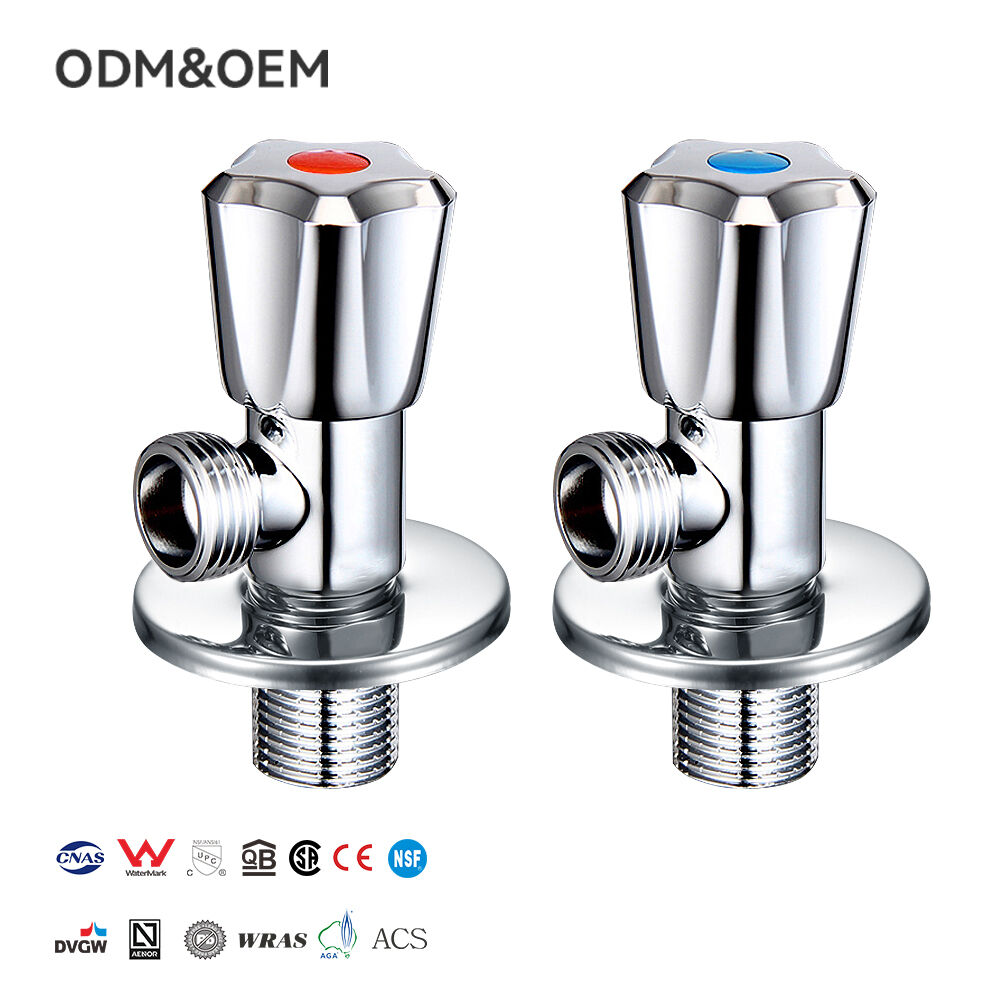
An angle valve features a unique L-shaped configuration that allows fluid flow to change direction by 90 degrees within the valve body. This design eliminates the need for additional elbow fittings, reducing potential leak points and creating a more compact installation footprint. The internal flow path typically includes a seat, disc, and stem assembly that controls fluid passage through precise mechanical positioning.
The valve stem connects to an external handle or actuator, enabling operators to modulate flow rates or achieve complete shutoff as required. Quality angle valves incorporate robust sealing mechanisms, including O-rings, gaskets, and packing materials that maintain leak-tight performance under specified operating conditions. Understanding these fundamental components helps installers appreciate the importance of proper selection criteria.
Material Selection and Compatibility
Valve body materials must withstand the specific media, pressure, and temperature conditions present in each application. Common materials include brass, bronze, stainless steel, and various plastic compounds, each offering distinct advantages for particular service environments. Brass angle valves provide excellent corrosion resistance in standard water applications, while stainless steel variants excel in chemical processing or high-purity systems.
Internal components like seats, discs, and seals require careful material matching to ensure chemical compatibility and prevent premature degradation. For example, elastomeric seals may not withstand certain solvents or extreme temperatures, while metal seats might not provide adequate shutoff in low-pressure applications. Professional installers must verify material specifications against actual service conditions.
Critical Performance Parameters
Pressure and Temperature Ratings
Every angle valve carries specific pressure and temperature ratings that define safe operating limits under various conditions. These ratings typically appear as maximum working pressure at ambient temperature, with derating curves showing reduced pressure capabilities at elevated temperatures. Exceeding these limits can cause catastrophic failure, property damage, and safety hazards.
Installation environments may subject valves to pressure surges, thermal cycling, and transient conditions that differ from steady-state ratings. Water hammer effects, thermal expansion, and system startup procedures can generate temporary conditions exceeding normal operating parameters. Selecting valves with appropriate safety margins ensures reliable performance throughout the system lifecycle.
Flow Characteristics and Sizing
Proper valve sizing requires understanding flow coefficient (Cv) values and pressure drop characteristics across the operating range. Undersized valves create excessive pressure drops that reduce system efficiency and may cause cavitation or noise issues. Oversized valves may not provide adequate flow control resolution and could lead to unstable operation in modulating applications.
The Angle Valve design inherently creates some pressure drop due to the 90-degree flow path, which must be factored into system calculations. Advanced valve designs incorporate streamlined internal geometries that minimize turbulence and reduce pressure losses while maintaining structural integrity.
Installation Environment Considerations
Space Constraints and Accessibility
Installation locations often impose significant space limitations that influence valve selection and configuration. Angle valves offer advantages in tight spaces where traditional straight valves would require additional fittings, but handle orientation and actuation clearances must still be considered. Maintenance accessibility becomes crucial for valves requiring periodic servicing or adjustment.
Building codes and safety regulations may specify minimum clearances around valve installations, particularly in mechanical rooms or areas where emergency shutoff access is required. Remote actuation options, including extended stems or pneumatic operators, can address accessibility challenges while maintaining safe operation requirements.
Environmental Factors and Protection
Outdoor installations or harsh indoor environments expose angle valves to various environmental stresses that affect performance and longevity. Moisture, temperature extremes, chemical vapors, and physical impacts can degrade valve components over time. Protective coatings, weatherproof enclosures, and material upgrades may be necessary for challenging installations.
Seismic considerations become important in earthquake-prone regions, where valve mounting and piping flexibility must accommodate building movements without compromising system integrity. Fire safety requirements may mandate specific valve materials or operating characteristics to ensure continued functionality during emergency conditions.
Application-Specific Requirements
Residential Plumbing Applications
Residential angle valve installations typically serve fixture connections, appliance feeds, or service shutoffs where compact design and reliable operation are priorities. Water quality, pressure fluctuations, and homeowner operation patterns influence valve selection criteria. Lead-free materials comply with drinking water regulations while providing adequate service life.
Maintenance considerations include easy handle operation for elderly or disabled residents, clear position indication, and minimal maintenance requirements. Noise generation during operation can be problematic in residential settings, making smooth-operating designs with minimal turbulence preferable for bedroom or living area installations.
Industrial Process Applications
Industrial applications subject angle valves to aggressive media, extreme operating conditions, and stringent performance requirements that demand specialized designs and materials. Process compatibility, contamination prevention, and system integration capabilities become critical selection factors. Documentation and traceability requirements may necessitate certified valve designs with complete material certifications.
Automation compatibility allows angle valves to integrate with process control systems for remote operation, monitoring, and data logging. Position feedback, fail-safe operation modes, and emergency shutdown capabilities enhance system safety and operational efficiency in industrial environments.
Quality Standards and Certification
Industry Standards Compliance
Reputable angle valve manufacturers design products to meet or exceed established industry standards that define minimum performance, testing, and quality requirements. These standards ensure consistent product quality, interchangeability, and safety across different manufacturers and applications. Common standards include ASME, ANSI, MSS, and various international equivalents.
Third-party testing and certification provide additional assurance of product quality and compliance with stated specifications. Independent laboratories verify pressure ratings, material properties, and operational characteristics through standardized test procedures. This documentation becomes essential for warranty claims, insurance requirements, and regulatory compliance.
Manufacturing Quality Control
Advanced manufacturing processes and quality control systems ensure consistent product quality and eliminate defective valves before distribution. Statistical process control, automated testing, and comprehensive inspection procedures identify potential issues early in the production cycle. Quality certifications like ISO 9001 demonstrate manufacturer commitment to continuous improvement and customer satisfaction.
Traceability systems track individual valve components from raw materials through final assembly and testing, enabling rapid identification and resolution of any quality issues. This capability becomes crucial for critical applications where valve failure could have serious consequences.
Installation and Maintenance Planning
Proper Installation Techniques
Correct angle valve installation requires attention to pipe alignment, joint preparation, and torque specifications to ensure reliable, leak-free operation. Improper installation practices can damage valve components, create stress concentrations, or compromise sealing integrity. Professional installers follow manufacturer guidelines and industry best practices throughout the installation process.
System flushing and testing procedures verify proper valve operation and identify any installation-related issues before system commissioning. Hydrostatic testing at specified pressures confirms joint integrity and valve performance under operating conditions. Documentation of installation procedures and test results supports warranty claims and maintenance planning.
Preventive Maintenance Strategies
Regular maintenance schedules extend angle valve service life and prevent unexpected failures that could disrupt operations or cause property damage. Inspection procedures identify early signs of wear, corrosion, or damage that require attention before complete failure occurs. Lubrication, packing adjustment, and seal replacement represent common maintenance activities.
Spare parts availability and maintenance training ensure that facility personnel can perform routine services efficiently and effectively. Manufacturer support, technical documentation, and training programs help maintenance teams develop the skills necessary for proper valve care and troubleshooting.
FAQ
What pressure rating should I choose for my angle valve installation?
Select an angle valve with a pressure rating that exceeds your maximum system pressure by at least 25% to account for pressure surges and provide a safety margin. Consider both static pressure and dynamic conditions like water hammer that can create temporary pressure spikes. Consult manufacturer specifications and local codes for specific requirements in your application.
How do I determine the correct size for my angle valve?
Proper valve sizing depends on required flow rates, acceptable pressure drop, and downstream equipment requirements. Calculate the flow coefficient (Cv) needed for your application and select a valve size that provides this capacity with reasonable pressure drop. Consider future system modifications that might increase flow requirements.
Can I use the same angle valve for both hot and cold water applications?
Many angle valves are rated for both hot and cold water service, but temperature ratings vary by design and materials. Check manufacturer specifications for maximum temperature limits and ensure all valve components including seals and packing can withstand your operating temperatures. Some applications may require temperature-specific designs.
What maintenance is required for angle valves in residential applications?
Residential angle valves typically require minimal maintenance beyond periodic operation to prevent seizure and visual inspection for leaks or damage. Replace packing or seals if minor leakage develops, and consider full valve replacement if internal components show significant wear. Most residential installations can operate many years without service when properly installed with quality valves.