
 EN
EN
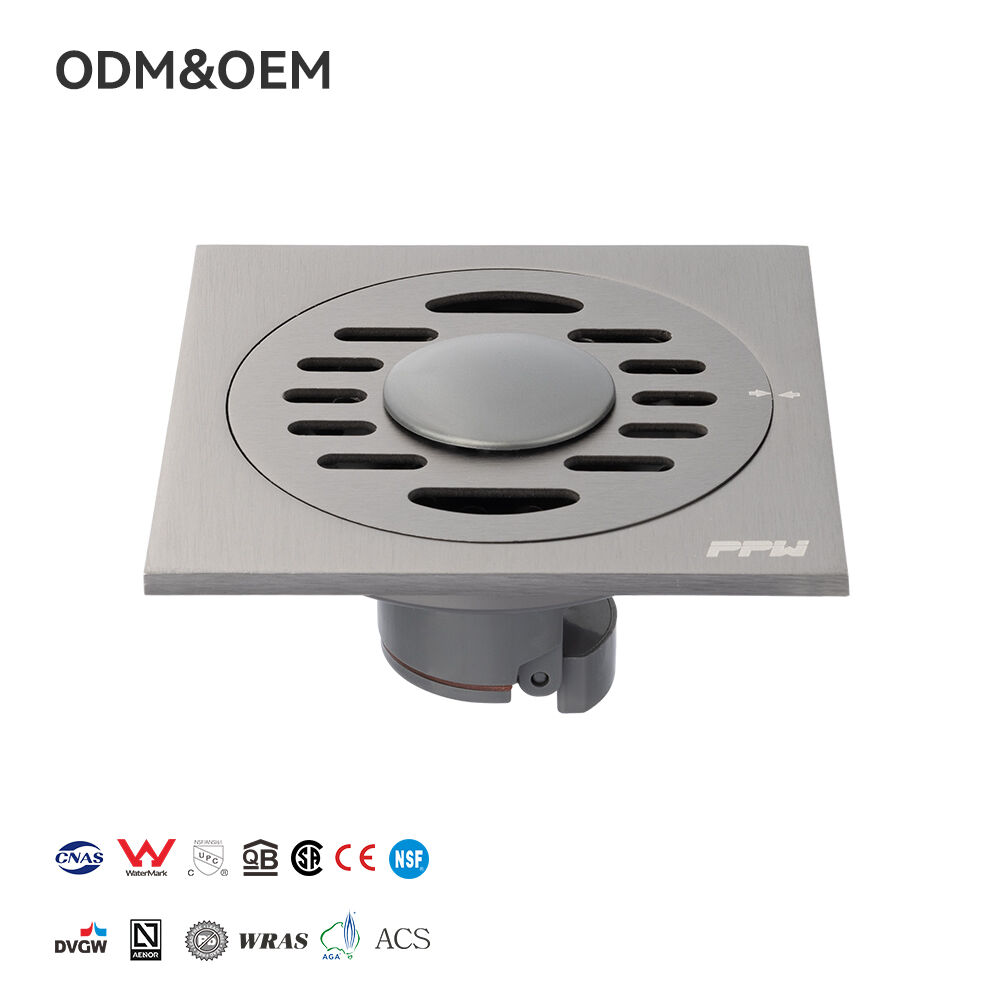
Modern bathroom and kitchen maintenance has evolved significantly with innovative drainage solutions that prioritize both functionality and efficiency. A well-designed drainer can transform your cleaning routine from a tedious chore into a streamlined process, saving valuable time while maintaining optimal hygiene standards. The strategic implementation of effective drainage systems reduces water accumulation, prevents bacterial growth, and minimizes the need for frequent deep cleaning interventions.
Contemporary drainage technology focuses on eliminating common pain points that slow down cleaning processes. Traditional drainage systems often accumulate debris, create unpleasant odors, and require extensive disassembly for proper maintenance. Advanced drainer designs address these challenges through superior engineering that promotes continuous water flow while preventing blockages and contamination buildup.
The impact of efficient drainage extends beyond immediate cleaning benefits. Property managers, facility maintenance teams, and homeowners recognize that investing in quality drainage infrastructure reduces long-term maintenance costs and improves overall sanitation standards. Simple-design solutions often outperform complex systems by offering reliable performance with minimal maintenance requirements.
Engineering Features That Accelerate Cleaning
Anti-Clog Technology Integration
Advanced drainer systems incorporate sophisticated filtration mechanisms that prevent debris accumulation without compromising water flow rates. These systems utilize precision-engineered strainer patterns that capture solid particles while allowing liquids to pass through efficiently. The strategic placement of filtration elements ensures that cleaning agents and rinse water move freely through the drainage system.
The engineering behind anti-clog technology focuses on creating turbulent flow patterns that naturally dislodge accumulated particles. This self-cleaning action reduces the frequency of manual intervention and maintains consistent drainage performance over extended periods. Professional-grade materials resist corrosion and bacterial adhesion, further enhancing the system's self-maintenance capabilities.
Surface Treatment Innovation
Modern drainage surfaces feature specialized coatings and textures that repel organic matter and prevent biofilm formation. These treatments create hydrophobic properties that encourage rapid water evacuation while discouraging bacterial colonization. The smooth surface characteristics facilitate easy cleaning with standard sanitizing solutions.
Stainless steel surfaces treated with advanced finishing techniques provide superior resistance to chemical cleaning agents commonly used in commercial and residential applications. The non-porous surface structure prevents absorption of cleaning compounds, ensuring that sanitizing agents remain effective during the cleaning process rather than being neutralized by surface interactions.
Installation Strategies for Maximum Efficiency
Positioning and Slope Optimization
Proper drainer placement significantly influences cleaning efficiency by ensuring optimal water flow patterns throughout the designated area. Strategic positioning considers traffic patterns, cleaning equipment access, and natural water flow tendencies to maximize drainage effectiveness. The slope configuration around drainage points creates natural channels that guide contaminated water toward collection areas.
Professional installation techniques ensure that drainage systems integrate seamlessly with existing floor structures while maintaining structural integrity. The coordination between drainage placement and flooring materials prevents water pooling in areas where cleaning equipment cannot effectively reach. This integration reduces the need for manual water removal during cleaning procedures.
Accessibility and Maintenance Access
Design considerations for maintenance access enable quick cleaning interventions without requiring specialized tools or extensive disassembly procedures. Removable components allow cleaning personnel to access internal drainage mechanisms while maintaining system integrity. The accessibility features reduce downtime during maintenance procedures and enable more frequent cleaning cycles.
Standardized connection interfaces ensure compatibility with common cleaning equipment and drainage tools used by professional maintenance teams. This compatibility extends the versatility of cleaning procedures and enables the use of mechanized cleaning systems that further accelerate the sanitation process.
Hygiene Benefits and Contamination Control
Bacterial Growth Prevention
Effective drainage systems create environmental conditions that discourage bacterial proliferation by eliminating standing water and organic matter accumulation. The continuous water flow facilitated by quality drainer designs prevents the stagnant conditions that support microbial growth. This preventive approach reduces the bacterial load that cleaning procedures must address.
The materials and surface treatments used in advanced drainage systems provide inherent antimicrobial properties that supplement chemical sanitizing procedures. These properties remain active between cleaning cycles, providing continuous contamination control that enhances overall hygiene standards while reducing the intensity of required cleaning interventions.
Odor Elimination Technology
Modern drainer systems incorporate odor control mechanisms that prevent unpleasant smells from developing during normal use cycles. These mechanisms often include trap seal technology that maintains water barriers preventing sewer gas infiltration while allowing normal drainage functions. The elimination of odor sources reduces the need for additional deodorizing procedures during cleaning.
Ventilation integration within drainage systems promotes air circulation that prevents anaerobic conditions conducive to odor-producing bacterial activity. This circulation maintains fresh air exchange around drainage areas and supports the effectiveness of cleaning chemicals by ensuring proper oxygen levels for oxidizing sanitizers.
Commercial Applications and Industry Benefits
Food Service Industry Requirements
Commercial kitchens and food processing facilities require drainage solutions that meet stringent sanitary standards while supporting high-volume cleaning operations. A professional-grade drainer system designed for commercial applications handles grease, food particles, and cleaning chemicals without compromising performance or creating sanitary hazards.
The rapid cleaning cycles required in commercial food service environments demand drainage systems that can process large volumes of wash water while maintaining consistent flow rates. These systems must also resist the corrosive effects of commercial cleaning chemicals and high-temperature sanitizing procedures commonly used in professional kitchens.
Healthcare Facility Standards
Healthcare environments require drainage solutions that support infection control protocols while facilitating frequent cleaning and disinfection procedures. The drainage systems must handle medical waste liquids, disinfectants, and cleaning solutions without creating cross-contamination risks or impeding sanitation workflows.
Hospital-grade drainage systems incorporate features that prevent backflow and maintain positive drainage flow to prevent contaminated materials from re-entering clean areas. These systems support the rigorous cleaning schedules required in medical facilities while maintaining the reliability necessary for continuous operation in critical healthcare environments.
Maintenance Protocols and Long-term Performance
Preventive Maintenance Scheduling
Establishing regular maintenance schedules for drainage systems ensures consistent cleaning performance while preventing costly repairs or replacements. These schedules coordinate with overall facility maintenance programs to minimize disruption while maintaining optimal system performance. The predictive maintenance approach identifies potential issues before they impact cleaning efficiency.
Documentation of maintenance activities enables facilities to track drainage system performance over time and identify optimization opportunities. This data-driven approach to maintenance planning reduces unexpected failures and ensures that cleaning operations maintain consistent efficiency levels throughout the system's operational lifetime.
Performance Monitoring and Optimization
Monitoring drainage system performance involves tracking flow rates, cleaning chemical effectiveness, and overall sanitation outcomes to identify areas for improvement. Regular performance assessments ensure that drainage systems continue meeting facility requirements while adapting to changing operational demands.
Optimization strategies may involve adjusting cleaning procedures, modifying chemical concentrations, or upgrading system components to maintain peak performance levels. These continuous improvement efforts ensure that drainage systems provide maximum value while supporting evolving cleanliness standards and regulatory requirements.
FAQ
How often should a commercial drainer system be deep cleaned?
Commercial drainer systems typically require deep cleaning every 30-90 days depending on usage intensity and facility type. High-volume facilities like restaurants may need monthly deep cleaning, while low-traffic areas can extend to quarterly intervals. The cleaning frequency should increase if you notice slow drainage, odors, or visible buildup around drainage areas.
What materials work best for long-term drainer performance?
Stainless steel grades 304 and 316 provide optimal durability and chemical resistance for most commercial applications. These materials resist corrosion from cleaning chemicals while maintaining structural integrity under heavy use. Cast iron and PVC may be suitable for specific applications but generally offer lower performance in demanding commercial environments.
Can simple-design drainers handle high-volume cleaning operations?
Yes, simple-design drainers often outperform complex systems in high-volume applications due to fewer failure points and easier maintenance access. The key factors are proper sizing, quality materials, and appropriate installation rather than system complexity. Simple designs typically offer better reliability and faster cleaning cycles compared to over-engineered alternatives.
What are the signs that a drainer system needs immediate attention?
Warning signs include slow drainage during cleaning, persistent odors after sanitization, visible debris accumulation, gurgling sounds, or standing water around drainage areas. These symptoms indicate potential blockages, seal failures, or structural issues that require immediate professional assessment to prevent contamination risks and cleaning efficiency problems.