
 EN
EN
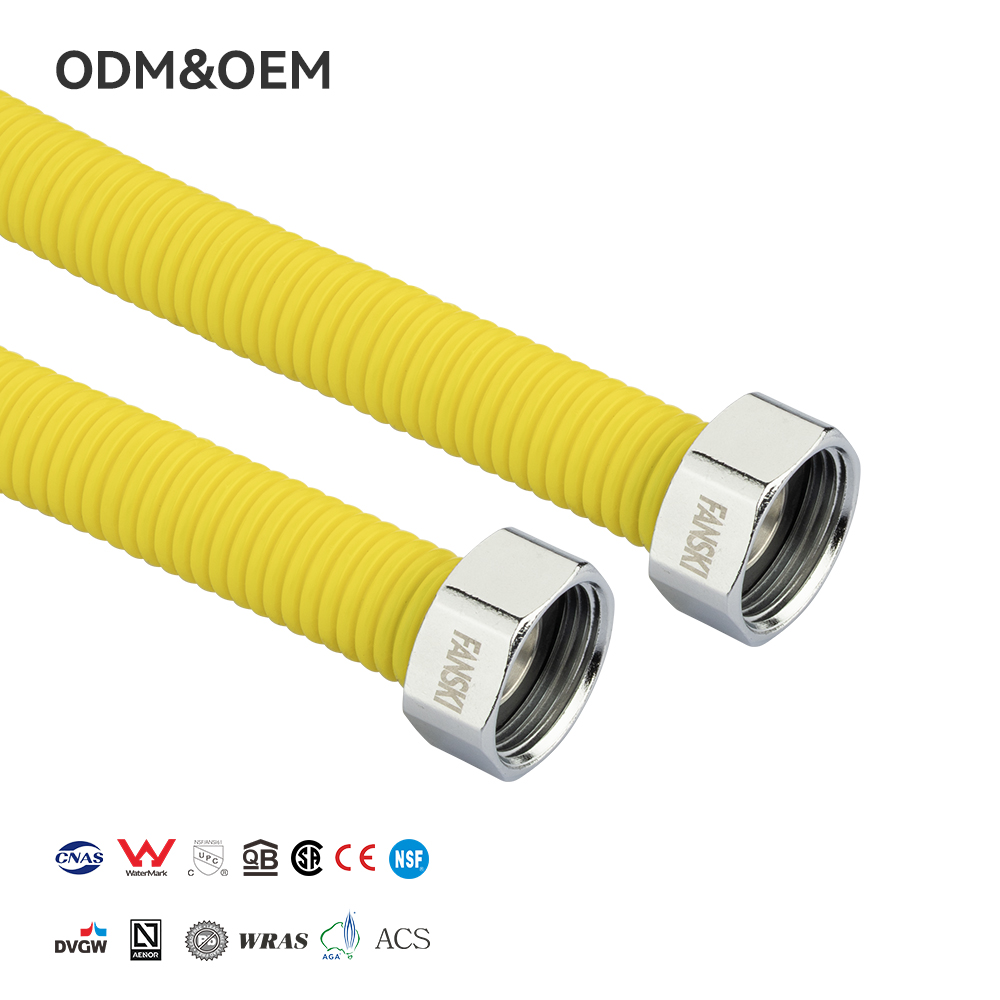
Selecting the right gas hose for your appliances is one of the most critical safety decisions you can make in any residential or commercial kitchen, bathroom, or heating system. An improper gas hose choice can lead to gas leaks, safety hazards, and potential equipment damage. Understanding what factors matter most when choosing a gas hose will help you make informed decisions that protect your property and everyone in it.
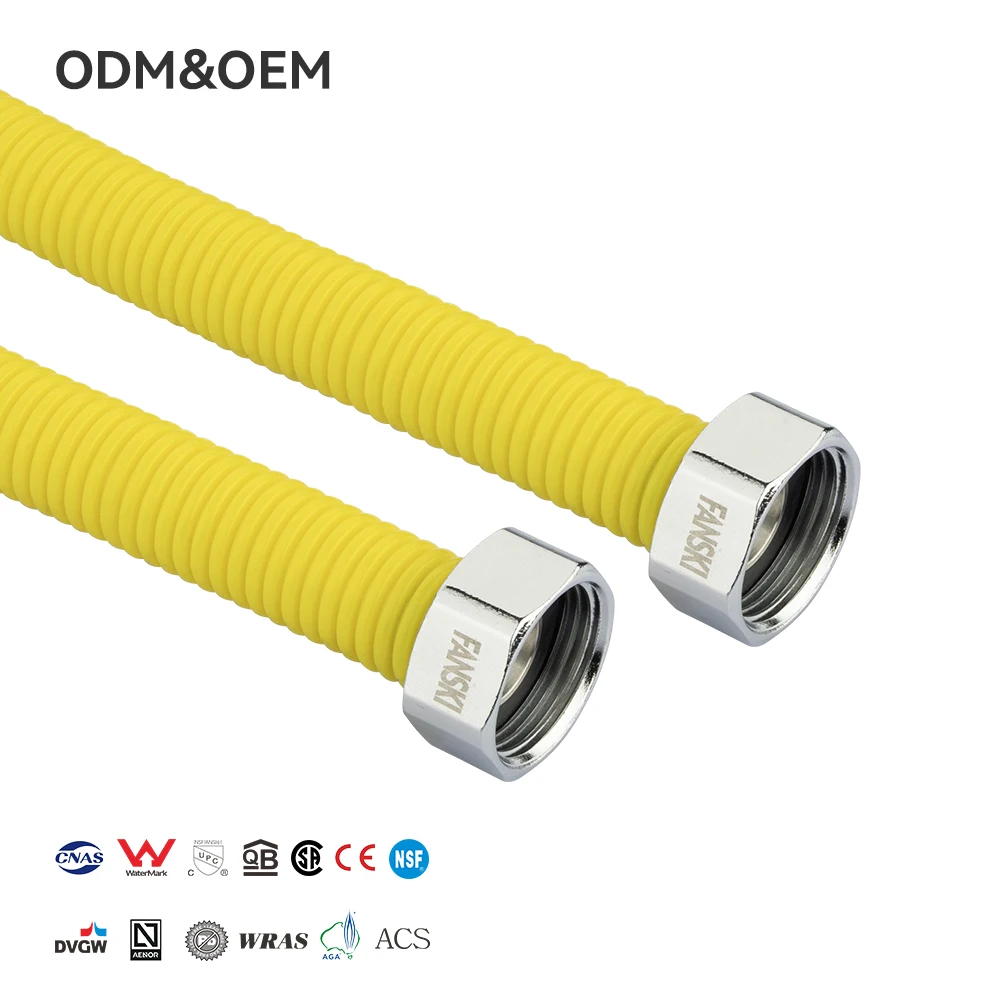
The quality and specifications of your gas hose directly influence the reliability and safety of connected appliances. Whether you are installing a new water heater, stove, or gas grill, the right gas hose ensures proper fuel delivery and minimizes leak risk. This guide walks you through the essential considerations for selecting a gas hose that matches your application, building codes, and long-term performance expectations.
Material and Construction Standards for Gas Hose Selection
Stainless Steel vs. Rubber Core Gas Hose Materials
When evaluating gas hose materials, the choice between stainless steel outer layers and traditional rubber cores significantly affects durability and safety. A high-quality gas hose typically features a stainless steel exterior that resists corrosion, temperature fluctuations, and physical wear. The inner rubber or PTFE core must be food-grade and chemically compatible with the specific gas type you are using, whether natural gas or propane. Stainless steel gas hose construction provides superior protection against environmental degradation compared to bare rubber alternatives.
The gas hose you select should meet or exceed industry safety standards such as ANSI B19.1 in North America or equivalent European standards. These standards ensure that your gas hose has undergone rigorous testing for pressure resistance, temperature tolerance, and compatibility with various gas compositions. A certified gas hose will have documentation showing test results and compliance certifications. Investing in compliant gas hose products protects you from liability and ensures your appliances operate safely for years.
Flexibility and Installation Convenience
Modern appliance owners increasingly prefer flexible gas hose solutions because they simplify installation and allow for easier repositioning if needed. Unlike rigid copper or steel tubing, a flexible gas hose can navigate tight corners and adapt to existing layouts without requiring professional welding or complex fittings. The flexibility of your chosen gas hose depends on the quality of materials and construction; premium gas hose products maintain flexibility across temperature ranges without becoming brittle or hard.
Easy installation is not just a convenience factor; it also reduces the risk of improper connections that could compromise your gas hose integrity. Many homeowners and commercial operators appreciate that flexible gas hose options eliminate the need for specialized tools or advanced plumbing knowledge. Ensure any gas hose you select has clearly marked connection points and comes with appropriate fittings for your specific appliance model.
Diameter, Pressure Rating, and Application-Specific Requirements
Matching Gas Hose Diameter to Appliance Specifications
The diameter of your gas hose must match the inlet connector on your appliance and the gas supply line feeding it. Common gas hose diameters include 3/8 inch, 1/2 inch, and 5/8 inch, each designed for different flow rates and pressure requirements. Selecting the wrong gas hose diameter can result in inadequate fuel delivery, causing appliance malfunction or inefficient operation. Always consult your appliance manual to determine the correct gas hose diameter before purchase.
Undersizing your gas hose creates back-pressure that reduces fuel availability to the burner, resulting in weak flames and reduced heating output. Oversizing the gas hose is less problematic but wastes money and space. The optimal gas hose diameter balances adequate flow capacity with practical installation constraints. Professional installers verify that the gas hose diameter aligns with both appliance requirements and local building codes, which often specify minimum and maximum hose dimensions.
Pressure Ratings and Safety Margins
Every quality gas hose carries a maximum pressure rating that indicates the highest safe operating pressure it can withstand. Residential gas hose applications typically operate at pressures between 5 and 10 inches of water column, while some commercial appliances may require higher ratings. Your chosen gas hose must have a pressure rating that exceeds your actual operating pressure by a safety margin of at least 2 to 1. Exceeding the rated capacity of a gas hose significantly increases leak and rupture risk.
The pressure rating of your gas hose should be clearly labeled on the packaging or the hose itself. If you are uncertain about your system's operating pressure, consult a qualified technician before installation. Using a gas hose with insufficient pressure rating is a code violation and poses serious safety hazards. When replacing an existing gas hose, verify that the new gas hose meets or exceeds the pressure specifications of the original equipment.
Length, Installation Location, and Environmental Factors
Determining Appropriate Gas Hose Length
The length of your gas hose should be the minimum required to reach from the supply line to your appliance safely. Industry standards typically recommend that a gas hose not exceed 6 feet in length for most residential applications, though some commercial codes allow longer runs with specific approval. Excessive gas hose length creates more surface area for potential leaks and makes the system harder to inspect and maintain. However, a gas hose that is too short creates tension at connection points, increasing failure risk.
When planning your gas hose routing, account for appliance movements, thermal expansion, and the need for accessible shut-off valves. A well-designed gas hose installation includes a flexible connector near the appliance inlet, allowing for minor repositioning without stressing the connection. Measure carefully before ordering, and if you are uncertain, purchase a slightly longer gas hose rather than one that is too tight; excess length can be coiled safely out of sight.
Environmental Resistance and Long-Term Durability
Your gas hose will be exposed to temperature variations, humidity, and potentially corrosive environments depending on installation location. Kitchen environments involve moisture and cooking heat; outdoor grill installations require UV and weather resistance; water heater installations may involve high ambient temperatures. A premium gas hose made from stainless steel with proper interior lining withstands these environmental stressors far better than budget alternatives. Environmental factors directly determine how long your gas hose will function safely before replacement becomes necessary.
Inspect your gas hose regularly for signs of wear, corrosion, or damage. Even the highest-quality gas hose will eventually degrade after years of service. Most manufacturers recommend replacing a gas hose every 5 to 10 years depending on environmental conditions and usage intensity. A gas hose that has survived harsh conditions but shows visible wear should be replaced proactively rather than waiting for a failure. Scheduled replacement of aging gas hose connections is far cheaper than addressing an emergency gas leak.
FAQ
How often should I replace my gas hose?
Most high-quality gas hose products remain safe for 5 to 10 years under normal conditions. However, environmental factors such as extreme heat, UV exposure, or corrosive humidity can shorten the lifespan significantly. Inspect your gas hose annually for visible cracks, discoloration, or brittleness. If you notice any deterioration or if your gas hose is approaching its manufacturer-recommended replacement date, install a new one immediately to maintain safety.
Can I use a gas hose for both natural gas and propane appliances?
Not all gas hose products are suitable for both natural gas and propane; you must verify compatibility before purchasing. Some gas hose materials can degrade when exposed to certain gas compositions. Always check the manufacturer specifications to confirm that your gas hose is rated for the specific gas type you plan to use. Using an incompatible gas hose risks material breakdown and potential gas leaks. When upgrading from one gas type to another, replace the gas hose if the original was not dual-rated.
What are the main safety risks of using an improper gas hose?
An improper gas hose creates multiple hazards including gas leaks, carbon monoxide accumulation, fire risk, and appliance malfunction. A gas hose with inadequate pressure rating can rupture under normal operating conditions. Undersized gas hose diameters starve appliances of fuel, creating incomplete combustion and excess carbon monoxide production. Expired or deteriorated gas hose materials become brittle and develop small leaks that go unnoticed until a dangerous accumulation occurs. Always prioritize certified, properly-sized gas hose installation to eliminate these preventable risks.