
 EN
EN
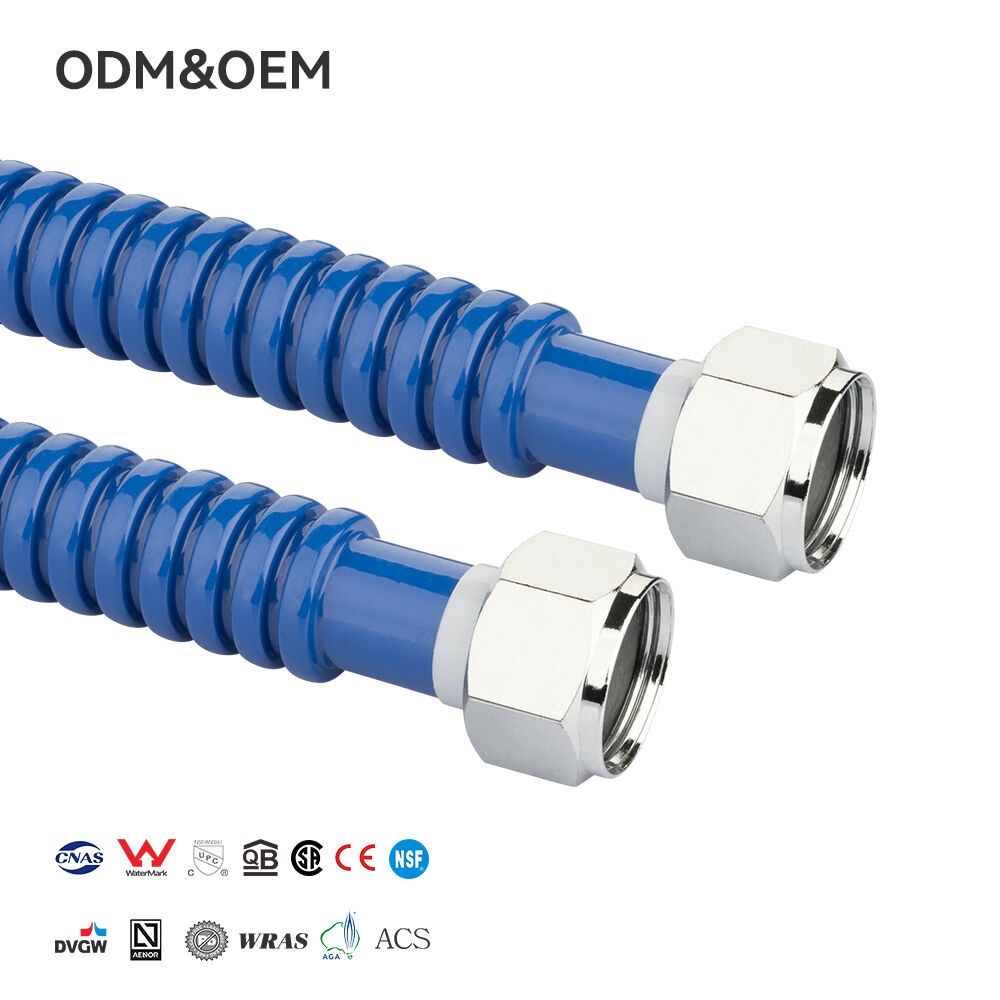
Industrial operations rely heavily on efficient fluid transfer systems, and choosing the right hose can significantly impact performance, safety, and operational costs. Traditional rubber or plastic hoses often fail to meet the demanding requirements of modern industrial applications, leading facility managers to seek more reliable alternatives. An SS Corrugated Hose represents a superior solution that addresses common challenges while delivering exceptional durability and performance across diverse industrial environments.
Understanding the Limitations of Traditional Hose Systems
Common Failure Points in Standard Hose Materials
Rubber and plastic hoses face numerous challenges in industrial settings that can compromise their effectiveness and lifespan. Temperature fluctuations represent one of the most significant stress factors, causing expansion and contraction that weakens material integrity over time. Chemical exposure from various industrial fluids can degrade rubber compounds, leading to cracking, swelling, or complete material breakdown. These vulnerabilities create safety hazards and increase maintenance costs through frequent replacements and unexpected failures.
Pressure variations also pose substantial challenges for conventional hose materials, particularly in applications requiring consistent flow rates and pressure stability. Standard hoses may develop bulges or weak spots under high pressure conditions, potentially resulting in catastrophic failures during critical operations. The flexibility requirements of industrial applications often exceed the capabilities of traditional materials, forcing operators to use multiple fittings and connections that introduce additional failure points into the system.
Impact on Operational Efficiency and Safety
When traditional hoses fail, the consequences extend far beyond simple replacement costs. Production downtime during emergency repairs can result in significant revenue losses, particularly in continuous process industries where every minute of operation counts. Safety incidents related to hose failures can lead to worker injuries, environmental contamination, and regulatory compliance issues that carry substantial financial and legal implications.
Maintenance teams often spend considerable time and resources addressing problems associated with inferior hose systems, diverting attention from other critical tasks. The unpredictable nature of traditional hose failures makes it difficult to schedule maintenance activities efficiently, leading to reactive rather than proactive maintenance strategies. This approach ultimately increases overall operational costs while reducing system reliability and performance predictability.
Identifying Key Replacement Indicators
Visual and Physical Deterioration Signs
Regular inspection of existing hose systems reveals telltale signs that indicate when replacement becomes necessary. Surface cracking, even minor hairline fractures, signals material fatigue that will progressively worsen under continued use. Discoloration or chemical staining suggests exposure to aggressive substances that may have compromised the hose's internal structure, even if external damage appears minimal.
Bulging or swelling in hose sections indicates internal pressure damage or material degradation that poses immediate safety risks. Hardening or loss of flexibility demonstrates that the hose material has exceeded its useful life and may fail without warning. These physical indicators often appear gradually, making regular inspection protocols essential for identifying problems before they result in system failures or safety incidents.
Performance Degradation Symptoms
Declining system performance often provides early warning signs that hose replacement should be considered. Reduced flow rates may indicate internal diameter restrictions caused by material swelling or debris accumulation within deteriorating hoses. Pressure drops across hose sections suggest leakage or structural changes that compromise system efficiency and increase energy consumption.
Temperature variations in fluid delivery systems can indicate heat transfer problems related to hose material breakdown or insulation failure. Vibration or unusual noise during operation may signal turbulent flow caused by internal hose deterioration or improper material selection for the application. These performance indicators typically worsen over time, making early intervention through SS Corrugated Hose replacement a cost-effective strategy for maintaining system reliability.
Technical Advantages of Stainless Steel Corrugated Construction
Superior Material Properties and Durability
Stainless steel construction delivers exceptional resistance to temperature extremes, chemical exposure, and pressure variations that commonly cause traditional hose failures. The corrugated design provides remarkable flexibility while maintaining structural integrity under demanding operating conditions. This unique combination of properties makes SS Corrugated Hose solutions ideal for applications where reliability and longevity are paramount considerations.
The inherent corrosion resistance of stainless steel eliminates concerns about chemical compatibility issues that plague conventional hose materials. Grade 304 stainless steel offers excellent resistance to most industrial chemicals, acids, and alkaline solutions commonly encountered in industrial processes. This chemical inertness ensures consistent performance throughout the hose's service life while eliminating contamination risks that can compromise product quality in sensitive applications.
Enhanced Flexibility and Installation Benefits
The corrugated construction of SS Corrugated Hose systems provides exceptional flexibility that simplifies installation and reduces the need for multiple fittings and connections. This flexibility allows for complex routing configurations while maintaining smooth internal flow characteristics that optimize system performance. The ability to bend and flex without kinking eliminates pressure losses and flow restrictions common with rigid piping systems.
Installation advantages extend to reduced labor costs and faster project completion times compared to traditional rigid piping systems. The lightweight nature of stainless steel corrugated hoses compared to equivalent steel pipe reduces structural support requirements while maintaining superior strength characteristics. This combination of flexibility and strength enables innovative design solutions that optimize space utilization while ensuring reliable performance.
Application-Specific Replacement Scenarios
High-Temperature and Pressure Applications
Industrial processes involving high-temperature fluids or extreme pressure conditions represent prime candidates for SS Corrugated Hose upgrades. Steam systems, hot water applications, and thermal oil transfer operations benefit significantly from stainless steel's temperature resistance and thermal stability. The corrugated design accommodates thermal expansion and contraction without developing stress concentrations that could lead to premature failure.
Hydraulic systems operating at high pressures often experience frequent hose failures with traditional rubber or synthetic materials. SS Corrugated Hose construction provides superior pressure containment capabilities while maintaining flexibility requirements essential for dynamic applications. The metal construction eliminates concerns about pressure-induced swelling or burst failures that can cause catastrophic system damage and safety hazards.
Chemical Processing and Food Grade Applications
Chemical processing facilities require hose systems that resist aggressive chemicals while preventing contamination of process streams. SS Corrugated Hose solutions offer broad chemical compatibility and easy cleaning capabilities that meet stringent hygiene requirements. The smooth internal surface reduces bacterial growth potential while facilitating thorough sanitization procedures required in pharmaceutical and food processing applications.
Food grade applications benefit from stainless steel's non-reactive properties and FDA-approved materials that ensure product safety and quality. The absence of plasticizers or rubber compounds eliminates taste and odor transfer concerns while providing reliable performance in CIP cleaning cycles. These characteristics make SS Corrugated Hose systems ideal for dairy processing, beverage production, and other food industry applications where purity is essential.
Cost-Benefit Analysis and Long-Term Value
Initial Investment Considerations
While SS Corrugated Hose systems typically require higher initial investment compared to traditional alternatives, the long-term value proposition often justifies the additional cost. The extended service life of stainless steel construction reduces replacement frequency and associated labor costs over the system's operational lifetime. This durability advantage becomes particularly significant in applications where hose access requires expensive downtime or complex disassembly procedures.
Quality stainless steel corrugated hoses often provide service lives measured in decades rather than years, dramatically reducing total cost of ownership calculations. The elimination of emergency replacement costs and unplanned maintenance activities provides additional financial benefits that may not be immediately apparent in initial cost comparisons. These factors make SS Corrugated Hose solutions attractive investments for facilities focused on long-term operational efficiency.
Maintenance and Operational Savings
Reduced maintenance requirements represent a significant ongoing benefit of SS Corrugated Hose systems compared to traditional alternatives. The corrosion resistance and chemical inertness of stainless steel eliminate many common maintenance issues that require regular attention with conventional hoses. This reliability allows maintenance teams to focus on other critical tasks while reducing overall maintenance costs and improving resource allocation efficiency.
Energy efficiency improvements through optimized flow characteristics can provide measurable operational savings over time. The smooth internal surface of SS Corrugated Hose systems reduces friction losses and pressure drops that increase pumping costs with traditional hose materials. These efficiency gains accumulate over the system's operational lifetime, contributing to improved overall facility performance and reduced energy consumption.
FAQ
How long do SS Corrugated Hose systems typically last compared to traditional hoses
SS Corrugated Hose systems typically provide service lives of 15-25 years or more in most industrial applications, compared to 2-5 years for traditional rubber or plastic hoses. The exact lifespan depends on operating conditions, chemical exposure, and maintenance practices, but stainless steel construction consistently outperforms conventional materials by significant margins. This extended service life makes them particularly cost-effective for critical applications where reliability is essential.
Can SS Corrugated Hose systems handle both high and low temperature applications
Yes, SS Corrugated Hose systems excel in both extreme temperature conditions, typically operating effectively from -200°F to over 1000°F depending on the specific grade and configuration. The thermal expansion characteristics of the corrugated design accommodate temperature variations without developing stress concentrations or structural damage. This versatility makes them suitable for applications ranging from cryogenic systems to high-temperature steam and thermal oil transfer operations.
What chemical compatibility advantages do stainless steel corrugated hoses offer
Stainless steel corrugated hoses provide excellent compatibility with most industrial chemicals, acids, bases, and solvents that commonly cause degradation in rubber or plastic hoses. Grade 304 stainless steel resists corrosion from most organic and inorganic compounds, while Grade 316 offers enhanced resistance to chlorides and marine environments. This broad chemical compatibility eliminates concerns about material selection for multi-chemical facilities and reduces inventory requirements.
Are SS Corrugated Hose systems suitable for food and pharmaceutical applications
SS Corrugated Hose systems are ideally suited for food and pharmaceutical applications due to their FDA-approved materials, smooth internal surfaces, and excellent cleanability characteristics. The non-reactive properties of stainless steel prevent taste and odor transfer while resisting bacterial growth and contamination. These hoses can withstand aggressive CIP cleaning procedures and steam sterilization cycles required in sanitary applications, making them preferred choices for critical hygiene environments.
Table of Contents
- Understanding the Limitations of Traditional Hose Systems
- Identifying Key Replacement Indicators
- Technical Advantages of Stainless Steel Corrugated Construction
- Application-Specific Replacement Scenarios
- Cost-Benefit Analysis and Long-Term Value
-
FAQ
- How long do SS Corrugated Hose systems typically last compared to traditional hoses
- Can SS Corrugated Hose systems handle both high and low temperature applications
- What chemical compatibility advantages do stainless steel corrugated hoses offer
- Are SS Corrugated Hose systems suitable for food and pharmaceutical applications