
 EN
EN
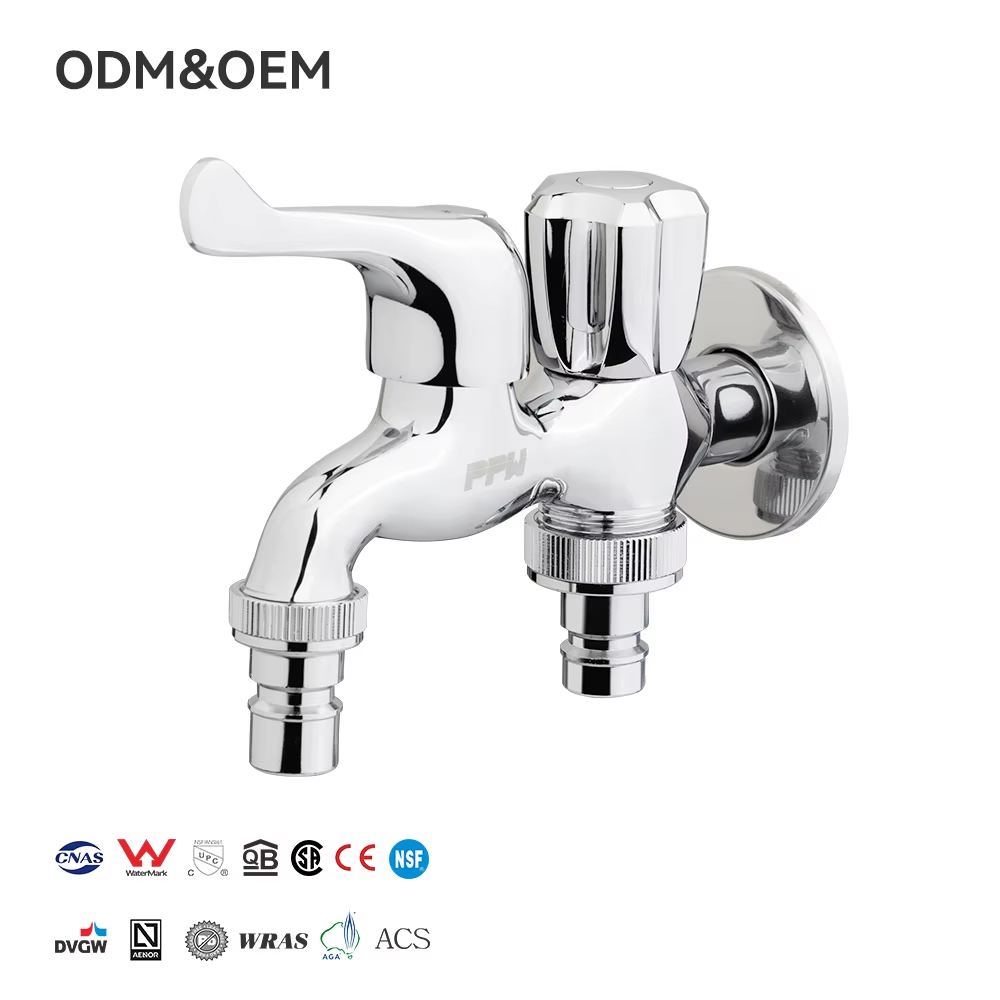
Selecting the right bib cock material for wet environments is a critical decision that directly impacts durability, maintenance costs, and long-term performance in residential, commercial, and industrial applications. Wet areas such as bathrooms, outdoor garden spaces, utility rooms, and industrial washing zones subject fixtures to constant moisture exposure, temperature fluctuations, and potential chemical contact. Understanding which materials offer superior longevity under these demanding conditions helps facility managers, contractors, and homeowners make informed procurement decisions that balance initial investment with lifecycle value.
The material composition of a bib cock determines its resistance to corrosion, structural integrity under pressure, and ability to maintain functional precision over extended periods. While multiple materials exist in the market, brass, stainless steel, plastic composites, and zinc alloy each present distinct performance profiles when installed in moisture-rich environments. This comprehensive analysis examines the comparative longevity of these materials specifically in wet area applications, evaluating factors including corrosion resistance mechanisms, mechanical durability, maintenance requirements, and real-world performance data to identify which material delivers optimal service life under continuous moisture exposure.
Material Science and Corrosion Resistance in Moisture Environments
Understanding Corrosion Mechanisms in Wet Area Fixtures
Corrosion represents the primary failure mode for bib cock installations in wet environments, occurring through electrochemical reactions between metal surfaces and moisture-laden atmospheres. When water contacts metallic surfaces, especially in the presence of dissolved oxygen, chlorides, or acidic compounds, oxidation processes initiate that gradually degrade material integrity. The rate and severity of this degradation depend fundamentally on the material's inherent resistance to electrochemical attack, surface treatment quality, and the specific chemistry of the water environment.
Different materials exhibit vastly different corrosion behaviors in wet conditions. Brass alloys containing copper and zinc develop protective patina layers that slow further oxidation, while inadequately protected ferrous metals rust rapidly when exposed to moisture. Stainless steel forms passive chromium oxide layers that provide exceptional barrier protection, whereas plastic materials remain chemically inert but may degrade through other mechanisms. The longevity of any Bib Cock installation correlates directly with its material's ability to resist these moisture-induced degradation pathways over years of continuous exposure.
Comparative Analysis of Material Durability Profiles
Brass alloys, particularly those with copper content between sixty and seventy percent, demonstrate exceptional longevity in wet environments due to their natural corrosion resistance and mechanical stability. The dezincification-resistant brass formulations used in premium bib cock manufacturing maintain structural integrity even after decades of moisture exposure, with field studies documenting functional lifespans exceeding twenty-five years in properly maintained installations. The material's self-passivating properties create protective surface layers that inhibit further corrosion progression without requiring external coatings.
Stainless steel grades, particularly those with chromium content above eighteen percent and nickel additions, offer superior corrosion resistance that surpasses brass in highly aggressive environments containing chlorides or acidic compounds. Marine-grade stainless steel bib cock installations in coastal wet areas frequently exceed thirty years of service life with minimal degradation. However, stainless steel's higher material and manufacturing costs position it as a premium option typically reserved for environments where maximum longevity justifies the investment. Plastic polymer materials, while immune to electrochemical corrosion, face different degradation mechanisms including UV exposure damage, stress cracking, and mechanical wear that limit their effective lifespan in wet areas to approximately ten to fifteen years.
Brass Bib Cock Performance in Continuous Moisture Exposure
Metallurgical Advantages of Brass Composition
Brass represents the most widely specified material for bib cock manufacturing in wet environments due to its optimal balance of corrosion resistance, machinability, antimicrobial properties, and cost-effectiveness. The copper-zinc alloy composition provides inherent resistance to biological growth, preventing biofilm accumulation that accelerates corrosion in moisture-rich environments. Premium brass bib cock units utilize dezincification-resistant formulations that prevent the selective leaching of zinc from the alloy matrix, a degradation mode that weakens conventional brass in aggressive water chemistries.
The material's thermal conductivity and dimensional stability ensure consistent sealing performance across temperature variations common in wet areas. Brass bib cock components maintain precise tolerances even after thousands of thermal cycles, preserving drip-free operation and preventing the internal leakage that accelerates fixture degradation. Field performance data from commercial facilities demonstrates that properly manufactured brass bib cock installations routinely deliver fifteen to twenty-five years of reliable service in bathrooms, laundries, and outdoor wet areas with minimal maintenance intervention beyond periodic washer replacement.
Surface Treatment and Longevity Enhancement
Modern brass bib cock manufacturing incorporates advanced surface treatments that significantly extend material longevity in wet environments. Nickel-chromium plating systems create multi-layer protective barriers that shield the underlying brass from direct moisture contact while providing attractive, tarnish-resistant finishes. These electroplated coatings, when applied to appropriate thickness specifications, prevent surface oxidation and maintain aesthetic appearance throughout extended service periods.
The quality of surface preparation and plating application critically influences real-world longevity outcomes. Premium bib cock manufacturers employ rigorous pre-plating cleaning protocols, controlled plating bath chemistry, and post-treatment sealing processes that ensure coating adhesion and uniform coverage. Inadequately plated brass fixtures may exhibit premature coating failure, exposing base material to accelerated corrosion in wet conditions. Specifying brass bib cock units from manufacturers with documented plating quality control processes proves essential for achieving projected longevity in demanding moisture environments.
Stainless Steel and Alternative Material Performance Comparison
Stainless Steel Longevity in Aggressive Wet Environments
Stainless steel bib cock installations offer maximum longevity potential in wet areas characterized by aggressive water chemistry, high chloride concentrations, or continuous exposure to chemical cleaning agents. The passive chromium oxide layer that forms spontaneously on stainless steel surfaces provides exceptional barrier protection against electrochemical attack, with austenitic grades demonstrating corrosion rates orders of magnitude lower than brass in chlorinated water environments. Industrial facilities and healthcare settings frequently specify stainless steel bib cock units for utility areas where sanitation protocols involve regular chemical disinfection.
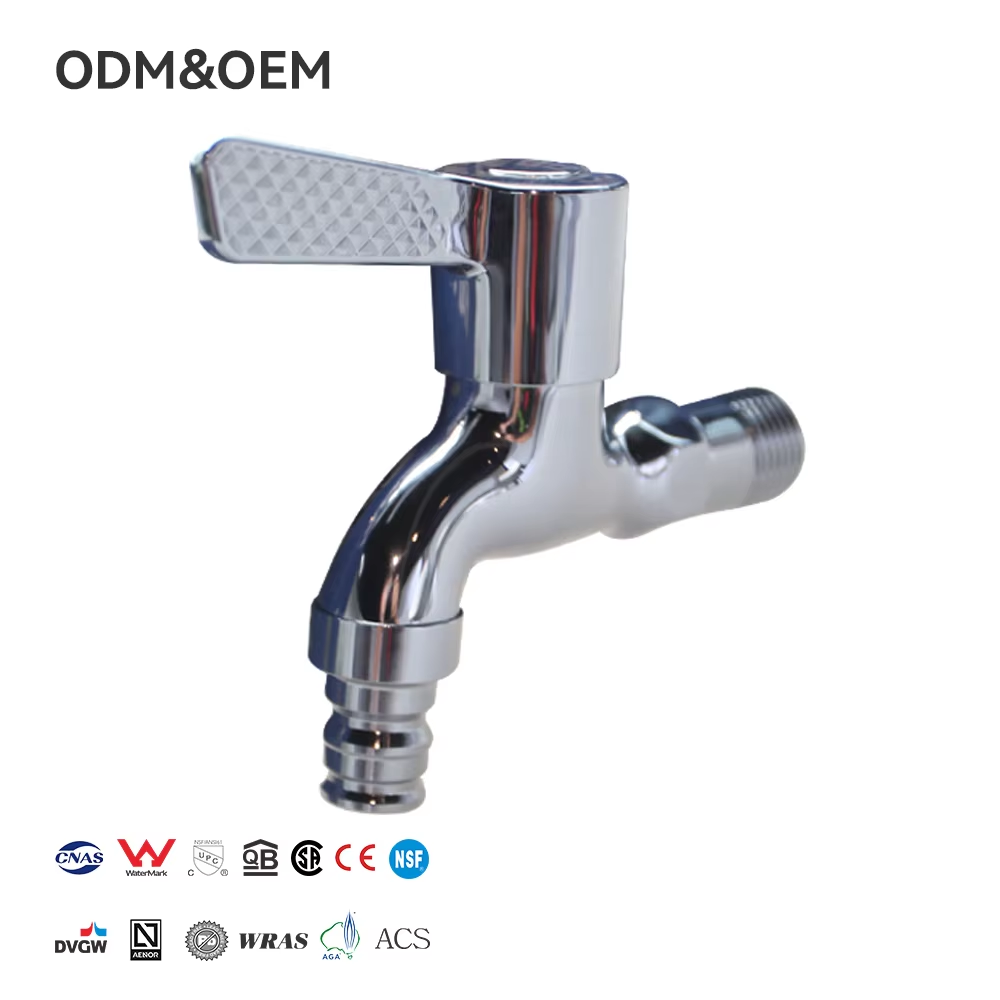
The material's mechanical properties complement its corrosion resistance, with higher yield strength providing superior resistance to impact damage and vandalism compared to brass alternatives. Stainless steel bib cock components maintain dimensional stability under mechanical stress, reducing the likelihood of stem misalignment or seat damage that shortens functional lifespan. However, the material's manufacturing challenges and higher raw material costs result in purchase prices typically fifty to one hundred percent above equivalent brass fixtures, positioning stainless steel as a specialized solution for environments where its performance advantages justify premium pricing.
Limitations of Plastic and Zinc Alloy Materials
Plastic composite bib cock materials, including reinforced ABS and engineered polymers, eliminate electrochemical corrosion concerns but introduce different longevity limitations in wet area applications. These materials exhibit susceptibility to stress cracking under sustained mechanical loads, particularly when exposed to temperature extremes or aggressive cleaning chemicals. The dimensional stability of plastic bib cock components decreases over time as polymer chains degrade through hydrolysis and oxidative processes, leading to seal leakage and operational failures typically within ten to twelve years of continuous wet area service.
Zinc alloy die-cast bib cock units, sometimes marketed as economical alternatives to brass, demonstrate poor longevity in wet environments due to rapid corrosion progression once protective coatings fail. The base material's susceptibility to white rust formation in moisture-rich atmospheres leads to structural weakening and mechanical failure, with field reports documenting complete fixture failure within five to eight years in bathroom and outdoor installations. While initial purchase costs may appear attractive, the shortened replacement cycle and associated labor expenses render zinc alloy bib cock specifications economically disadvantageous for wet area applications requiring long-term reliability.
Installation and Maintenance Factors Affecting Material Longevity
Installation Practices That Maximize Service Life
Proper installation technique significantly influences the realized longevity of bib cock units regardless of base material selection. Excessive installation torque concentrates mechanical stress at thread engagement points, creating stress concentration zones that accelerate corrosion initiation in brass and stainless steel materials. Professional installers utilize torque-limiting techniques and appropriate thread sealants that prevent over-tightening while ensuring leak-free connections. The use of dielectric unions when connecting dissimilar metals prevents galvanic corrosion that dramatically shortens bib cock service life in wet environments.
Water supply line preparation directly impacts fixture longevity by controlling particulate contamination and flow turbulence. Flushing supply lines prior to bib cock installation removes construction debris and scale particles that cause premature seal wear and internal component damage. Installing inline strainers upstream of critical fixtures protects internal mechanisms from abrasive particles that accelerate valve seat erosion. These installation practices prove particularly important in wet area applications where frequent operation cycles magnify the cumulative effects of poor water quality on fixture longevity.
Maintenance Protocols for Extended Material Performance
Proactive maintenance extends bib cock longevity in wet environments by addressing minor issues before they progress to component failure. Regular inspection schedules identifying early signs of coating degradation, stem leakage, or handle stiffness enable timely intervention that prevents accelerated corrosion or mechanical damage. Simple maintenance procedures including periodic lubrication of moving parts, replacement of worn sealing washers, and cleaning of aerator screens maintain optimal operational performance that reduces stress on internal components.
The frequency and quality of maintenance intervention correlates directly with achieved service life across all bib cock material types. Brass fixtures receiving annual inspection and preventive component replacement routinely exceed twenty-year service lives in commercial wet areas, while neglected installations of identical material quality may fail within ten years due to preventable seal degradation or stem corrosion. Establishing documented maintenance protocols with trained personnel proves particularly valuable in institutional and commercial settings where bib cock reliability directly impacts operational continuity and water conservation objectives.
Economic Analysis and Material Selection Decision Framework
Lifecycle Cost Comparison Across Material Options
Comprehensive lifecycle cost analysis reveals that initial purchase price represents only a fraction of total ownership costs for bib cock installations in wet environments. When evaluating material selection, facility managers must account for projected service life, maintenance labor requirements, replacement frequency, and water loss from premature failure. Brass bib cock units typically demonstrate optimal lifecycle economics for standard commercial and residential wet areas, with moderate initial costs, minimal maintenance requirements, and service lives extending twenty years under proper conditions.
Stainless steel bib cock specifications prove economically justified in aggressive environments where corrosion challenges shorten brass fixture life below fifteen years or where regulatory requirements mandate materials with documented antimicrobial properties. The premium initial investment becomes cost-neutral when extended service life and reduced replacement frequency offset higher purchase prices. Conversely, plastic or zinc alloy materials rarely prove economical in permanent wet area installations despite lower acquisition costs, as shortened replacement cycles and associated labor expenses exceed savings within typical building ownership periods.
Application-Specific Material Recommendation Framework
Optimal bib cock material selection depends on specific wet area characteristics including water chemistry, usage intensity, maintenance capability, and aesthetic requirements. Residential bathrooms and standard commercial facilities achieve best value through premium brass bib cock specifications with proven dezincification resistance and quality surface treatments. These installations balance initial investment with longevity expectations, typically delivering fifteen to twenty-five years of reliable service under normal maintenance protocols.
Industrial wet areas, chemical processing facilities, and healthcare environments with aggressive sanitation requirements justify stainless steel bib cock specifications where material corrosion resistance and antimicrobial properties outweigh cost premiums. Outdoor garden applications and utility areas subject to temperature extremes similarly benefit from stainless steel's superior environmental resistance. Budget-constrained temporary installations may accept plastic bib cock materials with understanding of limited service life expectations, while zinc alloy specifications should be avoided entirely in any wet area application requiring reliability beyond five years.
FAQ
What is the typical lifespan difference between brass and stainless steel bib cock materials in wet areas?
Brass bib cock installations in standard wet environments typically deliver fifteen to twenty-five years of service life with proper maintenance, while stainless steel units often exceed thirty years in equivalent conditions. The longevity advantage of stainless steel becomes more pronounced in aggressive water chemistries with high chloride content or acidic conditions where brass may experience accelerated dezincification. However, in neutral pH municipal water supplies typical of residential applications, properly manufactured brass bib cock units approach stainless steel longevity at significantly lower initial cost, making material selection dependent on specific environmental conditions rather than universal performance rankings.
How does water quality affect bib cock material longevity in wet area installations?
Water chemistry fundamentally influences material degradation rates, with chloride concentration, pH level, dissolved oxygen content, and mineral hardness all affecting corrosion progression. Hard water with high mineral content accelerates scale buildup that traps moisture against brass surfaces, promoting localized corrosion beneath deposits. Chlorinated water supplies increase oxidation rates for both brass and stainless steel, though stainless steel maintains significantly better resistance. Acidic water conditions below pH six point five substantially shorten brass bib cock service life through accelerated dezincification, while stainless steel remains stable across wider pH ranges. Facilities with known aggressive water chemistry should specify materials with documented resistance to their specific contamination profile rather than relying on generic longevity claims.
Can surface coatings significantly extend bib cock lifespan in continuously wet environments?
High-quality nickel-chromium plating systems applied to brass bib cock substrates can extend functional lifespan by thirty to fifty percent compared to uncoated brass in wet environments, provided coating integrity remains intact throughout service life. The protective barrier created by multi-layer electroplated finishes prevents direct moisture contact with base material, dramatically slowing oxidation processes. However, coating longevity depends critically on plating thickness, adhesion quality, and substrate preparation, with substandard plating potentially failing within three to five years and exposing base material to accelerated corrosion. Premium manufacturers employ rigorous plating quality control including salt spray testing and adhesion verification that ensures coating durability matches base material longevity expectations.
Why do some brass bib cock units fail prematurely in wet areas despite material corrosion resistance?
Premature brass bib cock failure in wet environments frequently results from manufacturing quality deficiencies rather than inherent material limitations. Common failure mechanisms include inadequate dezincification resistance in base alloy composition, insufficient plating thickness or poor coating adhesion, and improper heat treatment creating residual stresses that accelerate corrosion. Installation errors including excessive torque, improper thread sealing, or galvanic coupling with dissimilar metals also shorten service life independent of material quality. Additionally, neglected maintenance allowing stem seal degradation leads to internal water exposure that corrodes components designed for dry operation. Specifying bib cock units from manufacturers with documented quality control processes and third-party certification substantially reduces premature failure risk in wet area applications.
Table of Contents
- Material Science and Corrosion Resistance in Moisture Environments
- Brass Bib Cock Performance in Continuous Moisture Exposure
- Stainless Steel and Alternative Material Performance Comparison
- Installation and Maintenance Factors Affecting Material Longevity
- Economic Analysis and Material Selection Decision Framework
-
FAQ
- What is the typical lifespan difference between brass and stainless steel bib cock materials in wet areas?
- How does water quality affect bib cock material longevity in wet area installations?
- Can surface coatings significantly extend bib cock lifespan in continuously wet environments?
- Why do some brass bib cock units fail prematurely in wet areas despite material corrosion resistance?