
 EN
EN
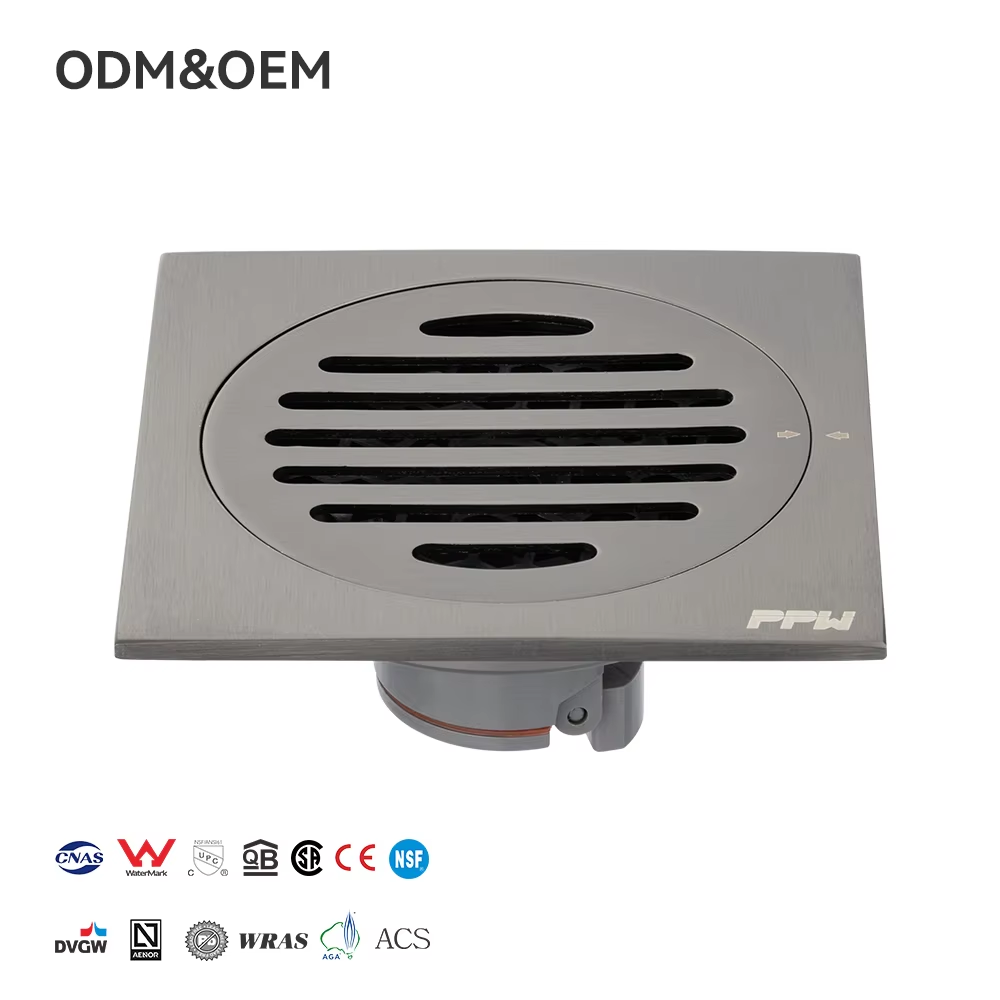
Hair clogging in bathroom drains is one of the most persistent maintenance challenges faced by property managers, hotel operators, and facility maintenance teams. When a drainer becomes blocked with hair, it creates a cascade of problems: standing water in showers, unpleasant odors, costly plumber visits, and dissatisfied occupants. The frequency of these clogs directly impacts operational efficiency and maintenance budgets. If you're searching for a drainer solution that minimizes hair accumulation and reduces the burden of constant cleaning, understanding the design features and material choices that prevent clogging is essential. Modern drainer systems incorporate specialized engineering to address this exact problem, combining filtration efficiency with easy maintenance protocols.
The challenge of hair clogging extends beyond simple inconvenience. In commercial environments such as hotels, fitness centers, and apartment complexes, a single clogged drainer can trigger maintenance requests, disrupt guest experiences, and compound over time if not addressed systematically. Traditional drainer designs often feature wide openings or inadequate straining mechanisms that allow hair to slip through and accumulate in pipe bends, creating blockages that require professional intervention. The solution lies in selecting a drainer engineered specifically to intercept hair at the surface level while maintaining adequate water flow rates. This article examines the critical factors that determine whether a drainer will resist frequent hair clogging, explores the technical features that make certain designs more effective, and provides actionable guidance for specifying and maintaining drainer systems in high-traffic environments.
Understanding Why Hair Clogging Occurs in Standard Drainer Systems
The Mechanics of Hair Accumulation in Drainage Systems
Hair clogging develops through a predictable process that begins the moment strands enter the drainage pathway. Human hair possesses a textured surface with microscopic scales that create friction against pipe walls and other hair strands. As water carries loose hair toward the drainer opening, the strands tend to catch on any surface irregularity or existing debris. In a standard drainer without adequate filtration, hair passes through the grate and travels into the trap and pipe system below. Once inside the plumbing, hair doesn't dissolve or break down naturally. Instead, it accumulates in pipe bends where water velocity decreases, forming tangled masses that trap soap residue, skin cells, and other organic matter. This creates a progressively thickening blockage that restricts water flow and eventually causes complete obstruction.
The geometry of traditional drainer openings contributes significantly to the problem. Many conventional drainer grates feature slots or holes sized primarily for water throughput rather than particle interception. When the opening dimensions exceed the diameter of wet hair strands, the drainer fails to perform its filtering function. Additionally, the surface finish of the drainer material affects how readily hair adheres or slides through. Rough or corroded surfaces create additional friction points where hair can snag and begin accumulating. The angle of the drainer grate relative to water flow also matters, as horizontal surfaces allow hair to lay flat and potentially slip through openings, while certain angled designs encourage hair to remain on the surface where it can be manually removed during routine cleaning.
Contributing Factors in High-Traffic Environments
Commercial and multi-unit residential settings face amplified hair clogging challenges due to usage volume and demographic factors. In hotels and dormitories, the drainer serves multiple users daily, each potentially contributing hair to the system. The cumulative effect means that even a small percentage of hair passing through the drainer grate can result in significant accumulation over weeks or months. Fitness facilities present particularly challenging conditions, as post-exercise showers occur in concentrated time periods, creating high water flow rates that can overwhelm less effective drainer designs. The combination of perspiration, hair care products, and body oils further compounds the problem by creating sticky residues that help bind hair into cohesive clogs.
Water chemistry and temperature also influence clogging patterns. Hard water containing elevated mineral content can deposit scale inside pipes, creating rough surfaces that encourage hair attachment. Hot water opens hair cuticles slightly, making strands more prone to tangling with each other and with pipe imperfections. Additionally, the types of personal care products used affect clog formation rates. Conditioners and styling products contain oils and silicones that coat hair strands, sometimes making them more slippery but also potentially contributing to the sticky matrix that binds clogs together. Understanding these contributing factors helps explain why identical drainer models may perform differently across various installation environments, and why a purpose-designed solution requires consideration of site-specific usage patterns and water conditions.
Critical Design Features That Prevent Hair Clogging in Modern Drainer Products
Precision Strainer Geometry and Opening Dimensions
The most effective anti-clogging drainer systems employ carefully engineered strainer patterns that balance water flow capacity with hair interception efficiency. Modern Drainer designs feature opening dimensions specifically calculated to prevent hair passage while maintaining adequate drainage rates for typical shower applications. The optimal opening size typically ranges between 2 and 4 millimeters, small enough to catch the majority of hair strands but large enough to prevent water pooling during peak flow conditions. Square pattern strainers distribute these openings evenly across the surface area, maximizing functional drainage while minimizing the likelihood that hair can find a path through the grate.
Beyond simple hole size, the three-dimensional geometry of the strainer surface significantly impacts performance. Raised edges around each opening create mechanical barriers that deflect hair toward adjacent solid surfaces where it remains accessible for removal. Some advanced drainer designs incorporate multi-level straining, where an upper coarse screen catches large debris while a finer lower mesh intercepts hair that might otherwise pass through. The depth and contour of the strainer basket also matter, as deeper baskets with appropriate slope angles allow collected hair to remain visible and accessible rather than becoming compacted against the sides where it's harder to clean. The relationship between total open area and solid surface area determines both hydraulic efficiency and the effective capture zone for hair particles.
Material Selection and Surface Treatment
Stainless steel has emerged as the preferred material for commercial-grade drainer applications specifically because its properties address hair clogging concerns. Grade 304 or 316 stainless steel offers exceptional corrosion resistance, maintaining smooth surface characteristics over years of exposure to water, cleaning chemicals, and organic matter. This smooth, non-porous surface minimizes friction that would otherwise encourage hair adhesion. Unlike plastic drainer components that can develop surface scratches or brass fixtures that may corrode and roughen over time, quality stainless steel maintains its functional surface integrity throughout its service life. The material's inherent antimicrobial properties also help prevent biofilm development that could otherwise create sticky surfaces conducive to hair accumulation.
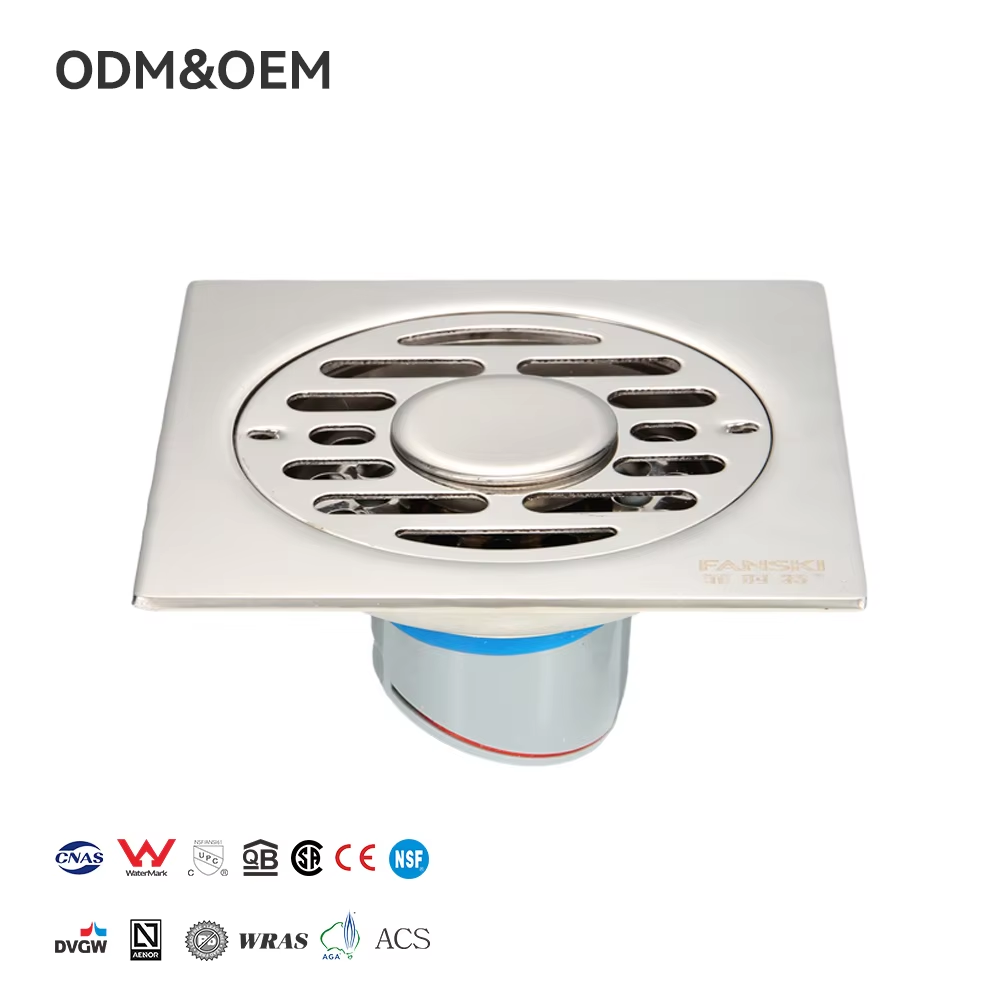
Surface finishing techniques further enhance anti-clogging performance. Electropolishing creates an extremely smooth surface at the microscopic level, reducing friction coefficients and making it easier for cleaning tools to sweep collected hair from the strainer surface. Brushed finishes, while aesthetically pleasing, should be oriented directionally to guide hair toward collection zones rather than creating catch points. The thickness of the material also impacts long-term performance, as thinner gauge metals may warp under repeated thermal cycling or cleaning pressure, creating gaps or irregularities where hair can become trapped. A properly specified stainless steel drainer combines appropriate alloy selection, adequate material thickness, and appropriate surface treatment to create a functional tool that actively resists hair accumulation rather than passively allowing it.
Integrated Trap Design and Maintenance Accessibility
The drainer grate represents only the visible component of an effective hair management system. The trap assembly below the surface plays an equally critical role in preventing clogs from developing deep in the drainage system. Modern drainer products incorporate trap designs that complement the surface straining function by providing a secondary interception point for any hair that does pass through the primary barrier. A well-designed trap features a removable basket or cartridge that maintenance personnel can access without tools, allowing for quick inspection and cleaning during routine housekeeping rounds. This accessibility transforms maintenance from a reactive emergency response to a preventive protocol that keeps the entire drainage pathway clear.
The geometry of the trap chamber influences how effectively it captures and retains hair for removal. Traps with abrupt direction changes create low-velocity zones where hair settles out of the water stream rather than continuing into the building's drainage system. Smooth interior surfaces without threads or sharp transitions prevent hair from snagging on trap components themselves. Some advanced drainer systems include visual inspection ports or transparent sections that allow maintenance staff to assess accumulation levels without disassembly, optimizing cleaning schedules based on actual conditions rather than arbitrary time intervals. The integration of the surface strainer, trap assembly, and connection to building drainage represents a systems approach to preventing hair clogs at multiple defense layers rather than relying solely on the visible grate component.
Implementing Effective Maintenance Protocols for Long-Term Clog Prevention
Establishing Preventive Cleaning Schedules
Even the most advanced drainer design requires appropriate maintenance protocols to deliver consistent anti-clogging performance over time. The frequency of cleaning should be calibrated to usage intensity, with high-traffic commercial installations requiring daily or every-other-day attention to the surface strainer. In hotel environments, housekeeping staff can incorporate drainer cleaning into room turnover procedures, removing accumulated hair before it has opportunity to work its way into deeper system components. This preventive approach takes only seconds per drainer but prevents the hours of labor and potential guest disruption associated with addressing a fully developed clog. Maintenance schedules should be documented and tracked, with periodic supervisory inspections ensuring compliance and identifying any units that accumulate hair more rapidly than average, which may indicate local drainage issues requiring investigation.
The cleaning technique itself impacts effectiveness and drainer longevity. Staff should be trained to lift the strainer grate straight up without twisting or levering against edges, which could damage sealing gaskets or deform the frame over time. Accumulated hair should be removed using appropriate tools rather than pushed through the openings, which would defeat the entire purpose of the surface straining function. A designated small waste container or disposable bag system allows efficient collection without creating secondary disposal problems. After hair removal, a quick rinse with clean water ensures that soap residues and small particles are flushed away before the strainer is replaced. Some facilities implement a two-strainer rotation system, where one unit is in service while an identical spare undergoes thorough cleaning and sanitization, ensuring optimal condition at all times.
Deep Cleaning and System Inspection Procedures
Beyond daily surface maintenance, periodic deep cleaning addresses accumulation in trap assemblies and ensures long-term system integrity. Monthly or quarterly procedures should include complete strainer and trap disassembly, thorough cleaning of all components, and inspection for wear or damage. The trap body should be flushed with hot water to dissolve any soap or oil residues, and the strainer grate should be inspected for deformation, corrosion, or damage to the perforation pattern. Any gaskets or seals should be checked for compression set or deterioration and replaced as needed to maintain water seals that prevent odor transmission. This deeper inspection often reveals conditions that aren't apparent during daily maintenance, such as partial blockages in the trap outlet or accumulation on the underside of the strainer where it's not visible during routine cleaning.
Documentation of these inspection findings creates valuable data for facility management. Tracking which drainer units require more frequent attention may reveal patterns related to user behavior, water pressure variations, or localized plumbing issues. Photographic records of typical accumulation rates help establish baseline expectations and identify deviations that warrant investigation. When multiple drainer units are installed across a facility, this systematic approach enables data-driven decisions about cleaning frequency optimization, staff allocation, and eventual component replacement cycles. The investment in structured maintenance protocols pays dividends through extended drainer service life, reduced emergency plumbing calls, and consistent occupant satisfaction with drainage performance.
Selecting the Right Drainer Specification for Your Application Environment
Matching Drainer Capacity to Flow Requirements
Effective hair clog prevention begins with proper drainer sizing for the specific application. A drainer that's undersized for its water flow demands will create standing water that encourages users to attempt forcing debris through the grate, while an oversized unit in a low-flow application represents unnecessary cost. Standard residential shower applications typically generate flow rates between 2 and 2.5 gallons per minute, while commercial installations may experience higher rates depending on fixture specifications and water pressure. The drainer's hydraulic capacity must exceed peak flow rates with adequate margin to account for partial obstruction as hair accumulates between cleaning cycles. Manufacturers specify these capacities in terms of drainage rate at various water depths, allowing specifiers to match products to actual installation requirements.
The physical footprint of the drainer also affects performance in hair-intensive applications. Larger surface areas distribute flow across more straining openings, reducing the velocity through each individual perforation and decreasing the force attempting to push hair through the grate. A four-inch square drainer offers substantially more functional straining area than a two-inch round unit, even though both may be rated for similar flow capacities under ideal clean conditions. In retrofit situations, the existing rough-in dimensions may constrain options, but new construction and major renovations provide opportunity to specify optimal drainer sizes based on anticipated usage patterns. When hair clogging has been a persistent problem in an existing facility, upgrading to larger drainer footprints often provides immediate improvement even before considering other design features.
Environmental and Installation Context Considerations
The installation environment significantly influences which drainer features will prove most effective for preventing hair clogs. Residential master bathrooms with two daily users present different challenges than hotel bathrooms serving hundreds of guests monthly or fitness center gang showers with dozens of simultaneous users. High-usage commercial environments benefit from industrial-grade drainer construction with heavier gauge materials and more robust mounting systems, while residential applications may prioritize aesthetic integration with tile patterns or decorative finishes. The surrounding floor material also matters, as tile installations can accommodate various drainer types while prefabricated shower bases may require specific flange configurations or adhesive mounting systems.
Water quality characteristics affect long-term drainer performance and should inform material selection. Facilities with very hard water should prioritize stainless steel over brass or other metals that may develop mineral deposits affecting surface smoothness. Coastal locations or facilities using chlorinated water for sanitization require corrosion-resistant alloys that maintain integrity under these more aggressive chemical conditions. The existing drainage system configuration also matters, particularly the trap accessibility and pipe routing. When replacement trap access is difficult due to concrete slab installation or limited crawl space, specifying a drainer with more effective surface straining becomes even more critical, as any hair that bypasses the grate will be extremely difficult to remove later. A thorough assessment of these contextual factors ensures the selected drainer system aligns with both functional requirements and practical maintenance constraints.
Evaluating Total Cost of Ownership Beyond Initial Price
While purchase price naturally factors into drainer selection decisions, a comprehensive economic analysis considers the total cost of ownership over the product's service life. A premium drainer with superior anti-clogging features may carry a higher initial cost but deliver substantial savings through reduced maintenance labor, fewer emergency plumbing calls, and extended replacement cycles. In commercial facilities, a single avoided emergency service call often exceeds the price difference between basic and advanced drainer products. The labor cost for frequent cleaning of inadequate drainer systems accumulates rapidly, particularly when specialized maintenance staff must be diverted from other priorities to address recurring clogs.
Indirect costs associated with poor drainer performance can far exceed direct maintenance expenses. In hospitality environments, drainage problems trigger guest complaints that affect review ratings and repeat business. Fitness facilities may face member dissatisfaction and even safety concerns when standing water creates slip hazards in shower areas. Multi-family residential properties experience tenant turnover and reduced satisfaction when maintenance issues aren't effectively addressed. These operational impacts, though harder to quantify precisely, represent real economic consequences of inadequate drainer specifications. When evaluating options, facility managers should consider the fully loaded cost including installation labor, expected maintenance frequency, typical service life before replacement, and the qualitative impact on occupant experience. This comprehensive perspective often justifies investment in higher-performance drainer systems that deliver measurably better results over their operational lifetime.
FAQ
How often should I clean my drainer to prevent hair clogs?
The ideal cleaning frequency depends on usage intensity and the number of people using the shower. In high-traffic commercial environments like hotels or fitness centers, daily cleaning of the surface strainer is recommended to prevent hair accumulation. Residential bathrooms with two to four users typically benefit from weekly surface cleaning, with more frequent attention if occupants have long hair. Regardless of usage level, establishing a consistent schedule prevents small accumulations from developing into problematic clogs. Additionally, quarterly deep cleaning of the trap assembly ensures long-term system performance even with diligent surface maintenance.
Can I use chemical drain cleaners to address hair clogs in my drainer?
Chemical drain cleaners are generally not recommended for routine maintenance of drainer systems, particularly those with stainless steel components. While these products may dissolve some organic matter, they are often ineffective against compacted hair clogs and can damage gaskets, seals, and certain metal finishes over time. The harsh chemicals also pose environmental concerns and safety risks during handling. Instead, focus on preventive mechanical cleaning that removes hair before it enters the drainage system. If a clog does develop despite preventive efforts, mechanical removal using a drain snake or professional plumbing service is more effective and safer for your drainer system and building plumbing.
What makes stainless steel drainer products better at preventing hair clogs than plastic alternatives?
Stainless steel offers several performance advantages specifically relevant to hair clog prevention. Its smooth, non-porous surface minimizes friction that would otherwise cause hair to snag and adhere during drainage. Unlike plastic, which can develop surface scratches and roughness with use and cleaning, stainless steel maintains its smooth characteristics over years of service. The material's rigidity also allows for precise perforation patterns with consistent opening dimensions, whereas plastic components may warp slightly with thermal cycling or cleaning pressure. Additionally, stainless steel's durability enables more aggressive cleaning methods without damaging the strainer surface, and its corrosion resistance ensures long-term performance without degradation that could create new catch points for hair accumulation.
Will a finer mesh strainer completely eliminate hair clogs?
While finer mesh strainers can improve hair interception, there's a practical balance between filtration effectiveness and water flow capacity. Extremely fine mesh may catch more hair but can also restrict drainage rates, potentially causing water to pool in the shower during use. The optimal approach combines appropriately sized perforations that intercept most hair with a realistic maintenance protocol that removes accumulation before it becomes problematic. No drainer design completely eliminates the need for periodic cleaning, but well-engineered systems with openings in the 2-4 millimeter range capture the majority of hair while maintaining adequate flow rates. The key to avoiding frequent clogs lies not in attempting to create a perfect barrier, but in selecting a drainer system that makes routine maintenance easy and effective.