
 EN
EN
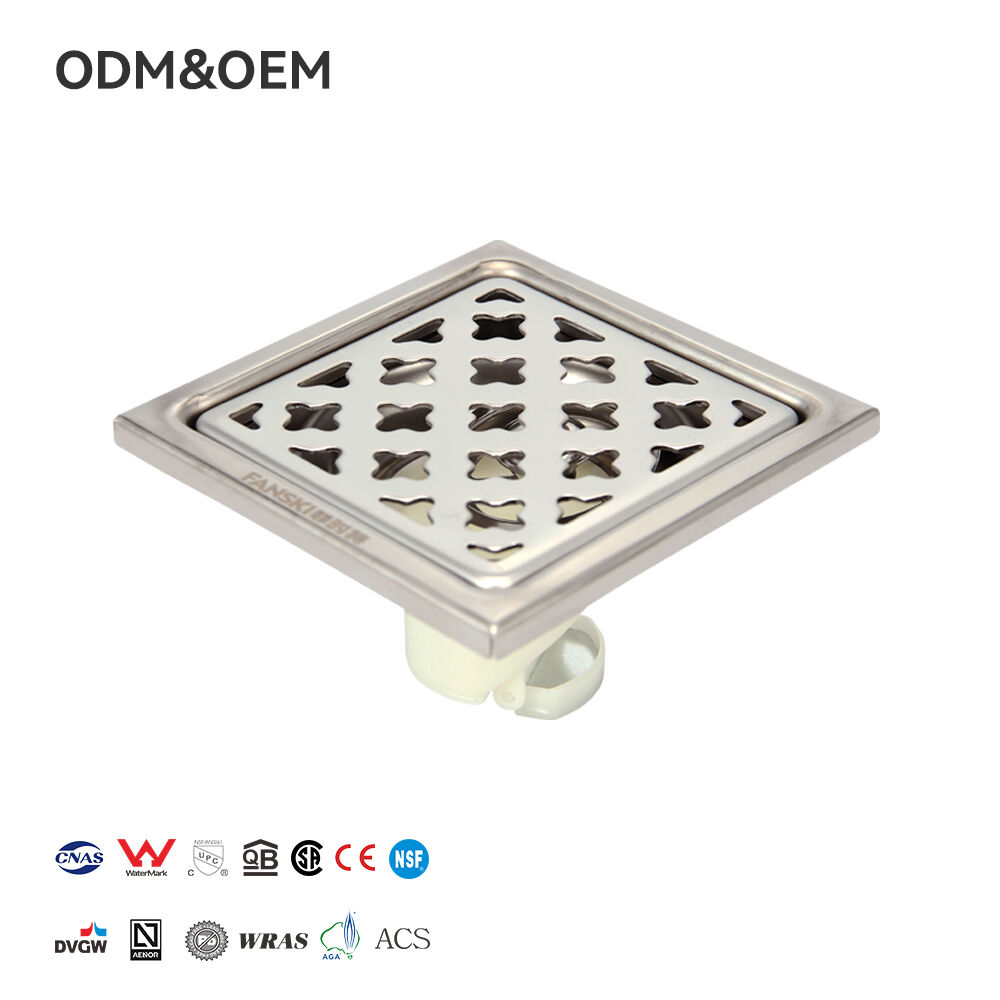
Selecting the right floor drain material is one of the most important decisions in any bathroom, kitchen, or commercial wet area project. A floor drain that corrodes or rusts not only looks unsightly but also becomes a source of odor, bacterial growth, and structural damage over time. With several materials available on the market today, understanding which one resists rust and corrosion best will save you costly replacements and maintenance headaches down the road. The material of your floor drain directly determines how long it will perform reliably under constant exposure to water, cleaning chemicals, and humid conditions.
Every floor drain faces a relentless combination of moisture, soap residue, detergents, and fluctuating temperatures. These conditions accelerate corrosion in weaker materials and expose the limitations of low-quality finishes quickly. Choosing the right floor drain from the start means fewer maintenance calls, a cleaner appearance, and longer service life. This guide breaks down the most common floor drain materials, evaluates their corrosion resistance, and explains which option performs best across different application scenarios.
Common Floor Drain Materials and Their Corrosion Resistance
Stainless Steel Floor Drain Performance
Stainless steel is widely regarded as the gold standard for floor drain construction when corrosion resistance is the priority. The alloy composition of stainless steel, particularly grades such as 304 and 316, includes chromium, which forms a self-healing passive oxide layer on the surface. This passive layer is what gives a stainless steel floor drain its outstanding ability to resist rust even under prolonged water exposure. A stainless steel floor drain also handles acidic and alkaline cleaning agents without degrading, making it the top choice for both residential bathrooms and demanding commercial kitchens.
Grade 316 stainless steel floor drain products offer even higher corrosion resistance than 304 because they contain molybdenum, which protects against chloride-induced corrosion. This matters significantly in coastal environments and facilities where chlorine-based disinfectants are used regularly. A well-manufactured stainless steel floor drain maintains its surface integrity for decades, requiring minimal maintenance beyond routine cleaning. For any environment where durability and hygiene are non-negotiable, a stainless steel floor drain consistently outperforms all other material options.
Cast Iron and Plastic Floor Drain Limitations
Cast iron floor drain products were once standard in industrial settings, but their susceptibility to surface rust makes them a declining choice. Without adequate protective coatings, a cast iron floor drain begins to oxidize when exposed to standing water and humidity. Over time, the rust not only weakens the floor drain body but also stains the surrounding floor surface. While a cast iron floor drain can be coated with epoxy or enamel finishes, these coatings chip and wear, eventually exposing the bare metal underneath.
Plastic floor drain options, typically made from ABS or PVC, eliminate the rust problem entirely but introduce different limitations. A plastic floor drain may crack under heavy mechanical loads, warp under high temperatures, and degrade when exposed to harsh solvents. In light-duty residential applications, a plastic floor drain can serve adequately, but it lacks the structural strength and long-term surface quality of stainless steel. For any floor drain installation where performance and appearance need to hold up over years of use, plastic simply does not match the benchmark set by stainless steel.
Why Stainless Steel Floor Drains Outperform in Wet Environments
Self-Healing Oxide Layer Advantage
The defining advantage of a stainless steel floor drain over other materials is its passive oxide layer, which reforms automatically when scratched or abraded. Unlike painted or coated floor drain products, where damage to the surface finish exposes vulnerable base metal, stainless steel does not rely on a coating for its corrosion protection. This self-healing chemistry means a stainless steel floor drain continues to resist rust even after years of scrubbing, foot traffic, and tool contact. It is this intrinsic material property that makes stainless steel the most reliable floor drain choice in demanding wet environments.
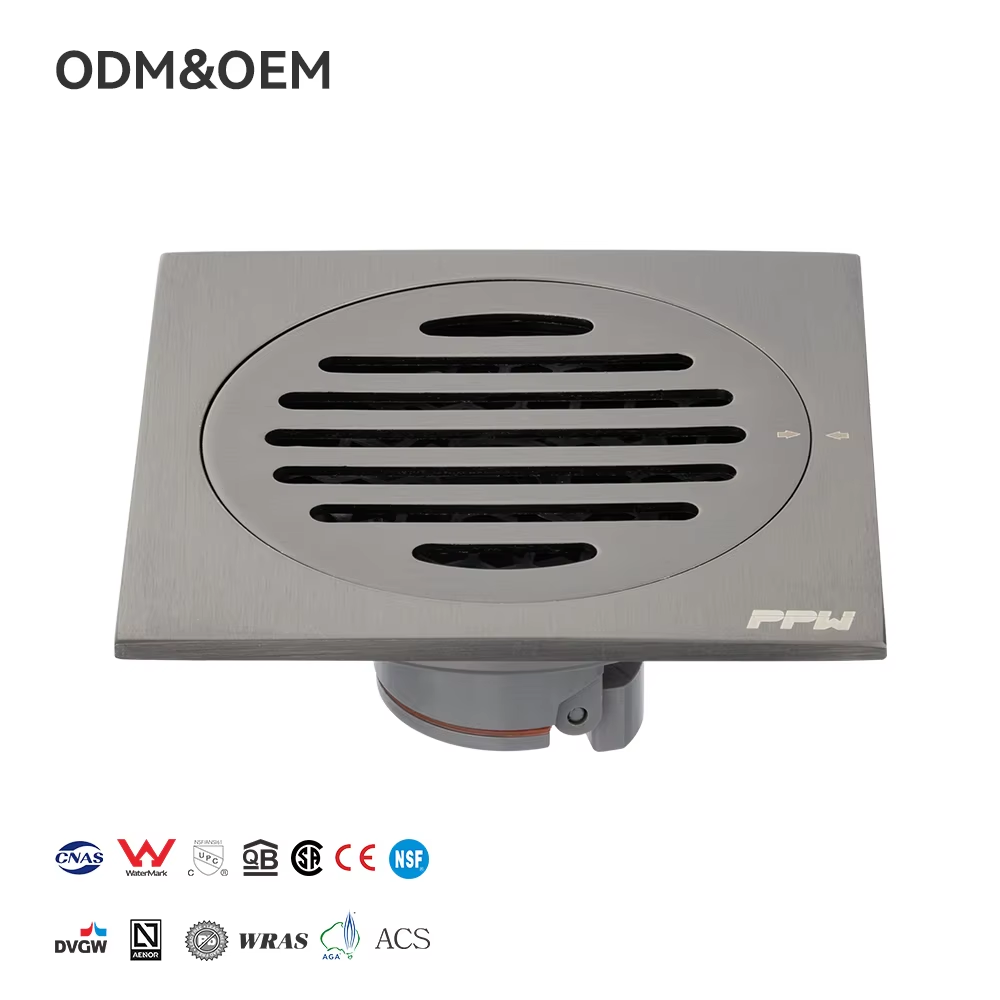
Hygiene and Odor Control in Floor Drain Applications
A corroding floor drain creates microscopic pits and crevices on its surface where bacteria and biofilm accumulate. These harbored microorganisms contribute directly to drain odor and sanitation problems. A stainless steel floor drain with a smooth, non-porous surface resists biofilm adhesion and is far easier to sanitize thoroughly. In food processing plants, hospitals, and commercial kitchens, the hygienic surface of a stainless steel floor drain is not just a convenience but a regulatory requirement. Anti-odor features, such as water-seal traps integrated into modern stainless steel floor drain designs, add another layer of protection against sewer gas intrusion.
Selecting the Right Floor Drain for Your Specific Application
Residential Bathroom Floor Drain Considerations
In a residential bathroom, the floor drain must balance aesthetic design with functional corrosion resistance. A modern square stainless steel floor drain fits contemporary tile layouts while delivering the rust resistance that chrome-plated zinc alloy floor drain alternatives cannot sustain long-term. Chrome plating on zinc or brass floor drain products often bubbles and peels within a few years in humid bathrooms, revealing the base metal and accelerating decay. Choosing a fully stainless steel floor drain, rather than a plated floor drain, ensures that the corrosion protection is built into the material itself, not applied on top of it.
A floor drain designed specifically with anti-corrosion and anti-odor properties, like the 4-inch square stainless steel shower drain models currently available, represents the best value for residential bathroom installations. These floor drain products combine a sleek modern profile with the full material benefits of stainless steel construction. When evaluating a floor drain for your bathroom, always verify the material grade and look for products that explicitly state stainless steel construction rather than stainless steel appearance or finish.
Commercial and Industrial Floor Drain Requirements
In commercial and industrial environments, the floor drain selection criteria become even more stringent. High-traffic kitchens, locker rooms, and processing facilities subject a floor drain to concentrated cleaning chemicals, grease, and heavy mechanical stress. A grade 316 stainless steel floor drain is the preferred specification in these settings because of its superior chloride resistance. The floor drain must also feature adequate flow capacity, secure grate locking mechanisms, and a robust body that withstands trolley and equipment loads without deforming. A properly specified commercial floor drain reduces maintenance intervention significantly and keeps facilities compliant with hygiene standards.
FAQ
What makes a stainless steel floor drain better than a chrome-plated one?
A stainless steel floor drain resists rust through its entire material structure, while a chrome-plated floor drain relies on a thin surface coating. Once that coating chips or wears, the base metal of a plated floor drain is exposed to moisture and begins to corrode rapidly. Stainless steel does not depend on any surface treatment for its corrosion resistance, which is why it lasts significantly longer in wet conditions.
How often should a floor drain be cleaned to prevent corrosion buildup?
A stainless steel floor drain should be cleaned at least once a week in residential use and more frequently in commercial settings. Regular cleaning removes soap scum, mineral deposits, and organic debris that can trap moisture and accelerate localized surface staining. Even though a stainless steel floor drain is highly resistant to corrosion, routine cleaning preserves both the appearance and the long-term performance of the floor drain.
Is a 4-inch floor drain sufficient for a standard bathroom shower area?
Yes, a 4-inch floor drain is the standard size for most residential bathroom and shower floor drain installations. This floor drain diameter handles typical household water flow rates efficiently without risk of flooding or backup. For larger walk-in showers or wet rooms with multiple showerheads, you may want to confirm the specific flow rate rating of your floor drain to ensure it meets the demand of your particular setup.