
 EN
EN
Every home plumbing system depends on reliable control points that allow water flow to be cut off quickly and safely. A stop valve serves precisely this purpose, acting as a dedicated shutoff device installed along individual water supply lines throughout the home. Without a properly functioning stop valve, homeowners face serious risk when leaks occur, appliances fail, or maintenance tasks require water to be interrupted. Understanding why a stop valve is so fundamental to home plumbing safety is the first step toward making smarter decisions about your water system.
A stop valve is not simply a convenience — it is a critical safety component that gives homeowners and plumbers precise control over water isolation. Each stop valve is strategically positioned near fixtures such as toilets, water heaters, washing machines, and under-sink connections. When a problem arises, the stop valve allows water to be shut off at the source of the issue rather than cutting supply to the entire building. This localized control is what makes the stop valve indispensable in modern residential plumbing design.
The Core Role of a Stop Valve in Isolation
How a Stop Valve Achieves Isolation
The primary function of a stop valve is to isolate a specific section of the water supply system. When you turn a stop valve to the closed position, it creates a physical barrier that prevents pressurized water from continuing through the pipe. This stop valve mechanism is particularly important during emergencies, such as a burst pipe or a leaking appliance connection. By closing the stop valve, occupants can stop water flow within seconds and prevent minor leaks from becoming costly floods. The stop valve essentially gives you a dedicated 'off switch' for each water supply point in the home.
Why Localized Isolation Matters
Homes that lack individual stop valves at each fixture must rely on a single main shutoff whenever any plumbing task is needed. This approach is highly disruptive and forces the entire household to go without water even for minor repairs. A stop valve at each supply line eliminates this problem by allowing targeted isolation. A plumber replacing a toilet can use the stop valve dedicated to that line rather than shutting down water supply to the whole building. The stop valve is what makes room-by-room and fixture-by-fixture plumbing work practical and efficient. Every stop valve installed in your home adds another layer of operational flexibility to your plumbing system.
Essential Scenarios Where a Stop Valve Proves Its Value
Emergency Leak Control with a Stop Valve
One of the most critical moments a stop valve earns its place is during an unexpected leak. Burst supply hoses behind washing machines, cracked connectors under sinks, and failed toilet supply lines are common household emergencies. When a stop valve is present and accessible, responding to these situations becomes significantly faster. Closing the stop valve immediately halts the water source and limits water damage to the area. Without a stop valve nearby, water continues flowing until someone locates and shuts off the main supply, which can add precious minutes to the response time. The stop valve, in this context, is a direct damage-reduction tool that every household benefits from having.
Appliance Maintenance and the Stop Valve
Routine maintenance tasks such as replacing a water heater, servicing a dishwasher, or installing a new toilet all require the local water supply to be cut off. A stop valve installed on the dedicated supply line for each appliance makes this process straightforward. The technician or homeowner simply closes the stop valve, drains the remaining water from the line, and proceeds with the work. Without a stop valve on those lines, simple replacements become much more complex. Installing a stop valve during the initial plumbing setup is far easier and less expensive than retrofitting one later. This is why stop valve placement is considered standard practice in quality residential plumbing.
Stop Valve Materials, Design, and Installation Considerations
Why Brass Stop Valves Are Widely Preferred
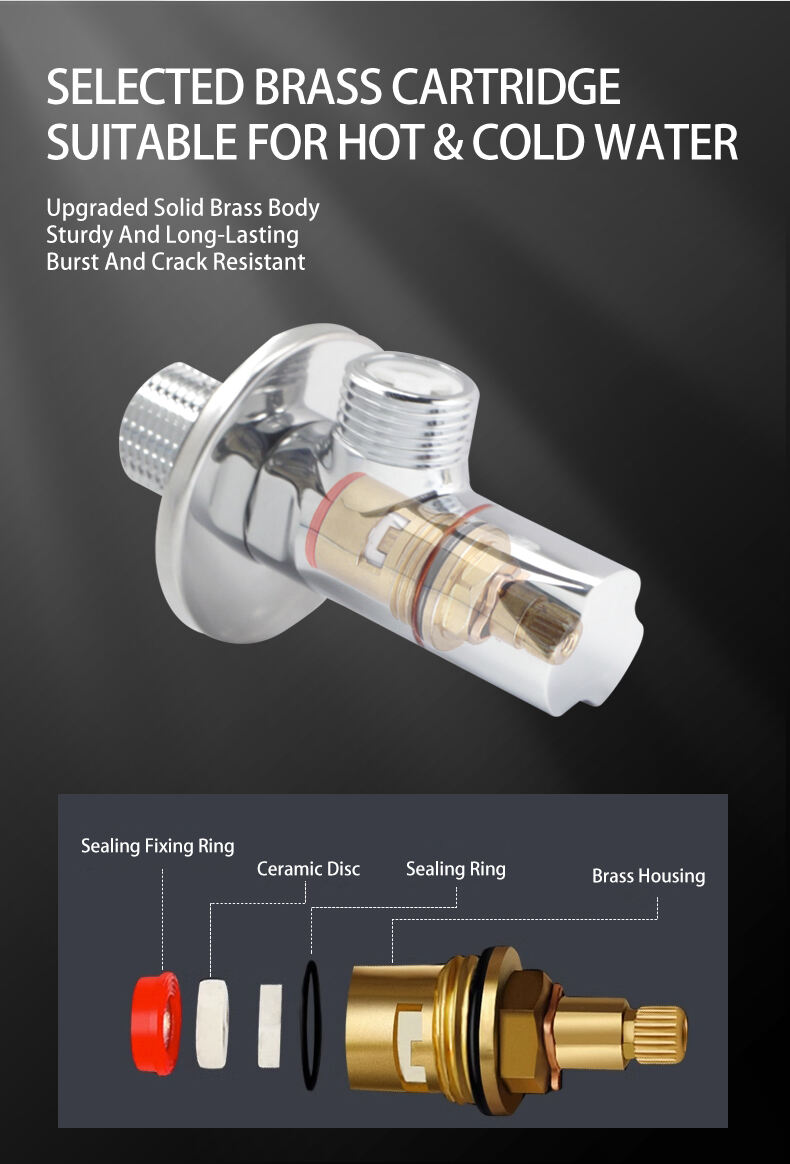
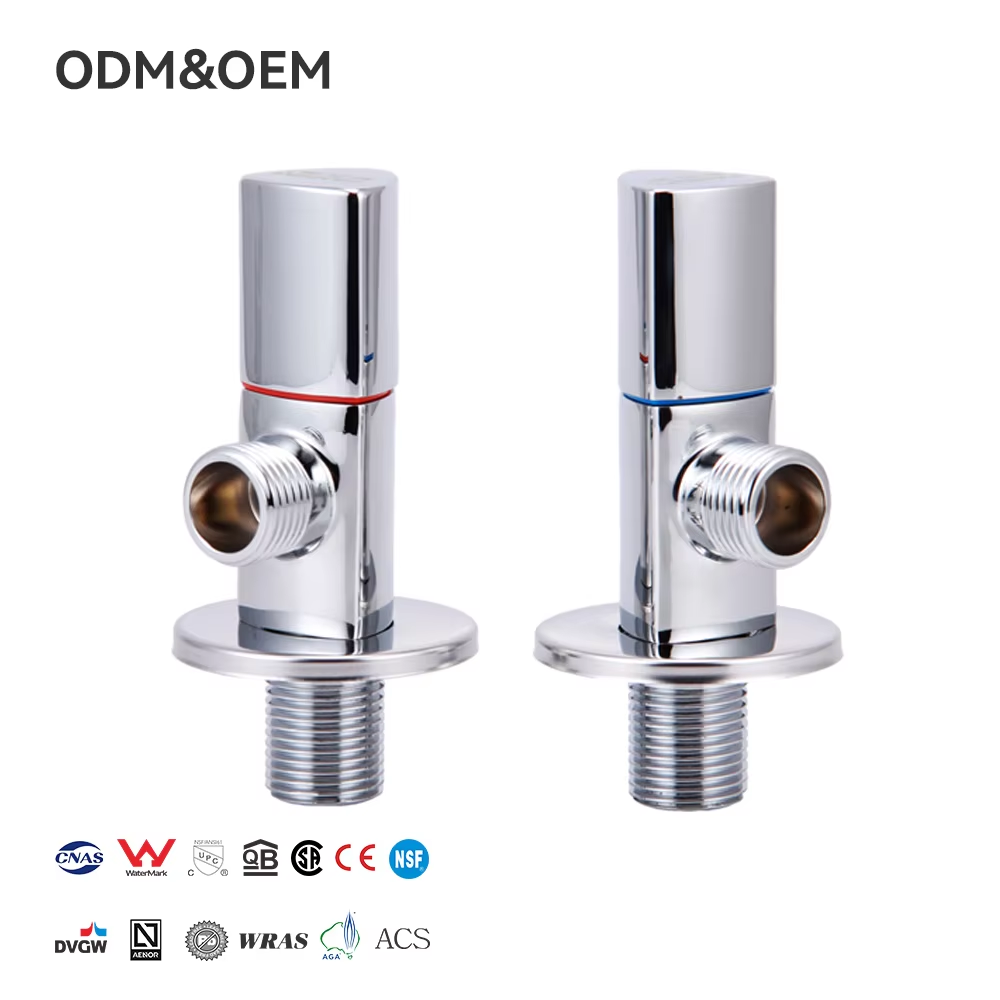
The material of a stop valve directly affects its durability, corrosion resistance, and long-term reliability. Brass is among the most widely used materials for a stop valve in residential applications because it offers excellent resistance to corrosion from both hot and cold water. A thickened brass stop valve maintains structural integrity under sustained water pressure without cracking or deforming over time. The angle-type stop valve, which redirects flow at a 90-degree angle, is especially common for toilet connections and water heater supply lines because it saves space and simplifies installation. Choosing a high-quality brass stop valve means fewer replacements, reduced maintenance, and consistent performance throughout years of regular use.
Proper Stop Valve Placement and Accessibility
A stop valve is only effective if it is accessible when needed. Poor placement behind walls, under insulation, or inside tight cabinet spaces makes it difficult to close the stop valve quickly during an emergency. Best practice in plumbing installation places each stop valve in an easily reachable position and clearly marks its location. The angle stop valve under a bathroom sink or behind a toilet is a standard example of well-positioned stop valve installation. Homeowners should periodically test each stop valve to confirm it opens and closes smoothly, since a stop valve that has not been operated in years may become stuck and fail at a critical moment. Routine checks on your stop valve are a simple but highly effective part of home maintenance.
FAQ
What is the difference between a stop valve and a main shutoff valve?
A main shutoff valve controls water supply to the entire property, while a stop valve is installed on individual supply lines to isolate specific fixtures or appliances. The stop valve gives you more targeted control, allowing one area to be shut off without affecting water supply elsewhere in the home. Both types are important, but the stop valve provides day-to-day operational flexibility that a single main valve cannot offer.
How often should a stop valve be inspected or replaced?
A stop valve should be tested at least once per year to ensure it operates correctly. During inspection, check for mineral buildup, corrosion, or stiffness in the handle. A stop valve that leaks when closed or cannot be turned fully should be replaced promptly. High-quality brass stop valves typically last many years under normal conditions, but regular inspection extends their reliable service life and prevents failure during emergencies.
Can I install a stop valve myself, or do I need a plumber?
An angle stop valve for a toilet or under-sink supply line can often be replaced by a confident homeowner with basic plumbing knowledge and the right tools. However, installing a new stop valve on a main supply branch or in a more complex configuration is better handled by a licensed plumber. Correct installation of a stop valve ensures a watertight seal, proper pressure handling, and compliance with local plumbing codes. When in doubt, professional installation of your stop valve is the safest choice.