
 EN
EN
Hard water mineral deposits can quickly transform a functional shower hose into a problematic component that restricts water flow and creates maintenance headaches. Understanding which materials resist mineral accumulation is essential for homeowners and commercial property managers seeking long-term performance from their plumbing fixtures. The choice of shower hose material significantly impacts how well your system handles calcium, magnesium, and other mineral deposits that characterize hard water conditions.
Understanding Hard Water Impact on Plumbing Components
Mineral Composition and Accumulation Patterns
Hard water contains elevated concentrations of dissolved minerals, primarily calcium carbonate and magnesium sulfate, which precipitate when heated or under pressure changes. These minerals create stubborn deposits that gradually narrow internal passages and reduce water flow efficiency. The accumulation rate depends on water hardness levels, usage frequency, and the specific material properties of your plumbing components.
Different materials interact uniquely with mineral-rich water, creating varying levels of adhesion for calcium and magnesium deposits. Surface texture, chemical composition, and porosity all influence how readily minerals bond to internal surfaces. Understanding these interactions helps predict maintenance requirements and component longevity in hard water environments.
Long-Term Effects on System Performance
Mineral buildup progressively restricts water flow, increases pressure requirements, and can lead to premature component failure. The economic impact extends beyond replacement costs to include increased energy consumption and reduced user satisfaction. Properties with hard water typically experience 25-40% shorter component lifespans without proper material selection and maintenance protocols.
System-wide effects include increased pump wear, reduced heating efficiency, and potential damage to connected fixtures. The cascading impact of poor material choices can affect entire plumbing networks, making initial material selection a critical decision point for both residential and commercial applications.
Material Comparison for Hard Water Resistance
Stainless Steel Performance Characteristics
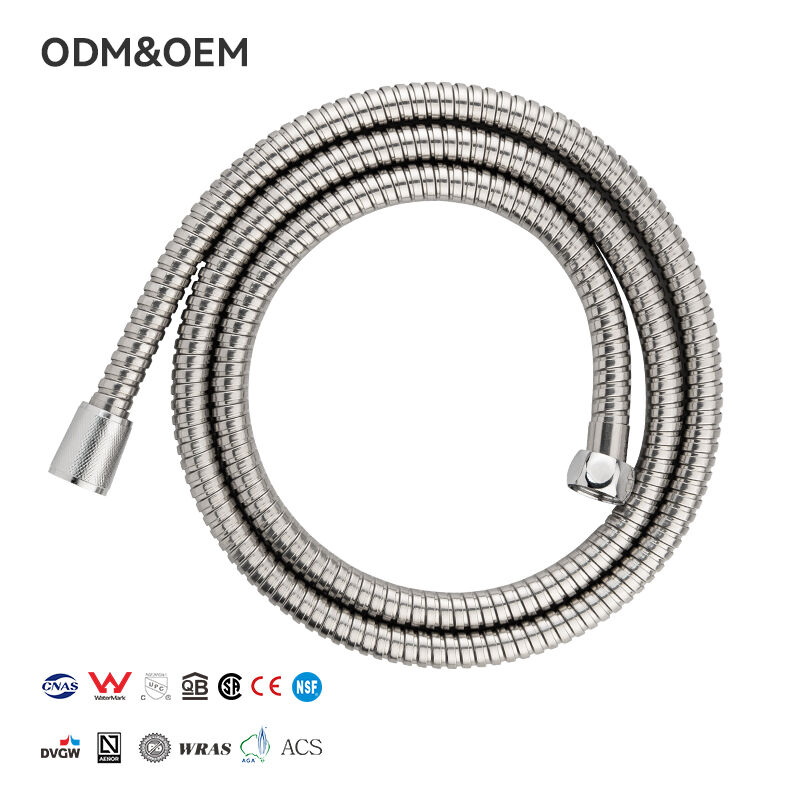
Stainless steel shower hoses demonstrate superior resistance to mineral buildup due to their smooth, non-porous surface finish. The chromium content creates a passive oxide layer that prevents mineral adhesion and allows easier cleaning when deposits do occur. Grade 304 and 316 stainless steel varieties offer different levels of corrosion resistance, with 316 providing enhanced performance in aggressive water conditions.
The manufacturing process influences surface smoothness, with drawn or seamless construction providing better results than welded alternatives. Quality stainless steel components maintain their anti-fouling properties throughout their service life, making them cost-effective despite higher initial investment. Regular maintenance requirements are minimal compared to other materials.
PVC and Polymer Solutions
Modern PVC formulations incorporate anti-mineral additives that reduce surface adhesion for calcium and magnesium deposits. High-quality PVC shower hoses feature smooth internal surfaces and chemical resistance that prevents mineral bonding. The flexibility of polymer materials allows for easier installation and replacement while maintaining good performance in hard water conditions.
Advanced polymer blends combine multiple materials to optimize both flexibility and mineral resistance. These engineered solutions often outperform traditional materials while offering cost advantages and simplified installation procedures. The key lies in selecting products from manufacturers who understand hard water challenges and formulate their materials accordingly.
Composite and Hybrid Materials
Composite shower hose designs combine multiple materials to leverage the best properties of each component. Typical constructions feature stainless steel internal cores with polymer outer layers, providing both mineral resistance and flexibility. These hybrid approaches often deliver superior performance compared to single-material solutions.
Manufacturing advances enable precise control over layer thickness and material properties, optimizing performance for specific applications. The result is components that resist mineral buildup while maintaining the flexibility and durability required for daily use. Quality composite designs often exceed the performance of premium single-material alternatives.
Installation and Maintenance Considerations
Proper Installation Techniques
Installation quality significantly impacts long-term performance in hard water environments. Proper sealing prevents mineral-rich water from accessing connection points where deposits typically accumulate. Thread sealants and gasket materials must be compatible with hard water conditions to maintain system integrity over time.
Installation orientation affects drainage and mineral accumulation patterns within the shower hose. Avoiding low points where water can pool reduces opportunities for mineral precipitation and deposit formation. Professional installation ensures optimal positioning and connection integrity for maximum component life.
Preventive Maintenance Strategies
Regular maintenance significantly extends component life in hard water conditions. Simple cleaning procedures using vinegar solutions can dissolve mineral deposits before they become problematic. Establishing maintenance schedules based on water hardness levels prevents minor issues from becoming major system problems.
Water treatment systems can reduce mineral content and extend component life across entire plumbing networks. While not always practical for every application, water softening or filtration systems provide comprehensive solutions for properties with severe hard water challenges. The investment in treatment systems often pays for itself through extended component life and reduced maintenance requirements.
Economic Analysis and Selection Criteria
Cost-Benefit Calculations
Initial material costs must be evaluated against long-term performance and replacement frequency. Premium materials often provide lower total cost of ownership despite higher upfront investment. The calculation becomes more favorable as water hardness levels increase and component replacement frequency rises with inferior materials.
Labor costs for frequent replacements can exceed material savings from choosing cheaper alternatives. Professional installation and replacement services add significant costs that favor durable, long-lasting materials. The time value of maintenance disruptions also factors into comprehensive cost analysis.
Performance Specifications and Standards
Industry standards provide guidance for material selection in hard water applications. Specifications for pressure ratings, temperature tolerance, and chemical resistance help ensure compatibility with system requirements. Quality certifications indicate manufacturer compliance with performance standards and testing protocols.
Performance data from independent testing provides objective comparison criteria between different material options. Manufacturers who invest in comprehensive testing typically produce higher-quality products with better real-world performance. Specification sheets should include specific performance data for hard water conditions when available.
Advanced Solutions and Future Developments
Innovative Surface Treatments
Surface modification technologies create ultra-smooth finishes that resist mineral adhesion. Nano-coatings and specialized surface treatments can transform conventional materials into high-performance alternatives. These treatments often provide cost-effective upgrades to existing material platforms without requiring completely new manufacturing processes.
Research into biomimetic surfaces draws inspiration from natural systems that resist fouling and deposits. These advanced treatments show promise for significantly reducing maintenance requirements and extending component life. Commercial applications of these technologies are beginning to appear in premium product lines.
Smart Monitoring and Maintenance Systems
IoT-enabled monitoring systems can track performance degradation and predict maintenance requirements for shower hose components. Sensors can detect flow restrictions and pressure changes that indicate mineral buildup before system performance is significantly impacted. These systems enable proactive maintenance scheduling and prevent unexpected failures.
Integration with building management systems allows comprehensive monitoring of plumbing networks and optimization of maintenance resources. Data analytics can identify patterns and optimize material selection for specific water conditions and usage patterns. The future of plumbing maintenance lies in predictive systems that maximize component life and minimize disruptions.
FAQ
How often should shower hoses be replaced in hard water areas
Replacement frequency depends on water hardness levels and material quality, but typically ranges from 2-5 years for standard materials in moderate hard water conditions. Premium materials like high-grade stainless steel can last 8-12 years with proper maintenance. Regular inspection and cleaning can extend service life significantly regardless of material choice.
Can water softeners eliminate the need for mineral-resistant materials
Water softeners significantly reduce mineral content but rarely eliminate it completely. Some residual hardness typically remains, making material selection still important for optimal performance. Softening systems also require maintenance and can fail, making mineral-resistant materials a valuable backup protection strategy.
What cleaning methods work best for removing mineral deposits
Vinegar solutions effectively dissolve calcium and magnesium deposits without damaging most shower hose materials. Soaking components in diluted vinegar overnight followed by gentle brushing removes stubborn buildup. Commercial lime-scale removers provide stronger action but should be tested for material compatibility before use.
Are there warranty considerations for different materials in hard water applications
Manufacturer warranties may exclude damage from mineral buildup or require specific maintenance procedures in hard water areas. Premium materials often include better warranty coverage and may offer performance guarantees for hard water conditions. Always review warranty terms carefully and maintain documentation of proper installation and maintenance procedures.