
 EN
EN
Maintaining clean and hygienic drainage systems in commercial and residential spaces has become a critical concern for property managers, facility operators, and homeowners alike. The growing popularity of removable drainage solutions stems from their practical advantages in addressing common maintenance challenges. Modern facilities require drainage systems that can adapt to intensive cleaning protocols while maintaining optimal performance throughout their operational lifespan.
Understanding Removable Drainage Technology
Core Components and Design Philosophy
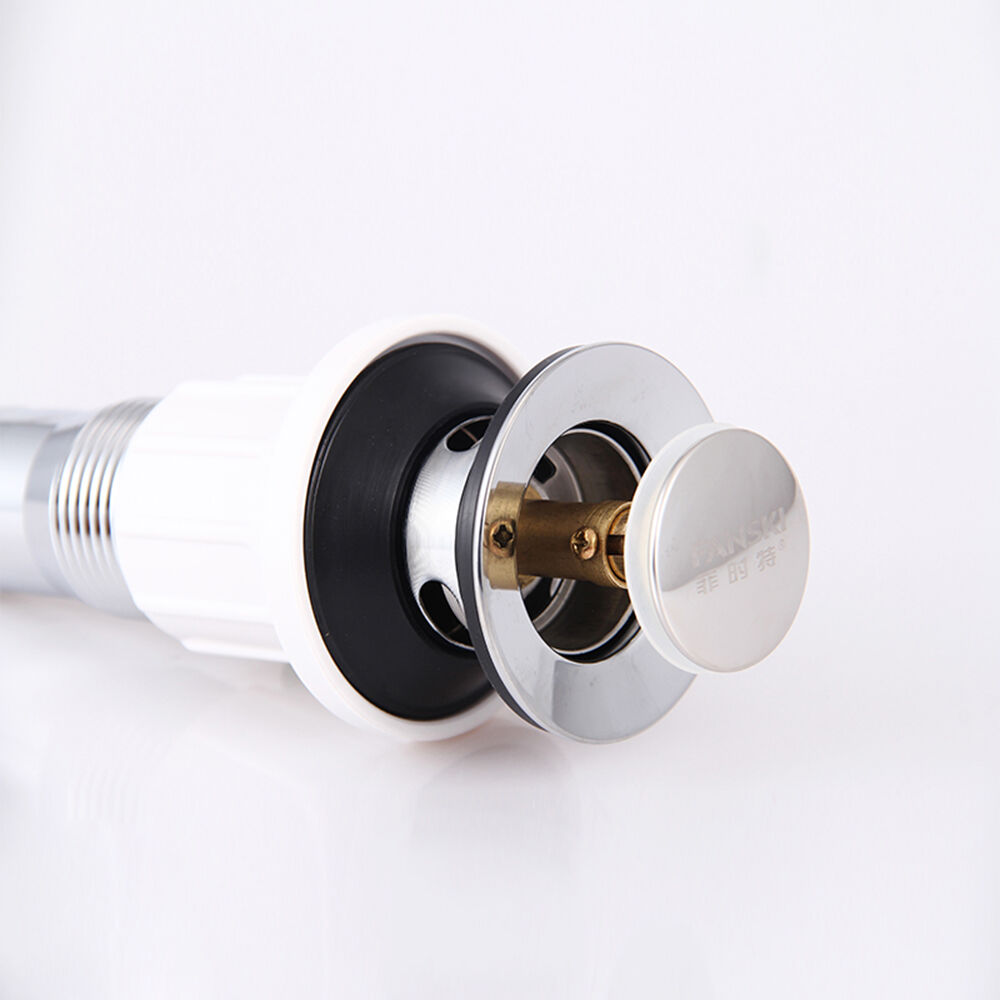
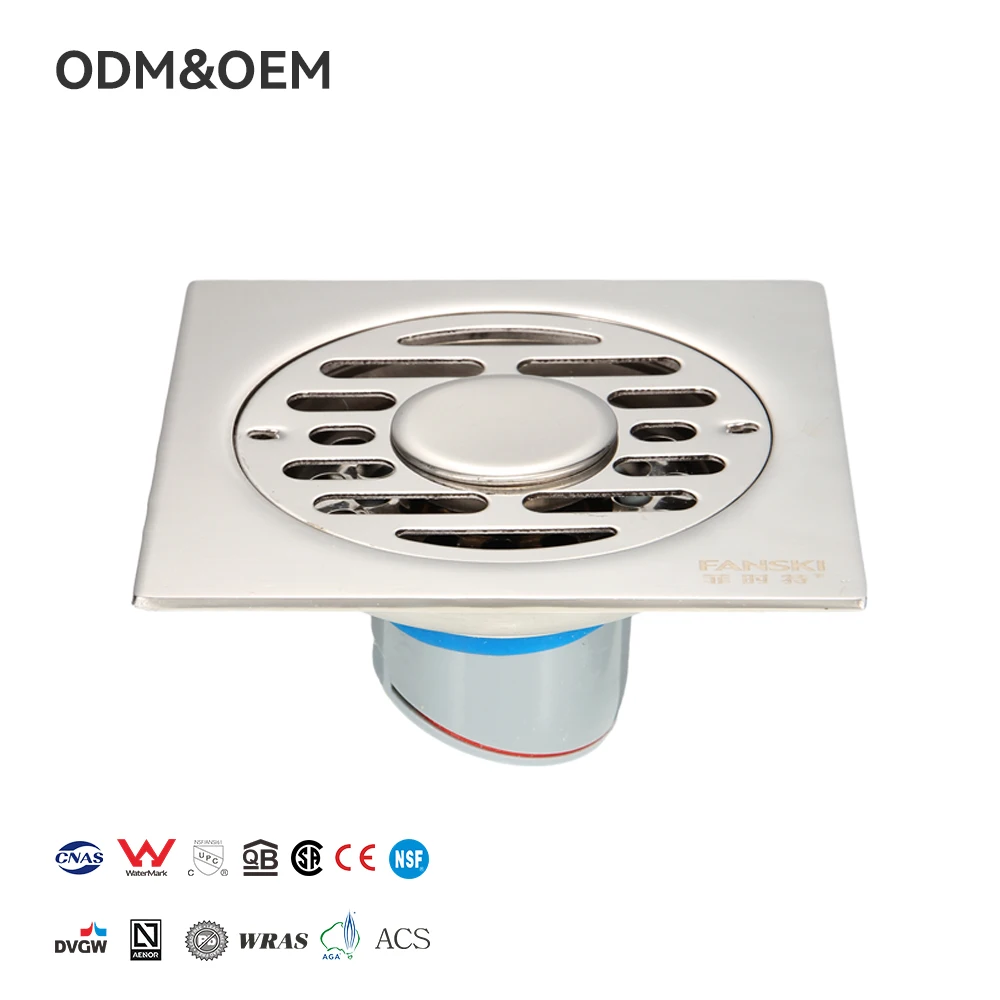
Removable drainage systems incorporate modular components that allow for complete disassembly without specialized tools or extensive labor requirements. These systems typically feature stainless steel construction with precision-engineered fittings that maintain watertight seals while enabling quick removal. The design philosophy centers on accessibility, ensuring that every component can be reached and cleaned thoroughly without dismantling surrounding infrastructure.
The engineering behind removable systems addresses traditional drainage limitations by incorporating lift-out strainers, twist-lock mechanisms, and modular trap assemblies. Each component serves dual purposes of functional drainage and maintenance accessibility. Professional installers appreciate the standardized connection points that simplify both initial installation and subsequent maintenance procedures.
Material Innovation and Durability Standards
Advanced materials science has revolutionized removable drainage manufacturing, with grade 304 and 316 stainless steel becoming industry standards for corrosion resistance and longevity. These materials maintain structural integrity under repeated assembly and disassembly cycles while resisting chemical degradation from cleaning agents. Surface finishing techniques create smooth, non-porous surfaces that prevent bacterial accumulation and facilitate thorough sanitization.
Quality manufacturers implement rigorous testing protocols to ensure removable components maintain their precision fit after hundreds of cleaning cycles. The materials selected must withstand thermal expansion, chemical exposure, and mechanical stress without compromising the system's hydraulic performance or creating potential leak points.
Operational Benefits in Commercial Environments
Enhanced Cleaning Efficiency
Commercial kitchens, hospitals, and food processing facilities require drainage systems that support stringent hygiene standards. Removable drainer components enable maintenance teams to perform comprehensive cleaning that would be impossible with fixed installations. Every surface can be accessed, scrubbed, and sanitized using appropriate cleaning protocols and equipment.
The time savings associated with removable systems translate directly into operational efficiency improvements. Maintenance personnel can complete thorough cleaning procedures in significantly less time compared to traditional methods that require specialized cleaning equipment to reach inaccessible areas. This efficiency enables more frequent cleaning cycles without disrupting normal operations.
Compliance with Health and Safety Regulations
Regulatory compliance in sectors such as food service, healthcare, and hospitality demands verifiable cleaning procedures that removable drainage systems uniquely enable. Inspectors can visually confirm the cleanliness of all system components, eliminating concerns about hidden contamination or inadequate sanitization. Documentation of cleaning procedures becomes straightforward when all components can be photographed and verified clean.
Risk management professionals recognize removable systems as essential tools for maintaining compliance with evolving health codes and industry standards. The ability to demonstrate thorough cleaning practices protects organizations from liability while ensuring optimal sanitary conditions for employees, customers, and patients.
Maintenance Cost Analysis and Long-term Value
Reduced Service Call Requirements
Traditional drainage systems often require professional service calls for routine maintenance tasks that building staff cannot safely or effectively perform. Removable systems empower in-house maintenance teams to handle most cleaning and inspection procedures without external contractor involvement. This capability significantly reduces ongoing operational expenses while improving response times for maintenance issues.
The elimination of specialized cleaning equipment requirements further reduces operational costs. Standard cleaning supplies and procedures suffice for maintaining removable drainage components, eliminating the need for expensive pressure washing systems or chemical cleaning services that fixed installations often require.
Extended System Lifespan Through Preventive Care
Regular, thorough cleaning made possible by removable designs prevents the accumulation of organic matter, mineral deposits, and corrosive substances that typically shorten drainage system lifespans. Components that can be completely cleaned and inspected regularly maintain their original performance characteristics far longer than inaccessible fixed installations.
Predictive maintenance becomes feasible when maintenance teams can visually inspect all system components during routine cleaning procedures. Early identification of wear, corrosion, or damage enables proactive replacement of individual components rather than emergency repairs or complete system replacements that characterize traditional installations.
Installation Considerations and Best Practices
Professional Installation Requirements
Proper installation of removable drainage systems requires understanding of both plumbing principles and the specific requirements of modular components. Professional installers must ensure that removable elements maintain perfect alignment and sealing while allowing for easy disassembly. The installation process includes careful attention to access clearances that enable maintenance personnel to safely remove components.
Substrate preparation becomes critical for removable systems, as uneven surfaces or improper support can prevent proper sealing or cause component binding during removal procedures. Quality installations incorporate appropriate backing plates, reinforcement, and waterproofing measures that accommodate the unique stresses associated with removable assemblies.
Training and Documentation Requirements
Successful implementation of removable drainage systems requires comprehensive training for maintenance personnel and clear documentation of cleaning procedures. Organizations must develop standard operating procedures that specify cleaning frequencies, approved cleaning agents, and reassembly protocols to ensure consistent performance and regulatory compliance.
Documentation should include photographic records of proper component positioning, torque specifications for threaded connections, and troubleshooting guides for common assembly issues. This comprehensive approach ensures that multiple team members can effectively maintain the systems and that knowledge transfer remains consistent over time.
Industry Applications and Sector-Specific Advantages
Healthcare and Laboratory Facilities
Healthcare environments present unique challenges for drainage maintenance due to strict infection control requirements and the presence of potentially hazardous materials. Removable drainage systems enable healthcare facilities to maintain sterile conditions by ensuring that all drainage components can be thoroughly disinfected using hospital-grade cleaning protocols.
Laboratory applications benefit from removable systems that can accommodate specialized cleaning procedures for chemical compatibility and contamination prevention. Research facilities often require drainage systems that can be decontaminated for different experimental protocols, making removability an essential feature rather than a convenience.
Food Service and Processing Industries
Food safety regulations in commercial kitchens and processing facilities mandate drainage systems that support Hazard Analysis and Critical Control Points protocols. Removable drainer systems enable food service operations to demonstrate compliance with cleaning and sanitization requirements while maintaining operational efficiency during peak service periods.
The ability to remove and sanitize drainage components separately prevents cross-contamination between different food preparation areas and enables specialized cleaning procedures for allergen control. These capabilities have made removable systems increasingly standard in new food service facility construction and renovation projects.
FAQ
How often should removable drainer components be cleaned in commercial facilities
Cleaning frequency depends on facility type and usage intensity, but most commercial installations benefit from weekly deep cleaning of removable components. High-traffic areas such as commercial kitchens may require daily cleaning, while office buildings might maintain adequate hygiene with bi-weekly cleaning schedules. Healthcare facilities typically follow stricter protocols with daily or even shift-based cleaning requirements.
What tools are required for maintaining removable drainage systems
Most removable systems require only basic hand tools such as adjustable wrenches, screwdrivers, and standard cleaning equipment. The design philosophy emphasizes tool-free or minimal-tool operation to enable routine maintenance by general facility staff. Specialized equipment is typically unnecessary, making maintenance more accessible and cost-effective compared to traditional systems.
Can removable drainer systems handle the same flow rates as traditional installations
Modern removable drainage systems are engineered to meet or exceed the hydraulic performance of traditional fixed installations. Precision manufacturing and advanced sealing technologies ensure that removable components maintain optimal flow characteristics without compromising drainage capacity. Professional sizing and installation are essential to achieve specified performance levels.
What warranty coverage typically applies to removable drainage components
Quality manufacturers provide comprehensive warranties covering both materials and workmanship, typically ranging from five to ten years for stainless steel components. Warranty terms often include coverage for sealing elements and mechanical components under normal use conditions. Regular maintenance according to manufacturer specifications is usually required to maintain warranty coverage and ensure optimal system performance.
Table of Contents
- Understanding Removable Drainage Technology
- Operational Benefits in Commercial Environments
- Maintenance Cost Analysis and Long-term Value
- Installation Considerations and Best Practices
- Industry Applications and Sector-Specific Advantages
-
FAQ
- How often should removable drainer components be cleaned in commercial facilities
- What tools are required for maintaining removable drainage systems
- Can removable drainer systems handle the same flow rates as traditional installations
- What warranty coverage typically applies to removable drainage components