
 EN
EN
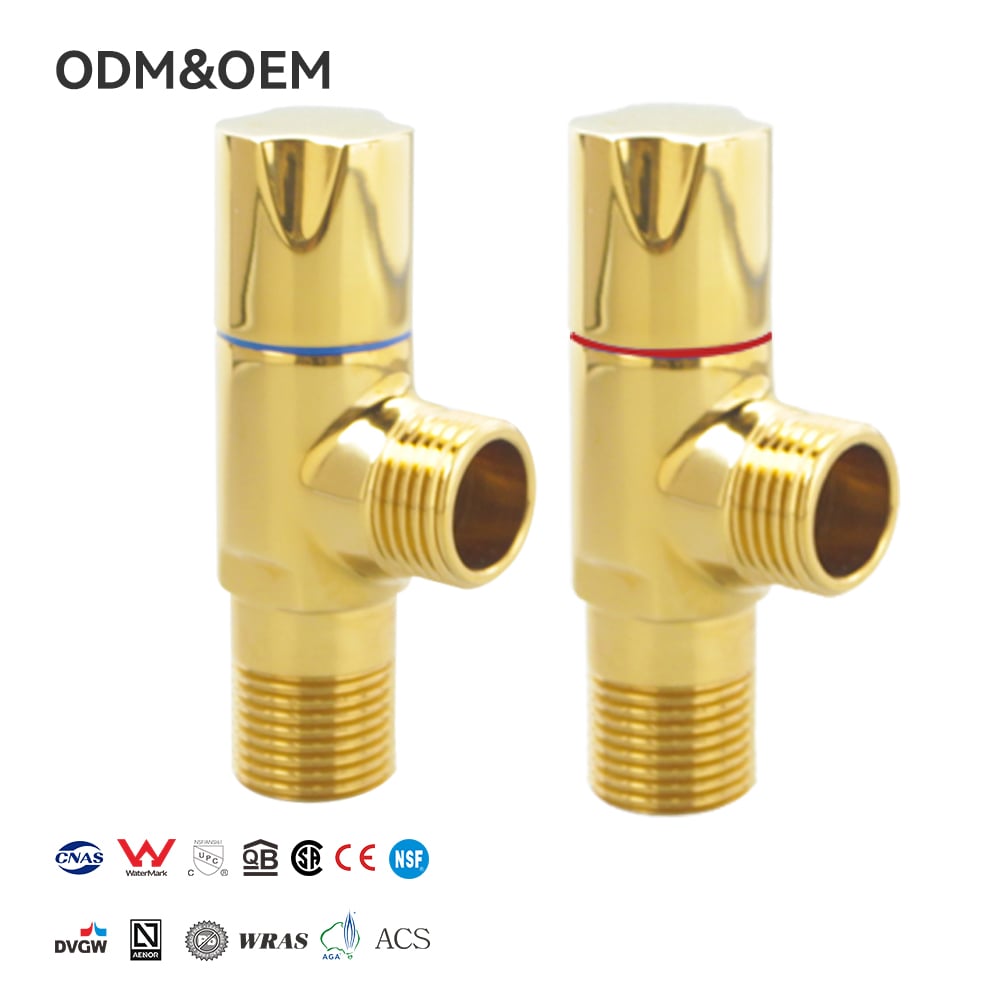
Homeowners consistently choose brass angle valves for critical plumbing applications throughout their homes. The preference for angle valves reflects a deeper understanding of reliability, longevity, and practical performance in residential water systems. An angle valve delivers precision control where it matters most, from toilet supply lines to water heater connections, making it an industry-standard solution that homeowners trust.
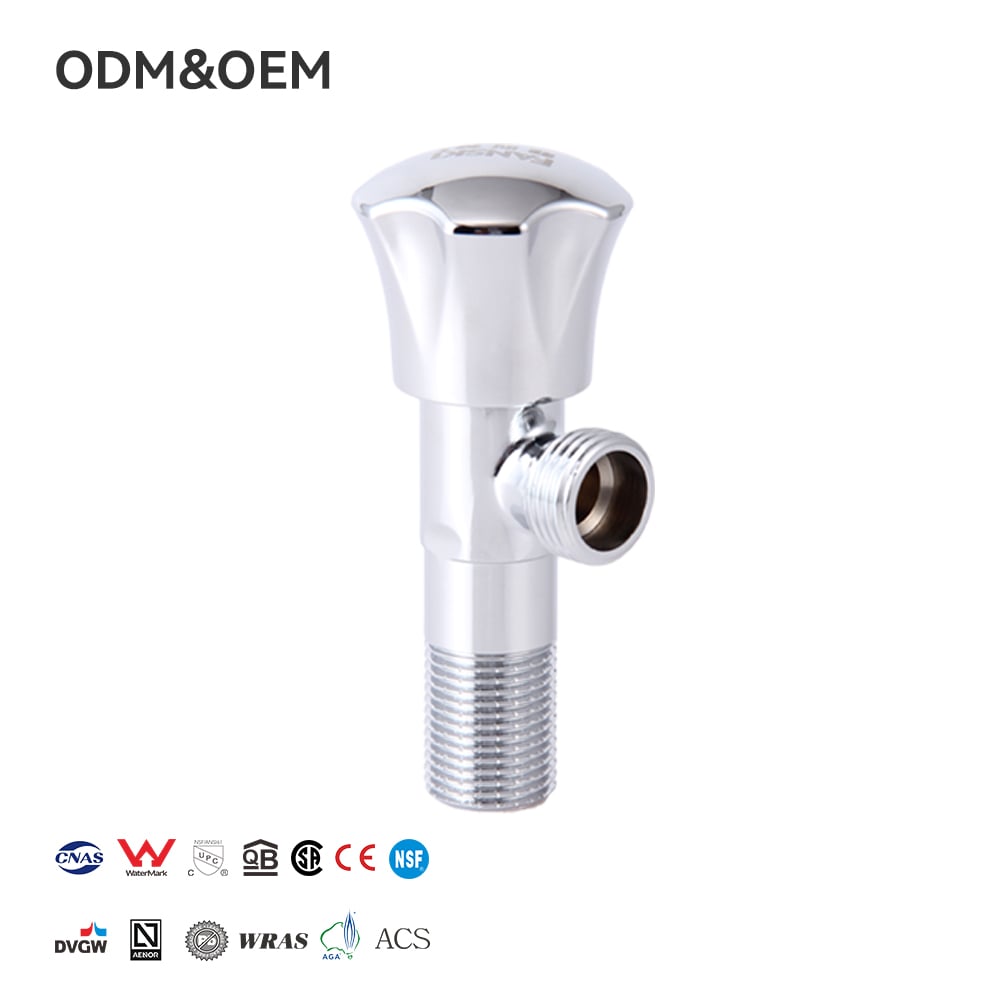
The decision to install an angle valve in a home reflects practical thinking about water system performance. Homeowners recognize that an angle valve provides superior flow management, reduces maintenance headaches, and operates reliably for decades without frequent replacement. When property owners evaluate plumbing components, an angle valve consistently emerges as the preferred choice because it combines durability, affordability, and proven performance in real-world residential conditions.
Durability and Longevity Benefits
Material Strength and Corrosion Resistance
Brass construction defines the superiority of a quality angle valve in residential plumbing. Brass naturally resists corrosion from mineral-laden water, chlorine exposure, and temperature fluctuations that degrade steel or plastic alternatives. An angle valve made from solid brass maintains structural integrity through decades of water flow, thermal cycling, and pressure variations. This material advantage means homeowners avoid premature failure, leaks, and the costly emergency repairs that follow valve deterioration.
The metallurgical properties of brass make an angle valve remarkably resistant to oxidation and scale buildup. Hard water minerals that accumulate inside less durable valves cause internal blockages and seizing, but brass angles valves maintain smooth operation even in harsh water conditions. Homeowners in regions with aggressive water chemistry specifically select an angle valve because it outperforms alternatives by years or even decades, delivering measurable return on initial investment through extended service life.
Sealing Performance Under Pressure
An angle valve's compact design concentrates sealing force efficiently, creating reliable shut-off under normal residential water pressure. The ninety-degree internal passage in an angle valve directs flow through a precisely machined seat where the stem contacts the valve body. Homeowners appreciate this design because it eliminates leaks that plague cheaper valves with loose tolerances or inadequate stem design. A well-manufactured angle valve maintains a perfect seal for fifteen, twenty, or thirty years without degradation.
Pressure testing during manufacturing ensures every angle valve meets or exceeds residential code requirements. The sealing mechanism in an angle valve relies on continuous contact between the stem and seat, a design principle that improves with proper installation and occasional maintenance. Homeowners report that an angle valve installed decades ago continues to shut off completely, stopping leaks and providing confidence in their plumbing system's reliability.
Flow Control and System Integration
Precise Shutoff Capability
Homeowners value an angle valve because it provides shut-off capability exactly where it's needed most. Unlike gate valves that require full turn-off cycles or ball valves with bulky design, an angle valve combines directional flow with straightforward on-off control. Installing an angle valve at a toilet water supply line allows quick isolation during repairs without draining the entire household system. This localized shutoff capability makes an angle valve indispensable for maintenance efficiency and emergency response.
An angle valve's quarter-turn or half-turn closing mechanism responds faster than traditional alternatives, giving homeowners immediate control during leaks or repairs. The ergonomic handle design on most angle valve installations allows quick operation even in confined spaces under sinks or behind toilets. Homeowners report that this practical shutoff capability reduces water waste, speeds repair work, and provides confidence that they can address plumbing emergencies independently.
Space-Efficient Installation
The compact L-shaped body of an angle valve solves space constraints that frustrate homeowners during bathroom and kitchen renovations. An angle valve eliminates the need for elbow fittings and adapter pieces by integrating the directional change into a single component. This consolidated design means fewer connection points, less potential for leaks, and simpler installation in tight spaces behind vanities or water heaters. Homeowners and plumbers prefer an angle valve because it reduces complexity and cost while improving reliability.
Where ceiling height is limited or wall space is congested, an angle valve makes installation possible where other valve types fail to fit. The built-in angle feature in an angle valve redirects flow without requiring separate elbows and adapters. This space efficiency translates to cleaner installations, easier maintenance access, and the ability to retrofit plumbing in older homes with challenging physical constraints that would otherwise require extensive modification.
Economic and Practical Advantages
Affordable Initial Cost and Total Cost of Ownership
Homeowners recognize that an angle valve delivers exceptional value through its low initial purchase price combined with minimal maintenance requirements. Compared to complex multi-handle valves or smart shutoff systems, an angle valve costs a fraction as much while providing equivalent performance in most residential applications. When you multiply years of reliable service by decades of ownership, an angle valve's total cost of ownership proves significantly lower than alternatives requiring periodic replacement or repair.
The durability of a quality angle valve means homeowners avoid the cascading costs of emergency repairs, water damage, and valve replacement. A single catastrophic failure at a toilet supply line can cause hundreds or thousands of dollars in water damage, making the proactive investment in a reliable angle valve financially prudent. Homeowners who maintain their homes understand that buying durable components like an angle valve prevents expensive problems rather than creating recurring expenses.
Maintenance Simplicity and Reliability
An angle valve requires virtually no maintenance beyond occasional exercise of the shut-off handle to maintain smooth operation. Unlike complex valves with multiple sealing surfaces or electronic components, an angle valve has minimal internal parts susceptible to wear or corrosion. Homeowners appreciate this simplicity because it reduces the likelihood of unexpected failure and eliminates the need for professional servicing. A residential angle valve installed properly functions reliably for decades without any intervention.
The straightforward design of an angle valve means replacement parts, if ever needed, remain widely available and affordable. Homeowners can purchase a replacement stem or seat inexpensively rather than discarding an entire valve assembly. This repairability feature makes an angle valve an environmentally sound choice while protecting homeowners from obsolescence problems that plague more complex valve technologies. The long-term reliability and low maintenance profile of an angle valve align perfectly with homeowner preferences for functional simplicity.
FAQ
What makes brass angle valves superior to plastic alternatives?
Brass angle valves offer exceptional corrosion resistance, thermal stability, and pressure-handling capability that plastic valves cannot match. Plastic components degrade under UV exposure, high temperature fluctuations, and mineral-rich water conditions, while an angle valve made from brass maintains integrity indefinitely. Homeowners choose brass angle valves because they eliminate the risk of sudden plastic failure, provide superior sealing under pressure, and deliver decades of reliable service without degradation.
How long does a residential angle valve typically last?
A properly installed, quality brass angle valve commonly lasts twenty to thirty years or longer with virtually no maintenance. The longevity of an angle valve depends on water quality, pressure conditions, and how frequently the shut-off mechanism is operated. Homeowners report that an angle valve installed during initial home construction continues functioning perfectly when the home is sold decades later, demonstrating remarkable durability compared to virtually any other household plumbing component.
Can an angle valve be installed in any orientation?
An angle valve is designed to function in the orientation its body indicates, typically with the inlet at the bottom and outlet to the side. The internal seat design in an angle valve optimizes flow and sealing when installed in the correct orientation matching the manufacturer's markings. Homeowners and plumbers should verify the correct installation direction before tightening connections to ensure optimal performance, though most applications follow standard configurations that make proper installation straightforward.