
 EN
EN
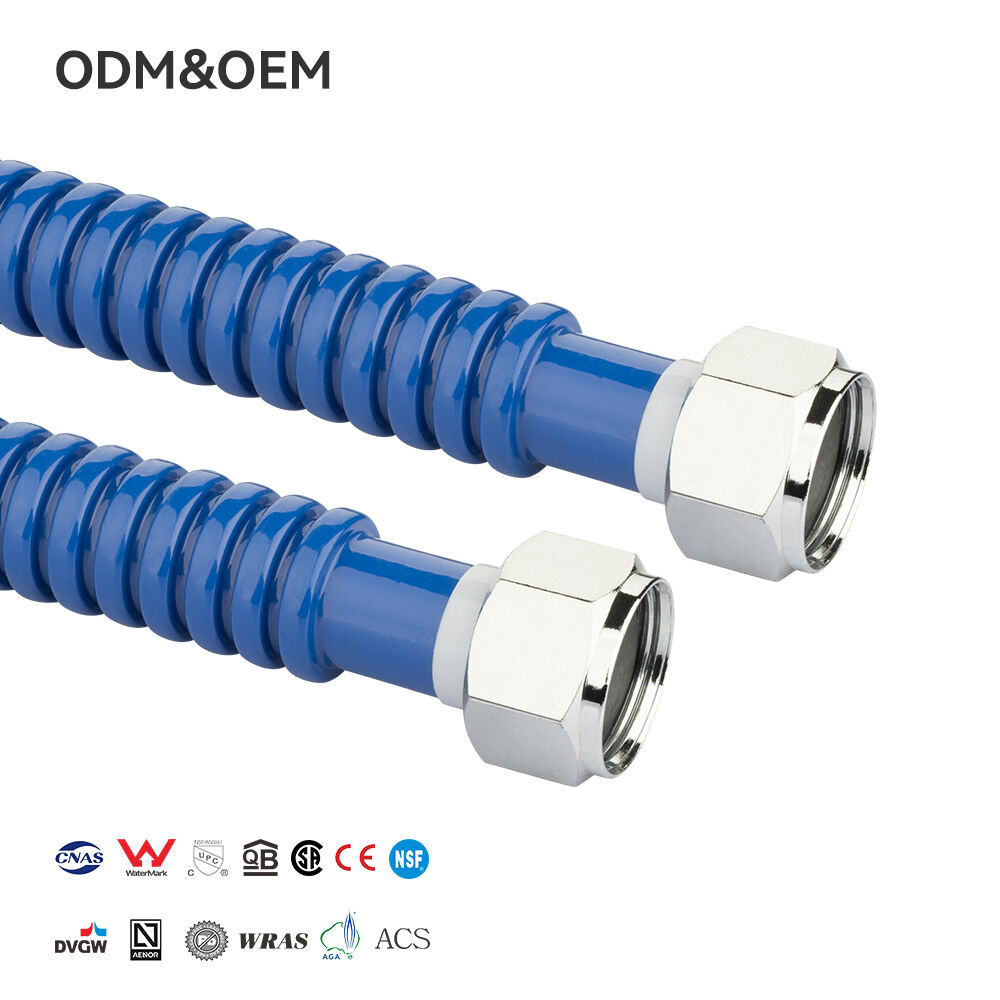
The compatibility of bidet attachments with different toilet designs has become a crucial consideration for homeowners seeking to upgrade their bathroom experience. While traditional bidet systems often require specific toilet configurations or extensive modifications, slim bidet attachments have revolutionized the market by offering unprecedented compatibility across various toilet models and brands.
The engineering principles behind slim bidet design directly address the spatial constraints and mounting challenges that have historically limited bidet installation options. Understanding why these streamlined attachments achieve superior toilet compatibility requires examining the specific design elements, dimensional considerations, and installation mechanisms that differentiate them from conventional bidet solutions.
Engineering Advantages of Slim Bidet Design
Reduced Dimensional Profile
Slim bidet attachments achieve exceptional compatibility through their minimized dimensional footprint, which addresses the primary constraint in toilet-mounted bidet installations. Traditional bidet systems often feature bulky control units, thick mounting plates, and protruding components that interfere with existing toilet hardware and user comfort.
The streamlined profile of slim bidet attachments typically measures between 15-25 millimeters in thickness, compared to conventional models that can exceed 40-50 millimeters. This dimensional reduction eliminates clearance issues with toilet seats, tank components, and bathroom fixtures that commonly prevent successful bidet installation on standard toilets.
Manufacturing precision in slim bidet construction allows for component integration that maximizes functionality while minimizing spatial requirements. Advanced engineering techniques compress internal mechanisms, water channels, and control systems into compact housings that maintain full bidet performance without compromising toilet compatibility.
Universal Mounting System Compatibility
The mounting mechanism design in slim bidet attachments incorporates universal compatibility features that accommodate the diverse range of toilet seat bolt patterns and mounting configurations found in residential and commercial settings. Standard toilet seat mounting points vary between manufacturers, creating compatibility challenges for rigid bidet designs.
Slim bidet systems utilize adjustable mounting brackets and flexible positioning systems that adapt to toilet seat bolt spacing variations ranging from 140mm to 200mm centers. This adaptability ensures successful installation across American Standard, Kohler, TOTO, and other major toilet brands without requiring modification of existing toilet hardware.
The installation process for slim bidet attachments typically requires no permanent modifications to toilet structure, preserving warranty coverage and enabling easy removal or replacement. This non-invasive installation approach expands compatibility to rental properties and situations where permanent modifications are restricted.
Spatial Optimization and Clearance Management
Toilet Seat Integration
The relationship between bidet attachments and toilet seats represents a critical compatibility factor that slim designs address through careful spatial optimization. Traditional bidet systems often create gaps, uneven surfaces, or interference patterns that compromise toilet seat stability and user comfort.
Slim bidet attachments feature contoured profiles that maintain smooth transitions between the toilet rim and seat mounting points. This design continuity prevents the rocking, shifting, or instability issues that commonly occur when thick bidet attachments disrupt the natural seat-to-toilet interface.
Advanced slim bidet models incorporate seat compatibility testing across multiple toilet seat styles, including standard plastic seats, cushioned seats, slow-close mechanisms, and quick-release systems. This comprehensive compatibility ensures that users can maintain their preferred toilet seat while adding bidet functionality.
Tank and Hardware Clearance
Toilet tank configurations vary significantly between manufacturers and model years, creating clearance challenges for bidet installations. Slim bidet designs address these spatial constraints through careful consideration of tank proximity, water line routing, and component positioning.
The low-profile design of slim bidet attachments maintains adequate clearance from toilet tank overhangs, flush mechanisms, and water supply connections. This clearance management prevents interference with existing toilet operation while ensuring reliable bidet performance across diverse toilet configurations.
Flexible water supply routing in slim bidet systems accommodates the various tank-to-bowl connection patterns found in different toilet designs. This adaptability eliminates the need for custom plumbing modifications that often limit bidet compatibility with specific toilet models.
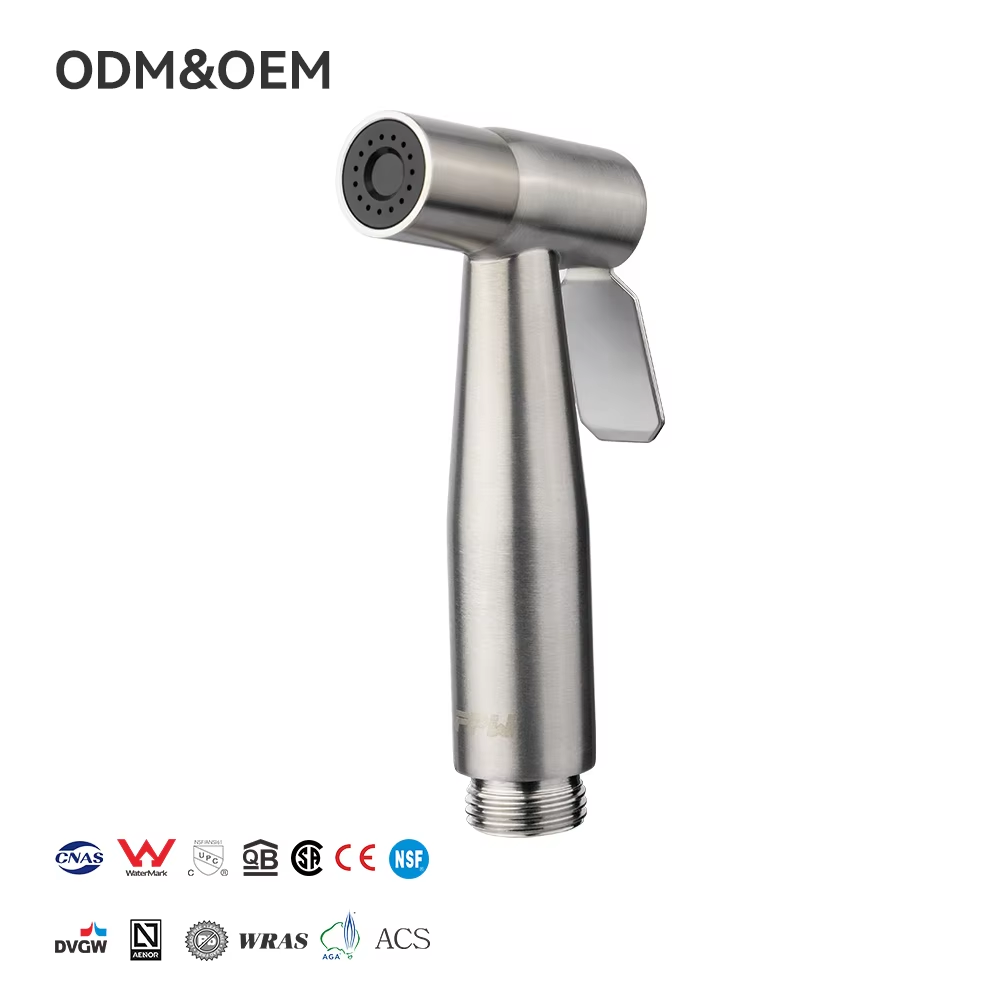
Material Engineering and Durability Considerations
Advanced Material Selection
The material engineering in slim bidet attachments contributes significantly to their superior compatibility through the use of high-strength, lightweight materials that maintain structural integrity while minimizing bulk. Traditional bidet systems often rely on heavy materials that stress toilet mounting points and create compatibility issues.
Modern slim bidet construction utilizes aerospace-grade plastics, reinforced polymers, and precision-machined components that deliver exceptional strength-to-weight ratios. These material selections enable thin-wall construction without sacrificing durability or performance, resulting in bidet attachments that fit more toilets without compromising longevity.
The corrosion resistance and dimensional stability of advanced bidet materials ensure long-term compatibility with toilet mounting systems. Unlike metal-heavy traditional designs that may cause galvanic corrosion or thermal expansion issues, slim bidet attachments maintain consistent fit and function across varying environmental conditions.
Quality Control and Manufacturing Precision
Manufacturing precision plays a crucial role in achieving the tight dimensional tolerances required for universal toilet compatibility. Slim bidet production utilizes advanced molding techniques, computer-controlled machining, and rigorous quality control processes to ensure consistent fitment across production runs.
The precision manufacturing approach in slim bidet production eliminates the dimensional variations that can prevent successful installation on specific toilet models. Quality control standards typically maintain tolerances within ±0.5mm for critical mounting dimensions, ensuring reliable compatibility across the full range of toilet configurations.
Standardized testing protocols for slim bidet attachments verify compatibility with representative toilet samples from major manufacturers. This systematic approach to compatibility validation ensures that bidet products can reliably fit the majority of toilets encountered in real-world installation scenarios.
Installation Flexibility and User Considerations
Tool-Free Installation Processes
The installation simplicity of slim bidet attachments directly contributes to their broader toilet compatibility by eliminating the need for specialized tools, permanent modifications, or professional installation services. This accessibility factor expands the range of toilet configurations that can successfully accommodate bidet upgrades.
Slim bidet installation typically requires only basic hand tools and follows standardized procedures that work across diverse toilet designs. The elimination of drilling, cutting, or permanent modification requirements means that bidet compatibility extends to toilets where permanent alterations would be impractical or prohibited.
Quick-connect water supply systems in slim bidet designs accommodate the various water line configurations found in different toilet installations. This flexibility eliminates plumbing compatibility barriers that often limit bidet installation to specific toilet and plumbing combinations.
Maintenance and Serviceability
The maintenance requirements and serviceability characteristics of slim bidet attachments support long-term compatibility with toilet systems through designs that minimize wear on toilet components and mounting hardware. Traditional bidet systems may create stress patterns or maintenance challenges that compromise toilet compatibility over time.
Access for cleaning and maintenance in slim bidet installations remains unobstructed due to the minimal spatial footprint of these attachments. This maintenance accessibility ensures that both bidet and toilet components can receive proper care without interference, supporting long-term compatibility and performance.
The modular design approach in many slim bidet systems allows for component replacement or upgrade without affecting toilet compatibility. This serviceability factor ensures that bidet functionality can be maintained or enhanced without compromising the universal fit characteristics that make these attachments suitable for diverse toilet configurations.
FAQ
What makes slim bidet attachments more compatible than traditional bidet systems?
Slim bidet attachments achieve superior compatibility through their reduced dimensional profile, typically 15-25mm thick compared to 40-50mm for traditional systems. This streamlined design eliminates clearance issues with toilet seats, tank components, and mounting hardware while incorporating universal mounting systems that adapt to various toilet bolt patterns and configurations.
Can slim bidet attachments fit toilets from different manufacturers?
Yes, slim bidet attachments are designed with adjustable mounting brackets that accommodate bolt spacing variations from 140mm to 200mm centers, covering major toilet brands including American Standard, Kohler, and TOTO. The universal compatibility features and flexible positioning systems ensure successful installation across diverse toilet designs without requiring modifications to existing hardware.
Do slim bidet attachments affect toilet seat stability or comfort?
Properly designed slim bidet attachments maintain toilet seat stability through contoured profiles that create smooth transitions between the toilet rim and seat mounting points. The minimal thickness prevents rocking or shifting issues while maintaining compatibility with various seat styles including standard plastic, cushioned, slow-close, and quick-release mechanisms.
What installation requirements do slim bidet attachments have for toilet compatibility?
Slim bidet attachments typically require no permanent modifications to toilet structure, using tool-free or basic tool installation processes that preserve toilet warranties. The non-invasive mounting approach, combined with quick-connect water supply systems, enables installation on toilets where permanent alterations would be impractical or prohibited, significantly expanding compatibility options.
Table of Contents
- Engineering Advantages of Slim Bidet Design
- Spatial Optimization and Clearance Management
- Material Engineering and Durability Considerations
- Installation Flexibility and User Considerations
-
FAQ
- What makes slim bidet attachments more compatible than traditional bidet systems?
- Can slim bidet attachments fit toilets from different manufacturers?
- Do slim bidet attachments affect toilet seat stability or comfort?
- What installation requirements do slim bidet attachments have for toilet compatibility?