
 EN
EN
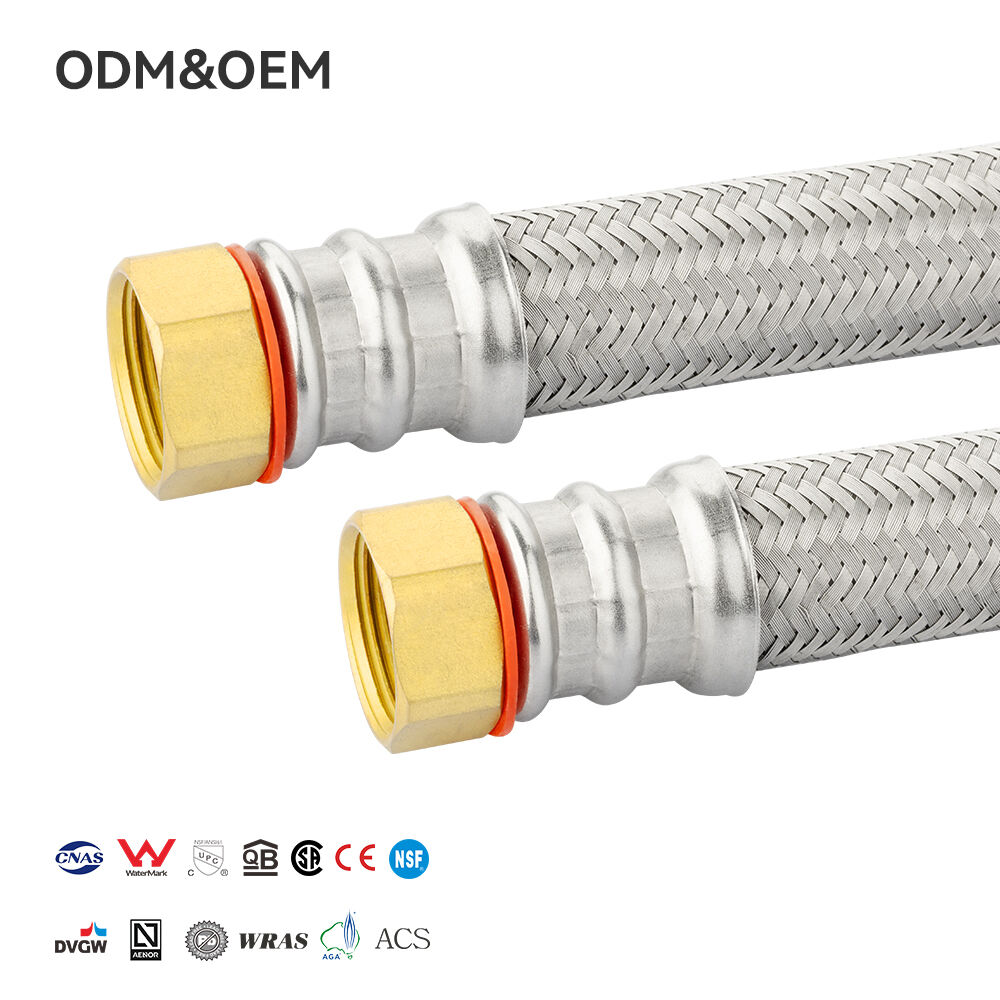
Industrial professionals increasingly face critical decisions when selecting hoses for demanding applications where reliability, durability, and performance cannot be compromised. The choice between SS corrugated hose and traditional rubber alternatives has become a pivotal consideration that directly impacts operational efficiency, maintenance costs, and long-term system integrity across numerous industries including chemical processing, pharmaceutical manufacturing, food production, and high-temperature applications.
The fundamental reasons driving this professional preference stem from the inherent limitations of rubber hoses when exposed to extreme conditions, aggressive chemicals, and high-pressure environments. While rubber hoses may offer initial cost advantages, the SS corrugated hose delivers superior performance characteristics that translate into measurable business benefits, reduced downtime, and enhanced safety protocols that justify the investment decision for discerning professionals.
Superior Temperature Performance and Thermal Stability
Extreme High-Temperature Resistance
The most compelling advantage of SS corrugated hose lies in its exceptional temperature tolerance, capable of withstanding continuous operating temperatures up to 800°C depending on the stainless steel grade, while rubber hoses typically fail beyond 150°C. This dramatic temperature differential makes stainless steel the only viable option for steam applications, thermal processing systems, and industrial heating circuits where rubber would degrade rapidly.
Professional engineers recognize that temperature-induced rubber deterioration leads to catastrophic failures, including cracking, hardening, and complete structural breakdown. In contrast, the SS corrugated hose maintains its mechanical properties and flexibility even under thermal cycling conditions, ensuring consistent performance throughout extended service life without the brittleness that plagues aged rubber components.
The corrugated design of stainless steel hoses provides additional thermal advantages by accommodating thermal expansion and contraction without stress concentration points that commonly cause rubber hose failures. This thermal flexibility prevents system damage and eliminates the need for complex expansion joints that rubber installations often require.
Cryogenic and Low-Temperature Applications
At the opposite temperature extreme, SS corrugated hose excels in cryogenic applications where temperatures drop below -200°C, maintaining flexibility and structural integrity while rubber becomes brittle and prone to catastrophic failure. Industries handling liquefied gases, aerospace applications, and scientific research facilities rely on this low-temperature performance for critical operations.
The austenitic stainless steel construction retains ductility at cryogenic temperatures, preventing the embrittlement that renders rubber hoses completely unsuitable for these specialized applications. This capability opens operational possibilities that rubber simply cannot address, making the SS Corrugated Hose the exclusive choice for extreme temperature environments.
Chemical Compatibility and Corrosion Resistance
Broad Chemical Resistance Spectrum
Professionals choose SS corrugated hose for its remarkable chemical inertness, particularly when handling aggressive acids, bases, solvents, and corrosive media that would rapidly degrade rubber components. The stainless steel construction provides compatibility with virtually all industrial chemicals, eliminating the guesswork and compatibility testing required with rubber alternatives.
Unlike rubber hoses that swell, soften, or dissolve when exposed to petroleum products, aromatic hydrocarbons, or chlorinated solvents, stainless steel maintains dimensional stability and surface integrity. This chemical resistance eliminates contamination risks, product quality issues, and the frequent replacement cycles that burden rubber-based systems with ongoing maintenance costs.
The non-porous surface of SS corrugated hose prevents chemical absorption and permeation, ensuring that aggressive media cannot penetrate the hose wall and cause delayed failures. This impermeability protects both the conveyed product and the surrounding environment from cross-contamination that commonly occurs with permeable rubber materials.
Oxidation and Environmental Resistance
Environmental factors such as ozone, ultraviolet radiation, and atmospheric oxidation cause gradual rubber degradation that eventually leads to cracking, discoloration, and loss of flexibility. The SS corrugated hose remains unaffected by these environmental stressors, maintaining appearance and performance throughout decades of outdoor exposure without protective covers or treatments.
This environmental stability proves particularly valuable in applications where hoses experience varying weather conditions, temperature fluctuations, and exposure to industrial atmospheres containing oxidizing compounds. While rubber requires regular inspection and replacement due to environmental aging, stainless steel hoses provide consistent service without degradation concerns.
Pressure Capabilities and Structural Integrity
High-Pressure Performance Advantages
The inherent strength of stainless steel enables SS corrugated hose to handle significantly higher operating pressures than rubber alternatives, often exceeding 1000 psi working pressure depending on construction details. This pressure capability eliminates the need for pressure reduction stations, multiple hose runs, or oversized rubber hoses that compromise system efficiency.
Professional system designers appreciate that high-pressure rubber hoses require thick walls and external reinforcement that reduce flexibility and increase installation complexity. The corrugated design of stainless steel hoses achieves high pressure ratings while maintaining superior flexibility, simplifying installation and reducing space requirements in compact industrial environments.
Pressure surge resistance represents another critical advantage, as SS corrugated hose withstands sudden pressure spikes that can cause rubber hose blowouts. This surge tolerance prevents catastrophic failures, protects downstream equipment, and maintains system integrity during upset conditions that commonly occur in industrial processes.
Fatigue Resistance and Cyclic Loading
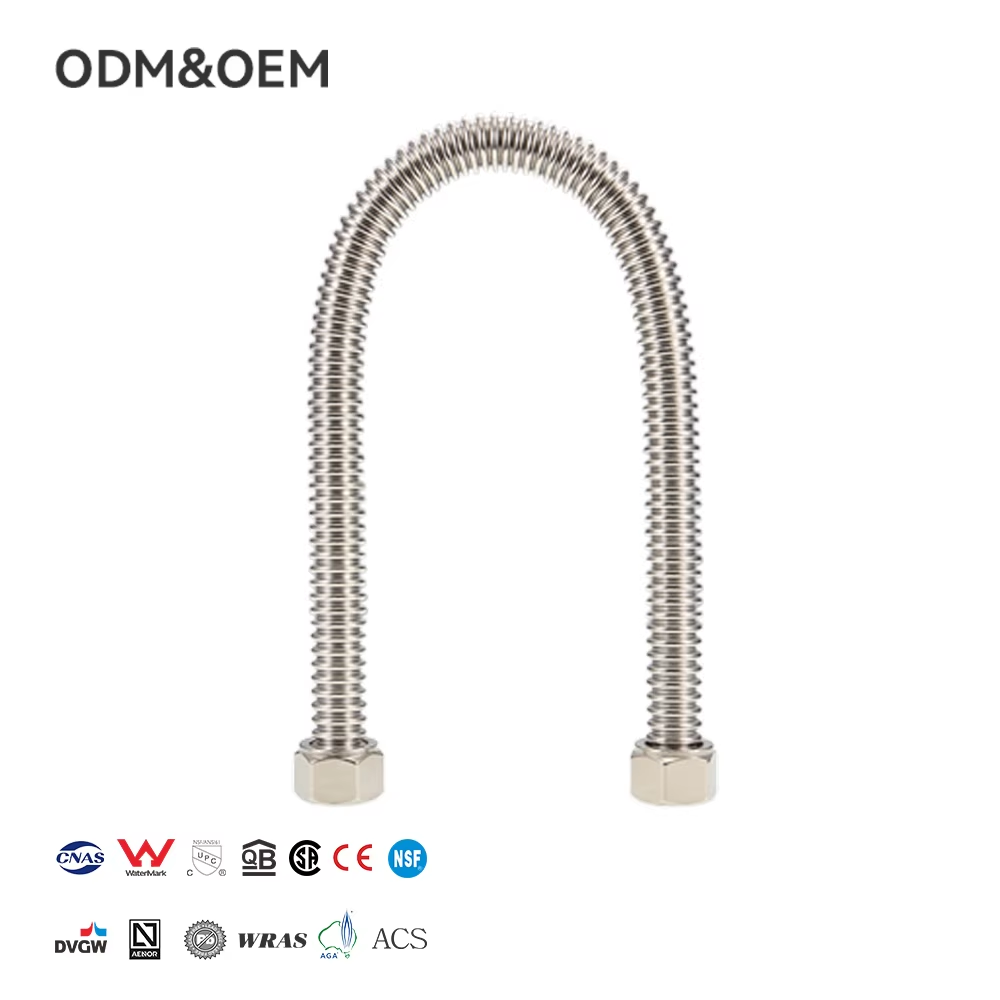
Applications involving repeated pressure cycling, vibration, or flexing movements quickly fatigue rubber hoses, leading to premature cracking and failure at stress concentration points. The SS corrugated hose design distributes stress evenly across the corrugated profile, preventing fatigue crack initiation and propagation that plague rubber components under cyclic loading.
This fatigue resistance proves essential in applications such as pump connections, reciprocating compressor lines, and vibrating equipment where rubber hoses require frequent replacement due to flex fatigue. The superior fatigue life of stainless steel translates directly into reduced maintenance costs and improved system reliability for critical industrial processes.
Maintenance Requirements and Total Cost of Ownership
Extended Service Life Economics
While SS corrugated hose requires higher initial investment compared to rubber alternatives, the dramatically extended service life often spanning decades versus years creates compelling total cost of ownership advantages. Professional procurement teams recognize that the frequency of rubber hose replacement, including labor costs, system downtime, and disposal expenses, typically exceeds the initial cost differential within the first few years.
The predictable service life of SS corrugated hose enables accurate maintenance planning and budget forecasting, unlike rubber hoses that may fail unpredictably due to environmental factors, chemical exposure, or thermal cycling. This reliability allows professionals to schedule maintenance during planned outages rather than responding to emergency failures that disrupt production schedules.
Inventory management becomes significantly simplified when using stainless steel hoses, as the consistent performance eliminates the need to stock multiple rubber compound variations for different chemical compatibilities. A single SS corrugated hose specification often replaces several rubber hose variants, reducing inventory complexity and procurement costs.
Cleaning and Sanitation Advantages
Industries requiring strict hygiene standards, including food processing, pharmaceutical production, and biotechnology applications, benefit from the smooth, non-porous surface of SS corrugated hose that enables thorough cleaning and sterilization. Rubber surfaces tend to harbor bacteria and residues that resist standard cleaning procedures, creating contamination risks and regulatory compliance challenges.
The ability to steam sterilize, chemically sanitize, and clean-in-place (CIP) stainless steel hoses without degradation ensures compliance with FDA, USDA, and other regulatory requirements. This cleaning capability eliminates the frequent replacement of rubber hoses that become contaminated or degraded by aggressive sanitizing agents, reducing both direct costs and regulatory compliance risks.
Performance in Specialized Industrial Applications
Vacuum Service and Gas Applications
Vacuum applications expose fundamental weaknesses in rubber hoses, which tend to collapse under negative pressure and exhibit significant gas permeability that compromises system performance. The SS corrugated hose maintains its cross-sectional area under full vacuum conditions while providing virtually zero gas permeability, essential for analytical instruments, vacuum distillation, and gas chromatography systems.
Gas handling applications benefit from the zero permeability characteristics of stainless steel, preventing product loss and contamination that occurs through rubber hose walls. This impermeability proves critical when handling expensive gases, hazardous materials, or ultra-pure media where even trace contamination cannot be tolerated.
The corrugated construction provides exceptional flexibility for gas line installations while eliminating the expansion and contraction issues that cause rubber hose connections to loosen over time. This dimensional stability maintains leak-tight connections throughout the service life, reducing maintenance requirements and improving safety in gas handling systems.
Food Grade and Pharmaceutical Requirements
Regulatory compliance in food and pharmaceutical industries demands materials that meet stringent purity standards and resist bacterial growth. The SS corrugated hose constructed from 316L stainless steel provides FDA compliance, USP Class VI certification, and 3-A sanitary standards approval that rubber alternatives cannot consistently achieve across all applications.
The non-reactive surface prevents flavor transfer, odor absorption, and chemical leaching that commonly affect rubber hoses in contact with food products or pharmaceutical compounds. This product integrity protection maintains quality standards while eliminating the batch contamination risks associated with degraded rubber components.
Validation and documentation requirements in regulated industries favor stainless steel components with predictable, well-documented performance characteristics over rubber materials that may vary between batches or degrade unpredictably under service conditions. The consistent properties of SS corrugated hose simplify validation protocols and regulatory submissions.
FAQ
How much longer does an SS corrugated hose last compared to rubber hoses?
SS corrugated hoses typically provide 15-25 years of service life in standard industrial applications, compared to 2-5 years for rubber hoses depending on environmental conditions. In aggressive chemical or high-temperature environments, stainless steel may last decades while rubber requires replacement within months, making the total cost of ownership significantly favorable for stainless steel despite higher initial costs.
Can SS corrugated hoses handle the same flexibility requirements as rubber hoses?
Modern SS corrugated hoses provide excellent flexibility through their corrugated design, often matching or exceeding the bend radius capabilities of rubber hoses while maintaining superior pressure ratings. The corrugated profile allows tight installations around equipment and through confined spaces, though the flexibility characteristics differ from rubber in that stainless steel maintains consistent performance throughout its service life without degradation.
Are there any applications where rubber hoses might still be preferred over SS corrugated hoses?
Rubber hoses may be preferred in applications requiring extreme flexibility with frequent movement, very low-pressure systems where cost is the primary concern, or applications involving abrasive slurries where the rubber's impact absorption characteristics provide advantages. However, these applications represent a small percentage of industrial uses, and many can be addressed with specialized stainless steel hose constructions designed for dynamic movement.
How do installation costs compare between SS corrugated hoses and rubber alternatives?
Installation costs for SS corrugated hoses are generally comparable to rubber hoses, as both require similar fittings and connection methods. The primary cost difference lies in the initial material cost, but the extended service life, reduced maintenance requirements, and elimination of emergency replacement labor often result in lower total installation and ownership costs over the system lifetime, particularly in critical applications where downtime costs are significant.
Table of Contents
- Superior Temperature Performance and Thermal Stability
- Chemical Compatibility and Corrosion Resistance
- Pressure Capabilities and Structural Integrity
- Maintenance Requirements and Total Cost of Ownership
- Performance in Specialized Industrial Applications
-
FAQ
- How much longer does an SS corrugated hose last compared to rubber hoses?
- Can SS corrugated hoses handle the same flexibility requirements as rubber hoses?
- Are there any applications where rubber hoses might still be preferred over SS corrugated hoses?
- How do installation costs compare between SS corrugated hoses and rubber alternatives?