
 EN
EN
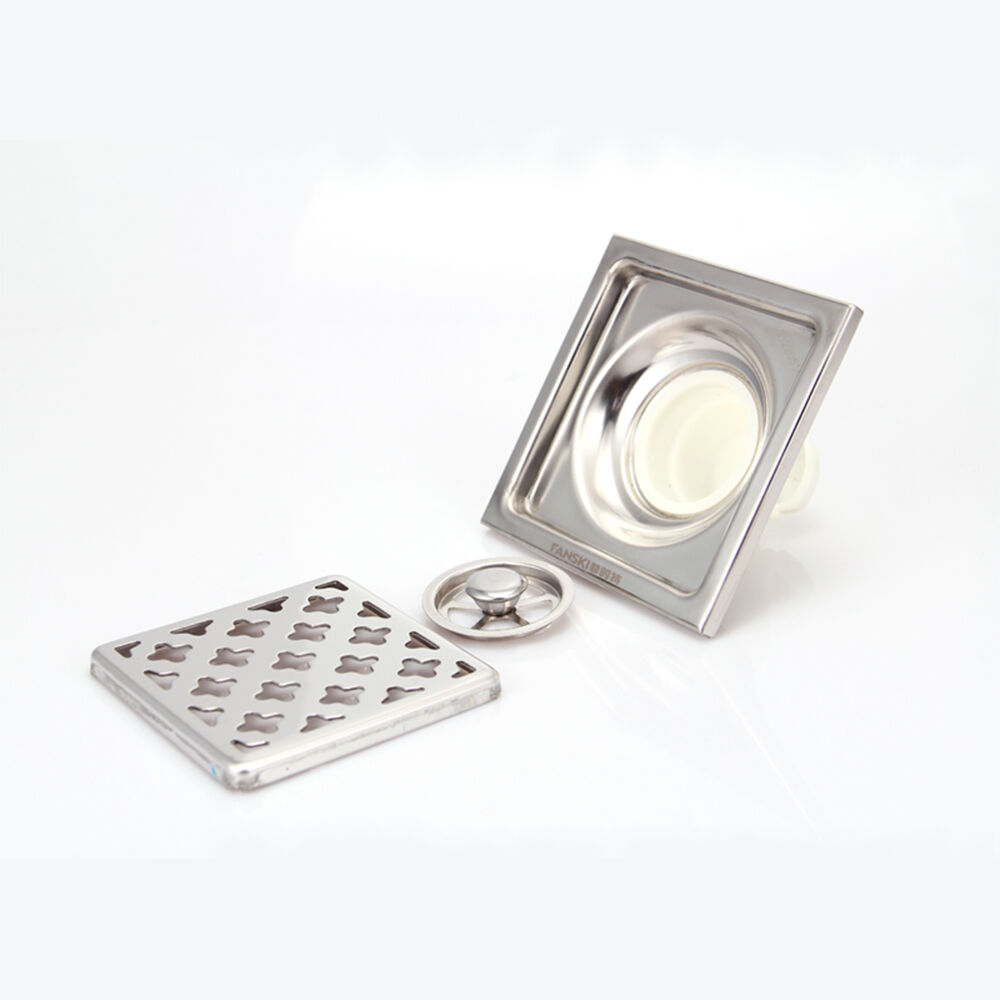
ห้องน้ำที่มีกลิ่นสดชื่นและสะอาดไม่ใช่เพียงเรื่องของความสวยงามเท่านั้น — แต่ยังสะท้อนคุณภาพของอุปกรณ์และระบบระบายน้ำที่ติดตั้งอยู่ใต้พื้นผิว ท่อระบายน้ำบนพื้น ที่ระบายน้ำบนพื้นห้องน้ำแบบกันกลิ่น ท่อระบายน้ำบนพื้น ที่ระบายน้ำบนพื้นห้องน้ำแบบกันกลิ่นคุณภาพสูงไม่เพียงทำหน้าที่นำน้ำออกไปเท่านั้น แต่ยังทำหน้าที่เป็นแนวป้องกันขั้นแรกต่อก๊าซจากท่อระบายน้ำ แบคทีเรีย และกลิ่นไม่พึงประสงค์ ซึ่งอาจแทรกซึมเข้ามาในสภาพแวดล้อมห้องน้ำของคุณโดยไม่รู้ตัว จนเปลี่ยนพื้นที่ที่สะอาดให้กลายเป็นสถานที่ที่น่ารำคาญ
การเข้าใจหลักการทำงานของที่ระบายน้ำบนพื้นห้องน้ำแบบกันกลิ่น — และเหตุผลที่มันสร้างความแตกต่างอย่างชัดเจน — จึงเป็นสิ่งจำเป็นสำหรับผู้ที่ออกแบบ ปรับปรุง หรือบริหารจัดการพื้นที่ห้องน้ำ ไม่ว่าจะเป็นในบ้านพักอาศัยส่วนตัวหรือสถานที่เชิงพาณิชย์ เช่น โรงแรม หรือศูนย์ฟิตเนส ที่เหมาะสม ท่อระบายน้ำบนพื้น ผสานเทคโนโลยีการปิดผนึก กลไกการจับน้ำอัจฉริยะ และวัสดุที่ทนทาน เพื่อสร้างระบบซึ่งสามารถกักกลิ่นไม่ให้รั่วไหลออกได้อย่างสม่ำเสมอ แม้ภายใต้การใช้งานหนักในแต่ละวัน บทความนี้จะสำรวจหลักการทำงาน คุณลักษณะการออกแบบ และประโยชน์เชิงปฏิบัติที่ทำให้ที่ระบายน้ำพื้นแบบกันกลิ่นเป็นทางเลือกอันชาญฉลาดสำหรับความหอมสดชื่นของห้องน้ำในระยะยาว
หลักวิทยาศาสตร์เบื้องหลังการรั่วไหลของกลิ่นเข้าสู่ท่อระบายน้ำในห้องน้ำ
แหล่งที่มาที่แท้จริงของกลิ่นในห้องน้ำ
คนส่วนใหญ่มักเข้าใจผิดว่ากลิ่นในห้องน้ำเกิดจากแหล่งที่อยู่บนพื้นผิว แต่ความจริงคือ กลิ่นไม่พึงประสงค์ที่ฝังลึกและคงอยู่นั้นส่วนใหญ่เกิดขึ้นโดยตรงจากระบบท่อระบายน้ำ แก๊สจากท่อน้ำเสีย — รวมถึงไฮโดรเจนซัลไฟด์ มีเทน และแอมโมเนีย — เกิดขึ้นตามธรรมชาติภายในท่อระบายน้ำเสีย หากระบบไม่ทำงานอย่างเหมาะสม ท่อระบายน้ำบนพื้น แก๊สเหล่านี้จะเคลื่อนตัวขึ้นผ่านเครือข่ายท่อและรั่วไหลเข้าสู่ห้องน้ำผ่านช่องระบายน้ำ
สิ่งนี้พบได้บ่อยโดยเฉพาะในห้องน้ำที่ไม่ค่อยมีผู้ใช้งาน ซึ่งน้ำในที่กักน้ำ (trap) ของท่อน้ำทิ้งจะระเหยไปตามเวลา ส่งผลให้ฉนวนกั้นแบบของเหลวที่ปกติจะปิดกั้นการผ่านของก๊าซหายไป ท่อระบายน้ำบนพื้นแบบมาตรฐานที่ไม่มีคุณสมบัติต้านกลิ่นจะให้ความต้านทานน้อยมากเมื่อฉนวนกั้นน้ำนั้นหมดไป ผลที่ตามมาคือห้องน้ำมีกลิ่นไม่พึงประสงค์แม้จะทำความสะอาดอย่างสม่ำเสมอ เนื่องจากแหล่งที่มาของกลิ่นไม่ได้อยู่บนพื้นผิว แต่ลอยขึ้นมาจากด้านล่าง
ในสถานที่เชิงพาณิชย์ เช่น โรงแรม โรงยิม และห้องน้ำสาธารณะ ปัญหานี้รุนแรงยิ่งขึ้นเนื่องจากมีผู้ใช้งานจำนวนมากขึ้น มีการสัมผัสกับน้ำบ่อยขึ้น และจำเป็นต้องรักษามาตรฐานด้านสุขอนามัยอย่างสม่ำเสมอ ท่อระบายน้ำบนพื้นที่ไม่สามารถป้องกันกลิ่นได้อย่างเชื่อถือได้จึงกลายเป็นภาระในสถานการณ์เหล่านี้ โดยส่งผลกระทบต่อประสบการณ์ของผู้เข้าพักและชื่อเสียงของสถานที่
หลักการทำงานของที่กักน้ำ (Water Traps) และกลไกการปิดผนึก
วิธีการแบบดั้งเดิมในการป้องกันกลิ่นรั่วซึมเข้ามาคือการใช้ที่กักน้ำ (water trap) — ซึ่งเป็นส่วนของท่อที่โค้งงอและเก็บน้ำไว้เล็กน้อยหลังการใช้งานแต่ละครั้ง เพื่อสร้างชั้นผนึกของเหลวระหว่างห้องน้ำกับระบบระบายน้ำทิ้ง หลักการนี้ถูกนำมาใช้ในงานประปาเป็นเวลากว่าหนึ่งศตวรรษ และยังคงมีประสิทธิภาพตราบใดที่ที่กักน้ำยังคงเต็มไปด้วยน้ำ อย่างไรก็ตาม ในห้องน้ำที่มีการใช้งานน้อยหรือในพื้นที่ที่มีอากาศแห้ง การระเหยของน้ำในที่กักน้ำเป็นปัญหาที่เกิดขึ้นจริงและเกิดซ้ำๆ
ที่ระบายน้ำบนพื้นแบบทันสมัยที่ป้องกันกลิ่นได้ ได้แก้ไขข้อจำกัดนี้โดยการรวมองค์ประกอบการปิดผนึกเชิงกลเข้าไว้ด้วยกัน ไม่ว่าจะเพิ่มเติมหรือแทนที่การพึ่งพาการกักเก็บน้ำเพียงอย่างเดียว ซึ่งอาจประกอบด้วยวาล์วแบบแผ่นยางซิลิโคน ฝาครอบที่ขับเคลื่อนด้วยสปริง หรือระบบปิดผนึกด้วยแม่เหล็ก ซึ่งทำหน้าที่ปิดผนึกทางออกของที่ระบายน้ำอย่างแน่นหนาเมื่อไม่มีน้ำไหลผ่าน สิ่งนี้หมายความว่า ท่อระบายน้ำบนพื้น ยังคงรักษาความสามารถในการป้องกันกลิ่นได้แม้เมื่อที่กักน้ำแห้งสนิท จึงให้เกราะป้องกันที่น่าเชื่อถือและสม่ำเสมอมากยิ่งขึ้น
การรวมกันของที่จับน้ำ (water trap) กับซีลแบบกลไกสร้างระบบป้องกันแบบสองชั้น น้ำที่ไหลผ่านท่อระบายน้ำจะดันซีลแบบกลไกให้เปิดออกชั่วคราว จากนั้นซีลจะปิดกลับเข้าสู่ตำแหน่งเดิมทันทีที่การไหลหยุดลง การออกแบบนี้ทำให้ท่อระบายน้ำบนพื้นสามารถทำหน้าที่ป้องกันกลิ่นได้อย่างต่อเนื่อง ไม่ว่าจะมีการใช้งานบ่อยเพียงใดหรืออยู่ภายใต้สภาวะแวดล้อมใด
คุณสมบัติการออกแบบหลักที่ทำให้ท่อระบายน้ำบนพื้นสามารถป้องกันกลิ่นได้
การเลือกวัสดุและบทบาทของวัสดุในการป้องกันกลิ่น
วัสดุของหน้ากากปิดตา ท่อระบายน้ำบนพื้น ส่งผลโดยตรงต่อความสามารถของวัสดุในการต้านทานการสะสมของสิ่งสกปรกที่ก่อให้เกิดกลิ่น โลหะสแตนเลสได้รับการยอมรับอย่างกว้างขวางว่าเป็นตัวเลือกที่เหนือกว่าสำหรับท่อระบายน้ำบนพื้นในห้องน้ำ เนื่องจากพื้นผิวที่ไม่มีรูพรุน ทนต่อการกัดกร่อน และทำความสะอาดได้ง่าย เมื่อเปรียบเทียบกับทางเลือกอื่นเช่น พลาสติก หรือโลหะเกรดต่ำ โลหะสแตนเลสไม่ดูดซับสารอินทรีย์ และไม่เกิดความขรุขระเล็กๆ บนพื้นผิวซึ่งเป็นบริเวณที่แบคทีเรียและไบโอฟิล์มมักสะสม
ไบโอฟิล์ม — ชั้นบางๆ ของแบคทีเรียและสิ่งสกปรกอินทรีย์ที่เกาะตัวบนพื้นผิวของท่อระบายน้ำ — เป็นหนึ่งในสาเหตุหลักที่ทำให้เกิดกลิ่นไม่พึงประสงค์จากท่อระบายน้ำอย่างต่อเนื่อง ท่อระบายน้ำแบบพื้นสแตนเลสสามารถต้านทานการก่อตัวของไบโอฟิล์มได้มีประสิทธิภาพมากกว่าวัสดุชนิดอื่น หมายความว่าการล้างทำความสะอาดตามปกติก็เพียงพอที่จะรักษาความสะอาดของท่อระบายน้ำไว้ได้ ซึ่งมีความสำคัญเป็นพิเศษในสภาพแวดล้อมที่เปียกชื้น ที่ซึ่งท่อระบายน้ำต้องสัมผัสกับคราบสบู่ เส้นผม และเซลล์ผิวหนังทุกวัน
นอกจากตัวโครงสร้างของท่อระบายน้ำแล้ว การออกแบบตะแกรงหรือแผ่นปิดก็มีความสำคัญเช่นกัน ตะแกรงที่ออกแบบมาอย่างดีจะสามารถดักสิ่งสกปรกก่อนที่จะเข้าสู่ท่อ จึงลดปริมาณสิ่งสกปรกอินทรีย์ที่อาจย่อยสลายและก่อให้เกิดกลิ่นไม่พึงประสงค์ภายในตัวท่อระบายน้ำได้ ท่อระบายน้ำแบบ ท่อระบายน้ำบนพื้น ที่มีตะแกรงแบบถอดออกได้และทำความสะอาดง่าย ทำให้การบำรุงรักษาง่ายขึ้น และช่วยป้องกันการสะสมของสิ่งสกปรกที่อาจนำไปสู่ปัญหากลิ่นไม่พึงประสงค์ในระยะยาว
แผ่นฝังกระเบื้องและแบบติดตั้งเรียบกับพื้นสำหรับการติดตั้งที่มีคุณสมบัติด้านสุขอนามัย
หนึ่งในนวัตกรรมที่โดดเด่นที่สุดในการออกแบบที่ระบายน้ำบนพื้นในยุคปัจจุบัน คือ รูปแบบที่ใช้แผ่นกระเบื้องฝังเข้าไปในที่ระบายน้ำ (tile insert format) ซึ่งฝาครอบที่ระบายน้ำถูกออกแบบมาเพื่อรองรับชิ้นกระเบื้องที่ตัดให้พอดี ซึ่งมีลักษณะและสีสันตรงกับพื้นรอบข้างอย่างกลมกลืน ทำให้ที่ระบายน้ำเกือบมองไม่เห็น และผสานเข้ากับพื้นห้องน้ำได้อย่างไร้รอยต่อ จึงช่วยขจัดการรบกวนเชิงสายตาที่เกิดจากตะแกรงโลหะแบบดั้งเดิม นอกจากนี้ รูปแบบนี้ยังมีข้อดีด้านสุขอนามัยที่เป็นรูปธรรมอีกด้วย
ที่ระบายน้ำแบบฝังกระเบื้องช่วยกำจัดขอบโลหะที่เปิดเผยและร่องตะแกรงที่เว้าลึกลงไป ซึ่งมักเป็นจุดสะสมของสิ่งสกปรก คราบสบู่ และความชื้นในฝาครอบที่ระบายน้ำแบบดั้งเดิม ด้วยพื้นผิวเรียบเสมอกับระดับกระเบื้อง จึงมีซอกหลืบให้วัสดุอินทรีย์สะสมน้อยลงโดยตรง ส่งผลให้ลดเงื่อนไขที่เอื้อต่อการเกิดกลิ่นไม่พึงประสงค์ ผลลัพธ์ที่ได้คือ ที่ระบายน้ำที่ทั้งสวยงามอย่างประณีตและทำความสะอาดได้ง่ายกว่า
สำหรับห้องน้ำโรงแรมและโครงการที่อยู่อาศัยระดับพรีเมียม ที่ระบายน้ำแบบฝังในกระเบื้องถือเป็นแนวทางปฏิบัติที่ดีที่สุด ซึ่งผสานความสมบูรณ์ของงานออกแบบเข้ากับสุขอนามัยเชิงหน้าที่อย่างลงตัว ตัวระบายน้ำยังคงทำงานได้อย่างเต็มประสิทธิภาพภายใต้พื้นผิวกระเบื้อง โดยกลไกปิดผนึกเพื่อป้องกันกลิ่นจะทำงานอย่างอิสระจากดีไซน์ของฝาครอบ หมายความว่า ประสิทธิภาพในการกันกลิ่นจะไม่ลดลงไม่ว่าจะเลือกฝาครอบรูปลักษณ์ใด
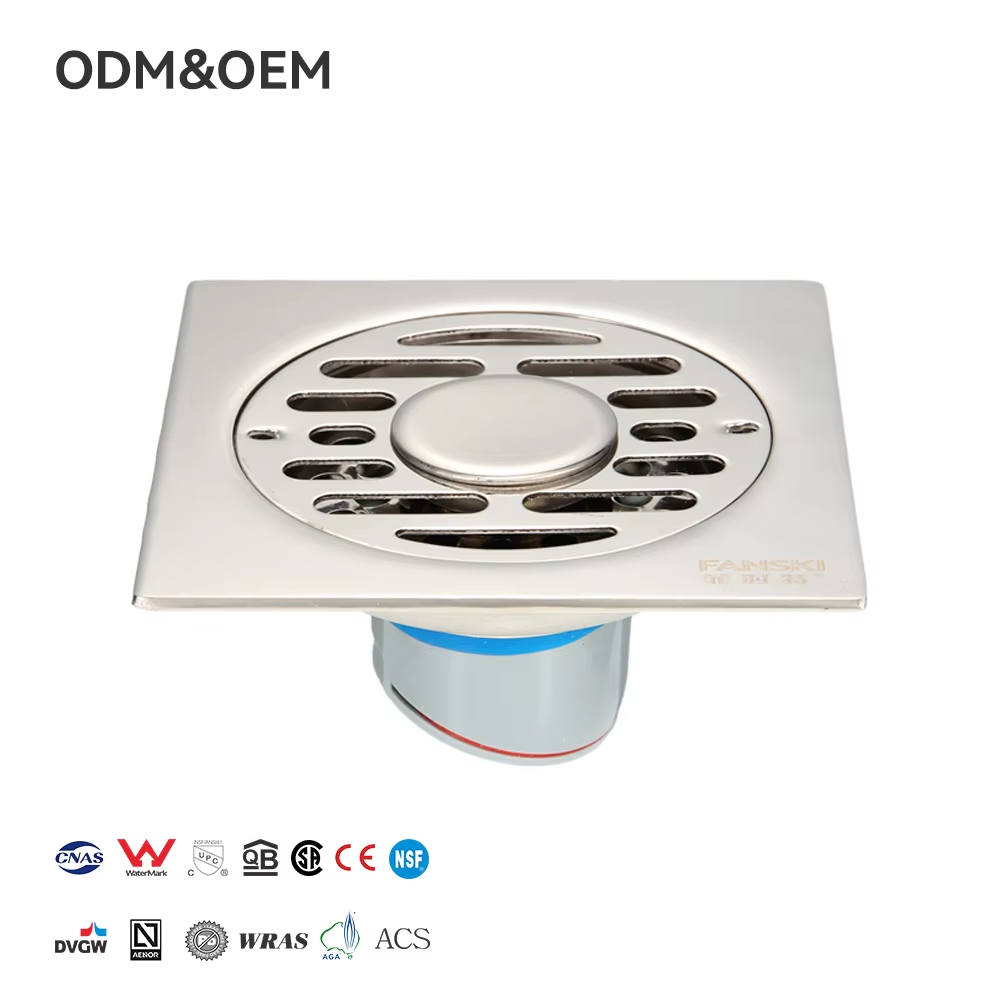
ระบบระบายน้ำพื้นที่กันกลิ่นรักษาความสดชื่นได้อย่างต่อเนื่องตลอดระยะเวลาการใช้งาน
ประสิทธิภาพที่สม่ำเสมอไม่ว่ารูปแบบการใช้งานจะเป็นอย่างไร
หนึ่งในคุณลักษณะที่สำคัญที่สุดของระบบระบายน้ำพื้นที่กันกลิ่นอย่างมีประสิทธิภาพ คือ ความสามารถในการรักษาประสิทธิภาพการทำงานอย่างสม่ำเสมอ ไม่ว่าห้องน้ำนั้นจะถูกใช้งานบ่อยเพียงใด ในห้องน้ำแขกที่อาจไม่มีการใช้งานเป็นเวลาหลายวันหรือหลายสัปดาห์ ระบายน้ำพื้นแบบมาตรฐานจะสูญเสียการปิดผนึกของหลุมน้ำ (water trap seal) ไปเนื่องจากการระเหยของน้ำ ทำให้พื้นที่นั้นเสี่ยงต่อการรั่วไหลของก๊าซจากท่อน้ำทิ้ง ขณะที่ระบายน้ำพื้นที่กันกลิ่นซึ่งมีระบบปิดผนึกแบบกลไกจะยังคงรักษาฟังก์ชันการกันกลิ่นไว้ได้แม้ในช่วงเวลาที่ไม่มีการใช้งานเป็นเวลานาน
ความน่าเชื่อถือนี้มีคุณค่าเป็นพิเศษในสถานที่ให้บริการด้านการต้อนรับ เช่น โรงแรม ซึ่งห้องพักอาจว่างอยู่ระหว่างการเข้าพักของแขกแต่ละราย ผู้ประกอบการโรงแรมที่ลงทุนติดตั้งท่อระบายน้ำบนพื้นที่มีคุณภาพสูงพร้อมเทคโนโลยีป้องกันกลิ่นในตัว จะช่วยลดความเสี่ยงที่แขกจะได้รับรู้กลิ่นไม่พึงประสงค์เมื่อเดินทางมาถึง — ซึ่งเป็นรายละเอียดเล็กๆ ที่ส่งผลโดยตรงต่อความพึงพอใจของแขกและคะแนนรีวิว ท่อระบายน้ำบนพื้นจึงกลายเป็นองค์ประกอบที่ทำงานเงียบๆ แต่มีส่วนสำคัญต่อคุณภาพโดยรวมของประสบการณ์การเข้าพักของแขก
ในสภาพแวดล้อมที่ใช้งานหนัก เช่น ห้องอาบน้ำในโรงยิมหรือห้องน้ำสาธารณะ ความท้าทายอาจต่างออกไป แต่ก็มีความสำคัญไม่แพ้กัน ที่นี่ ท่อระบายน้ำบนพื้นต้องสามารถรองรับปริมาณน้ำและสิ่งสกปรกจำนวนมาก ขณะเดียวกันก็ยังคงรักษาประสิทธิภาพของการปิดผนึกไว้ได้อย่างสมบูรณ์ ท่อระบายน้ำบนพื้นที่ออกแบบมาอย่างดีสำหรับการใช้งานหนักจะยังคงรักษาประสิทธิภาพในการป้องกันกลิ่นไว้ได้แม้ภายใต้สภาวะที่ท้าทายเช่นนี้ ก็ต่อเมื่อมีการล้างและบำรุงรักษาตามกำหนดเวลาอย่างสม่ำเสมอ
แนวทางปฏิบัติในการบำรุงรักษาที่สนับสนุนการควบคุมกลิ่นในระยะยาว
แม้แต่ที่ระบายน้ำบนพื้นที่สามารถป้องกันกลิ่นได้ดีที่สุดก็ยังต้องได้รับการบำรุงรักษาเป็นระยะเพื่อรักษาประสิทธิภาพในการใช้งาน งานบำรุงรักษาที่สำคัญที่สุดคือการรักษาให้ตะแกรงและตัวเรือนที่ระบายน้ำปราศจากสิ่งสกปรกสะสม ขน เศษสบู่ และคราบแร่ธาตุอาจสะสมขึ้นตามกาลเวลา ซึ่งจะทำให้อัตราการไหลของน้ำลดลง และสร้างสภาพแวดล้อมที่เชื้อแบคทีเรียเจริญเติบโตได้ การถอดและทำความสะอาดตะแกรงอย่างสม่ำเสมอจะช่วยป้องกันไม่ให้สิ่งสกปรกเหล่านี้สะสมจนกลายเป็นแหล่งกำเนิดกลิ่น
สำหรับห้องน้ำที่ใช้งานไม่บ่อย การเทน้ำจำนวนเล็กน้อยลงในที่ระบายน้ำบนพื้นเป็นระยะๆ จะช่วยเติมน้ำในส่วนที่ทำหน้าที่เป็นตัวกัก (water trap) และรับประกันว่าผนึกของเหลวจะยังคงสมบูรณ์อยู่ นิสัยง่ายๆ แบบนี้ใช้เวลาเพียงไม่กี่วินาที แต่สามารถสร้างความแตกต่างอย่างมากในการป้องกันไม่ให้ก๊าซจากท่อน้ำเสียเข้าสู่พื้นที่ภายในอาคาร ที่ระบายน้ำบนพื้นบางชนิดที่ออกแบบมาเพื่อป้องกันกลิ่นนั้นมีการพัฒนาให้อัตราการระเหยของน้ำในส่วนที่ทำหน้าที่เป็นตัวกักต่ำที่สุด เพื่อยืดระยะเวลาที่ต้องเติมน้ำในส่วนนี้ระหว่างการบำรุงรักษา
การตรวจสอบส่วนประกอบของระบบปิดผนึกเชิงกลของที่ระบายน้ำบนพื้นอย่างเป็นระยะก็เป็นสิ่งที่แนะนำเช่นกัน โดยเฉพาะในระบบที่ติดตั้งมานานแล้ว วาล์วแบบฟลาปซิลิโคนและกลไกสปริงอาจเสื่อมสภาพลงตามกาลเวลาเนื่องจากการสัมผัสกับสารเคมีสำหรับการทำความสะอาดและการเปลี่ยนแปลงอุณหภูมิ ที่ระบายน้ำบนพื้นที่ออกแบบให้สามารถเข้าถึงชิ้นส่วนภายในได้อย่างสะดวกจะทำให้กระบวนการตรวจสอบและเปลี่ยนชิ้นส่วนดังกล่าวดำเนินไปได้อย่างง่ายดาย จึงมั่นใจได้ว่าระบบป้องกันกลิ่นจะยังคงทำงานได้ตามวัตถุประสงค์
การเลือกที่ระบายน้ำบนพื้นที่ป้องกันกลิ่นได้อย่างเหมาะสมสำหรับห้องน้ำของคุณ
การจับคู่ข้อกำหนดของที่ระบายน้ำให้สอดคล้องกับความต้องการของห้องน้ำ
การเลือกที่ระบายน้ำบนพื้นที่เหมาะสมสำหรับห้องน้ำนั้นเกี่ยวข้องกับการประเมินปัจจัยเชิงปฏิบัติหลายประการ ซึ่งมากกว่าเพียงแค่คุณสมบัติป้องกันกลิ่นเท่านั้น ขนาดของที่ระบายน้ำ — โดยทั่วไปวัดจากเส้นผ่านศูนย์กลางของช่องปล่อยน้ำ — จะต้องสอดคล้องกับระบบท่อที่มีอยู่หรือที่วางแผนไว้ ที่ระบายน้ำบนพื้นขนาด 4 นิ้วเป็นมาตรฐานทั่วไปสำหรับการใช้งานในห้องน้ำและฝักบัว ซึ่งให้ความสามารถในการไหลของน้ำเพียงพอสำหรับการใช้งานทั่วไปในที่พักอาศัยและเชิงพาณิชย์ ขณะเดียวกันก็สามารถติดตั้งเข้ากับข้อต่อท่อมาตรฐานได้อย่างลงตัว
ความจุอัตราการไหลของที่ระบายน้ำยังควรพิจารณาด้วยโดยเปรียบเทียบกับปริมาณน้ำที่ไหลออกมาจากฝักบัวหรือห้องน้ำ ที่ระบายน้ำบนพื้นที่ไม่สามารถรองรับปริมาตรน้ำที่เกิดขึ้นในช่วงเวลาที่ใช้งานหนักที่สุดได้ จะทำให้น้ำขัง ซึ่งส่งผลให้เกิดสภาพแวดล้อมที่เอื้อต่อการเจริญเติบโตของแบคทีเรียและการเกิดกลิ่น การจับคู่ความสามารถทางไฮดรอลิกของที่ระบายน้ำให้สอดคล้องกับภาระน้ำจริงนั้นจะช่วยให้มั่นใจได้ทั้งในด้านประสิทธิภาพการระบายน้ำและการรักษาสุขอนามัย
ความลึกของการติดตั้งและประเภทของการก่อสร้างพื้นเป็นปัจจัยเพิ่มเติมที่ต้องพิจารณา ท่อระบายน้ำบนพื้นบางรุ่นออกแบบมาสำหรับการติดตั้งในพื้นที่ปูกระเบื้องบางเหนือคอนกรีต ในขณะที่รุ่นอื่นๆ สามารถรองรับการติดตั้งที่ลึกกว่าในระบบพื้นยก ดังนั้น การเลือกท่อระบายน้ำบนพื้นที่เข้ากันได้กับโครงสร้างพื้นเฉพาะจะช่วยหลีกเลี่ยงปัญหาในการติดตั้ง และรับประกันว่าท่อระบายน้ำจะอยู่ในระดับความสูงที่ถูกต้องเมื่อเทียบกับผิวพื้นสำเร็จรูป
การประเมินเทคโนโลยีป้องกันกลิ่นในผลิตภัณฑ์ท่อระบายน้ำบนพื้น
เมื่อประเมินท่อระบายน้ำบนพื้น ผลิตภัณฑ์ ในแง่ความสามารถในการป้องกันกลิ่น ควรพิจารณาอย่างใกล้ชิดถึงเทคโนโลยีการปิดผนึกเฉพาะที่ใช้งาน ผลิตภัณฑ์ที่อาศัยเพียงแค่ส่วนกักน้ำ (water trap) จะให้การป้องกันขั้นพื้นฐาน แต่มีความเสี่ยงต่อการระเหยของน้ำ ขณะที่ผลิตภัณฑ์ที่มีซีลเชิงกลแบบทุติยภูมิ — ไม่ว่าจะเป็นวาล์วซิลิโคน แผ่นปิดที่มีน้ำหนัก หรือระบบปิดผนึกด้วยแม่เหล็ก — จะให้เกราะป้องกันกลิ่นที่แข็งแรงและเชื่อถือได้มากยิ่งขึ้น
คุณภาพของวัสดุที่ใช้ในการปิดผนึกก็มีความสำคัญเช่นกัน ชิ้นส่วนซิลิโคนที่ใช้ในซีลของที่ระบายน้ำบนพื้นควรได้รับการรับรองให้สามารถสัมผัสกับน้ำ สารทำความสะอาด และการเปลี่ยนแปลงอุณหภูมิได้อย่างต่อเนื่อง ซีลคุณภาพต่ำอาจเสื่อมสภาพภายในไม่กี่เดือน ส่งผลให้สูญเสียประสิทธิภาพในการป้องกันกลิ่นและจำเป็นต้องเปลี่ยนใหม่ ที่ระบายน้ำบนพื้นที่มีชิ้นส่วนซีลที่ทนทานและต้านทานสารเคมีได้ดี จะรักษาประสิทธิภาพในการป้องกันกลิ่นได้นานขึ้นอย่างมาก
สำหรับการใช้งานเชิงพาณิชย์ ยังควรพิจารณาด้วยว่าการออกแบบที่ระบายน้ำบนพื้นนั้นสามารถถอดแยกชิ้นส่วนและทำความสะอาดได้อย่างง่ายดายโดยไม่ต้องใช้เครื่องมือพิเศษหรือไม่ ในสถานที่ให้บริการโรงแรมและธุรกิจบริการต่าง ๆ พนักงานฝ่ายบำรุงรักษาจำเป็นต้องสามารถดำเนินการซ่อมบำรุงที่ระบายน้ำได้อย่างรวดเร็วและมีประสิทธิภาพ ที่ระบายน้ำบนพื้นที่ออกแบบมาเพื่อรองรับการบำรุงรักษาที่สะดวกและใช้งานจริง จะช่วยสนับสนุนมาตรฐานด้านสุขอนามัยอย่างสม่ำเสมอ โดยไม่สร้างภาระหนักเกินไปต่อทีมบริหารจัดการสิ่งอำนวยความสะดวก
คำถามที่พบบ่อย
ที่ระบายน้ำบนพื้นแบบป้องกันกลิ่นแตกต่างจากที่ระบายน้ำบนพื้นแบบมาตรฐานอย่างไร
ที่ระบายน้ำบนพื้นแบบกันกลิ่นประกอบด้วยกลไกการปิดผนึกเพิ่มเติม เช่น วาล์วแบบแผ่นซิลิโคน ฝาครอบที่ขับเคลื่อนด้วยสปริง หรือระบบปิดผนึกด้วยแม่เหล็ก ซึ่งทำหน้าที่กีดขวางก๊าซจากท่อน้ำเสียไม่ให้ผ่านเข้ามาทางที่ระบายน้ำเมื่อไม่มีน้ำไหลผ่าน โดยที่ระบายน้ำบนพื้นแบบมาตรฐานจะอาศัยเพียงส่วนกักน้ำ (water trap) เท่านั้น ซึ่งอาจระเหยหายไปและสูญเสียประสิทธิภาพในการปิดผนึกได้ ขณะที่การออกแบบแบบกันกลิ่นนี้จึงให้เกราะป้องกันกลิ่นไม่พึงประสงค์ได้อย่างสม่ำเสมอและเชื่อถือได้มากกว่า
ที่ระบายน้ำบนพื้นที่มีคุณสมบัติกันกลิ่นสามารถใช้งานได้ทั้งในห้องน้ำสำหรับที่อยู่อาศัยและห้องน้ำเชิงพาณิชย์หรือไม่?
ได้ค่ะ ที่ระบายน้ำบนพื้นแบบกันกลิ่นเหมาะสมสำหรับการใช้งานหลากหลายประเภท ตั้งแต่ห้องน้ำในบ้านพักอาศัยส่วนตัว ไปจนถึงห้องพักในโรงแรม ห้องอาบน้ำในโรงยิม และห้องน้ำสาธารณะ ประเด็นสำคัญคือการเลือกที่ระบายน้ำบนพื้นที่มีขนาด ความสามารถในการระบายน้ำ และเกรดของวัสดุที่เหมาะสมกับสภาพแวดล้อมเฉพาะนั้นๆ โดยโดยทั่วไปแล้วสถานที่เชิงพาณิชย์จะได้รับประโยชน์จากการใช้วัสดุสแตนเลสและการออกแบบที่เอื้อต่อการบำรุงรักษาและเข้าถึงเพื่อการซ่อมแซมได้อย่างสะดวก
ควรทำความสะอาดที่ระบายน้ำพื้นแบบกันกลิ่นบ่อยแค่ไหนเพื่อรักษาประสิทธิภาพของมัน?
ในห้องน้ำสำหรับใช้งานในครัวเรือนทั่วไป ควรทำความสะอาดตะแกรงและตัวท่อระบายน้ำสัปดาห์ละหนึ่งครั้ง ซึ่งโดยทั่วไปถือว่าเพียงพอแล้วในการป้องกันการสะสมของสิ่งสกปรกและรักษาประสิทธิภาพในการควบคุมกลิ่น อย่างไรก็ตาม ในสถานที่เชิงพาณิชย์หรือพื้นที่ที่มีผู้ใช้งานหนาแน่น อาจจำเป็นต้องทำความสะอาดบ่อยขึ้น เช่น ทุกวัน ทั้งนี้ ควรมีการตรวจสอบและทำความสะอาดชิ้นส่วนซีลภายในเป็นระยะ ๆ ทุกๆ ไม่กี่เดือน เพื่อให้มั่นใจว่ากลไกป้องกันกลิ่นยังคงทำงานได้อย่างถูกต้อง
หากที่ระบายน้ำพื้นของฉันยังคงปล่อยกลิ่นออกมาหลังจากการติดตั้งแล้ว ฉันควรทำอย่างไร?
หากยังมีกลิ่นรบกวนอยู่หลังติดตั้งที่ระบายน้ำพื้นแบบกันกลิ่นแล้ว สาเหตุที่พบบ่อยที่สุดคือ น้ำในที่กักเก็บ (water trap) แห้งไป ชิ้นส่วนซีลเสียหายหรือไม่ได้ติดตั้งเข้าที่อย่างถูกต้อง หรือมีสิ่งสกปรกสะสมอยู่ภายในตัวที่ระบายน้ำ ให้เริ่มต้นด้วยการเทน้ำลงในที่ระบายน้ำเพื่อเติมน้ำให้กับที่กักเก็บ จากนั้นถอดและทำความสะอาดตะแกรงรวมทั้งชิ้นส่วนภายใน หากปัญหายังคงดำเนินต่อไป ให้ตรวจสอบซีลเชิงกลว่ามีรอยเสียหายหรือจัดวางผิดตำแหน่งหรือไม่ และเปลี่ยนใหม่หากจำเป็น กลิ่นที่ยังคงปรากฏอยู่อย่างต่อเนื่องอาจบ่งชี้ถึงปัญหาทั่วไปของระบบประปา ซึ่งควรได้รับการตรวจสอบโดยผู้เชี่ยวชาญ
สารบัญ
- หลักวิทยาศาสตร์เบื้องหลังการรั่วไหลของกลิ่นเข้าสู่ท่อระบายน้ำในห้องน้ำ
- คุณสมบัติการออกแบบหลักที่ทำให้ท่อระบายน้ำบนพื้นสามารถป้องกันกลิ่นได้
- ระบบระบายน้ำพื้นที่กันกลิ่นรักษาความสดชื่นได้อย่างต่อเนื่องตลอดระยะเวลาการใช้งาน
- การเลือกที่ระบายน้ำบนพื้นที่ป้องกันกลิ่นได้อย่างเหมาะสมสำหรับห้องน้ำของคุณ
-
คำถามที่พบบ่อย
- ที่ระบายน้ำบนพื้นแบบป้องกันกลิ่นแตกต่างจากที่ระบายน้ำบนพื้นแบบมาตรฐานอย่างไร
- ที่ระบายน้ำบนพื้นที่มีคุณสมบัติกันกลิ่นสามารถใช้งานได้ทั้งในห้องน้ำสำหรับที่อยู่อาศัยและห้องน้ำเชิงพาณิชย์หรือไม่?
- ควรทำความสะอาดที่ระบายน้ำพื้นแบบกันกลิ่นบ่อยแค่ไหนเพื่อรักษาประสิทธิภาพของมัน?
- หากที่ระบายน้ำพื้นของฉันยังคงปล่อยกลิ่นออกมาหลังจากการติดตั้งแล้ว ฉันควรทำอย่างไร?