
 EN
EN
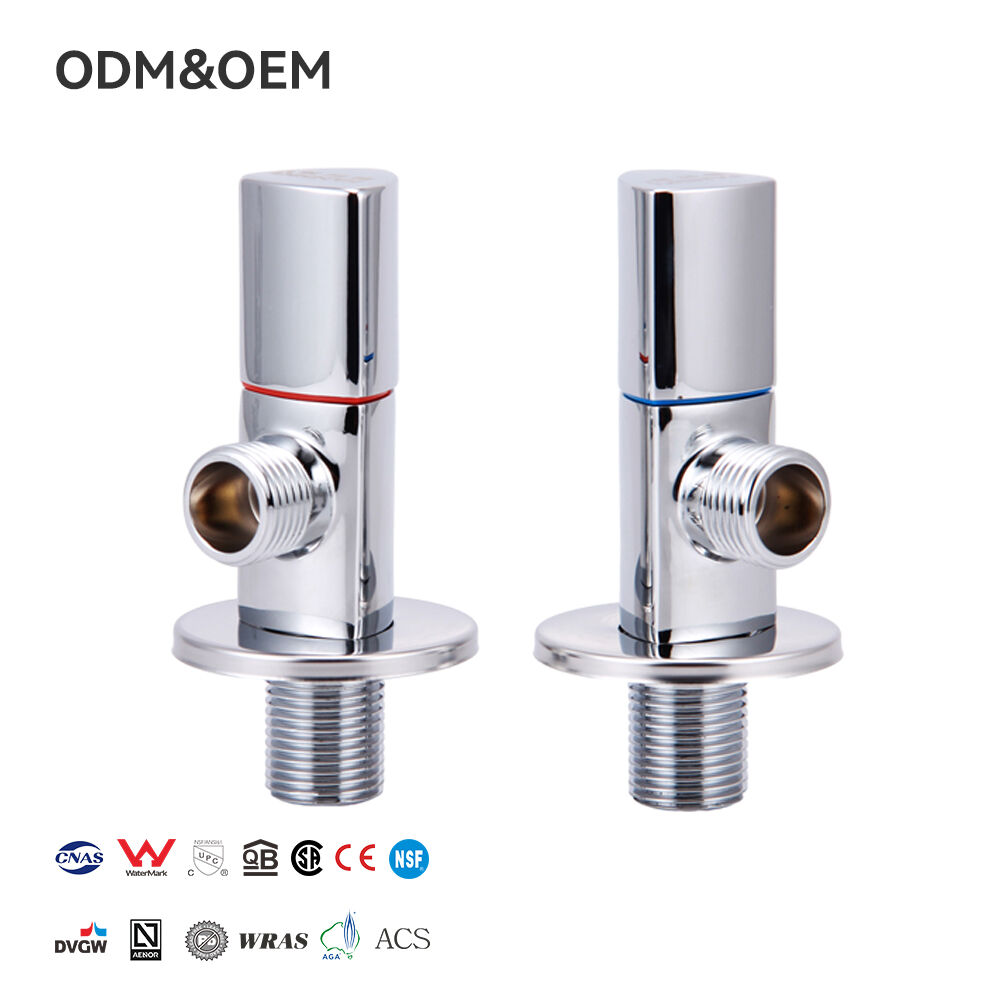
Water control systems in modern buildings require precision and reliability to ensure optimal performance across various applications. An angle valve represents a crucial component in plumbing infrastructure that provides enhanced control over water flow direction and pressure regulation. These specialized valves offer unique advantages over traditional straight-through valves by incorporating a 90-degree turn in the flow path, allowing for more precise manipulation of water distribution systems. Understanding how an angle valve functions and its specific benefits can help property owners, facility managers, and plumbing professionals make informed decisions about their water control requirements.
Understanding Angle Valve Mechanics and Design Principles
Internal Flow Path Configuration
The distinctive design of an angle valve creates a perpendicular flow path that fundamentally changes how water moves through the system. Unlike straight valves where water flows in a linear direction, an angle valve redirects the flow at a 90-degree angle, which naturally reduces turbulence and provides smoother water transition. This configuration minimizes pressure drops and creates more laminar flow patterns, resulting in improved control precision. The internal geometry of the valve body accommodates this directional change while maintaining structural integrity under various pressure conditions.
The valve seat and disc arrangement in an angle valve configuration allows for more gradual flow modulation compared to conventional designs. When the valve opens, water enters through one port and exits through the perpendicular outlet, creating a controlled environment for pressure regulation. This mechanical advantage enables operators to achieve finer adjustments in flow rates, making the angle valve particularly valuable in applications requiring precise water control. The design also reduces the overall system footprint by eliminating the need for separate elbow fittings in many installations.
Material Construction and Durability Features
Modern angle valve construction incorporates high-quality materials specifically chosen to withstand the unique stresses created by perpendicular flow patterns. Brass, stainless steel, and specialized alloys are commonly used in valve body manufacturing to ensure long-term reliability under varying pressure conditions. The internal components, including the stem, disc, and seat, are engineered to maintain tight sealing while providing smooth operation over thousands of cycles. These materials resist corrosion, scaling, and wear that typically affect water control systems in commercial and residential environments.
The precision manufacturing processes used in angle valve production ensure consistent performance characteristics across different operating conditions. Advanced machining techniques create smooth internal surfaces that minimize friction and turbulence, contributing to the valve's superior control capabilities. Quality control measures during manufacturing verify that each angle valve meets specific tolerances for seat alignment, stem travel, and seal integrity, ensuring reliable performance in critical water control applications.
Applications Where Angle Valves Provide Superior Control
Residential Plumbing Systems
In residential settings, an angle valve offers significant advantages for controlling water supply to fixtures and appliances that require precise flow regulation. Toilet supply lines benefit greatly from angle valve installation because the perpendicular connection naturally accommodates the typical plumbing layout while providing reliable shut-off capability. The controlled flow characteristics help prevent water hammer and reduce noise in the plumbing system, creating a more comfortable living environment. Homeowners appreciate the improved control precision when adjusting water flow to optimize fixture performance.
Kitchen and bathroom applications demonstrate the versatility of angle valve technology in residential water control systems. Under-sink installations particularly benefit from the space-saving design that eliminates additional fittings while maintaining full control authority. The precise flow modulation capabilities allow residents to fine-tune water pressure for specific tasks, whether filling containers, operating dishwashers, or maintaining optimal shower pressure. These installations often incorporate dual-control features that enable independent operation of multiple water outlets from a single supply line.
Commercial and Industrial Applications
Commercial facilities require robust water control solutions that can handle high-frequency operation while maintaining consistent performance standards. An angle valve meets these demanding requirements through its durable construction and precise control characteristics. Manufacturing processes that depend on accurate water flow rates rely on angle valve technology to maintain product quality and operational efficiency. The ability to make fine adjustments in flow rates helps optimize production parameters while reducing waste and improving overall system performance.
HVAC systems in commercial buildings utilize angle valve installations to control cooling and heating water distribution with greater precision than conventional valve designs. The reduced turbulence characteristics improve heat transfer efficiency while minimizing energy consumption. Facility managers can achieve better temperature control throughout large buildings by implementing Angle Valve technology in strategic locations throughout the water distribution network. These installations often incorporate smart control systems that automatically adjust valve positions based on real-time demand patterns.
Technical Advantages of Angle Valve Design
Flow Control Precision and Response
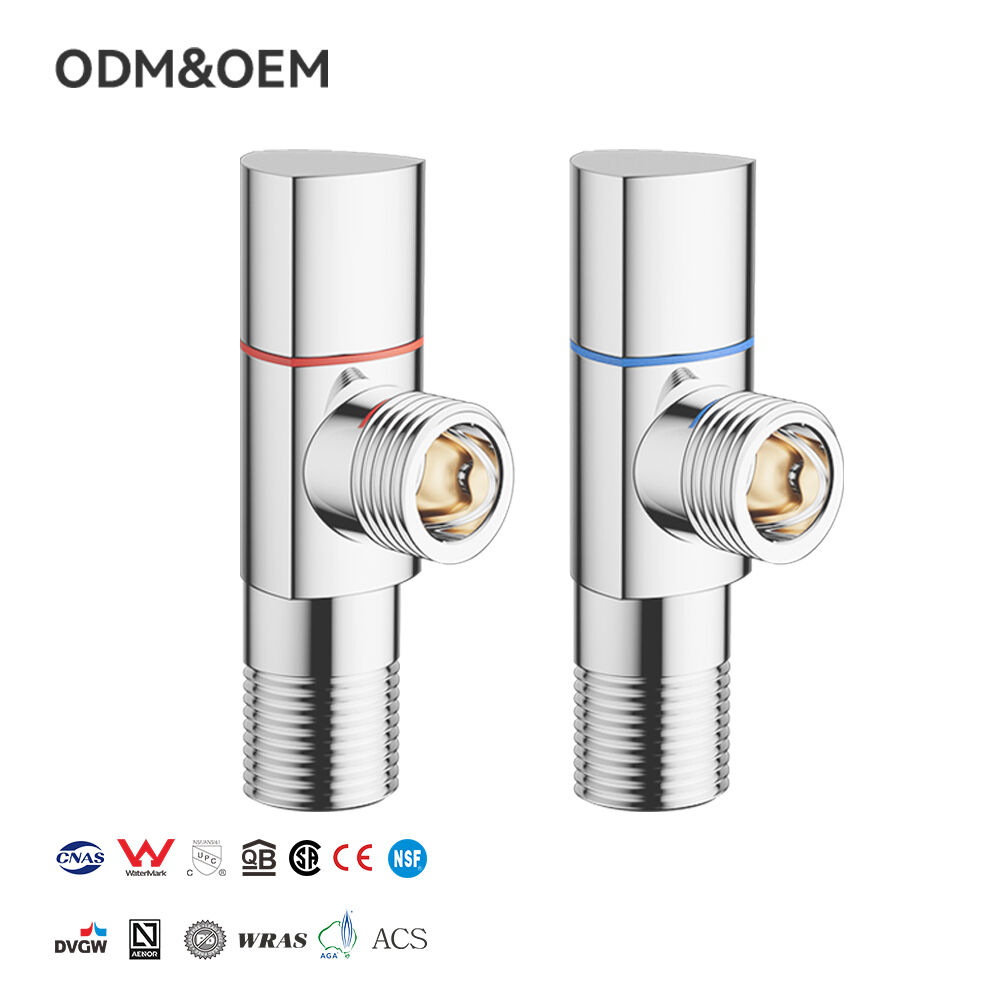
The inherent design characteristics of an angle valve provide superior flow control precision compared to straight-through valve configurations. The perpendicular flow path creates natural pressure dissipation that allows for more gradual flow rate changes when the valve position is adjusted. This characteristic is particularly valuable in systems where sudden flow changes could cause pressure spikes or system instability. Operators can achieve precise flow modulation by making small adjustments to the valve position, resulting in better overall system control.
Response characteristics of angle valve systems demonstrate improved stability under varying load conditions. The internal flow geometry helps dampen pressure fluctuations that might otherwise propagate through the water distribution system. This dampening effect contributes to more stable operation of downstream equipment and reduces wear on system components. The precise control authority enables system designers to optimize performance parameters while maintaining safety margins for critical applications.
Installation Flexibility and System Integration
Installation versatility represents a significant advantage of angle valve technology in both new construction and retrofit applications. The 90-degree flow path naturally accommodates corner installations and tight spaces where conventional valves would require additional fittings. This design flexibility reduces overall system complexity while maintaining full control functionality. Plumbers and system installers appreciate the reduced component count and simplified piping arrangements that result from angle valve implementation.
System integration benefits extend beyond simple installation convenience to include improved hydraulic performance and reduced maintenance requirements. The streamlined flow path reduces the number of potential leak points while maintaining easy access for service and adjustment. Modern angle valve designs incorporate standardized connections that ensure compatibility with existing plumbing infrastructure while providing upgrade paths for enhanced control capabilities. These features make angle valve technology an attractive option for system modernization projects.
Maintenance and Performance Optimization
Routine Maintenance Procedures
Proper maintenance of an angle valve ensures continued precision control and extends service life under demanding operating conditions. Regular inspection procedures should focus on external connections, handle operation, and signs of leakage that could indicate internal wear. The perpendicular design allows easy access to key components without requiring extensive disassembly of surrounding piping systems. Maintenance technicians can quickly assess valve condition and perform necessary adjustments to maintain optimal performance standards.
Preventive maintenance schedules for angle valve systems typically include periodic lubrication of moving components and verification of proper seal integrity. The robust construction of quality angle valve units minimizes maintenance frequency while ensuring reliable operation over extended periods. System operators should monitor performance characteristics such as flow rate consistency and pressure drop across the valve to identify potential issues before they affect system performance. Documentation of maintenance activities helps establish optimal service intervals and identify patterns that might indicate system-wide issues.
Performance Monitoring and Adjustment
Performance optimization of angle valve installations requires systematic monitoring of key operational parameters to ensure continued precision control. Flow rate measurements at various valve positions help establish baseline performance characteristics that can be used to detect changes in valve condition over time. Pressure monitoring upstream and downstream of the angle valve provides valuable data for optimizing system operation and identifying potential issues with internal components.
Advanced monitoring systems can incorporate automated data collection to track angle valve performance trends and predict maintenance requirements. These systems help facility managers optimize water control precision while minimizing operational disruptions. Regular calibration of control systems ensures that valve position indicators accurately reflect actual flow conditions, maintaining the precision control that makes angle valve technology valuable in demanding applications. Performance data analysis helps identify opportunities for system optimization and guides decisions about equipment upgrades or replacements.
Selecting the Right Angle Valve for Your Application
Sizing and Capacity Considerations
Proper selection of an angle valve requires careful consideration of flow capacity requirements and pressure conditions in the target application. Flow rate calculations must account for the unique characteristics of perpendicular flow paths and pressure drops associated with the 90-degree turn. System designers should evaluate maximum and minimum flow requirements to ensure the selected angle valve provides adequate control authority across the full operating range. Oversized valves may provide poor control at low flow rates, while undersized units could create excessive pressure drops.
Pressure rating considerations for angle valve selection must account for both steady-state and transient conditions that may occur during system operation. The robust construction of quality angle valve units typically provides generous safety margins for standard plumbing applications, but specialized high-pressure environments may require specific design features. Connection size and type must be compatible with existing system infrastructure while providing adequate flow area for the intended application. Professional consultation can help ensure optimal angle valve selection for complex or critical applications.
Quality and Certification Requirements
Quality standards for angle valve selection should prioritize units that meet or exceed relevant industry certifications and performance specifications. Recognized testing organizations evaluate angle valve designs for durability, leak-tightness, and flow control precision under standardized conditions. These certifications provide assurance that the selected angle valve will perform reliably in the intended application while meeting safety and performance requirements. Quality manufacturers typically provide comprehensive documentation of product specifications and performance characteristics.
Certification requirements may vary depending on the specific application and local regulatory standards that govern water control system installations. Commercial and industrial applications often require angle valve units that meet specific performance criteria for pressure rating, temperature limits, and material compatibility. Healthcare facilities, food processing operations, and other specialized environments may have additional requirements for materials and surface finishes that affect angle valve selection criteria. Understanding these requirements early in the selection process helps ensure compliance and optimal performance.
FAQ
What makes an angle valve more precise than a straight valve
An angle valve provides more precise control due to its 90-degree flow path design that naturally reduces turbulence and creates smoother pressure transitions. The perpendicular flow geometry allows for more gradual flow rate changes when adjusting valve position, enabling finer control over water flow. This design characteristic, combined with the internal valve seat configuration, provides superior modulation capabilities compared to straight-through valves that can experience more abrupt flow changes.
How does angle valve installation differ from standard valve installation
Angle valve installation typically requires less space and fewer fittings compared to standard valve installations because the 90-degree flow path eliminates the need for separate elbow connections. The installation process involves connecting the inlet and outlet ports at right angles to each other, which naturally accommodates corner installations and tight spaces. Most angle valve units use standard pipe thread connections that are compatible with existing plumbing infrastructure, simplifying the installation process.
What maintenance is required for optimal angle valve performance
Regular angle valve maintenance includes periodic inspection of external connections, verification of smooth handle operation, and checking for signs of leakage around seals and packing. The robust construction of quality angle valve units typically requires minimal maintenance, but periodic lubrication of moving parts and occasional replacement of sealing components may be necessary depending on usage frequency and water conditions. Monitoring flow performance and pressure drop characteristics helps identify maintenance needs before they affect system operation.
Can angle valves handle high-pressure water systems
Quality angle valve designs are engineered to handle high-pressure applications through robust construction materials and precision manufacturing processes. The perpendicular flow path actually provides some advantages in high-pressure systems by naturally dissipating pressure energy and reducing stress concentrations. However, proper sizing and selection based on specific pressure requirements is essential to ensure safe and reliable operation. Professional consultation is recommended for high-pressure applications to verify that the selected angle valve meets all performance and safety requirements.