
 EN
EN
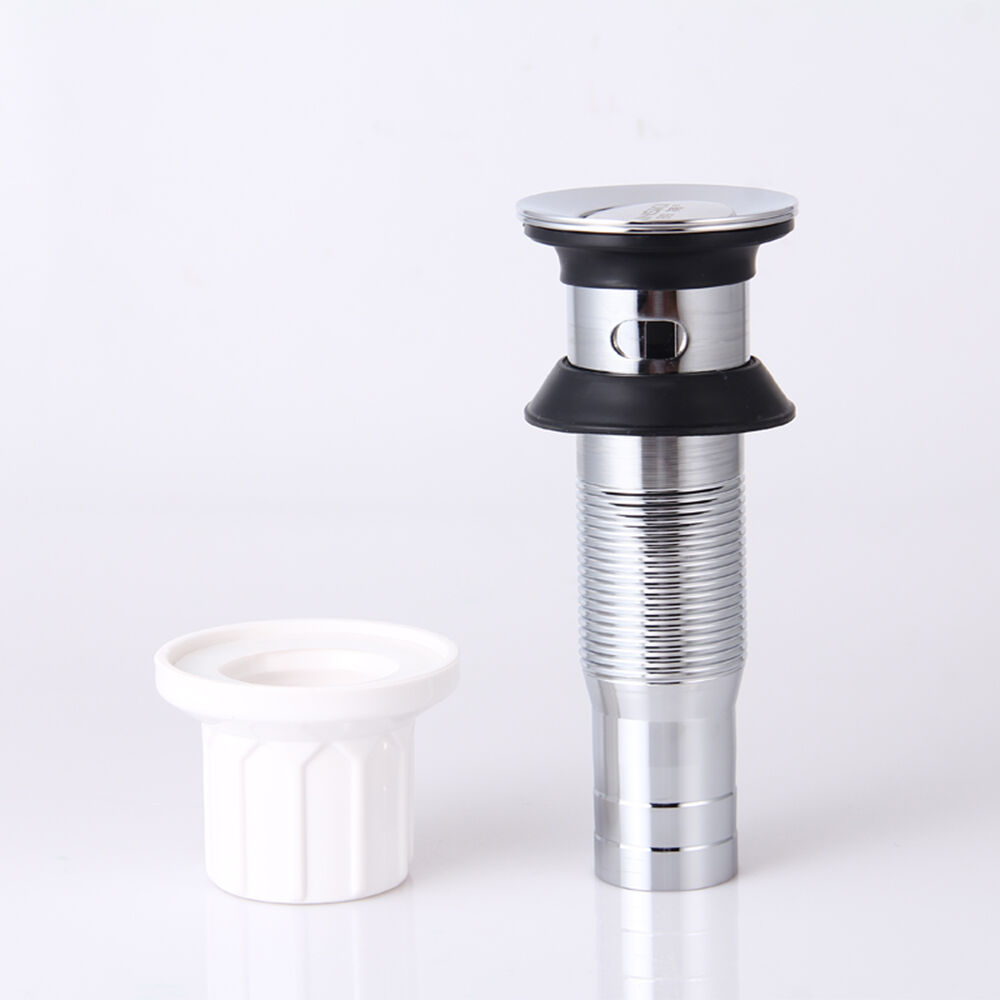
Water damage and mold growth under kitchen and bathroom sinks remain persistent problems for homeowners and commercial property managers alike. The accumulation of moisture in these confined spaces creates ideal conditions for fungal development, leading to structural damage, health concerns, and costly repairs. A properly selected and installed drainer system serves as the first line of defense against these issues, effectively managing water flow and preventing the stagnant conditions that promote mold formation. Understanding the relationship between drainage efficiency and mold prevention helps property owners make informed decisions about their plumbing infrastructure investments.
Understanding Mold Formation in Drain Systems
Environmental Conditions That Promote Mold Growth
Mold thrives in environments characterized by high humidity levels, poor ventilation, and organic matter that serves as a food source. Under-sink areas frequently exhibit these conditions due to condensation from pipes, minor leaks, and the natural humidity generated by water usage. Temperature fluctuations common in these spaces further contribute to condensation buildup, creating moisture pockets that remain undetected until significant damage occurs. The confined nature of cabinet spaces restricts air circulation, allowing humid conditions to persist for extended periods.
Traditional drainage systems often fail to address these fundamental issues because they focus solely on water removal rather than comprehensive moisture management. Inadequate slope angles, poor sealing around drain connections, and substandard materials contribute to water retention and slow drainage. These factors combine to create microenvironments where mold spores can establish colonies and spread throughout the surrounding area. Regular maintenance becomes crucial for preventing these conditions from developing into serious contamination problems.
Health and Structural Implications
Mold contamination presents significant health risks, particularly for individuals with respiratory sensitivities, allergies, or compromised immune systems. Exposure to mold spores can trigger asthma attacks, allergic reactions, and other respiratory complications. Long-term exposure may lead to more serious health consequences, making prevention strategies essential for maintaining safe indoor environments. The proximity of kitchen and bathroom drains to food preparation and personal hygiene areas amplifies these health concerns.
Structural damage from mold growth extends beyond surface contamination to affect wooden cabinet frames, flooring materials, and wall structures. Mold digests organic materials as part of its growth process, weakening structural components and potentially compromising building integrity. Professional remediation costs can reach thousands of dollars, making prevention through proper drainage solutions a cost-effective alternative. Early intervention through improved drainer selection prevents these escalating problems.
Advanced Drainer Technologies for Mold Prevention
Stainless Steel Construction Benefits
Modern drainer systems incorporate antimicrobial properties inherent in high-grade stainless steel construction, providing natural resistance to bacterial and fungal growth. The non-porous surface of quality stainless steel prevents organic matter accumulation and simplifies cleaning procedures. Corrosion resistance ensures long-term performance without degradation that could compromise drainage efficiency. These materials maintain their integrity under constant moisture exposure, eliminating weak points where contamination typically develops.
Advanced manufacturing techniques create precision-engineered surfaces that promote rapid water flow while minimizing turbulence that can trap debris and moisture. The smooth finish reduces friction and prevents the biofilm formation that often serves as a foundation for mold colonies. Temperature resistance allows these systems to handle hot water discharge without warping or creating gaps where moisture can accumulate. Investment in premium materials provides decades of reliable service with minimal maintenance requirements.
Enhanced Flow Design Features
Contemporary drainer systems incorporate sophisticated flow dynamics engineered to eliminate standing water and reduce moisture retention. Optimized slope angles ensure complete water evacuation, preventing the pooling conditions that encourage mold development. Strategic placement of drainage channels directs water flow away from vulnerable areas while maintaining system efficiency. These design elements work together to create self-cleaning action that removes debris and organic matter automatically.
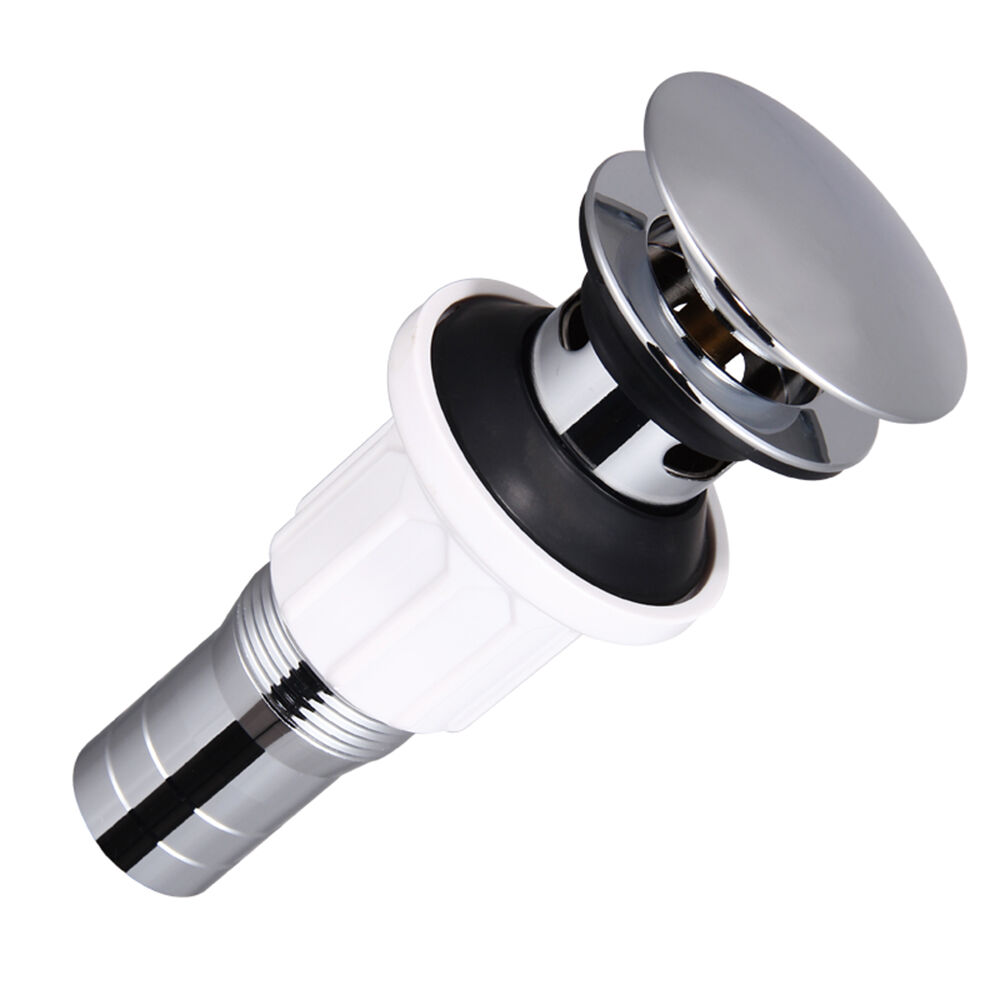
Anti-odor mechanisms integrated into advanced drainer designs address the bacterial growth that often precedes mold formation. Trap seal technology maintains water barriers that prevent sewer gases from entering living spaces while allowing unrestricted drainage flow. Removable strainer components facilitate thorough cleaning and inspection procedures essential for long-term mold prevention. These features transform drainage systems from passive water removal devices into active mold prevention tools.
Installation Considerations for Maximum Effectiveness
Professional Assessment and Planning
Effective mold prevention through improved drainage begins with comprehensive assessment of existing conditions and potential problem areas. Professional evaluation identifies moisture sources, ventilation deficiencies, and structural vulnerabilities that influence drainer performance. Proper sizing calculations ensure adequate capacity for peak flow conditions while maintaining efficiency during normal operations. Site-specific factors such as cabinet configuration, pipe routing, and accessibility requirements influence system selection and installation procedures.
Integration with existing plumbing infrastructure requires careful planning to avoid creating new leak points or drainage restrictions. Compatibility between different materials prevents galvanic corrosion and ensures long-term system integrity. Coordination with ventilation improvements maximizes the mold prevention benefits of enhanced drainage systems. Professional installation guarantees proper sealing, slope angles, and connection integrity essential for optimal performance.
Quality Control and Testing Procedures
Post-installation testing verifies drainage performance and identifies potential issues before they develop into mold problems. Flow rate measurements confirm adequate capacity and proper slope angles throughout the system. Pressure testing ensures connection integrity and leak prevention essential for moisture control. Documentation of installation procedures and test results provides valuable reference information for future maintenance activities.
Regular inspection protocols help maintain drainer effectiveness and prevent gradual performance degradation. Visual checks for debris accumulation, proper water flow, and seal integrity should occur monthly in high-use areas. Annual professional inspections can identify wear patterns, corrosion issues, and maintenance needs before they compromise mold prevention capabilities. Preventive maintenance schedules optimize system longevity while minimizing disruption to daily operations.
Maintenance Strategies for Long-Term Mold Prevention
Routine Cleaning and Inspection
Effective maintenance programs balance thorough cleaning with system preservation to maximize drainer lifespan and mold prevention capabilities. Regular removal and cleaning of strainer components eliminates organic matter buildup and maintains optimal flow characteristics. Non-abrasive cleaning products preserve surface finishes while removing biofilms and bacterial colonies that could support mold growth. Proper reassembly procedures ensure continued sealing effectiveness and prevent leak development.
Inspection protocols identify early warning signs of system degradation or performance issues that could compromise mold prevention effectiveness. Changes in drainage speed, unusual odors, or visible moisture accumulation require immediate attention to prevent escalation into serious problems. Documentation of maintenance activities helps establish patterns and predict future service needs. Proactive maintenance significantly reduces emergency repairs and extends system service life.
Environmental Monitoring and Control
Humidity monitoring in under-sink areas provides early warning of conditions conducive to mold growth, allowing preventive action before contamination occurs. Digital hygrometers with alarm functions alert occupants to elevated moisture levels requiring immediate attention. Ventilation improvements complement drainage upgrades by promoting air circulation and reducing humidity accumulation. Combined moisture control strategies provide comprehensive protection against mold formation.
Temperature regulation helps minimize condensation formation that can overwhelm even the most effective drainer systems. Insulation of cold water pipes reduces surface condensation while maintaining water temperature efficiency. Strategic placement of ventilation fans creates positive airflow that carries moisture away from vulnerable areas. These environmental controls work synergistically with advanced drainage systems to create inhospitable conditions for mold development.
Cost-Benefit Analysis of Premium Drainage Solutions
Initial Investment Considerations
Premium drainer systems require higher initial investment compared to basic drainage solutions, but this cost must be evaluated against long-term benefits and potential savings. Quality materials and precision manufacturing justify increased upfront expenses through superior performance, extended service life, and reduced maintenance requirements. Professional installation costs contribute to overall project expenses but ensure optimal system performance and warranty compliance. Financing options may be available for larger commercial installations or comprehensive home improvement projects.
Comparative analysis reveals that premium drainage systems often provide lower total cost of ownership through reduced maintenance expenses, fewer repairs, and extended replacement intervals. Energy efficiency improvements from better water management can contribute to reduced utility costs over time. Insurance benefits may be available for properties with documented mold prevention measures in place. These factors help offset initial investment costs and improve overall project economics.
Long-Term Value and Risk Reduction
Mold remediation costs frequently exceed the expense of preventive drainage improvements by significant margins, making proactive investment economically advantageous. Professional mold removal services, structural repairs, and temporary relocation expenses can reach tens of thousands of dollars for serious contamination incidents. Health costs associated with mold exposure add additional financial burden beyond direct remediation expenses. Prevention through improved drainage systems eliminates these potential costs while providing ongoing benefits.
Property value protection represents another significant benefit of premium drainage installations, particularly in humid climates where mold problems are common. Documented mold prevention measures can improve property marketability and reduce liability concerns for commercial property owners. Insurance premiums may be reduced for properties with comprehensive moisture control systems in place. These indirect benefits contribute to overall investment returns and justify premium system selection.
FAQ
How often should drainer systems be cleaned to prevent mold growth
Drainer systems require monthly cleaning in high-use areas such as commercial kitchens or busy household environments, while residential applications may extend cleaning intervals to bi-monthly schedules. Visual inspection should occur weekly to identify debris accumulation or flow restrictions that could create stagnant water conditions. Deep cleaning procedures involving complete disassembly and component sanitization should be performed quarterly to maintain optimal mold prevention effectiveness. Professional maintenance every six months ensures continued system integrity and performance optimization.
What materials provide the best resistance to mold formation in drainage systems
High-grade stainless steel offers superior mold resistance through its non-porous surface, antimicrobial properties, and corrosion resistance that maintains integrity over decades of service. Marine-grade aluminum provides excellent durability and mold resistance at lower cost points, though it may require more frequent maintenance in harsh environments. Brass components offer natural antimicrobial properties but require protective coatings to prevent tarnishing and maintain effectiveness. Plastic materials should be avoided in critical applications due to their tendency to develop surface scratches and biofilm accumulation that promote mold growth.
Can existing drainage systems be upgraded to improve mold prevention capabilities
Most existing drainage systems can be upgraded with improved components such as antimicrobial strainers, enhanced trap seals, and better flow control mechanisms without major plumbing modifications. Retrofitting opportunities include installing additional ventilation, improving pipe insulation, and upgrading to premium materials that resist mold formation. Professional assessment determines the most cost-effective upgrade path based on existing infrastructure and specific mold prevention requirements. Complete system replacement may be necessary in cases where existing installations cannot accommodate modern mold prevention technologies.
What are the warning signs that indicate drainer system failure leading to mold risk
Slow drainage indicates flow restrictions that can create standing water conditions ideal for mold development, requiring immediate investigation and correction. Unusual odors suggest bacterial growth that often precedes visible mold formation, necessitating thorough cleaning and system inspection. Visible moisture accumulation around drain connections indicates seal failure or inadequate capacity that must be addressed promptly. Persistent humidity in under-sink areas despite normal usage patterns suggests ventilation deficiencies or drainage problems requiring professional evaluation and correction.
Table of Contents
- Understanding Mold Formation in Drain Systems
- Advanced Drainer Technologies for Mold Prevention
- Installation Considerations for Maximum Effectiveness
- Maintenance Strategies for Long-Term Mold Prevention
- Cost-Benefit Analysis of Premium Drainage Solutions
-
FAQ
- How often should drainer systems be cleaned to prevent mold growth
- What materials provide the best resistance to mold formation in drainage systems
- Can existing drainage systems be upgraded to improve mold prevention capabilities
- What are the warning signs that indicate drainer system failure leading to mold risk