
 EN
EN
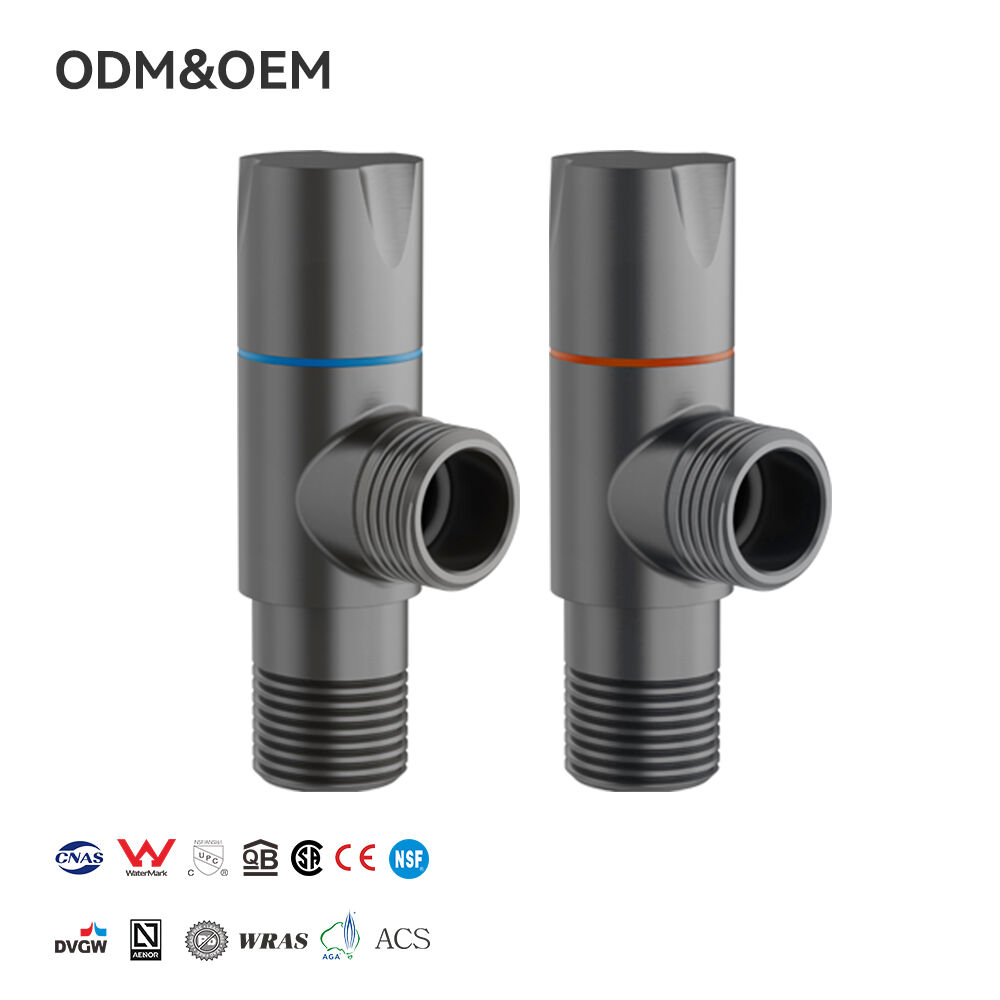
Professional plumbers consistently recommend angle valves as essential components in residential plumbing systems due to their superior functionality and reliability. These specialized valves offer homeowners exceptional control over water flow while providing enhanced safety features that standard shut-off valves cannot match. The angle valve design creates a 90-degree turn in the water flow path, which reduces pressure buildup and minimizes the risk of pipe damage during emergency shutdowns.
Modern residential plumbing systems require components that can withstand daily use while maintaining optimal performance for years. The angle valve has emerged as a preferred solution among plumbing professionals because of its robust construction and versatile applications. Unlike traditional straight valves, the angle valve configuration allows for easier installation in tight spaces and provides better access for maintenance and repairs.
Understanding Angle Valve Mechanics and Design
Core Components and Engineering Principles
The angle valve operates on a simple yet effective mechanism that controls water flow through a perpendicular pathway. The internal design features a seat and disc arrangement that creates a secure seal when closed, preventing water leakage and maintaining system pressure. This engineering approach ensures that the angle valve can handle both high-pressure municipal water supplies and low-pressure well systems with equal efficiency.
Manufacturing standards for residential angle valves typically involve brass, stainless steel, or high-grade plastic materials that resist corrosion and mineral buildup. The valve stem incorporates precision threading that allows for smooth operation and precise flow control. Professional plumbers appreciate how the angle valve design reduces the number of fittings required in complex plumbing configurations, thereby minimizing potential leak points.
Installation Advantages in Residential Applications
Space constraints in modern homes often challenge plumbers during installation projects, making the angle valve an invaluable solution. The compact profile allows installation in areas where traditional valves would require additional elbows or connectors. This space-saving design proves particularly beneficial in bathroom renovations and kitchen upgrades where every inch of clearance matters.
The angle valve installation process typically requires fewer joints and connections compared to alternative valve configurations. Plumbers can complete installations more efficiently while reducing the overall cost of materials and labor. The direct connection capability eliminates the need for additional fittings that could become failure points over time, contributing to the long-term reliability that homeowners desire.
Performance Benefits in Home Plumbing Systems
Water Flow Control and Pressure Management
Effective water flow control represents one of the primary reasons plumbers recommend angle valves for residential installations. The perpendicular flow path creates natural pressure regulation that prevents sudden surges and water hammer effects that can damage pipes and appliances. Homeowners benefit from smoother water delivery and reduced stress on their plumbing infrastructure.
The angle valve design enables precise flow adjustment, allowing users to fine-tune water pressure for specific applications. This capability proves especially valuable in homes with varying pressure requirements throughout different zones or floors. Professional installation ensures optimal performance while meeting local building codes and safety standards.
Durability and Maintenance Considerations
Long-term durability sets the angle valve apart from conventional alternatives in residential plumbing applications. The robust construction typically withstands decades of regular use without significant performance degradation. Quality angle valve models feature replaceable internal components that extend service life and reduce replacement costs for homeowners.
Maintenance requirements for angle valves remain minimal compared to more complex valve systems. The accessible design allows plumbers to perform routine servicing without extensive disassembly or system shutdown. This serviceability factor contributes to lower lifetime ownership costs and reduced disruption during maintenance activities.
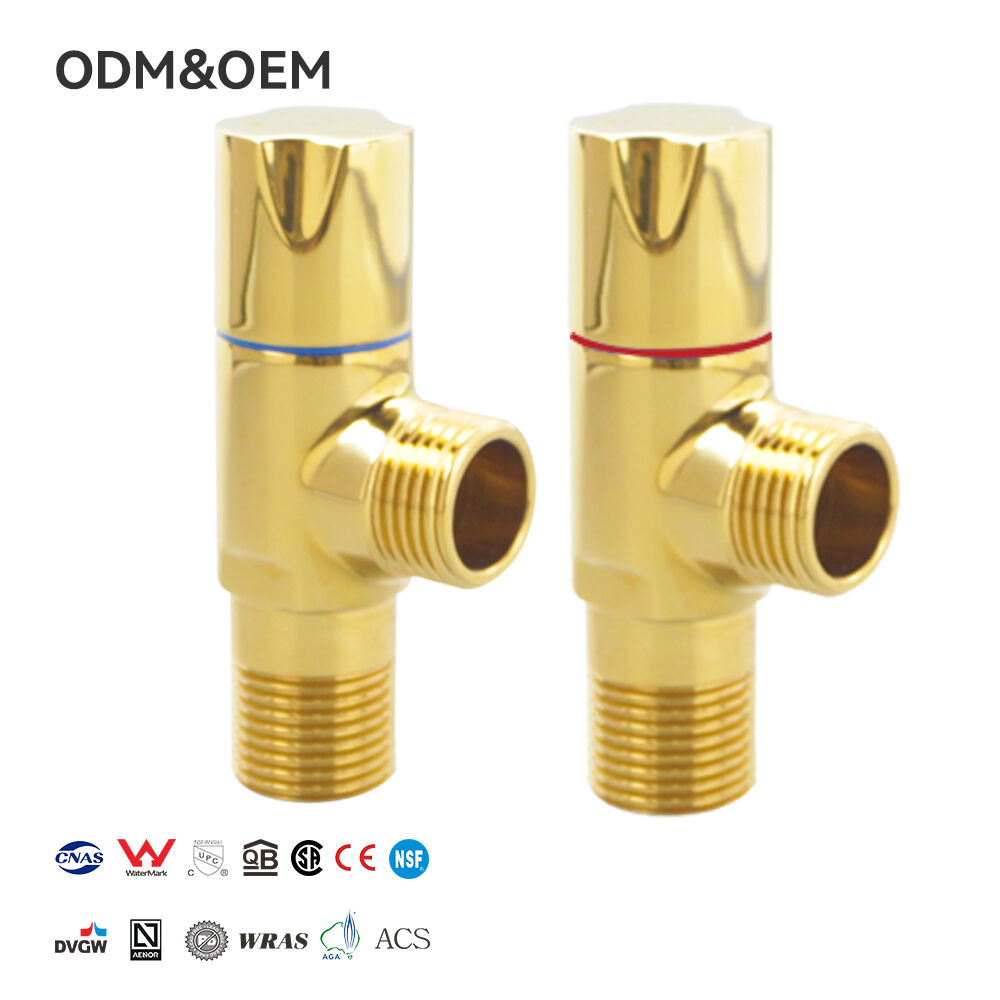
Safety Features and Emergency Applications
Rapid Shutdown Capabilities
Emergency water shutoff situations require reliable valve operation that homeowners can depend on during critical moments. The angle valve provides immediate flow cessation with minimal effort, making it an essential safety component in residential plumbing systems. The quarter-turn operation typical of modern angle valve designs enables quick response during pipe bursts or appliance failures.
Professional plumbers often install angle valves at strategic locations throughout homes to create multiple isolation points for emergency situations. This approach allows selective shutdown of specific areas without affecting the entire water supply system. The reliability of the angle valve mechanism ensures that homeowners can effectively control water flow even under high-pressure emergency conditions.
Leak Prevention and System Protection
The sealing technology incorporated in quality angle valve designs provides superior leak prevention compared to traditional valve types. The metal-to-metal sealing surfaces create durable barriers that resist wear and maintain integrity over extended periods. This reliability factor reduces the risk of water damage and associated repair costs for homeowners.
System protection extends beyond basic leak prevention when angle valves are properly installed and maintained. The controlled flow characteristics help protect downstream appliances from pressure fluctuations that could cause premature failure or reduced efficiency. Plumbers recognize these protective benefits as valuable selling points when recommending angle valve installations to homeowners.
Cost-Effectiveness and Long-Term Value
Initial Investment and Installation Savings
The initial cost of an angle valve installation often proves more economical than alternative solutions when considering the complete project scope. Reduced fitting requirements and simplified installation procedures translate to lower labor costs and faster project completion. Homeowners benefit from these efficiencies through reduced overall project expenses and shorter disruption periods.
Material costs for angle valve installations typically remain competitive with other valve options while providing superior performance characteristics. The standardized connection methods and common sizing reduce inventory requirements for plumbing contractors, often resulting in better pricing for homeowners. This economic advantage makes the angle valve an attractive option for both new construction and renovation projects.
Operational Efficiency and Energy Savings
Energy efficiency gains from proper angle valve installation can contribute to reduced utility costs over time. The improved flow control capabilities allow homeowners to optimize hot water usage and reduce waste through more precise delivery systems. These operational benefits accumulate into measurable savings on monthly utility bills.
The maintenance efficiency of angle valve systems reduces service call frequency and associated costs. Plumbers can perform routine maintenance more quickly, and the robust design minimizes unexpected failure rates that require emergency service calls. This reliability factor provides homeowners with predictable maintenance budgets and reduced risk of costly emergency repairs.
Common Applications in Residential Settings
Bathroom and Kitchen Installations
Bathroom applications represent the most common residential use for angle valves, particularly in toilet installations and under-sink connections. The compact design fits easily within standard rough-in dimensions while providing reliable shutoff capability for maintenance and repairs. Plumbers frequently specify angle valves for these locations due to their proven performance in high-use environments.
Kitchen installations benefit from the precise flow control that angle valves provide, especially in applications involving dishwashers and ice makers. The ability to fine-tune water pressure helps protect sensitive appliance components while ensuring adequate supply pressure for proper operation. Professional installation ensures compliance with appliance manufacturer requirements and local plumbing codes.
Water Heater and Appliance Connections
Water heater installations increasingly rely on angle valve technology for both inlet and outlet connections. The controlled flow characteristics help protect heating elements from thermal shock while enabling efficient system operation. Plumbers recommend angle valves for these applications due to their temperature resistance and long-term reliability under thermal cycling conditions.
Appliance connections throughout the home benefit from the versatility and reliability that angle valves provide. Washing machines, water softeners, and other equipment operate more efficiently with proper flow control and isolation capabilities. The standardized connection methods simplify installation and future service requirements for both plumbers and homeowners.
FAQ
How long do angle valves typically last in residential applications
Quality angle valves installed in residential plumbing systems typically provide 15 to 25 years of reliable service under normal operating conditions. The actual lifespan depends on water quality, usage frequency, and maintenance practices. Professional installation and periodic inspection help maximize service life and identify potential issues before they become costly problems.
Can homeowners operate angle valves during emergency situations
Most modern angle valve designs feature user-friendly operation that allows homeowners to shut off water flow during emergency situations. The quarter-turn or multi-turn operation requires minimal force and can be operated without special tools. However, homeowners should familiarize themselves with valve locations and operation procedures before emergency situations arise.
What maintenance do angle valves require in home plumbing systems
Regular angle valve maintenance involves periodic operation to prevent seizing and visual inspection for signs of corrosion or damage. Professional plumbers recommend exercising valves annually by fully opening and closing them several times. Replacement of internal components like washers or O-rings may be necessary every 10 to 15 years depending on water conditions and usage patterns.
Are angle valves suitable for all residential water pressure levels
Modern angle valves are engineered to handle a wide range of residential water pressures, typically from 20 to 200 PSI without performance issues. The pressure rating should be verified during selection to ensure compatibility with local water supply conditions. Professional plumbers can recommend appropriate angle valve specifications based on specific installation requirements and local pressure conditions.