
 EN
EN
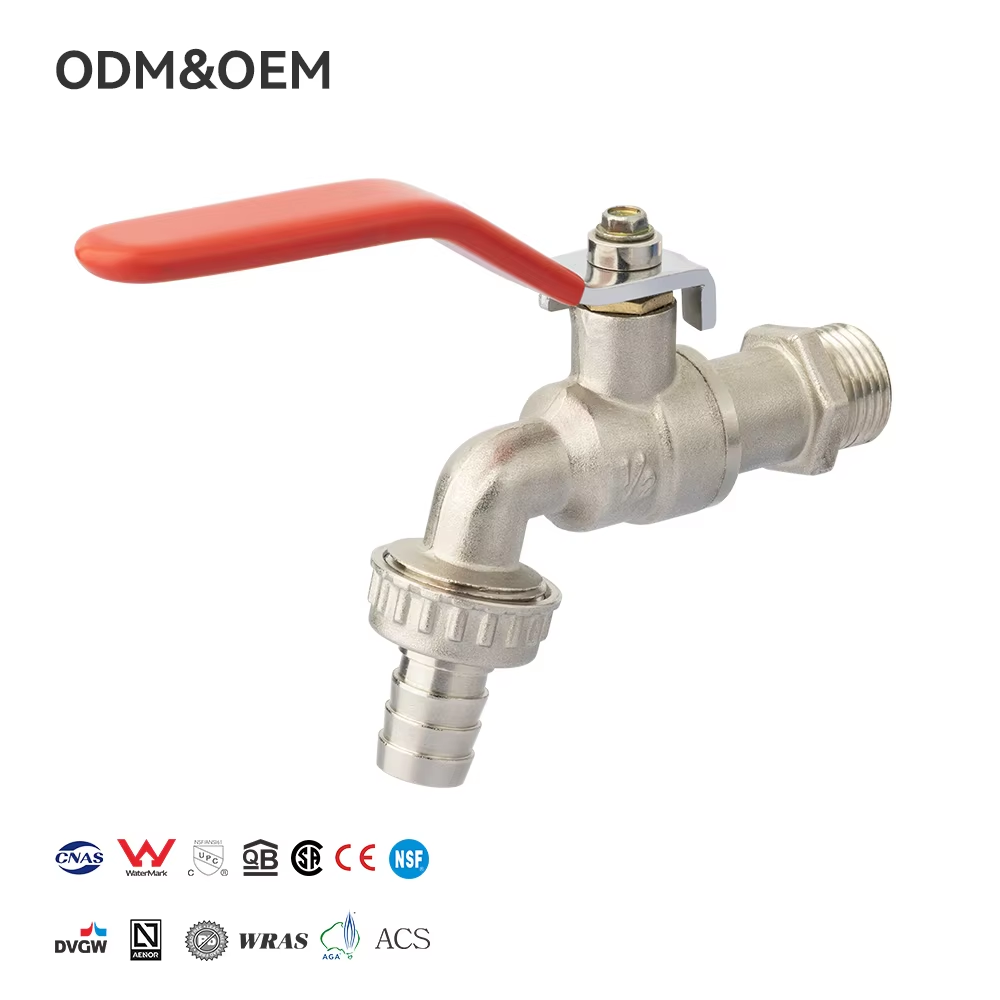
Water efficiency has become a critical concern for modern homeowners seeking to reduce utility costs while contributing to environmental conservation. The selection of an appropriate faucet plays a fundamental role in achieving these sustainability goals throughout your residential water system. Modern faucet designs incorporate advanced flow control mechanisms, aerator technology, and precision engineering that can dramatically reduce water consumption without compromising user experience or functionality.
Understanding the relationship between faucet selection and household water conservation requires examining the technical specifications and operational characteristics that distinguish efficient models from conventional alternatives. The average household can achieve substantial water savings through strategic faucet upgrades across kitchen, bathroom, and utility applications. These improvements often result in measurable reductions in monthly water bills while supporting broader environmental stewardship initiatives within residential communities.
Understanding Water Flow Technology in Modern Faucet Design
Aerator Systems and Flow Regulation
Advanced aerator systems represent the cornerstone of water-efficient faucet technology, mixing air with water streams to maintain pressure while reducing overall volume consumption. These sophisticated mechanisms utilize precisely engineered mesh screens and flow chambers to create consistent water delivery patterns that feel substantial despite using significantly less water than traditional faucet designs. The integration of aerator technology allows users to experience satisfying water pressure while achieving flow rates as low as 1.5 gallons per minute compared to standard rates exceeding 2.2 gallons per minute.
Modern aerator designs incorporate laminar flow technology that eliminates splashing and turbulence, creating smooth water streams that enhance user satisfaction while maximizing conservation benefits. These systems utilize internal baffle designs and precision-manufactured components that maintain consistent performance across varying water pressure conditions. The result is a faucet experience that delivers optimal functionality while contributing measurably to household water conservation efforts and reduced environmental impact.
Ceramic Valve Core Technology
Ceramic valve cores provide superior durability and precise flow control compared to traditional rubber washers or compression mechanisms found in older faucet designs. These advanced valve systems utilize hardened ceramic discs that create reliable sealing surfaces, virtually eliminating drip-related water waste that can accumulate to substantial volumes over time. The precision manufacturing of ceramic components ensures consistent performance and extended operational lifespan, reducing maintenance requirements while maintaining optimal water efficiency throughout the faucet service life.
The drip-free operation characteristic of ceramic valve technology translates directly into measurable water savings, as even minor leaks can waste hundreds of gallons annually in typical household applications. Professional-grade ceramic valves maintain their sealing integrity across thousands of operational cycles, providing long-term reliability that supports sustained water conservation goals. This technology represents a significant advancement over traditional valve designs that frequently develop leaks requiring ongoing maintenance or complete replacement.
Strategic Placement and Installation Considerations
Wall-Mounted Configuration Benefits
Wall-mounted faucet installations offer unique advantages for water efficiency optimization through improved ergonomics and reduced splash-back phenomena that can lead to increased water usage. These mounting configurations position the faucet at optimal angles for efficient water delivery while minimizing the distance between the spout and basin surfaces. The elevated positioning characteristic of wall-mounted designs reduces the likelihood of oversplashing that often occurs with conventional deck-mounted installations.
Wall-mounted faucet systems also facilitate easier cleaning and maintenance access, supporting long-term efficiency through proper upkeep of aerator components and valve mechanisms. The separation of faucet components from countertop surfaces reduces exposure to debris and mineral deposits that can compromise flow regulation systems over time. This installation approach supports sustained water efficiency performance while providing aesthetic and functional advantages in modern bathroom and kitchen applications.
Height and Angle Optimization
Proper faucet height and spout angle configuration significantly influences water usage patterns and overall efficiency in daily household activities. Optimal positioning reduces the need for excessive flow rates to achieve adequate basin coverage while minimizing splash-related water loss that occurs when fixtures are improperly aligned. Professional installation considers sink depth, user height patterns, and intended usage applications to determine ideal mounting specifications for maximum water conservation benefits.
The relationship between spout reach and basin dimensions directly impacts user behavior and water consumption patterns during routine tasks such as handwashing, dishwashing, and general cleaning activities. Properly positioned faucet installations encourage efficient water usage by providing intuitive control access and optimal water delivery patterns that reduce the temptation to increase flow rates unnecessarily. These ergonomic considerations contribute substantially to overall household water conservation achievements through improved user experience and operational efficiency.
Material Selection and Long-Term Performance
Brass Construction Advantages
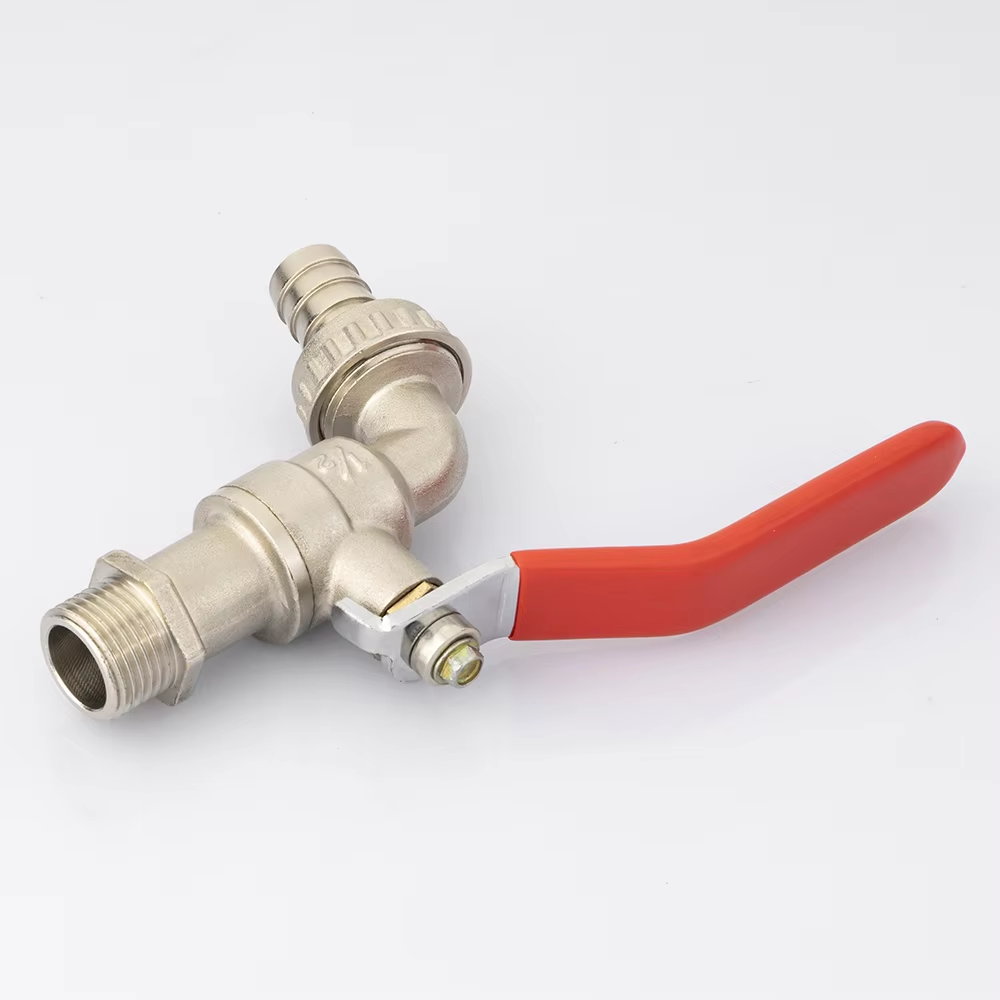
Brass construction provides exceptional durability and corrosion resistance essential for maintaining long-term water efficiency in residential faucet applications. The antimicrobial properties inherent in brass materials help prevent bacterial growth and mineral buildup that can compromise flow regulation systems and aerator performance over time. High-quality brass components resist degradation from water chemistry variations and temperature fluctuations that commonly affect household plumbing systems, ensuring consistent efficiency performance throughout extended service periods.
The thermal stability of brass materials supports reliable valve operation and seal integrity across the wide temperature ranges encountered in typical household water usage scenarios. This material consistency prevents the expansion and contraction cycles that can compromise sealing surfaces in alternative materials, maintaining drip-free operation that directly supports water conservation goals. Professional-grade brass faucet construction represents a long-term investment in sustained water efficiency and reduced maintenance requirements.
Surface Treatment and Water Quality
Advanced surface treatments applied to quality faucet materials help maintain water purity while supporting efficient flow characteristics throughout the fixture service life. These protective coatings resist mineral accumulation and bacterial growth that can compromise internal flow passages and aerator function, preserving the water efficiency characteristics designed into modern faucet systems. Proper surface treatment also facilitates easier cleaning and maintenance procedures that support long-term performance optimization.
The interaction between faucet materials and local water chemistry significantly influences long-term efficiency performance and maintenance requirements. High-quality surface treatments provide barrier protection against aggressive water conditions while maintaining smooth internal passages that support optimal flow regulation. This material engineering approach ensures that water efficiency benefits continue throughout the expected faucet lifespan without degradation from environmental factors or usage patterns.
Integration with Household Water Systems
Pressure Regulation Compatibility
Effective faucet selection must consider compatibility with existing household water pressure conditions to achieve optimal efficiency performance across all usage scenarios. Modern faucet designs incorporate internal pressure regulation mechanisms that maintain consistent flow characteristics despite variations in supply pressure that commonly occur in residential plumbing systems. These adaptive systems ensure that water conservation benefits remain effective regardless of pressure fluctuations during peak usage periods or system maintenance activities.
The relationship between supply pressure and faucet efficiency requires careful evaluation of local water system characteristics and household usage patterns. Properly selected faucet models can actually improve overall system efficiency by reducing pressure demands and supporting more stable operation throughout the household plumbing network. This systematic approach to faucet integration supports comprehensive water conservation strategies that extend beyond individual fixture performance to encompass total household efficiency optimization.
Temperature Management Systems
Advanced faucet designs incorporate temperature management features that reduce water waste associated with achieving desired water temperatures during routine household activities. These systems minimize the time and volume required to reach optimal temperatures, directly reducing consumption while improving user convenience and satisfaction. Integrated temperature regulation supports water conservation by eliminating the extended flow periods typically required for temperature adjustment in conventional faucet installations.
The efficiency of temperature management systems depends on proper integration with household hot water distribution networks and appropriate faucet positioning relative to water heating equipment. Modern faucet technology can significantly reduce the water volumes wasted during temperature equilibration, particularly in applications where precise temperature control is essential for user comfort and task effectiveness. This integration approach maximizes both water and energy conservation benefits through optimized system coordination.
Maintenance and Performance Optimization
Preventive Care Procedures
Regular maintenance procedures ensure sustained water efficiency performance from quality faucet installations throughout their intended service life. These activities include periodic aerator cleaning, valve lubrication, and seal inspection that prevent efficiency degradation from mineral deposits and wear-related issues. Proper maintenance schedules support consistent flow regulation and prevent the gradual efficiency losses that commonly occur in neglected faucet systems over time.
Professional maintenance approaches focus on preserving the precision engineering that enables water conservation benefits in modern faucet designs. Regular attention to aerator screens, valve adjustment, and seal condition maintains the tight tolerances essential for optimal flow control and drip-free operation. This proactive approach prevents minor issues from developing into major efficiency problems that require costly repairs or premature replacement of faucet components.
Performance Monitoring Strategies
Effective performance monitoring enables early detection of efficiency degradation and supports timely maintenance interventions that preserve water conservation benefits. Simple monitoring procedures include regular flow rate measurements, drip observation, and user experience evaluation that identify developing issues before they compromise overall faucet performance. These monitoring activities provide valuable feedback for optimizing maintenance schedules and identifying potential improvements in household water conservation strategies.
Long-term performance tracking helps quantify the water conservation achievements resulting from quality faucet installations and supports data-driven decisions regarding future efficiency upgrades. Regular monitoring also identifies usage pattern changes that may require adjustment in faucet settings or maintenance procedures to maintain optimal conservation performance. This systematic approach ensures that water efficiency investments continue delivering expected benefits throughout the faucet service life.
FAQ
How much water can an efficient faucet save compared to standard models?
Modern efficient faucet designs can reduce water consumption by 20-30% compared to standard models, typically achieving flow rates of 1.5 gallons per minute versus 2.2 gallons per minute in conventional installations. The actual savings depend on usage patterns and local water pressure conditions, but most households experience measurable reductions in monthly water bills within the first year of installation. Advanced aerator technology and precision flow control mechanisms enable these savings without compromising user satisfaction or functional performance.
What maintenance is required to preserve faucet efficiency over time?
Maintaining optimal faucet efficiency requires periodic aerator cleaning every 3-6 months to prevent mineral buildup that can restrict flow and reduce conservation benefits. Regular inspection of valve components and seals helps identify potential leak sources before they develop into significant water waste issues. Professional maintenance may be required annually for complex valve systems, but basic care procedures can be performed by homeowners using standard tools and cleaning solutions.
Do wall-mounted faucets provide better water efficiency than deck-mounted models?
Wall-mounted faucet installations often provide superior water efficiency through improved ergonomics and reduced splash-back that can lead to increased water usage during routine tasks. The elevated positioning allows for optimal spout angles that minimize water waste while providing better access for maintenance activities that preserve long-term efficiency performance. However, the primary efficiency factors remain the internal flow control technology and aerator systems rather than the mounting configuration alone.
How do brass faucets compare to other materials for water efficiency applications?
Brass construction provides excellent durability and corrosion resistance that supports sustained water efficiency performance throughout extended service periods. The antimicrobial properties of brass help prevent bacterial growth and mineral deposits that can compromise flow regulation systems over time. While other materials may offer comparable initial efficiency, brass faucets typically maintain their performance characteristics longer and require less frequent maintenance to preserve water conservation benefits.
Table of Contents
- Understanding Water Flow Technology in Modern Faucet Design
- Strategic Placement and Installation Considerations
- Material Selection and Long-Term Performance
- Integration with Household Water Systems
- Maintenance and Performance Optimization
-
FAQ
- How much water can an efficient faucet save compared to standard models?
- What maintenance is required to preserve faucet efficiency over time?
- Do wall-mounted faucets provide better water efficiency than deck-mounted models?
- How do brass faucets compare to other materials for water efficiency applications?