
 EN
EN
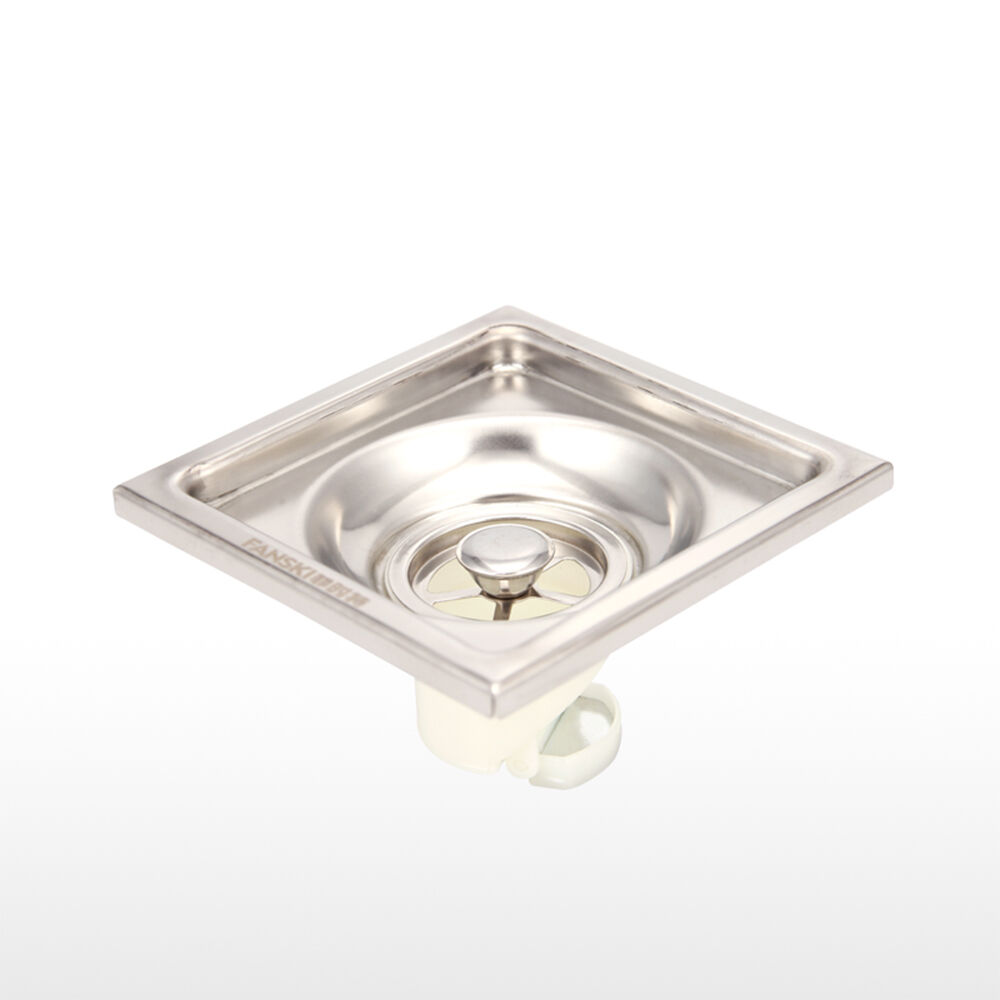
Maintaining optimal hygiene in commercial and residential spaces requires careful attention to every component of your drainage system. A properly functioning floor drain serves as the first line of defense against water accumulation, bacterial growth, and unpleasant odors that can compromise indoor air quality. When drainage systems fail to perform effectively, they create environments where harmful microorganisms thrive, potentially leading to health hazards and costly remediation efforts.
Understanding the critical role that drainage infrastructure plays in maintaining sanitary conditions becomes essential for facility managers, homeowners, and business operators. Modern floor drain technology has evolved significantly, incorporating advanced materials and design features that enhance both performance and hygiene standards. Regular assessment and timely replacement of aging drainage components can prevent serious contamination issues while ensuring compliance with health and safety regulations.
Critical Signs Indicating Floor Drain Replacement
Persistent Odor Issues
Unpleasant smells emanating from your floor drain system indicate serious underlying problems that compromise hygiene standards. These odors typically result from bacterial buildup, stagnant water, or damaged sealing mechanisms that allow sewer gases to escape into occupied spaces. When cleaning and maintenance efforts fail to eliminate persistent odors, replacement becomes necessary to restore proper sanitary conditions.
Professional drainage specialists recognize that odor problems often signal deeper structural issues within the floor drain assembly. Corroded components, damaged trap seals, or inadequate ventilation can create conditions where harmful gases accumulate and escape through compromised sealing systems. Modern replacement units incorporate enhanced sealing technologies and anti-odor features that effectively prevent gas migration while maintaining optimal drainage performance.
Visible Corrosion and Material Degradation
Extensive corrosion on floor drain components creates rough surfaces that harbor bacteria and make thorough cleaning impossible. Metal degradation compromises the structural integrity of drainage systems while creating microscopic crevices where pathogens can multiply rapidly. When corrosion becomes visible on drain grates, bodies, or connecting hardware, immediate replacement prevents further deterioration and associated hygiene risks.
Stainless steel floor drain systems offer superior resistance to corrosion compared to traditional materials, making them ideal for environments requiring strict hygiene standards. High-quality replacement units feature smooth, non-porous surfaces that resist bacterial adhesion and facilitate thorough sanitization. Investing in corrosion-resistant materials during replacement ensures long-term hygiene performance while reducing future maintenance requirements.
Health and Safety Considerations
Bacterial Growth Prevention
Compromised floor drain systems create ideal breeding grounds for dangerous bacteria, including E. coli, Salmonella, and Legionella species that pose serious health risks to building occupants. Standing water, organic debris accumulation, and inadequate drainage flow provide nutrients and moisture necessary for rapid bacterial multiplication. Replacing deteriorated drainage components eliminates these contamination sources while establishing proper water management protocols.
Modern floor drain designs incorporate features specifically engineered to minimize bacterial growth opportunities. Self-cleaning mechanisms, improved water flow patterns, and antimicrobial surface treatments work together to create hostile environments for pathogenic organisms. Regular replacement of aging systems with these advanced technologies significantly reduces infection risks while maintaining consistently high hygiene standards.
Compliance with Health Regulations
Food service establishments, healthcare facilities, and other regulated industries must maintain drainage systems that meet strict hygiene requirements established by health departments and regulatory agencies. Outdated floor drain installations often fail to meet current standards, potentially resulting in compliance violations, fines, or operational shutdowns during inspections.
Proactive replacement of aging drainage infrastructure demonstrates commitment to maintaining regulatory compliance while protecting public health. Contemporary floor drain systems are designed to exceed current hygiene standards, incorporating features that facilitate thorough cleaning, prevent cross-contamination, and maintain optimal sanitary conditions. Investment in compliant replacement systems protects against regulatory penalties while enhancing operational reliability.
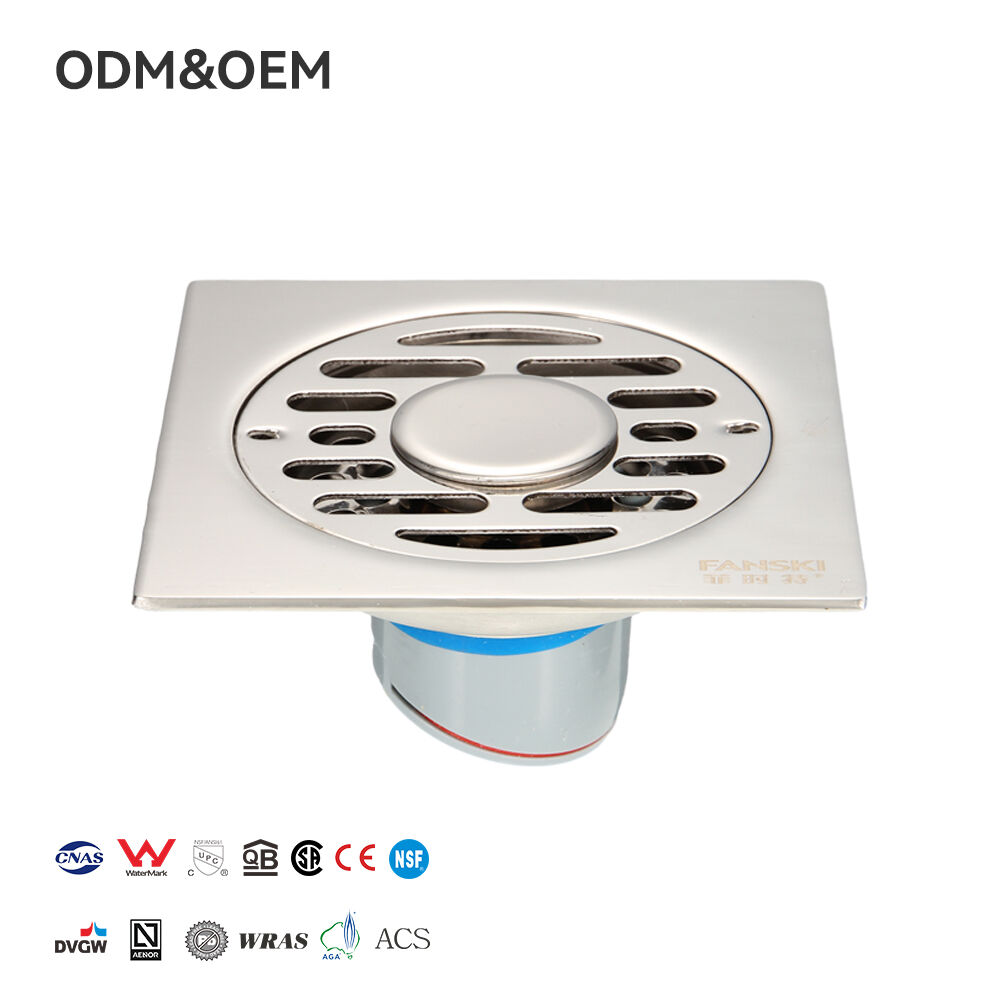
Performance and Efficiency Improvements
Enhanced Drainage Capacity
Aging floor drain systems often experience reduced flow capacity due to internal corrosion, debris accumulation, or structural damage that restricts water movement. Poor drainage performance leads to standing water conditions that promote bacterial growth and create slip hazards in commercial environments. Replacing inefficient systems with properly sized, modern units ensures optimal water removal while maintaining dry, sanitary floor surfaces.
Contemporary floor drain engineering focuses on maximizing flow efficiency through improved inlet designs, larger diameter connections, and streamlined internal geometries. These enhancements enable faster water removal during cleaning operations and emergency situations while reducing the likelihood of overflow conditions. Upgraded drainage capacity directly contributes to improved hygiene by eliminating moisture retention that supports microbial growth.
Maintenance Accessibility
Older floor drain installations frequently feature designs that make routine cleaning and maintenance difficult, leading to neglect and gradual hygiene deterioration. Inaccessible components, complicated disassembly procedures, or poorly positioned elements discourage regular upkeep that is essential for maintaining sanitary conditions. Modern replacement systems prioritize maintenance accessibility through user-friendly designs and removable components.
Simplified maintenance procedures encourage consistent cleaning schedules that are crucial for preventing bacterial buildup and maintaining optimal hygiene standards. Contemporary floor drain systems feature easily removable grates, accessible trap chambers, and smooth internal surfaces that facilitate thorough cleaning operations. These design improvements reduce maintenance time and costs while ensuring consistent hygiene performance throughout the system's operational life.
Material and Technology Advantages
Stainless Steel Construction Benefits
Premium stainless steel floor drain systems offer exceptional resistance to chemical cleaning agents, temperature extremes, and physical wear that can compromise hygiene performance over time. Unlike traditional materials that develop rough surfaces and microscopic cracks where bacteria can hide, stainless steel maintains smooth, non-porous characteristics that resist contamination and facilitate effective sanitization procedures.
The inherent antimicrobial properties of high-grade stainless steel provide additional protection against bacterial growth while maintaining structural integrity under demanding operational conditions. This material choice proves particularly valuable in environments requiring frequent deep cleaning with harsh disinfectants or high-temperature sanitization processes. Long-term durability reduces replacement frequency while ensuring consistent hygiene performance throughout extended service periods.
Anti-Odor Technology Integration
Advanced floor drain systems incorporate specialized anti-odor technologies that prevent sewer gas migration and maintain pleasant indoor air quality. These systems utilize enhanced trap seal designs, improved ventilation features, and specialized barrier mechanisms that effectively contain odorous gases while maintaining optimal drainage flow. Technological improvements address common hygiene concerns associated with traditional drainage installations.
Modern anti-odor systems require minimal maintenance while providing consistent performance that supports overall hygiene objectives. Integrated features such as self-sealing mechanisms, enhanced water retention capabilities, and improved gas barrier systems work together to prevent contamination issues that compromise indoor air quality. Investment in these advanced technologies ensures long-term odor control while maintaining efficient drainage operations.
Installation Timing and Planning
Optimal Replacement Scheduling
Strategic timing of floor drain replacement projects minimizes operational disruption while ensuring continuous hygiene protection throughout the transition process. Scheduling replacement during planned maintenance periods, facility renovations, or low-activity periods allows for thorough installation without compromising daily operations. Professional planning ensures that temporary drainage solutions maintain sanitary conditions during replacement activities.
Coordinating floor drain replacement with other infrastructure improvements maximizes efficiency while reducing overall project costs and operational interruptions. Simultaneous upgrades to plumbing, flooring, or mechanical systems create opportunities for comprehensive hygiene improvements that address multiple contamination sources. Integrated planning approaches deliver superior results while minimizing disruption to critical business operations.
Professional Installation Considerations
Proper floor drain installation requires specialized knowledge of plumbing codes, drainage engineering principles, and hygiene requirements that ensure optimal system performance. Professional installers understand the critical importance of proper slope calculations, seal integrity, and connection procedures that prevent future contamination issues. Expert installation protects the significant investment in premium drainage components while ensuring reliable long-term performance.
Certified installation professionals provide valuable guidance regarding system selection, sizing calculations, and maintenance requirements that optimize hygiene performance. Their expertise helps identify potential complications before they become costly problems while ensuring compliance with applicable building codes and health regulations. Professional installation services include comprehensive testing and documentation that validates system performance and supports maintenance planning.
Cost-Benefit Analysis
Long-Term Hygiene Investment
While premium floor drain replacement systems require substantial initial investment, their superior hygiene performance and extended service life provide excellent long-term value compared to repeated repairs or emergency replacements of failing systems. High-quality materials and advanced engineering features reduce maintenance costs while preventing expensive contamination incidents that can damage business reputation and operational continuity.
The total cost of ownership for modern floor drain systems includes reduced cleaning time, lower maintenance expenses, and decreased risk of hygiene-related compliance violations. These operational savings accumulate over time, offsetting initial investment costs while providing superior performance and reliability. Strategic investment in quality drainage infrastructure protects against unexpected expenses while ensuring consistent hygiene standards.
Operational Efficiency Gains
Modern floor drain systems enhance operational efficiency through improved cleaning procedures, reduced maintenance requirements, and better integration with facility management systems. Streamlined designs facilitate faster cleaning operations while advanced materials resist wear and contamination that would otherwise require frequent attention. These efficiency improvements translate directly into reduced labor costs and improved productivity.
Enhanced drainage performance supports more effective cleaning protocols while reducing water usage and chemical consumption required for maintaining sanitary conditions. Improved system reliability minimizes unexpected maintenance interruptions that can disrupt operations and compromise hygiene standards. Investment in efficient drainage infrastructure creates measurable operational improvements that justify replacement costs through quantifiable savings and performance gains.
FAQ
How often should commercial floor drain systems be replaced
Commercial floor drain systems typically require replacement every 15-20 years under normal operating conditions, though high-usage environments may necessitate more frequent replacement. Factors including cleaning chemical exposure, water quality, and maintenance practices significantly influence replacement timing. Regular professional inspections help identify optimal replacement timing before hygiene performance deteriorates or compliance issues develop.
What are the main hygiene benefits of stainless steel floor drain systems
Stainless steel floor drain systems provide superior hygiene benefits through non-porous surfaces that resist bacterial adhesion, excellent chemical resistance for thorough sanitization, and inherent antimicrobial properties. These materials maintain smooth surfaces throughout their service life, preventing the development of rough areas where contaminants can accumulate. The durability and cleanability of stainless steel systems make them ideal for environments requiring strict hygiene standards.
Can floor drain replacement improve indoor air quality
Modern floor drain replacement significantly improves indoor air quality by eliminating odor sources, preventing sewer gas migration, and reducing moisture levels that support mold growth. Advanced sealing technologies and anti-odor features prevent contaminated air from entering occupied spaces while maintaining proper drainage function. Improved air quality contributes to healthier environments and enhanced occupant comfort.
What factors determine the appropriate floor drain size for replacement projects
Appropriate floor drain sizing depends on expected water flow volumes, cleaning requirements, local plumbing codes, and specific hygiene standards for the facility type. Professional assessment considers drainage area size, cleaning procedures, and peak flow conditions to determine optimal capacity requirements. Proper sizing ensures adequate drainage performance while preventing overflow conditions that compromise hygiene and safety.