
 EN
EN
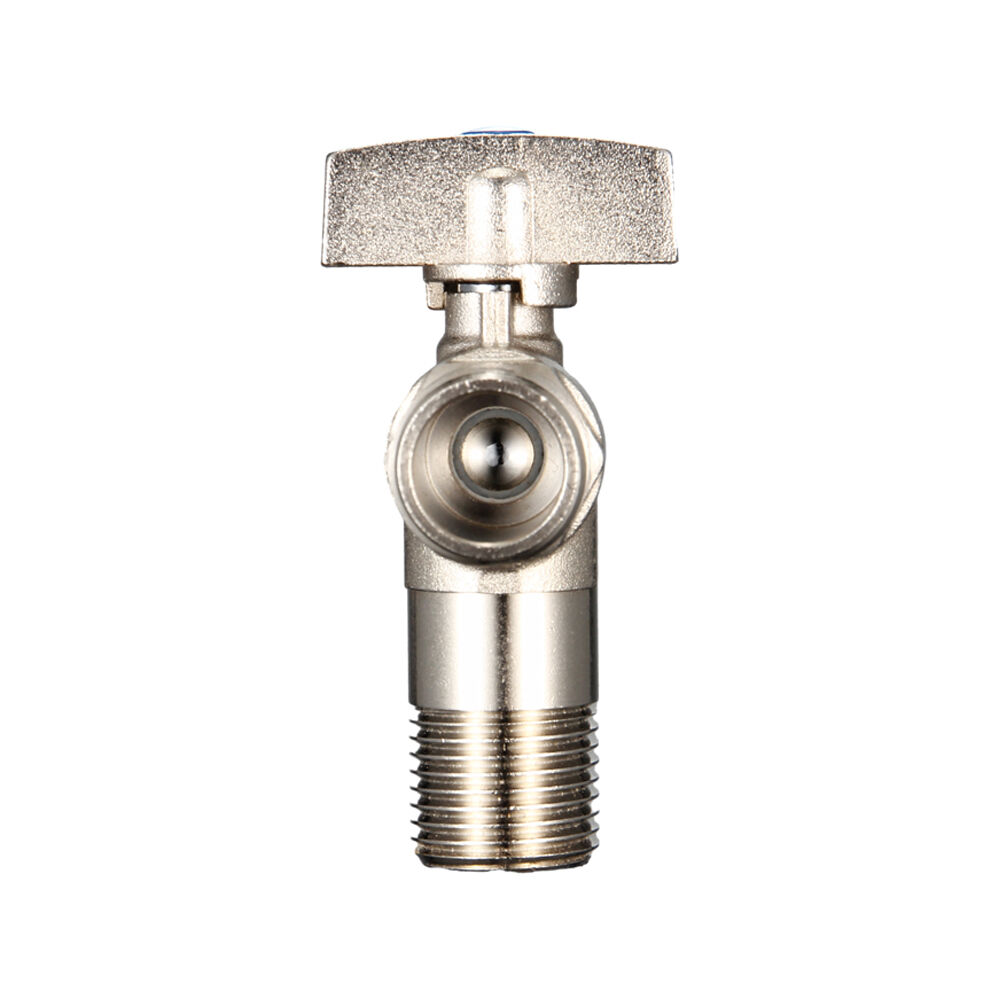
Industrial applications across various sectors rely heavily on efficient flow control mechanisms, with ball valve technology standing at the forefront of modern piping systems. These essential components have revolutionized how engineers approach fluid management, offering superior performance characteristics that distinguish them from traditional valve designs. Understanding the performance differences between various ball valve configurations is crucial for selecting the optimal solution for specific applications, whether in residential plumbing, commercial HVAC systems, or heavy industrial processes.
The fundamental design principle behind ball valve operation involves a spherical closure element that rotates within the valve body to control flow. This mechanism provides distinct advantages over gate valves, globe valves, and butterfly valves in terms of sealing performance, operational torque requirements, and maintenance intervals. Each ball valve type exhibits unique performance characteristics that make it suitable for specific operating conditions, pressure ranges, and fluid types.
Performance evaluation of ball valve systems encompasses multiple factors including flow coefficient, pressure drop characteristics, sealing integrity, operational lifespan, and maintenance requirements. These parameters vary significantly between different ball valve designs, influencing their suitability for particular applications and operating environments. The selection process requires careful consideration of these performance metrics to ensure optimal system efficiency and reliability.
Full Port Ball Valve Performance Characteristics
Full port ball valve designs feature an internal ball with a bore diameter matching the pipeline's internal diameter, creating an unobstructed flow path when fully opened. This configuration delivers exceptional flow performance with minimal pressure drop, making it ideal for applications requiring maximum flow capacity and minimal turbulence. The unrestricted flow path eliminates flow restrictions that could cause cavitation or excessive velocity in high-flow applications.
Flow Efficiency and Pressure Drop Analysis
The flow coefficient (Cv) of full port ball valve systems typically matches or exceeds that of equivalent straight pipe sections, resulting in negligible pressure losses during operation. This characteristic is particularly valuable in applications where energy efficiency is paramount, as reduced pressure drop translates directly to lower pumping costs and improved system efficiency. Full port designs maintain laminar flow characteristics even at high velocities, reducing wear on downstream components.
Pressure drop calculations for full port ball valve installations often show values less than 0.1 psi at typical operating velocities, compared to 2-5 psi for reduced port alternatives. This performance advantage becomes increasingly significant in long pipeline runs where cumulative pressure losses can substantially impact system performance. The smooth flow transition through full port ball valve assemblies also reduces noise generation and vibration transmission.
Sealing Performance and Durability
Full port ball valve designs incorporate robust sealing systems that maintain integrity across wide pressure and temperature ranges. The larger ball diameter provides increased sealing surface area, distributing contact stresses more evenly across the seat interface. This design characteristic contributes to extended service life and reduced leakage rates compared to smaller bore configurations.
Bubble-tight shutoff performance is consistently achievable with properly maintained full port ball valve systems, meeting or exceeding ANSI Class VI leakage requirements. The enhanced sealing geometry accommodates thermal expansion and contraction without compromising sealing integrity, making these valves suitable for applications with significant temperature variations. Advanced seat materials and surface treatments further enhance sealing performance and chemical compatibility.
Reduced Port Ball Valve Applications
Reduced port ball valve configurations feature internal bore diameters smaller than the connected pipeline, typically ranging from 70-85% of the pipe diameter. While this design creates some flow restriction, it offers advantages in terms of operating torque, cost, and compact installation requirements. The ball valve selection process must balance flow performance against these practical considerations.
Operating Torque and Actuation Requirements
Reduced port ball valve designs require significantly lower operating torques due to the smaller ball diameter and reduced fluid forces acting on the closure element. This characteristic enables the use of smaller, less expensive actuators and manual operators, reducing overall system cost and complexity. The torque reduction can be substantial, often 40-60% less than equivalent full port designs.
Manual operation becomes more practical with reduced port ball valve configurations, particularly in larger pipe sizes where full port designs would require excessive operator effort or mechanical advantage systems. This makes reduced port ball valve options attractive for applications requiring frequent manual operation or emergency shutdown capabilities. The lower torque requirements also reduce wear on operating mechanisms and extend maintenance intervals.
Cost-Performance Optimization
The manufacturing cost advantages of reduced port ball valve designs stem from smaller material requirements and simplified machining operations. The reduced ball size requires less expensive raw materials and shorter machining cycles, translating to lower procurement costs. These savings can be significant in large-scale projects where multiple ball valve installations are required.
Installation costs are also reduced due to lighter weight and more compact actuator requirements. The smaller overall envelope enables installation in space-constrained environments where full port alternatives might not fit. Maintenance costs tend to be lower due to reduced component sizes and simplified replacement procedures, although this must be balanced against potentially higher pressure losses in high-flow applications.
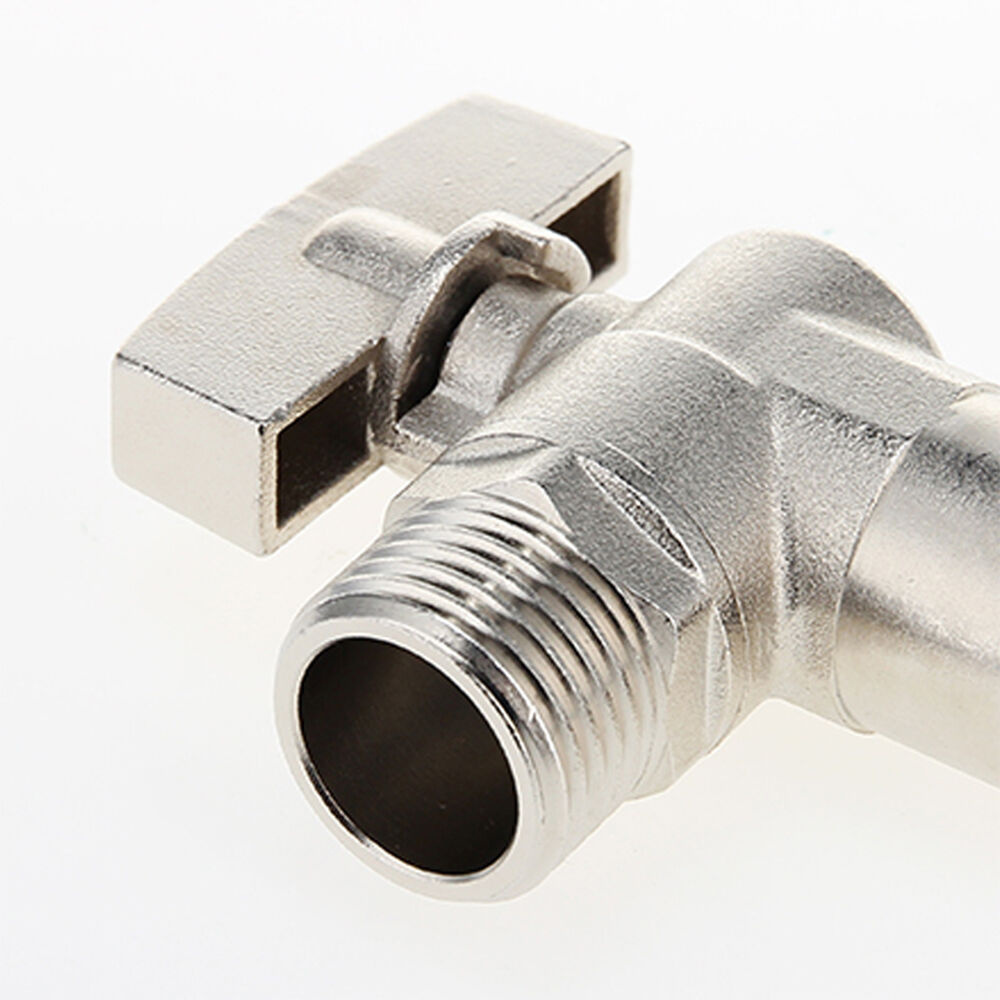
Three-Way Ball Valve Performance Features
Three-way ball valve systems provide flow diversion or mixing capabilities within a single valve body, offering significant advantages over multiple two-way valve arrangements. These configurations enable complex flow control scenarios including flow switching, proportional mixing, and bypass operations. The performance characteristics of three-way ball valve designs depend heavily on the internal flow path geometry and ball configuration.
Flow Pattern Control and Mixing Performance
L-port and T-port ball valve configurations offer different flow control capabilities, with T-port designs enabling simultaneous flow between multiple ports while L-port designs provide flow switching between alternate paths. The flow mixing performance of T-port ball valve systems can achieve homogeneous blending when properly designed for specific fluid properties and flow rates. Computational fluid dynamics analysis helps optimize internal geometries for specific mixing applications.
Flow coefficient calculations for three-way ball valve systems are more complex due to multiple flow paths and potential interference between streams. Pressure balancing becomes critical in applications where backpressure differences could affect flow distribution or create unwanted mixing effects. Proper sizing requires consideration of all possible flow scenarios and operating conditions.
Operational Flexibility and Control Range
Three-way ball valve designs offer exceptional operational flexibility, enabling system reconfiguration without additional piping modifications. The ability to redirect flow between multiple paths or create proportional mixing provides significant operational advantages in process applications. Control range and resolution depend on actuator precision and ball geometry, with specialized designs achieving fine control resolution.
Advanced three-way ball valve systems incorporate position feedback and automated control capabilities, enabling integration with distributed control systems for precise flow management. The wide control range available with properly designed systems enables turndown ratios exceeding 100:1 in some applications. Response time characteristics are generally superior to multiple valve arrangements due to single actuator operation.
High-Pressure Ball Valve Performance
High-pressure ball valve applications demand specialized design considerations to maintain performance and safety at elevated operating pressures. These systems typically operate at pressures exceeding 1500 psi, with some specialized designs capable of handling pressures up to 15,000 psi or higher. The performance characteristics of high-pressure ball valve systems differ significantly from standard pressure applications.
Pressure Rating and Structural Integrity
High-pressure ball valve designs incorporate enhanced body construction, typically utilizing forged or cast high-strength materials with increased wall thickness. The pressure-containing envelope must maintain structural integrity under maximum operating pressure plus safety margins, requiring careful stress analysis and material selection. Pressure testing protocols verify performance at pressures significantly exceeding normal operating conditions.
Sealing system design becomes critical at high pressures, as conventional elastomeric seals may extrude or fail under extreme pressure conditions. Metal-to-metal sealing systems or pressure-energized seal designs are often employed to maintain sealing integrity. The ball valve performance at high pressures requires specialized seat materials and surface treatments to achieve reliable shutoff.
Safety and Reliability Considerations
High-pressure ball valve operations require enhanced safety protocols and fail-safe design features to protect personnel and equipment. Pressure relief systems, blowout-proof stems, and fire-safe construction are typically required for high-pressure applications. Regular inspection and testing protocols ensure continued safe operation throughout the service life.
Reliability in high-pressure ball valve applications often exceeds requirements for standard pressure systems due to the critical nature of these applications. Enhanced quality control procedures, material traceability, and performance verification testing ensure consistent performance under demanding operating conditions. Preventive maintenance programs are typically more rigorous to prevent unexpected failures.
Temperature Performance Variations
Temperature effects significantly influence ball valve performance characteristics, with different designs exhibiting varying responses to thermal conditions. High-temperature applications require specialized materials and design considerations, while low-temperature service presents unique challenges related to material brittleness and thermal contraction. Understanding temperature-related performance variations is essential for proper ball valve selection and application.
High-Temperature Performance Characteristics
High-temperature ball valve applications typically involve operating temperatures exceeding 400°F, with specialized designs capable of handling temperatures up to 1000°F or higher. At elevated temperatures, material properties change significantly, affecting both mechanical strength and sealing performance. Thermal expansion effects must be accommodated in the design to maintain proper clearances and sealing contact.
Seat material selection becomes critical in high-temperature ball valve applications, as conventional elastomeric materials may degrade or lose sealing effectiveness. Metal seats, graphite-based seals, or specialized high-temperature polymers are often employed to maintain performance. The ball valve thermal cycling capability determines service life in applications with frequent temperature variations.
Cryogenic and Low-Temperature Applications
Low-temperature ball valve applications present unique challenges related to material selection and thermal stress management. At cryogenic temperatures, many materials become brittle and may fail catastrophically if not properly selected. Extended stem designs accommodate thermal contraction while maintaining operability and sealing integrity.
Insulation and heat tracing systems are often integrated with low-temperature ball valve installations to prevent freezing and maintain operability. Special consideration must be given to thermal shock resistance and the ability to function after extended cold soaking periods. Pre-cooling procedures may be required to prevent thermal shock during initial startup in cryogenic applications.
Material Selection Impact on Performance
Material selection profoundly influences ball valve performance characteristics including corrosion resistance, mechanical strength, temperature capability, and service life. Different materials exhibit varying performance characteristics under specific operating conditions, making material selection a critical factor in achieving optimal performance. The ball valve material compatibility with process fluids determines long-term reliability and maintenance requirements.
Metallic Material Performance Characteristics
Stainless steel ball valve construction provides excellent corrosion resistance and mechanical properties across a wide range of operating conditions. Different stainless steel grades offer varying performance characteristics, with austenitic grades providing superior corrosion resistance while martensitic grades offer enhanced mechanical strength. Duplex and super-duplex stainless steels combine high strength with exceptional corrosion resistance for demanding applications.
Carbon steel and low-alloy steel materials offer cost-effective solutions for non-corrosive applications with moderate temperature and pressure requirements. These materials provide excellent mechanical properties and weldability but require protective coatings or cathodic protection in corrosive environments. Proper material selection based on process conditions ensures optimal performance and service life.
Advanced Alloy and Coating Performance
Exotic alloys including Inconel, Hastelloy, and titanium provide superior performance in highly corrosive or extreme temperature applications. These materials command premium prices but offer unmatched performance in specialized applications where standard materials would fail. The ball valve performance in aggressive chemical environments often requires these advanced materials to achieve acceptable service life.
Surface treatments and coatings can significantly enhance ball valve performance by providing improved wear resistance, corrosion protection, or reduced friction. Hard chrome plating, carbide coatings, and specialized polymer coatings each offer specific performance advantages. Proper coating selection and application ensures optimal performance enhancement without compromising base material properties.
FAQ
What factors determine the optimal ball valve type for specific applications
The selection of optimal ball valve types depends on several critical factors including flow requirements, pressure ratings, temperature ranges, fluid compatibility, and operational preferences. Full port designs excel in applications requiring maximum flow with minimal pressure drop, while reduced port configurations offer cost advantages and lower operating torque. Three-way ball valve systems provide flow diversion capabilities, and specialized designs accommodate extreme pressure or temperature conditions. Proper evaluation of these factors ensures optimal performance and cost-effectiveness.
How does ball valve performance compare to other valve types in terms of efficiency
Ball valve performance typically exceeds other valve types in terms of flow efficiency, sealing reliability, and operational simplicity. Compared to gate valves, ball valve designs offer faster operation and better shutoff performance. Globe valves provide better throttling control but at the cost of higher pressure drop. Butterfly valves offer compact installation but with reduced sealing performance. The quarter-turn operation and excellent sealing characteristics make ball valve systems preferred for most on-off applications requiring reliable performance.
What maintenance requirements affect long-term ball valve performance
Long-term ball valve performance depends on regular maintenance including periodic operation to prevent seat sticking, seal replacement based on service conditions, and inspection for external leakage or corrosion. Lubrication of operating mechanisms extends service life and ensures smooth operation. High-cycle applications may require more frequent maintenance, while standby service valves need periodic exercising to maintain functionality. Proper maintenance scheduling based on operating conditions optimizes performance and prevents unexpected failures.
How do environmental conditions impact different ball valve performance characteristics
Environmental conditions significantly influence ball valve performance through effects on materials, sealing systems, and operating mechanisms. Extreme temperatures require specialized materials and design considerations to maintain functionality. Corrosive atmospheres necessitate enhanced material selection and protective coatings. Vibration and shock loading affect seal integrity and operating mechanism durability. Marine and offshore environments present unique challenges requiring specialized designs to ensure reliable long-term performance under harsh conditions.
Table of Contents
- Full Port Ball Valve Performance Characteristics
- Reduced Port Ball Valve Applications
- Three-Way Ball Valve Performance Features
- High-Pressure Ball Valve Performance
- Temperature Performance Variations
- Material Selection Impact on Performance
-
FAQ
- What factors determine the optimal ball valve type for specific applications
- How does ball valve performance compare to other valve types in terms of efficiency
- What maintenance requirements affect long-term ball valve performance
- How do environmental conditions impact different ball valve performance characteristics