
 EN
EN
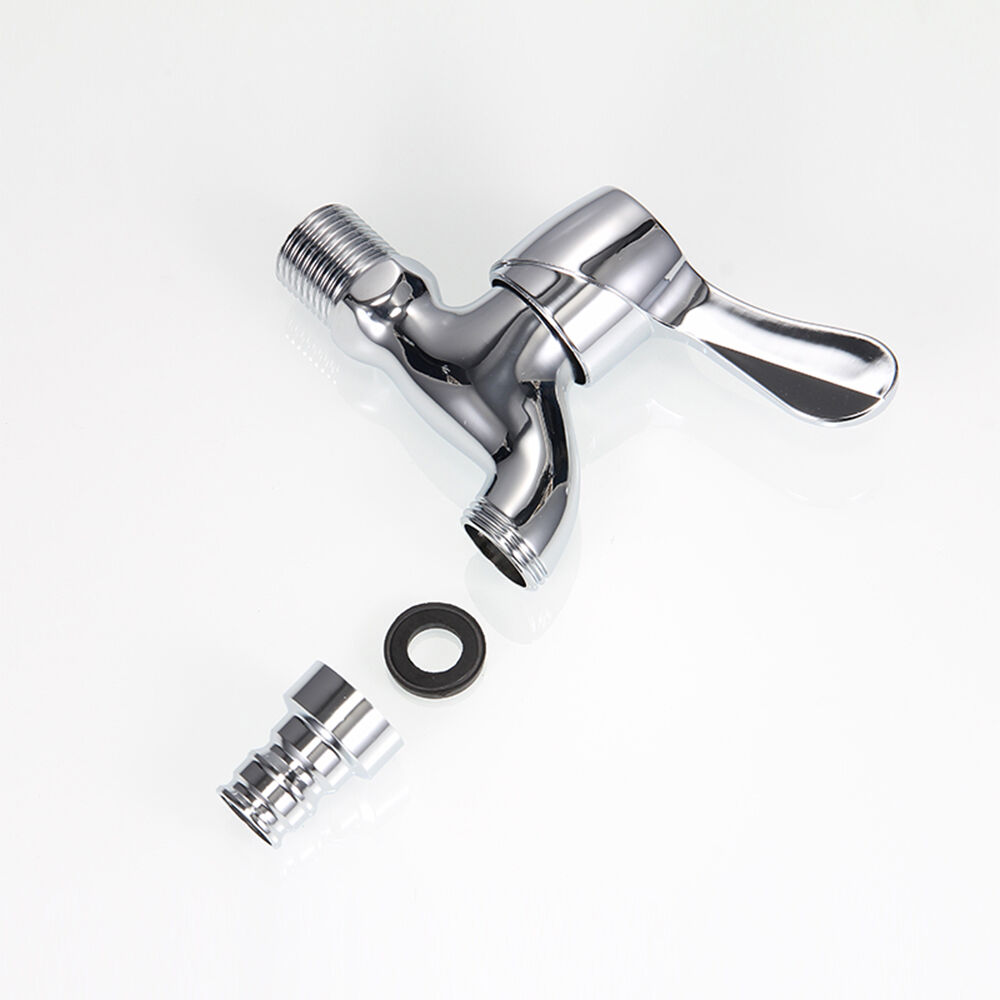
Choosing the right Bib Cock is one of the most practical decisions you can make for any residential or commercial plumbing setup. A Bib Cock that leaks wastes water, inflates utility bills, and causes long-term structural damage to walls and floors. Whether you are installing a new Bib Cock in a garden area, utility room, or bathroom wall, understanding what separates a reliable Bib Cock from a failing one will save you significant time, money, and frustration down the road.
A Bib Cock is a wall-mounted water outlet valve with a horizontal inlet and a downward-facing spout. The Bib Cock design makes it ideal for controlled water delivery in outdoor and indoor settings alike. Because a Bib Cock is subject to repeated daily use, pressure fluctuations, and exposure to temperature changes, its material quality and internal valve mechanism directly determine how long it will remain leak-free. This guide walks you through the core selection criteria that ensure your Bib Cock performs reliably for years without dripping or leaking.
Material Quality and Body Construction
Why Brass Remains the Standard for a Bib Cock
The body material of a Bib Cock plays the most significant role in determining its durability and leak resistance. Brass is widely considered the industry benchmark for Bib Cock construction because it resists corrosion, tolerates high water pressure, and maintains dimensional stability over years of use. A brass Bib Cock does not crack under thermal expansion the way cheaper zinc-alloy or plastic alternatives often do. When a Bib Cock body develops micro-cracks from thermal stress, leaks at the wall connection or spout become almost inevitable.
When evaluating a Bib Cock, look for a full brass body rather than a brass-coated exterior over a weaker core. A high-quality Bib Cock will have consistent wall thickness throughout the body, which prevents pressure-related failures at the threading joints. Some Bib Cock models also include an ABS handle rather than a metal handle, which reduces weight and resists surface corrosion without affecting the structural integrity of the valve itself. The combination of a brass Bib Cock body and a well-fitted ABS handle delivers both durability and ease of operation in everyday use.
Surface Finish and Corrosion Resistance
Beyond the base material, the surface finish of a Bib Cock affects its long-term resistance to oxidation and staining. A chrome-plated or nickel-plated Bib Cock offers a protective outer layer that slows the effects of moisture and mineral deposits. When the surface coating on a Bib Cock begins to fail, underlying metal can corrode and eventually compromise the seal between the valve body and the wall fitting. Always check that the Bib Cock finish is electroplated evenly and rated for outdoor or humid indoor environments if that is where the Bib Cock will be installed.
Valve Mechanism and Internal Seal Design
Ceramic Disc Versus Rubber Washer in a Bib Cock
The internal valve mechanism is the heart of any Bib Cock, and it is also the most common source of leaks. Traditional Bib Cock models rely on a rubber washer that presses against a brass seat to stop water flow. Over time, this rubber washer in a Bib Cock wears down, hardens, or becomes distorted, leading to the familiar dripping that signals a failing seal. Replacing the washer can temporarily fix the problem, but repeated replacement indicates that the Bib Cock design is not suited for high-use environments.
A ceramic disc Bib Cock offers a superior alternative. The ceramic disc inside this type of Bib Cock creates an ultra-smooth sealing surface that resists wear far better than rubber. A ceramic-disc Bib Cock typically requires only a quarter-turn to fully open or close, reducing mechanical stress with every operation. For locations where the Bib Cock will be used frequently, such as garden hose connections or utility wash areas, a ceramic-disc Bib Cock is the more reliable and long-lasting choice. Always verify the disc quality rating of any Bib Cock you consider, as low-grade ceramic discs can still chip or crack under hard water conditions.
Thread Sealing and Connection Integrity
Even the highest-quality Bib Cock valve body will leak if the wall connection is poorly sealed. The threaded inlet of a Bib Cock must be wrapped with PTFE tape or fitted with a rubber gasket to prevent water seepage at the joint. A Bib Cock with precisely machined threads will accept a tighter, more consistent seal than one with uneven thread cuts. Before purchasing a Bib Cock, verify that the inlet thread standard matches your plumbing system, typically BSP or NPT, to ensure a proper fit that eliminates installation-stage leaks from the start.
Flow Performance and Practical Suitability
Aerated Stream Output for Water Efficiency
A leak-proof Bib Cock is not only about stopping unwanted water loss at the valve. It also means delivering water efficiently and consistently when the Bib Cock is open. A Bib Cock equipped with an aerator mixes air into the water stream, producing a soft, steady flow that reduces splashing and conserves water without reducing perceived pressure. This feature is especially valuable in a Bib Cock installed near wash basins or drinking water points where controlled flow prevents overspray and water waste.
High water flow performance in a Bib Cock also depends on the internal bore diameter and the smoothness of the flow path. A Bib Cock with a restricted or rough internal passage will create turbulence that accelerates wear on the seals over time. When comparing Bib Cock options, look for models that specify a smooth bore design alongside a drip-free guarantee. A Bib Cock that combines high flow with a leak-proof seal gives you the best balance of performance and reliability for long-term installations.
Drinking Water Safety Compliance
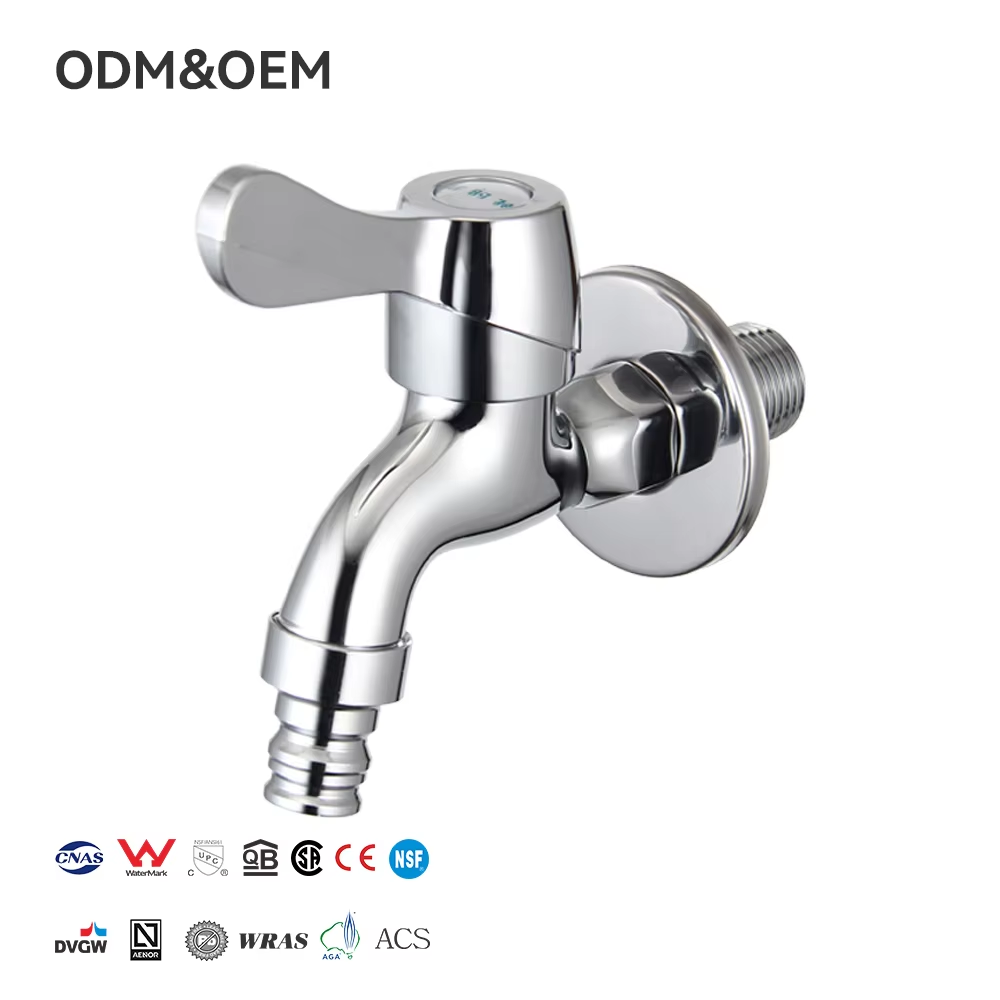
If the Bib Cock will be used for drinking water, material safety compliance is non-negotiable. A Bib Cock intended for potable water must be made from lead-free brass and must not leach harmful substances into the water supply. Certified Bib Cock products for drinking water use will typically carry relevant safety marks or compliance declarations from the manufacturer. Using a non-compliant Bib Cock on a drinking water line is both a health risk and a regulatory concern. Always confirm that the Bib Cock you select is explicitly rated safe for drinking water if that is part of its intended application.
FAQ
What is the most common reason a Bib Cock starts to leak?
The most common reason a Bib Cock leaks is wear or damage to the internal sealing component, either a rubber washer or a ceramic disc. As the Bib Cock is opened and closed repeatedly over time, the sealing surface degrades and can no longer maintain a watertight closure. Choosing a Bib Cock with a high-quality ceramic disc and a well-machined seat significantly reduces this risk.
How often should I inspect a Bib Cock for signs of wear?
A Bib Cock installed in a high-use area should be visually inspected at least once every six months. Look for drips at the spout when the Bib Cock is closed, moisture at the wall joint, or difficulty turning the handle. Catching early wear signs in a Bib Cock before they develop into full leaks allows for simple washer or cartridge replacement rather than a complete Bib Cock unit replacement.
Can a Bib Cock be used for both indoor and outdoor applications?
Yes, a Bib Cock is suitable for both indoor and outdoor use, provided you select the appropriate model for the environment. An outdoor Bib Cock should be made from corrosion-resistant brass with a durable surface finish to withstand weather exposure. An indoor Bib Cock for utility or bathroom use can prioritize finish aesthetics alongside functional durability. Always match the Bib Cock specification to the specific demands of its installation environment.