
 EN
EN
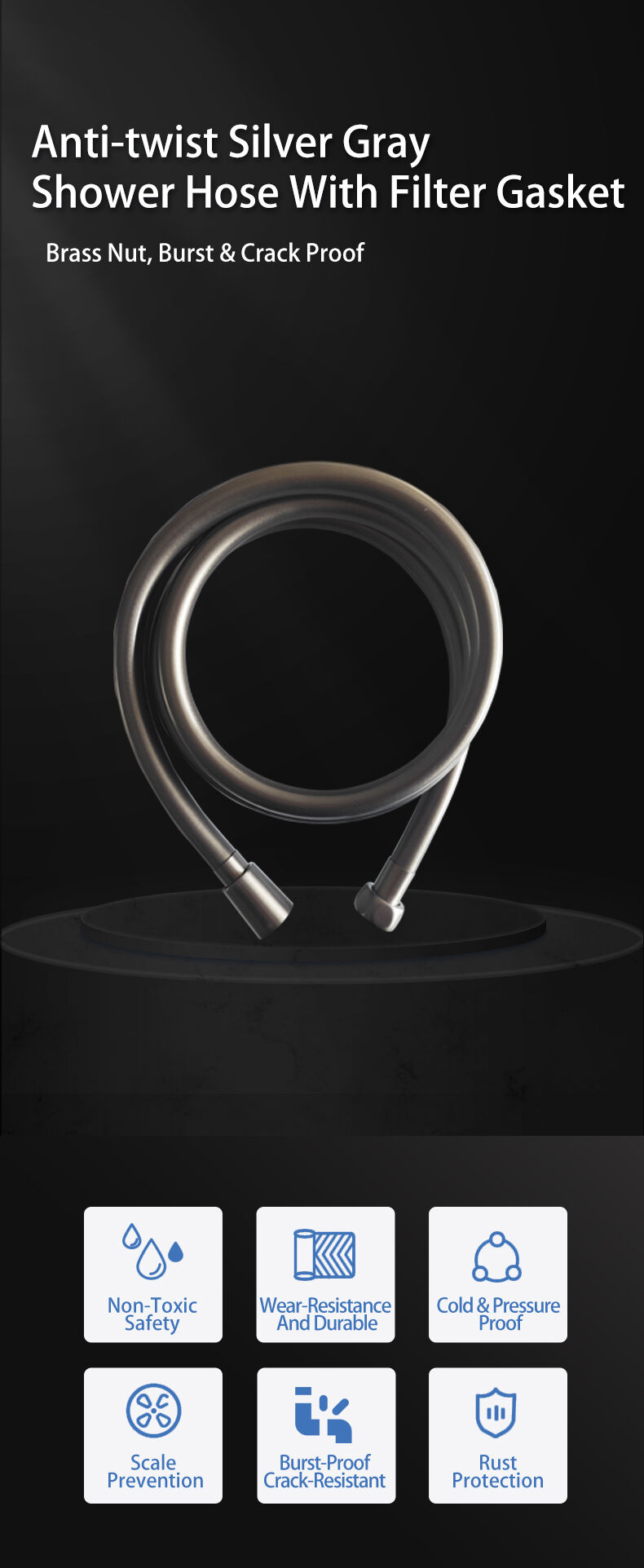
Selecting the appropriate PVC hose for your specific application requires careful consideration of multiple factors that directly impact performance, durability, and cost-effectiveness. Whether you're working on plumbing installations, industrial applications, or residential projects, understanding the key characteristics of PVC hose systems will ensure you make an informed decision that meets your requirements while providing long-term reliability.
Understanding PVC Hose Construction and Materials
Core Material Properties
PVC hose construction begins with high-quality polyvinyl chloride compounds that determine the hose's fundamental characteristics. The material composition affects flexibility, chemical resistance, temperature tolerance, and overall service life. Premium PVC hose products incorporate plasticizers and stabilizers that enhance performance across various operating conditions. These additives ensure the hose maintains its structural integrity while providing the flexibility needed for different installation scenarios.
The molecular structure of PVC allows manufacturers to create hoses with varying degrees of rigidity and flexibility. This versatility makes PVC hose suitable for applications ranging from rigid ducting systems to flexible plumbing connections. Understanding these material properties helps you select a hose that matches your specific operational requirements while ensuring optimal performance throughout its service life.
Reinforcement Options and Benefits
Modern PVC hose designs often incorporate reinforcement layers that significantly enhance performance characteristics. Steel wire reinforcement provides excellent crush resistance and maintains the hose's shape under vacuum conditions. Textile braiding offers improved flexibility while maintaining adequate pressure ratings for most applications. Some specialized PVC hose products feature multiple reinforcement layers that combine different materials to optimize specific performance attributes.
The choice of reinforcement directly impacts the hose's pressure rating, bend radius, and resistance to external forces. Unreinforced PVC hose typically serves low-pressure applications where flexibility is paramount, while heavily reinforced versions handle high-pressure industrial applications. Evaluating your pressure requirements and installation constraints helps determine the appropriate reinforcement level for your PVC hose selection.
Pressure and Temperature Considerations
Working Pressure Requirements
Determining the correct working pressure for your PVC hose application requires understanding both the maximum system pressure and safety factors. Standard PVC hose products typically handle working pressures from 50 to 300 PSI, depending on their construction and reinforcement. High-pressure applications may require specialized PVC hose designs with enhanced reinforcement or alternative materials that provide superior pressure resistance.
Safety factors typically range from 3:1 to 4:1, meaning the burst pressure should be three to four times higher than the working pressure. This safety margin accounts for pressure spikes, temperature variations, and aging effects that can impact hose performance. When selecting a PVC hose, always verify that the working pressure rating exceeds your maximum system pressure by an appropriate safety margin.
Temperature Range and Thermal Cycling
Temperature significantly affects PVC hose performance, flexibility, and service life. Standard PVC hose operates effectively within temperatures ranging from -10°F to 150°F, though specific formulations may extend these ranges. Cold temperatures can make PVC hose rigid and prone to cracking, while excessive heat can cause softening and potential failure. Understanding your operating temperature range ensures proper PVC hose selection for reliable long-term performance.
Thermal cycling, where temperatures fluctuate regularly, presents additional challenges for PVC hose systems. Repeated expansion and contraction can stress the material and connections, potentially leading to premature failure. Applications with significant temperature variations may benefit from PVC hose formulations specifically designed to handle thermal cycling or alternative materials with superior thermal stability.
Chemical Compatibility and Fluid Handling
Chemical Resistance Properties
PVC hose exhibits excellent resistance to many chemicals, making it suitable for diverse fluid handling applications. The material resists acids, bases, salts, and many organic compounds, though specific compatibility depends on concentration, temperature, and exposure duration. Before selecting a Pvc hose for chemical applications, consult comprehensive compatibility charts that detail the material's performance with specific chemicals.
Some chemicals can cause PVC hose degradation through swelling, softening, or embrittlement. Aromatic hydrocarbons, ketones, and certain chlorinated solvents can particularly affect PVC performance. Understanding these limitations helps prevent costly failures and ensures safe operation in chemical handling applications. When chemical compatibility is uncertain, consider testing samples under actual operating conditions before full implementation.
Food Grade and Potable Water Applications
Food grade PVC hose meets strict regulatory requirements for contact with consumable products. These specialized formulations eliminate potentially harmful additives while maintaining the performance characteristics needed for food processing applications. FDA and NSF certifications validate that the PVC hose meets safety standards for food contact, providing confidence in applications involving beverages, processed foods, and agricultural products.
Potable water applications require PVC hose products that meet drinking water safety standards. These hoses undergo rigorous testing to ensure they don't impart taste, odor, or harmful substances to the water supply. Many municipal and commercial water systems rely on certified PVC hose products for temporary connections, emergency repairs, and specialized applications where traditional piping isn't practical.
Size Selection and Flow Characteristics
Internal Diameter and Flow Rate
Proper PVC hose sizing directly impacts system efficiency, pressure drop, and flow characteristics. Internal diameter determines the maximum flow capacity, while length affects total pressure loss through friction. Standard PVC hose sizes range from 1/4 inch to 12 inches in diameter, with each size optimized for specific flow ranges and applications. Undersized hoses create excessive pressure drop and reduce system efficiency, while oversized hoses increase costs without providing proportional benefits.
Flow velocity recommendations typically range from 3 to 8 feet per second for most PVC hose applications. Higher velocities can cause erosion and noise, while lower velocities may allow particle settling in some applications. Calculating the required flow rate and selecting appropriate PVC hose dimensions ensures optimal system performance while minimizing operational costs and maintenance requirements.
Bend Radius and Installation Flexibility
Minimum bend radius specifications prevent kinking and ensure proper flow characteristics throughout the PVC hose length. Each hose design has specific bend radius requirements that vary based on construction, reinforcement, and diameter. Violating these specifications can cause permanent deformation, reduced flow capacity, and premature failure. Planning installation routes that accommodate the PVC hose bend radius requirements prevents these issues while ensuring reliable operation.
Installation flexibility becomes particularly important in confined spaces or applications requiring frequent repositioning. Some PVC hose designs prioritize flexibility over other characteristics, making them ideal for applications where tight bends or frequent movement is necessary. Balancing flexibility requirements with other performance needs helps identify the most suitable PVC hose configuration for specific applications.
Connection Methods and Fittings
Coupling Systems and Compatibility
PVC hose connection methods vary significantly based on application requirements, pressure ratings, and installation constraints. Barbed fittings provide economical connections for low-pressure applications, while threaded couplings offer more secure connections for higher pressures. Quick-disconnect fittings enable rapid connection and disconnection, making them ideal for portable equipment and maintenance applications.
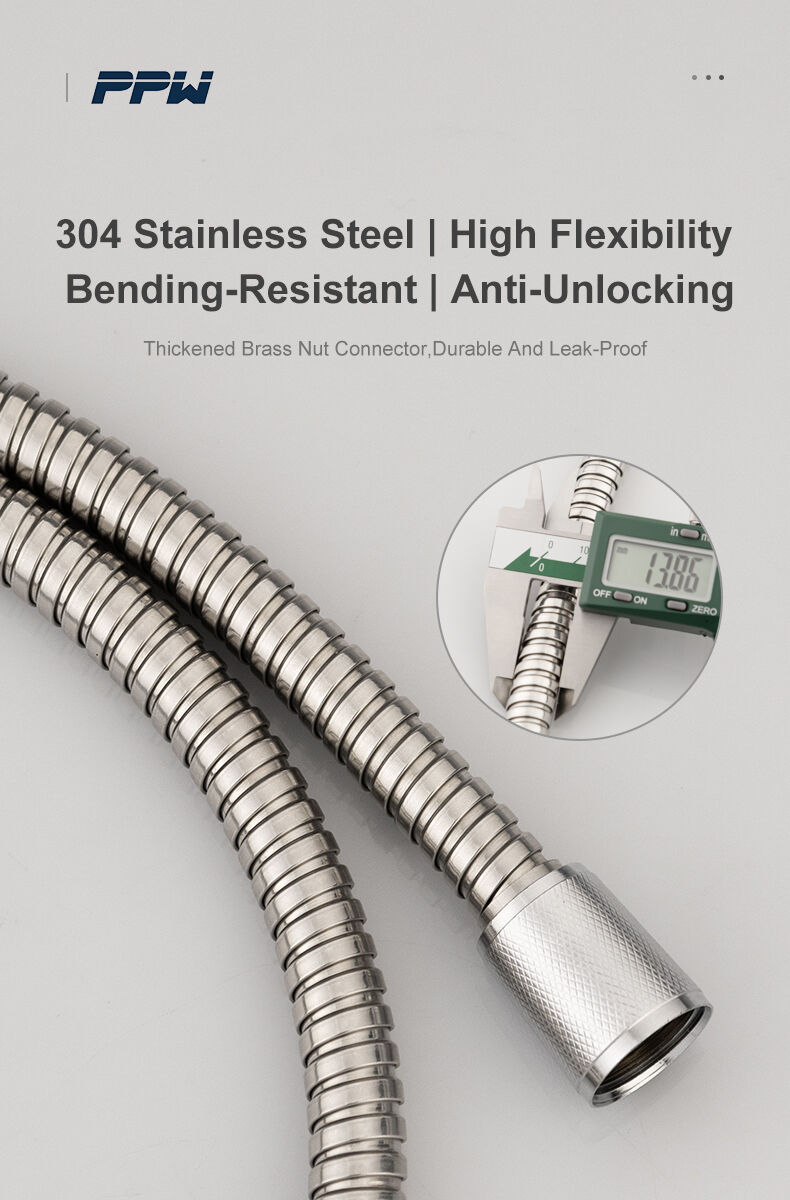
Fitting material compatibility ensures reliable connections that won't corrode or degrade over time. Stainless steel, brass, and engineered plastics each offer specific advantages depending on the application environment. The PVC hose end configuration must match the fitting design to create proper sealing and secure attachment. Consider both initial installation requirements and long-term maintenance needs when selecting coupling systems for PVC hose applications.
Sealing and Leak Prevention
Effective sealing prevents leaks that can cause system inefficiency, environmental contamination, and safety hazards. O-ring seals, gaskets, and thread sealants each play important roles in creating leak-free PVC hose connections. The sealing method must be compatible with both the hose material and the conveyed fluid to ensure long-term reliability.
Regular inspection and maintenance of PVC hose connections help identify potential leak sources before they become serious problems. Visual inspection for signs of wear, corrosion, or damage should be part of routine maintenance procedures. Proper torque specifications for threaded connections and appropriate clamp pressures for barbed fittings ensure optimal sealing without damaging the hose or fittings.
Quality Standards and Certifications
Industry Standards Compliance
Quality PVC hose products comply with relevant industry standards that define performance requirements, testing procedures, and safety specifications. ASTM, ISO, and SAE standards provide frameworks for evaluating hose performance across different applications. These standards ensure consistent quality and performance characteristics that enable reliable specification and procurement of PVC hose products.
Compliance verification through third-party testing provides additional assurance of product quality and performance. Independent testing laboratories evaluate PVC hose products against established standards, providing documentation that supports specification compliance. This verification becomes particularly important for critical applications where hose failure could result in significant costs or safety risks.
Manufacturing Quality Control
Manufacturing quality control processes directly impact PVC hose reliability and consistency. Advanced manufacturing facilities implement comprehensive quality management systems that monitor raw materials, production processes, and finished products. Statistical process control techniques help identify variations that could affect hose performance, enabling corrective actions before defective products reach customers.
Traceability systems allow manufacturers to track PVC hose products from raw materials through delivery, enabling rapid response to quality issues if they arise. Batch records, test data, and production documentation provide the information needed to investigate problems and implement improvements. Selecting suppliers with robust quality systems helps ensure consistent PVC hose performance across multiple orders and extended time periods.
Cost Analysis and Value Engineering
Initial Cost Versus Lifecycle Value
PVC hose selection requires balancing initial purchase costs against long-term value considerations. Premium hose products with enhanced materials and construction typically command higher prices but may provide superior performance and longer service life. Lifecycle cost analysis considers purchase price, installation costs, maintenance requirements, and replacement frequency to determine the most economical choice for specific applications.
Failure costs can significantly exceed the initial PVC hose purchase price, particularly in critical applications where downtime is expensive. High-quality hose products with appropriate safety margins and proven reliability may justify higher initial costs through reduced failure risk and maintenance requirements. Evaluating total cost of ownership rather than just purchase price leads to more informed PVC hose selection decisions.
Bulk Purchasing and Inventory Considerations
Bulk purchasing strategies can reduce PVC hose costs through volume discounts and reduced ordering expenses. However, inventory carrying costs and potential obsolescence must be considered when determining optimal order quantities. Standardizing on fewer PVC hose specifications can simplify procurement and reduce inventory requirements while still meeting most application needs.
Supplier partnerships can provide additional value through technical support, inventory management services, and preferential pricing. Long-term relationships with qualified PVC hose suppliers enable better planning, improved availability, and access to new products and technologies. These partnerships become particularly valuable for organizations with ongoing hose requirements and complex specifications.
FAQ
What is the typical lifespan of a PVC hose in normal applications
The lifespan of a PVC hose varies significantly based on operating conditions, fluid compatibility, and quality of installation. Under normal conditions with proper installation and maintenance, quality PVC hose can last 5 to 10 years in continuous service. Factors such as temperature extremes, chemical exposure, UV radiation, and mechanical stress can reduce service life. Regular inspection and adherence to manufacturer specifications help maximize hose longevity and identify replacement needs before failure occurs.
Can PVC hose be repaired if it develops leaks or damage
PVC hose can often be repaired depending on the location and extent of damage. Small punctures or cuts can sometimes be sealed using appropriate repair compounds or patches designed for PVC materials. However, repairs near fittings, in high-stress areas, or involving significant damage are generally not recommended due to reliability concerns. Replacement is typically the preferred solution for damaged PVC hose to ensure continued safe and reliable operation.
How do I determine if my application requires reinforced or unreinforced PVC hose
The need for reinforced PVC hose depends primarily on operating pressure, vacuum conditions, and external stress factors. Applications with working pressures above 50 PSI typically benefit from reinforced construction. Vacuum applications or installations where the hose may be subjected to crushing forces also require reinforcement. Consider factors such as bend radius requirements, temperature cycling, and installation environment when choosing between reinforced and unreinforced PVC hose options.
What maintenance practices help extend PVC hose service life
Regular maintenance practices significantly extend PVC hose service life and improve reliability. Visual inspection for signs of wear, cracking, or swelling should be performed monthly or according to operational requirements. Verify that operating pressures and temperatures remain within specified limits. Check connections for leaks and proper torque. Protect hoses from UV exposure, sharp edges, and excessive heat sources. Keep accurate records of installation dates and maintenance activities to support replacement planning and identify recurring issues.