
 EN
EN
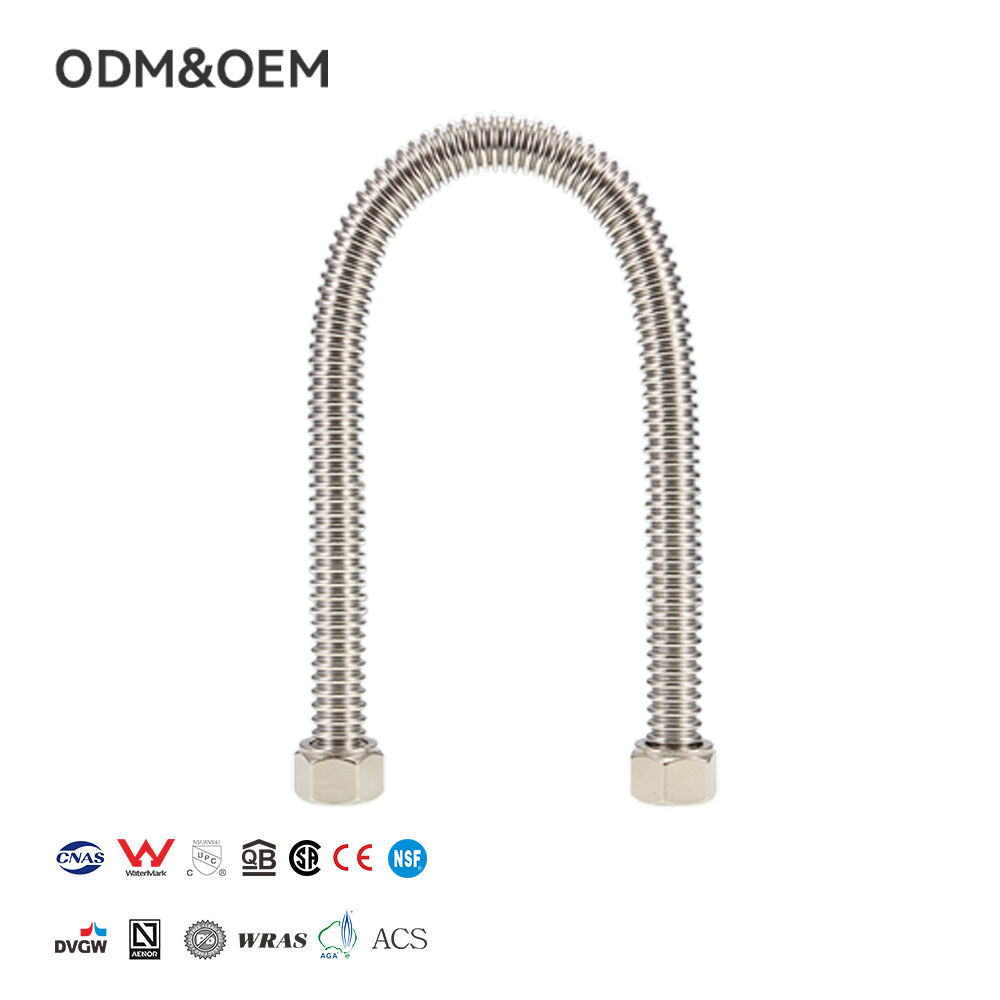
Selecting the appropriate corrugated hose for industrial and residential applications requires careful consideration of multiple factors that directly impact system performance and longevity. The unique design characteristics of corrugated hose technology provide exceptional flexibility and pressure resistance, making these components essential for countless piping systems across various industries. Understanding the fundamental properties and specifications of different corrugated hose types ensures optimal performance in demanding operational environments.
Modern corrugated hose assemblies incorporate advanced materials and manufacturing techniques that deliver superior reliability compared to traditional rigid piping solutions. The corrugated structure allows for thermal expansion compensation while maintaining structural integrity under varying pressure conditions. Professional engineers and system designers increasingly rely on corrugated hose technology to address complex installation challenges where standard piping methods prove inadequate or impractical.
Material Selection Considerations
Stainless Steel Corrugated Hose Applications
Stainless steel represents the premium material choice for corrugated hose construction due to its exceptional corrosion resistance and temperature tolerance capabilities. The 304-grade stainless steel composition provides excellent compatibility with water, steam, and various chemical media commonly encountered in industrial processes. This material selection ensures long-term durability while maintaining flexibility throughout the operational lifespan of the corrugated hose assembly.
The manufacturing process for stainless steel corrugated hose involves precision forming techniques that create consistent wall thickness and optimal flexibility characteristics. Quality control measures during production ensure that each corrugated hose meets stringent pressure rating requirements and maintains dimensional accuracy. Professional installation teams prefer stainless steel corrugated hose solutions for critical applications where reliability cannot be compromised.
Alternative Material Options
While stainless steel dominates high-performance applications, other materials offer cost-effective solutions for specific corrugated hose requirements. Carbon steel variants provide adequate performance for lower-pressure applications where corrosion resistance is less critical. Specialized alloy compositions address unique environmental conditions that standard corrugated hose materials cannot withstand effectively.
Polymer-based corrugated hose options serve lightweight applications where metal construction proves unnecessarily heavy or expensive. These alternative materials maintain the flexibility advantages of traditional corrugated hose design while offering enhanced chemical compatibility in certain applications. Material selection ultimately depends on specific system requirements and operational parameters that define corrugated hose performance expectations.
Pressure Rating and Size Specifications
Understanding Pressure Classifications
Proper pressure rating selection forms the foundation of safe corrugated hose system design and operation. Standard pressure classifications range from low-pressure residential applications to high-pressure industrial processes requiring specialized corrugated hose construction. Engineering calculations must account for both static and dynamic pressure variations that occur during normal system operation.
The relationship between corrugated hose diameter and pressure capability follows established engineering principles that govern flexible piping design. Smaller diameter corrugated hose assemblies typically support higher pressure ratings due to reduced wall stress concentrations. System designers must balance flow requirements against pressure limitations when specifying corrugated hose dimensions for specific applications.
Dimensional Accuracy Requirements
Precise dimensional control ensures proper corrugated hose integration with existing piping systems and mechanical connections. Length specifications must accommodate thermal expansion while maintaining adequate flexibility for system movement. The corrugated pattern geometry directly influences both flexibility characteristics and pressure resistance of the finished assembly.
Manufacturing tolerances for corrugated hose production maintain consistency across production batches while ensuring compatibility with standard connection hardware. Quality assurance protocols verify dimensional accuracy and structural integrity before corrugated hose assemblies reach end users. Professional installation requires careful measurement and fitting to maximize corrugated hose performance and service life.
Installation and Connection Methods
Proper Fitting Selection
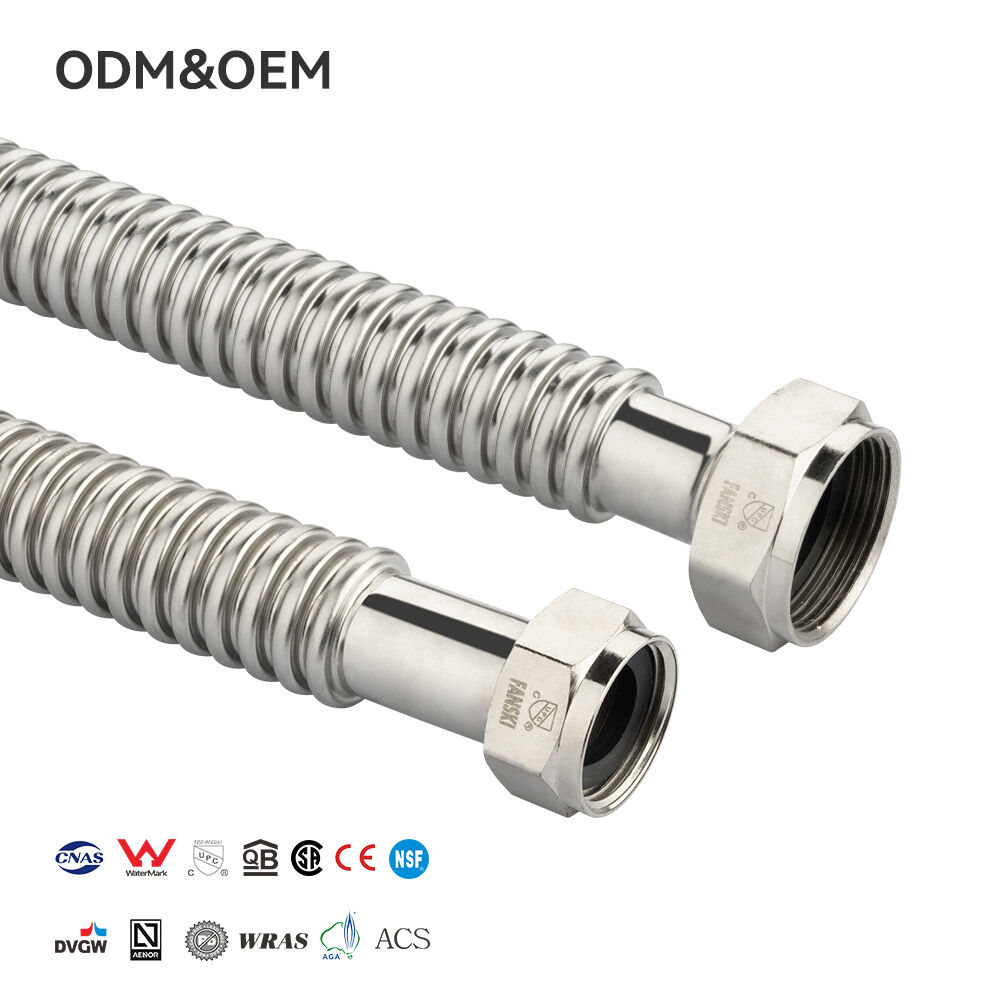
Connection hardware selection significantly impacts the overall reliability and performance of corrugated hose installations. Standard threaded connections provide secure attachment points while accommodating the flexibility characteristics of corrugated hose construction. Specialized fitting designs address unique installation requirements where standard hardware proves inadequate.
The interface between corrugated hose assemblies and rigid piping requires careful attention to stress distribution and sealing integrity. Quality fittings incorporate design features that prevent damage to the corrugated structure while maintaining leak-tight connections throughout the service life. Professional installers understand the importance of proper torque specifications and sealing techniques for corrugated hose systems.
Installation Best Practices
Systematic installation procedures ensure optimal corrugated hose performance and minimize the risk of premature failure. Proper support spacing prevents excessive stress on the corrugated structure while allowing necessary movement for thermal expansion. Installation teams must avoid sharp bends or kinks that compromise the integrity of corrugated hose assemblies.
Environmental protection measures shield corrugated hose installations from external damage sources such as mechanical impact or chemical exposure. Appropriate routing techniques minimize stress concentrations while maintaining accessibility for future maintenance activities. Professional installation documentation provides valuable reference information for system maintenance and troubleshooting procedures.
Performance Characteristics and Testing
Flexibility and Movement Capabilities
The primary advantage of corrugated hose technology lies in its superior flexibility compared to rigid piping alternatives. This flexibility accommodates thermal expansion, vibration absorption, and installation movement requirements that rigid systems cannot address effectively. Engineering analysis determines the appropriate corrugated hose length and configuration for specific movement requirements.
Cycle testing validates the fatigue resistance of corrugated hose assemblies under repeated movement conditions. Quality manufacturers subject their products to extensive testing protocols that simulate real-world operating conditions. These testing procedures ensure that corrugated hose products deliver reliable performance throughout their intended service life.
Quality Assurance and Certification
Comprehensive quality control measures verify that corrugated hose products meet applicable industry standards and regulatory requirements. Pressure testing protocols confirm the structural integrity and safety margins of finished assemblies before shipment to customers. Certification documentation provides traceability and compliance verification for critical applications.
Third-party testing laboratories validate manufacturer claims regarding corrugated hose performance characteristics and safety margins. Independent verification builds confidence in product reliability while ensuring compliance with industry standards. Quality assurance programs maintain consistency across production batches and identify potential issues before products reach end users.
Application-Specific Selection Criteria
Industrial Process Requirements
Industrial applications demand corrugated hose solutions that withstand harsh operating conditions while maintaining reliable performance. Chemical compatibility considerations influence material selection and construction techniques used in corrugated hose manufacturing. Process parameters such as temperature, pressure, and media characteristics define the technical requirements for industrial corrugated hose applications.
Specialized industries require corrugated hose products with unique performance characteristics that address specific operational challenges. Food processing applications demand sanitary construction techniques and materials that meet strict hygiene standards. Pharmaceutical manufacturing requires corrugated hose assemblies with validated cleaning and sterilization capabilities.
Residential and Commercial Applications
Residential water heater connections represent the most common application for corrugated hose technology in consumer markets. These applications prioritize ease of installation and long-term reliability over extreme performance characteristics. Standard corrugated hose products provide adequate performance for typical residential water heating systems.
Commercial building systems often require corrugated hose assemblies that accommodate building movement and thermal expansion in HVAC applications. Code compliance and safety certifications ensure that corrugated hose installations meet applicable building standards. Professional contractors rely on proven corrugated hose products that simplify installation while delivering dependable performance.
Maintenance and Service Life Considerations
Preventive Maintenance Protocols
Regular inspection procedures identify potential corrugated hose issues before they result in system failures or safety hazards. Visual examination techniques detect external damage, corrosion, or wear patterns that indicate the need for corrugated hose replacement. Maintenance schedules should account for operating conditions and manufacturer recommendations for service intervals.
Documentation of maintenance activities provides valuable trend information that helps predict corrugated hose replacement requirements. Systematic record keeping identifies patterns that may indicate system design issues or operational problems affecting corrugated hose performance. Proactive maintenance approaches minimize unplanned downtime and extend overall system reliability.
Replacement and Upgrade Strategies
Planning for corrugated hose replacement ensures minimal system disruption when maintenance becomes necessary. Inventory management strategies maintain adequate spare parts availability while avoiding excessive storage costs. Standardization of corrugated hose specifications simplifies procurement and reduces the complexity of maintenance operations.
Technology advances may justify upgrading existing corrugated hose installations to newer products with improved performance characteristics. Cost-benefit analysis evaluates the advantages of corrugated hose upgrades against the investment required for system modifications. Strategic replacement planning maximizes the value of maintenance investments while improving system reliability.
FAQ
What factors determine the appropriate pressure rating for corrugated hose selection
Pressure rating selection depends on maximum system operating pressure plus appropriate safety margins as defined by applicable codes and standards. Dynamic pressure variations, temperature effects, and installation factors must be considered when specifying corrugated hose pressure capabilities. Professional engineers typically apply safety factors that account for unexpected pressure transients and long-term material degradation effects.
How does material selection impact corrugated hose performance and cost
Material selection directly influences corrosion resistance, temperature capability, and mechanical properties of corrugated hose assemblies. Stainless steel provides superior performance characteristics but requires higher initial investment compared to alternative materials. Cost-effectiveness analysis should consider total lifecycle costs including maintenance requirements and expected service life when evaluating corrugated hose material options.
What installation considerations are critical for corrugated hose reliability
Proper support spacing, bend radius limitations, and connection hardware selection significantly impact corrugated hose performance and longevity. Installation procedures must avoid stress concentrations while providing adequate flexibility for thermal expansion and system movement. Professional installation techniques ensure optimal corrugated hose performance while minimizing the risk of premature failure or maintenance issues.
When should corrugated hose assemblies be replaced in existing systems
Replacement indicators include visible damage, corrosion, excessive wear, or changes in system operating parameters that exceed original design specifications. Regular inspection programs identify corrugated hose deterioration before it results in system failures or safety hazards. Manufacturer recommendations and industry best practices provide guidance for establishing appropriate corrugated hose replacement intervals based on operating conditions and application requirements.
Table of Contents
- Material Selection Considerations
- Pressure Rating and Size Specifications
- Installation and Connection Methods
- Performance Characteristics and Testing
- Application-Specific Selection Criteria
- Maintenance and Service Life Considerations
-
FAQ
- What factors determine the appropriate pressure rating for corrugated hose selection
- How does material selection impact corrugated hose performance and cost
- What installation considerations are critical for corrugated hose reliability
- When should corrugated hose assemblies be replaced in existing systems