
 EN
EN
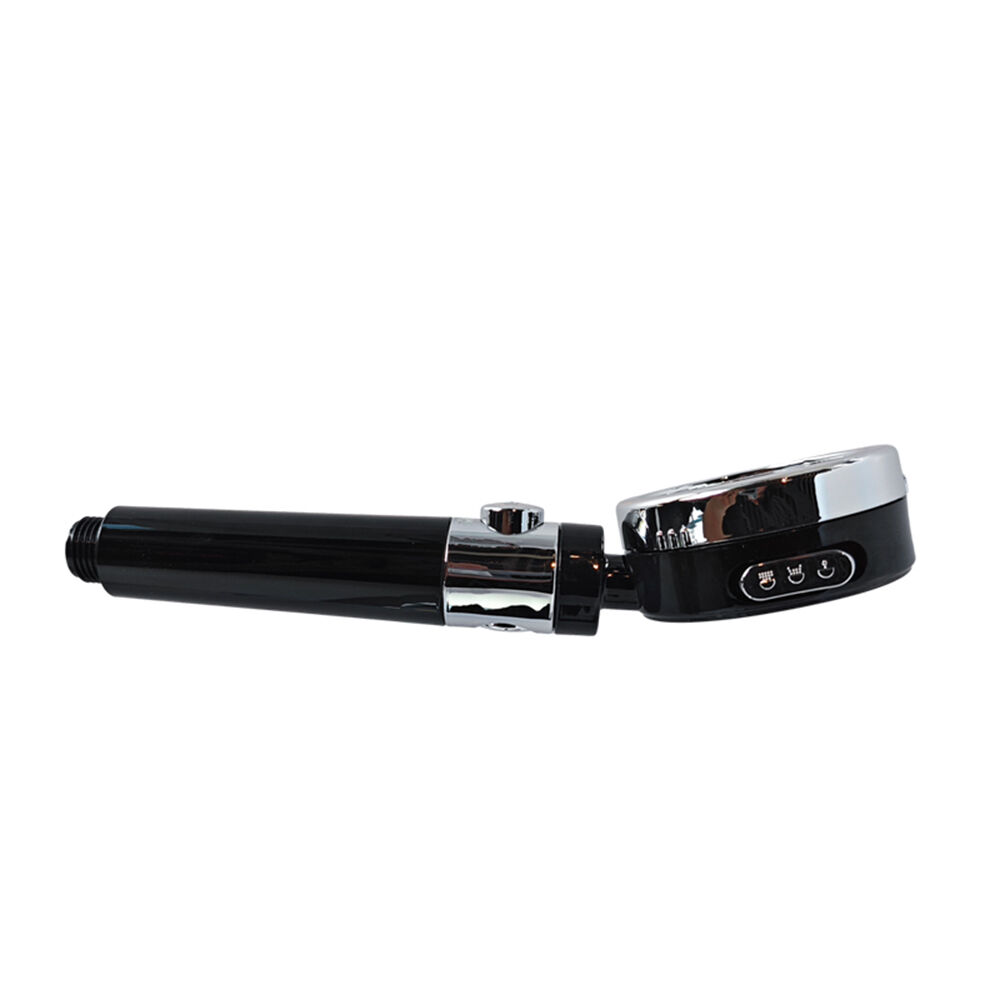
A properly functioning shower head is essential for a comfortable and efficient bathing experience. Over time, even the highest quality fixtures can develop issues that affect water pressure, spray patterns, and overall performance. Recognizing when to replace your shower head can save you from ongoing frustration and potentially higher water bills. Various factors contribute to the degradation of shower head functionality, including mineral buildup, wear and tear, and changes in household water pressure requirements.
Signs Your Shower Head Needs Replacement
Decreased Water Pressure Performance
One of the most obvious indicators that your shower head requires replacement is a noticeable decrease in water pressure. When mineral deposits accumulate within the internal components, they create blockages that restrict water flow. This issue becomes particularly pronounced in areas with hard water, where calcium and lime scale build up more rapidly. A quality shower head should maintain consistent pressure throughout its lifespan, but when cleaning methods fail to restore optimal flow, replacement becomes necessary.
Additionally, uneven spray patterns often accompany pressure reduction. You might notice that some nozzles produce strong streams while others barely trickle water. This inconsistency indicates internal damage or severe mineral accumulation that cannot be resolved through standard maintenance procedures. Professional plumbers frequently recommend replacement when pressure issues persist despite thorough cleaning attempts.
Visible Physical Deterioration
Physical signs of wear provide clear evidence that your shower head has reached the end of its useful life. Cracks in the housing, corroded metal components, or damaged spray nozzles compromise both functionality and aesthetics. Chrome or brushed finishes may begin to peel, flake, or show significant discoloration that affects the overall appearance of your bathroom fixtures.
Loose connections between the shower head and arm often develop over time, leading to water leaks and inefficient operation. These mechanical failures rarely respond well to repairs and typically require complete fixture replacement. Modern shower head designs offer improved durability and corrosion resistance compared to older models, making replacement a worthwhile investment.
Performance and Efficiency Considerations
Water Conservation Benefits
Modern shower head technology incorporates advanced water-saving features that can significantly reduce consumption without sacrificing performance. Older fixtures often lack these efficiency improvements, leading to unnecessary water waste and higher utility costs. Contemporary designs utilize aerators, pressure-compensating valves, and optimized spray patterns to deliver satisfying shower experiences while meeting current conservation standards.
The Environmental Protection Agency's WaterSense program certifies fixtures that meet strict efficiency criteria, typically limiting flow rates to 2.0 gallons per minute or less. Upgrading from an older, less efficient shower head can result in substantial water and energy savings over time. These environmental and economic benefits often justify replacement costs, especially when combined with utility rebates or incentives.
Enhanced Functionality Features
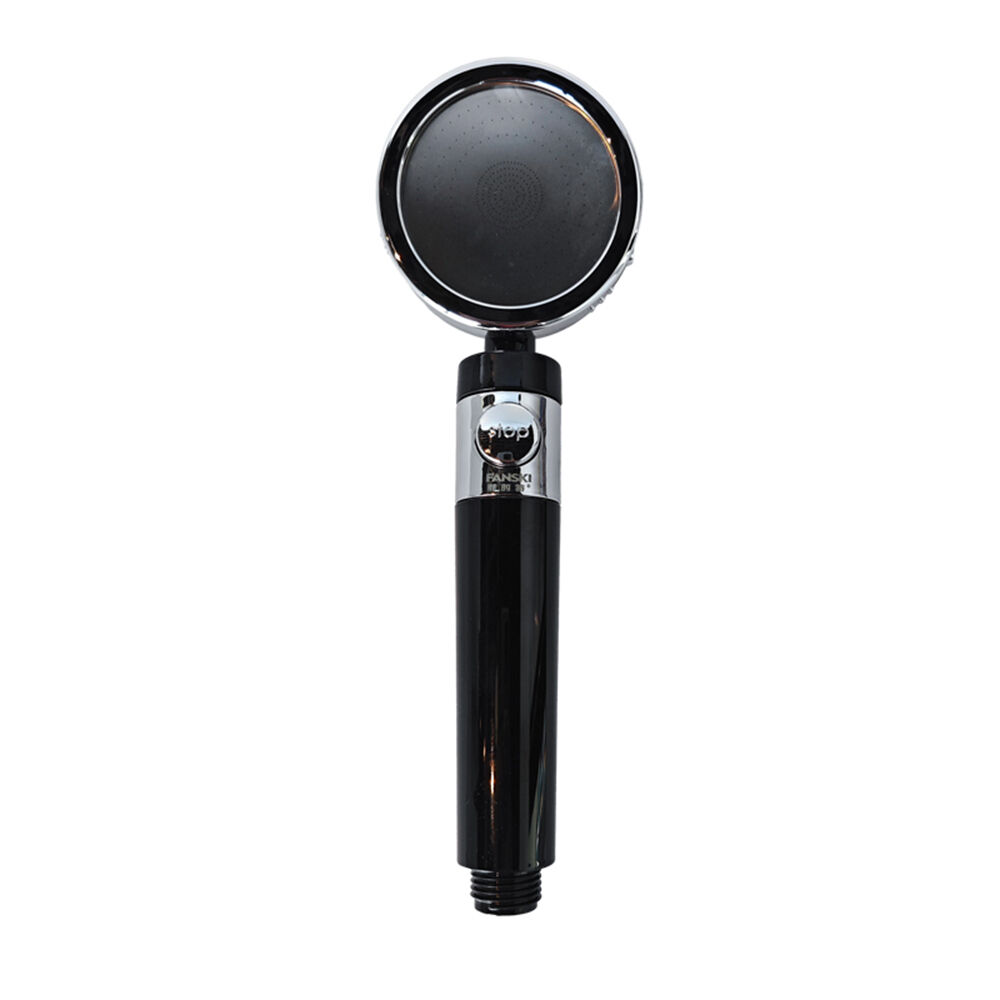
Today's shower head market offers numerous advanced features that weren't available in older models. Multiple spray settings allow users to customize their bathing experience, from gentle rain patterns to invigorating massage modes. Some units include pause functions that temporarily stop water flow while maintaining temperature settings, providing additional convenience and water savings.
Smart technology integration represents another compelling reason to consider upgrading your existing fixture. Digital controls, temperature displays, and programmable settings enhance user comfort and safety. High-pressure designs specifically address common complaints about weak water flow, utilizing innovative engineering to maximize spray force even in low-pressure plumbing systems.
Maintenance Timeline and Replacement Intervals
Expected Lifespan Factors
The typical lifespan of a quality shower head ranges from five to ten years, depending on water quality, usage frequency, and maintenance practices. Hard water conditions significantly accelerate wear and mineral accumulation, potentially requiring more frequent replacements. Households with high-iron content or other water chemistry issues may experience shorter fixture lifespans despite regular cleaning efforts.
Regular maintenance can extend the operational life of your shower head, but eventually, internal components wear beyond repair. Rubber seals deteriorate, metal parts corrode, and plastic components become brittle with age and exposure to hot water and cleaning chemicals. Understanding these natural aging processes helps homeowners plan for timely replacements before complete failure occurs.
Cleaning Versus Replacement Decision Points
Before deciding on replacement, thorough cleaning attempts should be made to restore performance. Soaking the shower head in vinegar solutions, using specialized descaling products, or manually clearing blocked nozzles with fine tools can sometimes resolve minor issues. However, when these methods fail to produce lasting improvements, replacement becomes the more practical solution.
Cost-effectiveness plays a crucial role in the decision-making process. Spending significant time and money on cleaning products for a fixture nearing the end of its useful life rarely proves economical. Modern replacement options offer improved performance, efficiency, and durability that often justify the initial investment through long-term savings and enhanced user satisfaction.
Installation and Upgrade Considerations
Compatibility Assessment
Before purchasing a replacement shower head, verify compatibility with your existing plumbing configuration. Most fixtures use standard threading connections, but some specialized installations may require adapters or modifications. Measuring the shower arm diameter and checking for any unique mounting requirements ensures proper fit and functionality.
Water pressure capabilities of your home's plumbing system should influence your replacement selection. High-pressure shower head models work best in systems with adequate flow rates and pressure levels. Conversely, low-pressure designs incorporate features that maximize performance in challenging plumbing conditions. Consulting with a professional plumber can help determine the most suitable options for your specific installation.
Professional Installation Benefits
While many homeowners can successfully replace a basic shower head, professional installation offers several advantages. Experienced plumbers ensure proper sealing, optimal positioning, and compliance with local plumbing codes. They can also identify potential issues with existing plumbing that might affect performance or require additional repairs.
Complex shower head systems with multiple functions, digital controls, or specialized mounting requirements particularly benefit from professional installation. Proper setup ensures all features operate correctly and warranty terms remain valid. Additionally, professional installation often includes disposal of the old fixture and cleanup of any installation debris.
FAQ
How often should I clean my shower head to prevent replacement
Regular cleaning every three to six months helps extend shower head lifespan and maintain optimal performance. In hard water areas, monthly cleaning may be necessary to prevent severe mineral buildup. Use white vinegar soaks, gentle scrubbing with old toothbrushes, and commercial descaling products to keep nozzles clear and functioning properly.
Can low water pressure be fixed without replacing the shower head
Sometimes low pressure results from removable flow restrictors, clogged nozzles, or mineral deposits that cleaning can address. However, if thorough cleaning doesn't restore adequate pressure, or if the fixture shows signs of internal damage, replacement typically provides the most effective long-term solution. Consider upgrading to a high-pressure model designed for low-flow plumbing systems.
What features should I look for in a replacement shower head
Focus on water efficiency ratings, multiple spray patterns, durable construction materials, and compatibility with your existing plumbing. WaterSense certified models ensure conservation without sacrificing performance. Consider features like pause functions, adjustable arms, and easy-clean nozzles based on your specific preferences and bathroom requirements.
Is it worth upgrading to a high-end shower head model
Premium shower head models often provide superior build quality, advanced features, and longer lifespans that justify higher initial costs. Enhanced spray technology, corrosion-resistant materials, and comprehensive warranties make high-end options particularly valuable in challenging water conditions or high-use situations. Calculate long-term value including water savings, reduced maintenance, and improved user satisfaction when making your decision.