
 EN
EN
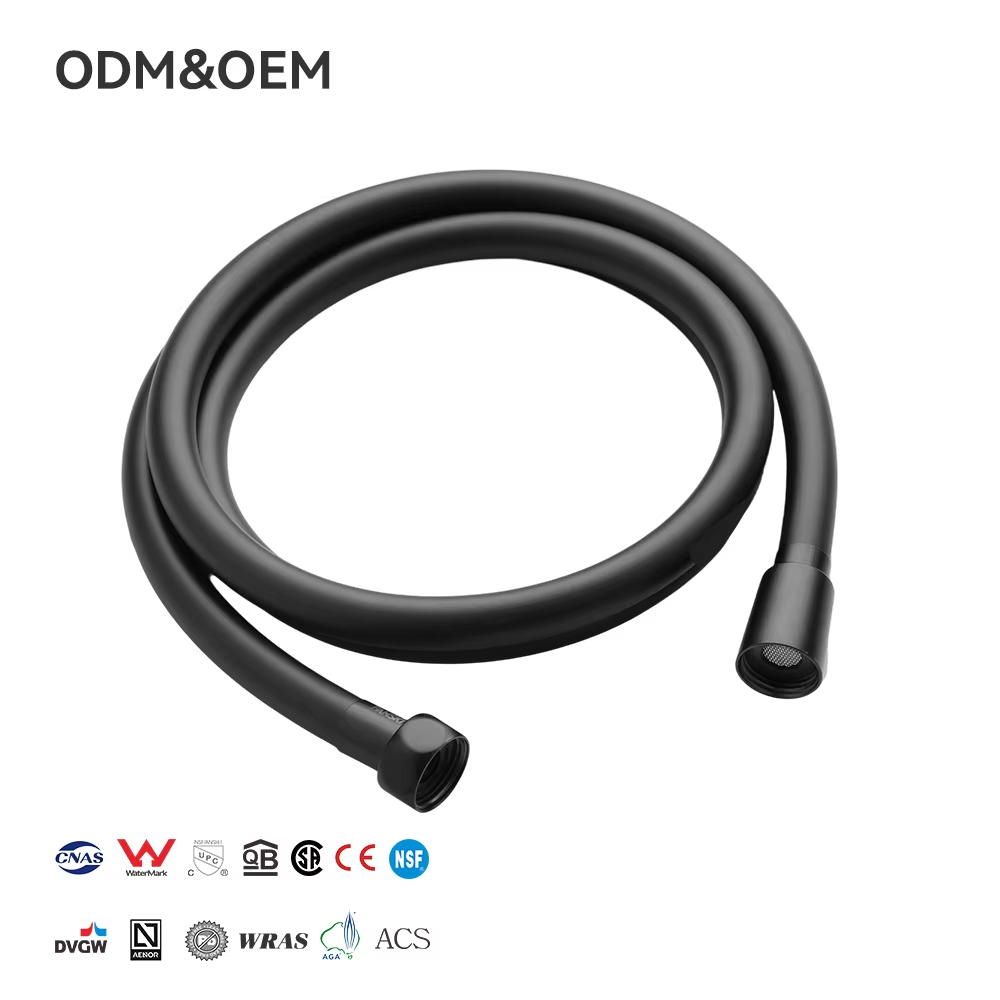
Understanding the optimal timing for replacing your flexible hose system is critical to maintaining operational safety, preventing costly downtime, and ensuring regulatory compliance across industrial facilities. A flexible hose system degrades over time due to thermal cycling, chemical exposure, mechanical stress, and environmental factors that compromise both structural integrity and performance reliability. Recognizing the precise indicators that signal replacement necessity requires systematic assessment protocols and a thorough understanding of how usage patterns, material composition, and operating conditions interact to determine service life expectancy.
Industrial decision-makers frequently struggle with determining replacement timing because flexible hose failure consequences range from minor leaks to catastrophic system failures with significant safety implications. Premature replacement wastes capital resources while delayed replacement risks operational disruptions, environmental incidents, and potential liability exposure. This article provides comprehensive guidance on identifying critical replacement triggers, establishing inspection protocols, understanding failure mechanisms, and implementing condition-based replacement strategies that balance safety requirements with economic considerations across diverse industrial applications.
Critical Replacement Indicators Based on Physical Deterioration
Visible Surface Damage and Structural Compromise
Physical inspection reveals numerous deterioration patterns that mandate immediate flexible hose replacement regardless of chronological age or documented service history. Surface cracking in the outer protective layer indicates material degradation from ultraviolet exposure, ozone attack, or thermal cycling that compromises the barrier protecting internal reinforcement layers. Deep abrasion exposing reinforcement wire or fabric demonstrates mechanical wear that eliminates safety margins and creates imminent failure risk requiring urgent replacement action.
Blistering or bubbling along the hose surface signals internal layer separation where bonding integrity has failed due to chemical incompatibility, thermal exposure exceeding material limits, or manufacturing defects that manifest over operational cycles. These conditions allow fluid penetration between layers that accelerates degradation and reduces pressure containment capability. Localized bulging indicates reinforcement failure where internal pressure forces expand the hose beyond design diameter, creating stress concentrations that precipitate rupture events.
Corrosion evidence on metallic components including fittings, ferrules, or braided reinforcement demonstrates chemical attack that weakens structural elements and compromises connection integrity. Rust formation, pitting, or discoloration patterns indicate ongoing electrochemical processes that progressively reduce load-bearing capacity. When corrosion affects fitting threads or sealing surfaces, replacement becomes necessary to prevent leakage and maintain secure connections under operating pressure conditions.
Flexibility and Material Property Changes
Material hardening represents a critical replacement indicator where the flexible hose loses its characteristic elasticity and becomes stiff or brittle through chemical cross-linking, plasticizer loss, or thermal degradation. Reduced flexibility increases stress concentration at connection points, limits the hose's ability to accommodate thermal expansion or vibration, and indicates approaching end-of-life conditions. Testing flexibility by manually bending the hose through its normal operating range reveals stiffness increases that signal material property deterioration.
Conversely, excessive softening or tackiness indicates plasticizer migration, chemical swelling, or polymer breakdown that compromises mechanical strength and pressure resistance. A flexible hose exhibiting unusual softness has lost structural integrity through material degradation processes that reduce burst pressure ratings and create unpredictable failure risk. Surface texture changes from the original finish condition provide tactile evidence of chemical interaction between conveyed media and hose materials requiring replacement consideration.
Length changes beyond normal thermal expansion parameters indicate reinforcement degradation or internal structural failure. Permanent elongation demonstrates that pressure cycling has exceeded the elastic limit of reinforcement materials, while unexpected contraction may signal reinforcement corrosion or inner liner shrinkage. Either condition requires replacement because dimensional changes indicate that the hose can no longer maintain design specifications under operating loads.
Fitting and Connection Deterioration
End fitting condition directly affects overall system integrity because even a pristine hose body becomes unsafe when connection components deteriorate. Thread damage from over-tightening, cross-threading, or corrosion prevents proper sealing and creates leak paths under pressure. Visual inspection should identify deformed threads, cracked fitting bodies, or damaged sealing surfaces that compromise connection reliability and mandate complete assembly replacement.
Ferrule or crimp condition determines whether the mechanical connection between hose and fitting maintains adequate strength. Slippage evidence including relative movement between hose and fitting, compression marks beyond the ferrule position, or fluid weeping from the crimp area indicates connection failure requiring immediate replacement. Loose fittings that can be rotated by hand despite proper initial installation demonstrate grip loss that creates dangerous operating conditions.
Gasket or seal deterioration within threaded connections allows fluid escape and contaminant ingress that accelerates system degradation. Hardened, cracked, or compressed gaskets no longer provide effective sealing and require replacement of the entire flexible hose assembly when integral seals cannot be serviced separately. Leakage from connection points under operating pressure definitively signals replacement necessity regardless of apparent hose body condition.
Service Life Assessment Through Operational History
Pressure Cycling and Mechanical Fatigue Accumulation
Operational pressure patterns dramatically influence flexible hose service life through fatigue mechanisms that progressively weaken reinforcement structures. Systems experiencing frequent pressure fluctuations accumulate fatigue damage more rapidly than steady-state applications, requiring replacement at shorter intervals despite similar cumulative operating hours. Pressure spike events exceeding design ratings accelerate degradation through stress concentrations that initiate microscopic cracks in reinforcement materials propagating toward failure conditions.
Cycle counting methodologies tracking pressure excursions provide quantitative data for replacement timing decisions based on fatigue life predictions. When documented pressure cycles approach manufacturer-specified limits, typically ranging from 50,000 to 500,000 cycles depending on construction type, replacement scheduling becomes necessary before fatigue failure occurs. Applications lacking pressure monitoring systems require conservative replacement intervals based on worst-case cycle frequency assumptions.
Impact events from dropped objects, vehicle contact, or equipment interference introduce localized damage that may not be immediately visible but compromises structural integrity. Any Flexible Hose subjected to significant impact loading requires detailed inspection and conservative replacement consideration because internal damage often precedes external evidence. Documentation of impact incidents supports informed replacement decisions that prevent service failures.
Temperature Exposure and Thermal Degradation
Operating temperature history determines material degradation rates through chemical reaction kinetics where elevated temperatures accelerate aging processes exponentially. Continuous operation near maximum rated temperature reduces service life substantially compared to ambient temperature applications, necessitating more frequent replacement intervals. Temperature excursions above rating limits cause immediate material damage through polymer decomposition, plasticizer volatilization, or reinforcement annealing that permanently degrades performance capability.
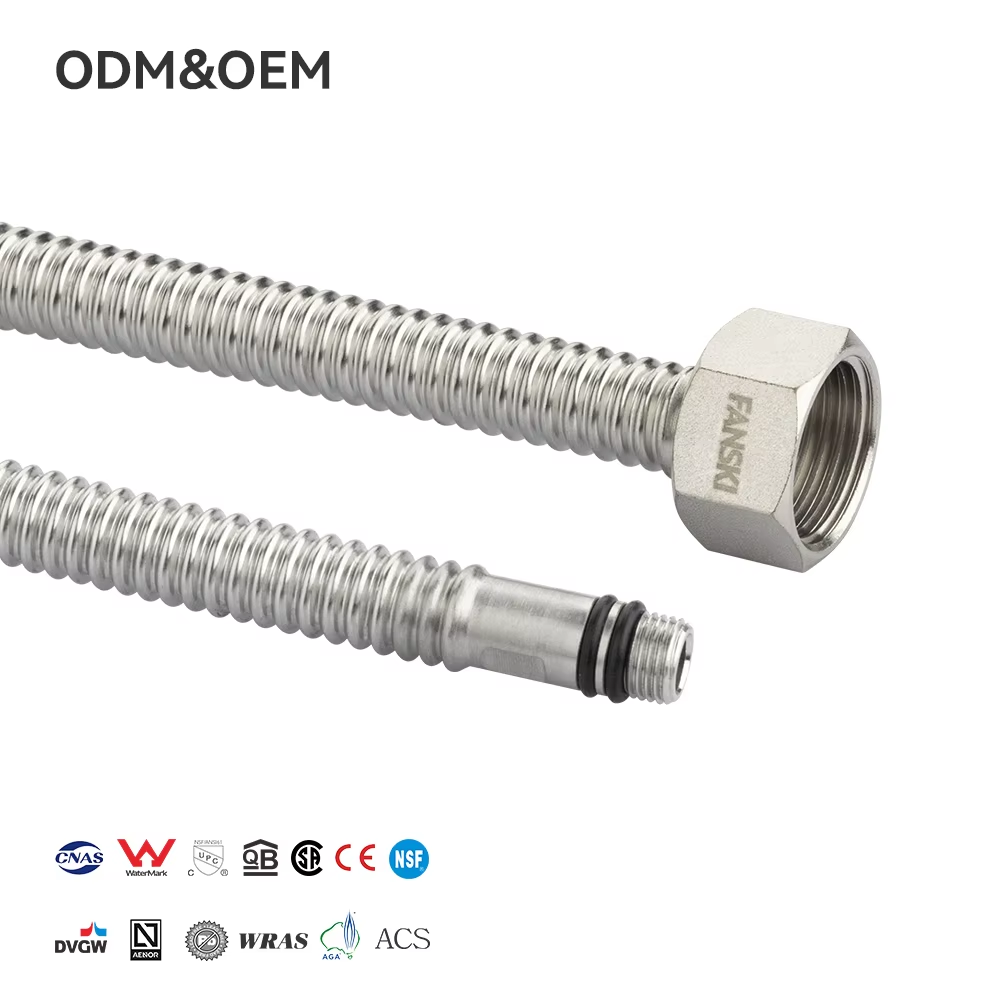
Thermal cycling between temperature extremes introduces dimensional changes that stress connections and create fatigue in material structures. Flexible hose systems in applications with significant temperature variation experience expansion-contraction cycles that work-harden materials, degrade flexibility, and accelerate aging processes. Replacement timing must account for thermal cycling severity through reduced service intervals in applications with extreme temperature ranges.
External heat sources including proximity to furnaces, steam lines, or hot equipment surfaces create localized degradation zones that may not be evident during routine operation. Hot spots on the flexible hose exterior indicate thermal exposure requiring immediate investigation and typically necessitate replacement because localized heating creates material property variations that compromise overall system integrity. Thermal imaging surveys identify temperature exposure patterns supporting condition-based replacement strategies.
Chemical Exposure and Compatibility Considerations
Chemical compatibility between conveyed media and flexible hose materials fundamentally determines service life expectancy through degradation mechanisms that attack polymer chains, plasticizers, and reinforcement components. Even minor incompatibilities cause progressive deterioration requiring replacement at intervals much shorter than mechanically limited service life. Process changes introducing different chemicals or concentration variations alter compatibility relationships and may necessitate immediate replacement with appropriately specified materials.
Permeation phenomena where chemical constituents migrate through hose wall materials create both safety hazards and performance degradation. Permeation evidence including odors, discoloration, or fluid presence on external surfaces indicates chemical attack requiring replacement evaluation. Hydrocarbon permeation through rubber compounds represents a common failure mode where aromatic content attacks elastomer structures causing swelling, softening, and eventual rupture.
External chemical exposure from environmental spillage, cleaning agents, or atmospheric contaminants attacks the outer protective layer compromising reinforcement protection. Facilities with corrosive atmospheres, regular wash-down procedures, or chemical storage areas require more frequent replacement intervals because external attack proceeds simultaneously with internal degradation. Visual evidence of chemical attack on exterior surfaces warrants immediate replacement consideration regardless of internal condition assessments.
Regulatory Compliance and Industry Standard Requirements
Mandated Inspection and Replacement Intervals
Regulatory frameworks established by safety authorities mandate specific inspection frequencies and maximum service intervals for flexible hose systems in critical applications. Pressure equipment directives, piping codes, and industry-specific regulations define minimum replacement requirements based on service conditions, media hazards, and failure consequence severity. Compliance obligations require replacement when inspection intervals reveal degradation trends approaching failure criteria or when maximum service life limits are reached regardless of apparent condition.
Hazardous material handling regulations impose stringent replacement requirements for systems conveying flammable, toxic, or reactive substances where failure consequences include fire, explosion, or toxic release scenarios. These applications typically require replacement at intervals substantially shorter than non-hazardous services, often mandating annual or biannual replacement cycles. Documentation requirements for regulated systems necessitate maintaining comprehensive service records supporting replacement timing decisions and regulatory compliance demonstrations.
Insurance requirements and loss prevention guidelines frequently specify maximum flexible hose service intervals as risk mitigation measures. Facilities seeking optimal insurance terms implement proactive replacement programs that exceed minimum regulatory requirements, replacing hose assemblies based on conservative service life estimates. Failure to follow documented replacement schedules may void insurance coverage or create liability exposure in incident investigations.
Manufacturer Recommendations and Service Life Specifications
Manufacturer service life recommendations provide baseline replacement guidance based on design testing, material properties, and application experience data. These specifications typically define maximum service intervals under ideal operating conditions, requiring adjustment for actual service severity factors. Exceeding manufacturer-recommended service life without documented condition assessment justification creates unacceptable risk and potential liability in failure events.
Testing protocols specified by manufacturers establish inspection procedures for condition assessment supporting replacement timing decisions. Pressure testing, flexibility evaluation, and dimensional verification procedures provide quantitative data for comparing current condition against new product specifications. Deviations beyond manufacturer-specified tolerances trigger replacement requirements regardless of chronological age considerations.
Application-specific guidance from manufacturers addresses how service variables affect replacement timing through correction factors applied to baseline service life ratings. Elevated temperature operation, pressure cycling, chemical exposure, and environmental conditions each reduce expected service life through multiplicative derating factors. Conservative replacement strategies apply cumulative derating factors ensuring adequate safety margins in complex operating environments.
Quality Management System Integration
Quality management frameworks including ISO certification requirements mandate documented procedures for critical component replacement including flexible hose systems. Preventive maintenance programs specify inspection frequencies, acceptance criteria, and replacement triggers integrated into broader asset management strategies. Non-conformance findings during system audits frequently identify inadequate replacement practices requiring corrective action through enhanced protocols and shortened intervals.
Traceability requirements necessitate maintaining comprehensive records documenting flexible hose installation dates, service conditions, inspection results, and replacement actions. This documentation supports statistical analysis identifying failure mode patterns, optimizing replacement intervals, and demonstrating regulatory compliance. Digital asset management systems facilitate tracking individual assemblies through barcode or RFID identification linking physical components to maintenance history records.
Continuous improvement processes analyze failure incidents and near-miss events to refine replacement strategies and prevent recurrence. Root cause investigations identifying premature flexible hose failures inform specification improvements, installation practice modifications, or shortened replacement intervals. Learning from operational experience optimizes replacement timing balancing safety objectives with economic efficiency considerations.
Condition-Based Replacement Decision Frameworks
Systematic Inspection Protocol Development
Implementing effective condition-based replacement strategies requires systematic inspection protocols evaluating multiple deterioration indicators through standardized procedures. Visual examination techniques identify surface deterioration, fitting condition, and environmental damage evidence providing qualitative assessment data. Tactile inspection methods detect flexibility changes, temperature variations, and surface texture modifications indicating material property degradation requiring quantitative evaluation.
Non-destructive testing techniques including ultrasonic thickness measurement, infrared thermography, and pressure decay testing provide objective condition data supporting replacement decisions. Ultrasonic examination detects internal layer separation, thickness reduction, and void formation invisible to visual inspection. Thermographic surveys identify hot spots indicating flow restrictions, insulation degradation, or external heat exposure affecting flexible hose integrity.
Sampling strategies for large flexible hose populations balance inspection resource requirements against risk management objectives through risk-based prioritization. Critical service applications receive intensive inspection frequency while lower-risk systems undergo less frequent evaluation. Statistical sampling methodologies applied to similar service groups provide population condition estimates supporting replacement timing optimization across entire facilities.
Risk Assessment and Replacement Prioritization
Consequence-based risk assessment frameworks prioritize replacement actions based on potential failure impacts including safety hazards, environmental damage, production losses, and equipment damage. High-consequence systems receive conservative replacement intervals and intensive inspection protocols regardless of condition assessment results. Lower-risk applications may extend service intervals when inspection data demonstrates adequate remaining life margins.
Probability-based evaluation combines condition assessment findings with service life modeling to estimate failure likelihood over planning horizons. Flexible hose assemblies exhibiting multiple deterioration indicators receive immediate replacement while those showing minimal degradation continue service with increased monitoring frequency. Formal decision trees or scoring matrices standardize replacement prioritization across diverse equipment populations ensuring consistent risk management approaches.
Economic analysis comparing replacement costs against failure consequence costs informs optimal replacement timing decisions. Preventive replacement programs incur scheduled component costs but avoid emergency response expenses, production losses, and collateral damage from catastrophic failures. Life-cycle cost modeling demonstrates that proactive flexible hose replacement typically provides superior economic outcomes compared to run-to-failure strategies in most industrial applications.
Predictive Maintenance Technology Integration
Advanced monitoring technologies including continuous pressure monitoring, vibration analysis, and acoustic emission detection provide real-time flexible hose condition data supporting predictive replacement strategies. Pressure signature analysis identifies degradation patterns through subtle changes in system dynamics preceding visible deterioration. Vibration monitoring detects developing mechanical issues including support failures or flow-induced oscillation increasing fatigue loading.
Acoustic emission sensors detect crack propagation and leak formation in early stages when intervention prevents catastrophic failure. These technologies enable condition-based replacement decisions optimized for actual degradation progression rather than conservative time-based intervals. Digital integration of monitoring data into maintenance management systems automates alert generation when condition parameters exceed established thresholds triggering replacement work orders.
Machine learning algorithms analyzing historical inspection data, failure events, and operating parameters develop predictive models forecasting remaining useful life for individual flexible hose assemblies. These advanced analytics optimize replacement timing through data-driven insights surpassing traditional rule-based approaches. Implementation requires substantial historical data accumulation but provides significant long-term value through improved resource allocation and risk reduction.
Practical Implementation of Replacement Programs
Developing Site-Specific Replacement Schedules
Establishing effective replacement schedules requires translating general guidance into site-specific protocols accounting for actual operating conditions, service severity factors, and organizational risk tolerance. Baseline intervals derived from manufacturer recommendations and industry standards receive adjustment through correction factors addressing temperature extremes, pressure cycling, chemical exposure, and environmental conditions. Conservative approaches applying multiple derating factors ensure adequate safety margins in complex operating environments.
Service history analysis from existing equipment populations provides empirical data refining replacement interval optimization. Failure mode documentation identifying root causes distinguishes premature failures from expected wear-out mechanisms. Statistical analysis of time-to-failure data establishes reliability functions predicting optimal replacement timing minimizing total cost of ownership while maintaining acceptable risk levels.
Seasonal considerations affect replacement timing in applications with weather-dependent operations or cyclical production patterns. Scheduling flexible hose replacement during planned maintenance shutdowns minimizes operational disruption while ensuring workforce availability. Coordinating replacement activities with related maintenance tasks including valve servicing, piping modifications, or equipment overhauls improves resource utilization and reduces total maintenance downtime.
Inventory Management and Logistics Planning
Maintaining adequate replacement flexible hose inventory balances carrying costs against emergency procurement expenses and operational disruption from unexpected failures. Critical spare analysis identifies assemblies requiring stock maintenance based on failure consequence severity, procurement lead times, and usage frequency. Strategic inventory positioning at multiple facility locations improves response capability while optimizing total investment in spare components.
Vendor relationships supporting rapid procurement enable reduced inventory investments through reliable just-in-time delivery for planned replacements. Framework agreements establishing pricing, quality specifications, and delivery performance expectations facilitate efficient procurement processes. Preferred supplier programs with qualified manufacturers ensure consistent product quality and technical support availability when application challenges arise.
Lifecycle management strategies address obsolescence risks where manufacturer discontinuations or specification changes threaten ongoing supportability. Forward purchasing before discontinuation announcements secures adequate inventory for remaining equipment service life. Alternative qualification processes identify suitable replacements maintaining equivalent performance when original specifications become unavailable through supplier consolidation or product line rationalization.
Personnel Training and Competency Development
Effective replacement program implementation requires comprehensive training ensuring maintenance personnel recognize deterioration indicators and understand inspection procedures. Visual examination training develops skills identifying subtle degradation patterns distinguishing normal aging from critical defects requiring immediate action. Hands-on practice with failed samples illustrates failure progression and reinforces decision criteria for replacement timing.
Installation procedure training prevents premature flexible hose failures from improper assembly practices including inadequate support, excessive bending, or fitting damage during installation. Proper torque application, routing techniques, and support spacing requirements receive emphasis through practical demonstrations and competency verification. Quality installation practices maximize service life potential ensuring replacement intervals based on wear mechanisms rather than installation defects.
Safety awareness training emphasizes failure consequence severity motivating conscientious inspection practices and prompt reporting of deterioration evidence. Understanding potential incident scenarios including fire, explosion, toxic release, or high-pressure injection injuries reinforces the importance of timely replacement actions. Regular refresher training maintains competency levels and incorporates lessons learned from recent incidents or near-miss events.
FAQ
What is the typical service life expectancy for industrial flexible hose systems?
Service life expectancy varies significantly based on application conditions, material composition, and operating parameters, but general industrial flexible hose systems typically range from two to ten years under normal conditions. High-temperature applications, aggressive chemical service, or severe pressure cycling may reduce service life to one or two years, while benign applications with minimal stress may extend beyond ten years. Manufacturer recommendations provide baseline expectations, but actual replacement timing should be determined through condition monitoring and inspection protocols rather than relying solely on chronological age. Critical applications should implement conservative replacement intervals accounting for failure consequence severity regardless of apparent condition.
Can visual inspection alone determine when flexible hose replacement is necessary?
Visual inspection provides valuable deterioration indicators including surface cracking, abrasion, corrosion, and fitting damage, but should not be the sole replacement criterion because internal degradation often precedes external evidence. Comprehensive assessment combines visual examination with tactile testing for flexibility changes, pressure testing for leak detection, and non-destructive testing techniques revealing internal condition. Many failure modes including reinforcement corrosion, internal layer separation, and material property degradation remain invisible to external inspection until catastrophic failure occurs. Effective replacement strategies integrate multiple assessment methods with documented service history and manufacturer guidance to make informed decisions.
How do you calculate replacement intervals for flexible hose in chemical service applications?
Calculating replacement intervals for chemical service requires evaluating material compatibility data, operating temperature effects, and concentration variations affecting degradation rates. Manufacturers provide chemical resistance charts indicating service life expectations for specific chemical-material combinations, which serve as baseline intervals. Operating temperatures accelerate chemical attack through increased reaction kinetics, requiring interval reduction through temperature correction factors typically ranging from 0.5 to 0.9 for elevated temperature service. Actual service experience monitoring degradation progression through periodic inspection refines interval optimization. Conservative approaches replace flexible hose at 50-70% of estimated service life in critical chemical applications where failure consequences include safety hazards or environmental releases.
Should all flexible hoses in a system be replaced simultaneously or individually as needed?
Replacement strategy selection between simultaneous system-wide replacement and individual component replacement depends on service similarity, failure consequence severity, and maintenance resource optimization. Systems with identical service conditions, simultaneous installation, and similar deterioration patterns benefit from coordinated replacement during planned shutdowns, minimizing operational disruption and reducing labor costs through batching. However, systems with varying service severity, different installation dates, or diverse applications require individual replacement based on specific condition assessment and risk prioritization. Critical applications may justify simultaneous replacement ensuring system-wide reliability while lower-risk systems allow selective replacement optimizing resource allocation. Maintaining detailed service records for individual assemblies supports informed decisions balancing operational efficiency with economic considerations.
Table of Contents
- Critical Replacement Indicators Based on Physical Deterioration
- Service Life Assessment Through Operational History
- Regulatory Compliance and Industry Standard Requirements
- Condition-Based Replacement Decision Frameworks
- Practical Implementation of Replacement Programs
-
FAQ
- What is the typical service life expectancy for industrial flexible hose systems?
- Can visual inspection alone determine when flexible hose replacement is necessary?
- How do you calculate replacement intervals for flexible hose in chemical service applications?
- Should all flexible hoses in a system be replaced simultaneously or individually as needed?