
 EN
EN
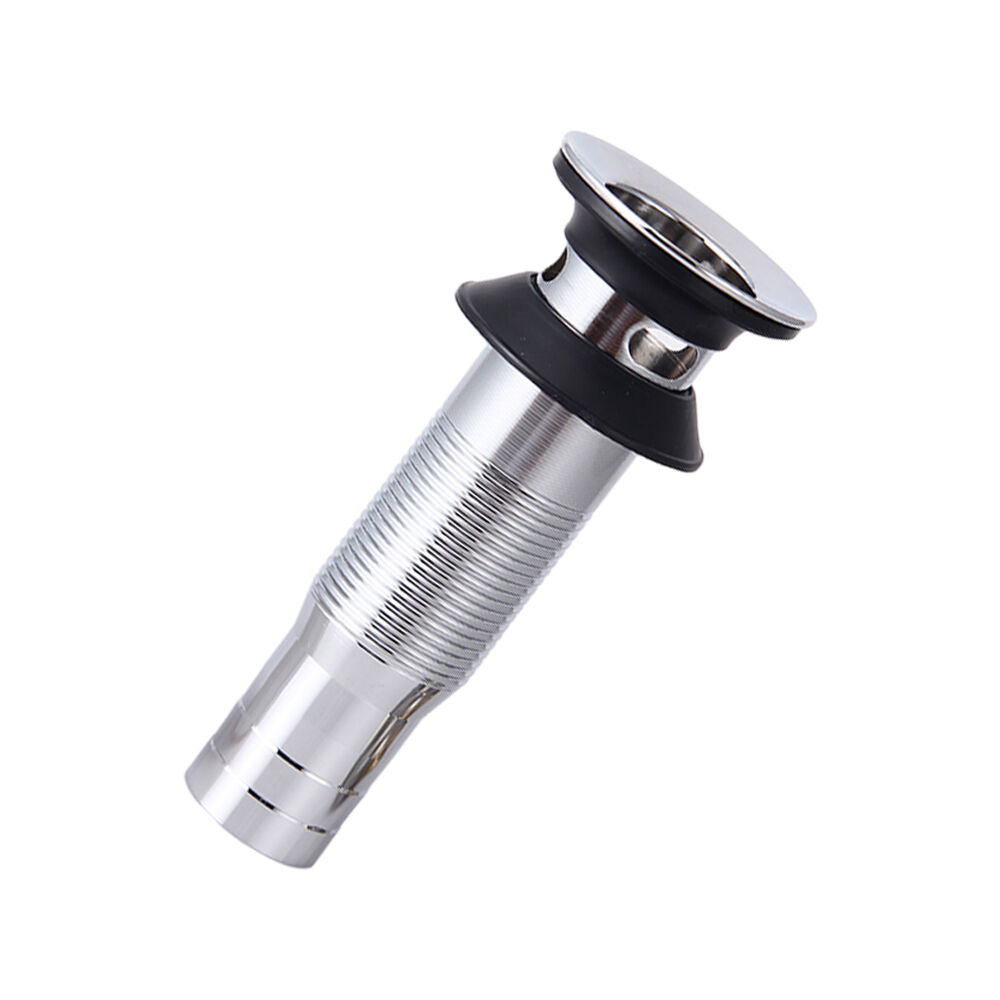
Modern bathroom design has evolved significantly, with basin drainer systems becoming increasingly sophisticated to meet contemporary needs. The shift toward pop-up drainer mechanisms represents a fundamental change in how we approach water management and aesthetic appeal in residential and commercial spaces. These advanced systems offer superior functionality compared to traditional plug-and-chain configurations, providing users with seamless operation and enhanced durability that aligns with modern lifestyle demands.
Evolution of Basin Drainage Technology
Traditional Drainage Methods
Conventional basin systems relied heavily on rubber plugs connected to chains, creating functional but aesthetically limited solutions. These traditional drainer configurations often suffered from chain breakage, plug deterioration, and inconsistent sealing performance. The maintenance requirements for older systems frequently resulted in water waste and user frustration, particularly in high-traffic commercial environments where reliability becomes paramount for operational efficiency.
The materials used in traditional drainer systems typically included basic rubber compounds and simple metal chains that corroded over time. These components lacked the engineering precision found in contemporary designs, leading to frequent replacements and ongoing maintenance costs. Property managers and homeowners alike recognized the need for more reliable drainage solutions that could withstand daily use while maintaining consistent performance standards.
Introduction of Pop-Up Mechanisms
Pop-up drainer technology emerged as a response to the limitations of traditional systems, incorporating spring-loaded mechanisms and precision-engineered sealing components. These innovative systems utilize internal mechanisms that create reliable sealing through controlled pressure application, eliminating the need for external chains or removable plugs. The integration of corrosion-resistant materials ensures long-term performance while reducing maintenance requirements significantly.
Manufacturing advances have enabled the production of pop-up drainer assemblies with tighter tolerances and improved material specifications. Modern systems incorporate stainless steel components, high-grade silicone seals, and precision-machined threads that work together to create superior drainage control. The mechanical advantage provided by lever-operated systems reduces user effort while increasing the reliability of seal engagement and disengagement cycles.
Technical Advantages of Pop-Up Systems
Mechanical Reliability
Contemporary pop-up drainer designs feature robust internal mechanisms that operate through simple lever action, reducing the likelihood of component failure. The spring-loaded systems maintain consistent tension throughout their operational lifespan, ensuring reliable sealing performance without the degradation common in traditional rubber plug systems. These mechanisms typically incorporate multiple redundant sealing points to prevent water leakage even under varying pressure conditions.
The mechanical advantage provided by modern drainer systems reduces the force required for operation while increasing the effective sealing pressure. This engineering approach results in systems that remain functional even after thousands of operational cycles, making them particularly suitable for commercial applications where frequent use is expected. The precision manufacturing tolerances ensure smooth operation and consistent performance throughout the product lifecycle.
Hygiene and Maintenance Benefits
Pop-up drainer systems offer significant hygiene advantages through their sealed design, which prevents debris accumulation and bacterial growth common in traditional plug-and-chain configurations. The smooth surface finish and integrated design eliminate crevices where contaminants might collect, making cleaning procedures more efficient and effective. These systems support better sanitation standards in both residential and commercial applications.
Maintenance requirements for modern drainer assemblies are substantially reduced compared to traditional systems, as the integrated design eliminates loose components that require regular replacement. The corrosion-resistant materials used in contemporary systems maintain their appearance and functionality over extended periods, reducing lifecycle costs and improving user satisfaction. Regular cleaning can be accomplished with standard bathroom cleaning products without requiring disassembly or special tools.
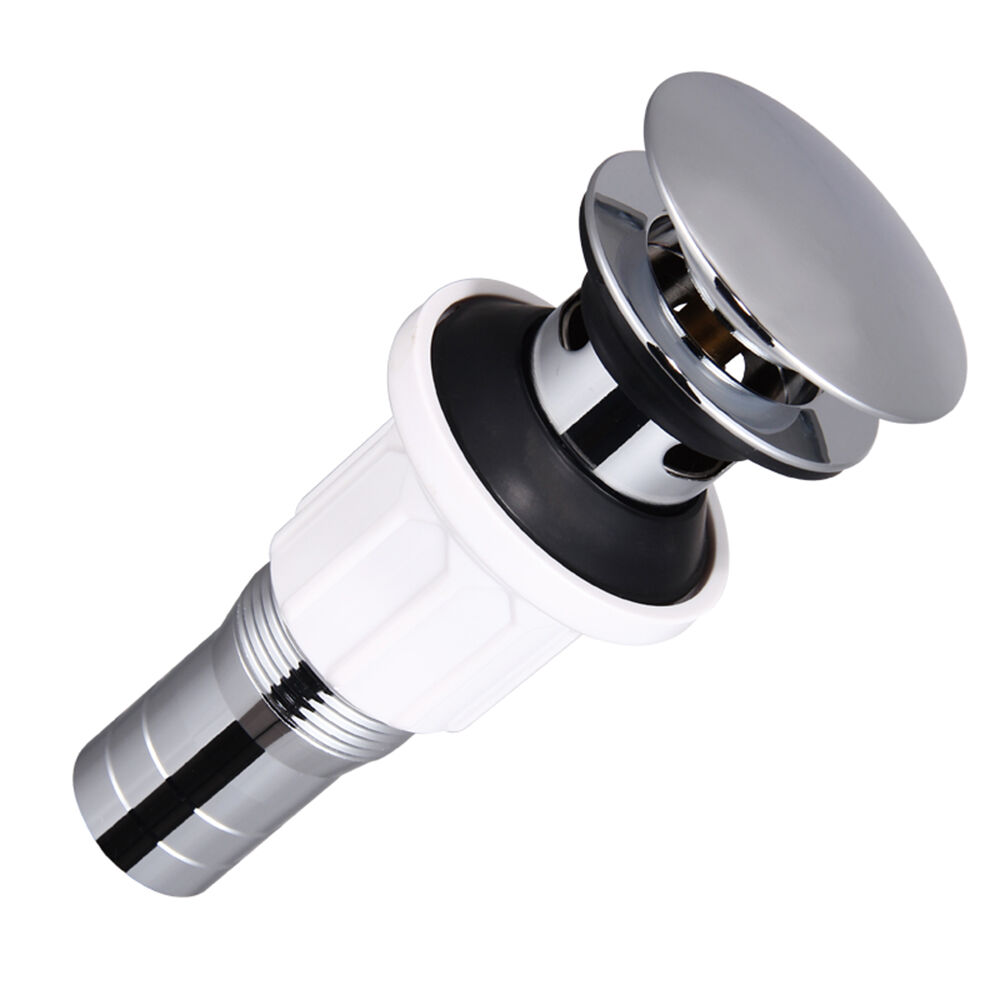
Aesthetic and Design Integration
Visual Appeal Enhancement
Modern basin designs benefit significantly from the streamlined appearance of pop-up drainer systems, which eliminate visible chains and external hardware that can detract from clean design lines. The flush-mounted operation lever integrates seamlessly with contemporary basin aesthetics, supporting minimalist design philosophies prevalent in modern architecture. These systems contribute to the overall visual coherence of bathroom spaces while maintaining full functionality.
The variety of finish options available for pop-up drainer systems allows designers to coordinate drainage components with faucets, handles, and other fixture elements. Chrome, brushed nickel, and specialty finishes enable comprehensive design coordination that enhances the perceived quality and visual appeal of the entire installation. This design flexibility supports both traditional and contemporary aesthetic approaches while maintaining consistent performance standards.
Space Optimization
Compact pop-up drainer mechanisms require minimal under-basin clearance compared to traditional systems, enabling more efficient use of available space in cabinet installations. The elimination of chain hardware reduces the risk of interference with plumbing connections and storage components, supporting cleaner installation configurations. This space efficiency becomes particularly valuable in smaller bathroom designs where every inch of storage capacity matters.
The streamlined profile of modern drainer systems also supports the installation of additional features such as overflow protection and integrated water-saving mechanisms. These enhanced capabilities can be incorporated without increasing the overall system footprint, providing additional functionality within the same installation envelope. The design efficiency supports both new construction and retrofit applications where space constraints may limit options.
Performance and Efficiency Considerations
Water Conservation Features
Advanced pop-up drainer systems often incorporate water conservation features that support sustainable building practices and reduced utility costs. Controlled drainage rates prevent unnecessary water waste during filling operations, while improved sealing performance reduces losses from minor leaks common in traditional systems. These efficiency improvements align with contemporary environmental consciousness and regulatory requirements in many jurisdictions.
The precision engineering of modern drainer mechanisms enables more accurate water level control, supporting efficient water usage patterns in both residential and commercial applications. Users can maintain consistent water levels for various tasks without the gradual drainage losses associated with poorly sealed traditional systems. This improved control contributes to both water conservation and user convenience in daily operations.
Durability and Longevity
Contemporary drainer systems utilize advanced materials and manufacturing processes that significantly extend operational lifespan compared to traditional alternatives. Stainless steel construction resists corrosion and wear, while precision-molded sealing components maintain their effectiveness through thousands of operational cycles. The improved durability reduces replacement frequency and associated installation costs over the system lifecycle.
Quality control processes in modern drainer manufacturing ensure consistent performance across production batches, reducing the variability in product reliability that characterized earlier drainage systems. Rigorous testing protocols verify operational performance under various conditions, providing confidence in long-term system reliability. These quality improvements support warranty programs that reflect manufacturer confidence in product durability and performance consistency.
Installation and Compatibility
Universal Mounting Systems
Modern pop-up drainer assemblies feature standardized mounting dimensions that ensure compatibility with a wide range of basin configurations and installation scenarios. The universal threading and connection specifications support straightforward retrofits of existing installations while accommodating new construction requirements. This standardization reduces inventory requirements for contractors and simplifies specification processes for designers and architects.
Installation procedures for contemporary drainer systems have been streamlined through improved tool access and simplified connection methods. The elimination of complex adjustment procedures reduces installation time and the likelihood of configuration errors that might compromise system performance. These installation improvements support both professional contractors and capable homeowners who choose to perform their own installations.
Integration with Modern Plumbing
Pop-up drainer systems integrate seamlessly with contemporary plumbing practices, including PEX and copper supply systems, while supporting various drain connection configurations. The standardized outlet dimensions ensure compatibility with existing drain assemblies, reducing the scope of installation work required for system upgrades. This compatibility supports cost-effective modernization projects in both residential and commercial settings.
The robust construction of modern drainer systems supports integration with automated building systems, including leak detection and water management technologies. These capabilities enable enhanced monitoring and control in commercial applications where water usage tracking and leak prevention are important operational considerations. The electrical compatibility supports integration with building management systems without requiring specialized interface hardware.
Market Trends and Consumer Preferences
Industry Adoption Patterns
The construction industry has increasingly adopted pop-up drainer systems as standard specifications for new residential and commercial projects, reflecting recognition of their superior performance characteristics. Market research indicates growing consumer preference for integrated drainage solutions that eliminate visible hardware while providing reliable operation. This trend supports continued innovation in drainer technology and manufacturing processes.
Professional plumbing contractors report higher customer satisfaction rates with pop-up drainer installations compared to traditional systems, leading to increased specification and recommendation of these products. The reduced callback rates for maintenance and adjustment issues contribute to improved contractor profitability while enhancing end-user experience. These factors support continued market growth and technology development in the drainage system sector.
Cost-Benefit Analysis
While initial costs for pop-up drainer systems typically exceed those of traditional plug-and-chain alternatives, lifecycle cost analysis demonstrates significant savings through reduced maintenance requirements and extended operational life. The elimination of chain replacement and plug deterioration reduces ongoing maintenance costs while improving system reliability. These economic advantages support adoption in cost-sensitive applications where long-term value is prioritized.
Commercial applications particularly benefit from the reduced maintenance requirements of modern drainer systems, as the costs associated with service calls and component replacement can be substantial in multi-unit installations. The improved reliability translates directly to reduced operational costs and improved tenant satisfaction in commercial properties. These economic benefits support specification of pop-up systems in new construction and major renovation projects.
FAQ
How long do pop-up drainer systems typically last
Quality pop-up drainer systems typically provide 10-15 years of reliable service under normal residential use conditions, with commercial installations experiencing slightly shorter lifespans due to increased usage frequency. The stainless steel construction and precision sealing components resist wear and corrosion effectively, maintaining consistent performance throughout the operational lifespan. Regular cleaning and occasional lubrication of moving parts can extend system life beyond typical expectations.
Can pop-up systems be installed in existing basins
Most pop-up drainer systems can be retrofitted into existing basin installations provided the drain opening matches standard dimensions, which are common across most modern fixtures. The installation process typically requires basic plumbing tools and can often be completed without modifications to existing plumbing connections. Professional installation is recommended for optimal performance and warranty compliance, though capable homeowners can successfully complete the installation with proper preparation.
What maintenance is required for pop-up drainage systems
Pop-up drainer maintenance primarily involves regular cleaning to prevent debris accumulation and occasional inspection of sealing components for wear or damage. The integrated design eliminates most maintenance requirements associated with traditional systems, such as chain replacement and plug deterioration. Monthly cleaning with standard bathroom cleaners and annual inspection of mechanical components typically ensures continued reliable operation throughout the system lifespan.
Are pop-up drainers compatible with all basin types
Pop-up drainer systems are compatible with most basin types that feature standard drain opening dimensions, including ceramic, stone, and composite materials commonly used in contemporary installations. The universal mounting specifications support installation in both undermount and drop-in basin configurations without requiring specialized adapters or modifications. Consultation with plumbing professionals can verify compatibility in unique or vintage installations where standard dimensions may not apply.