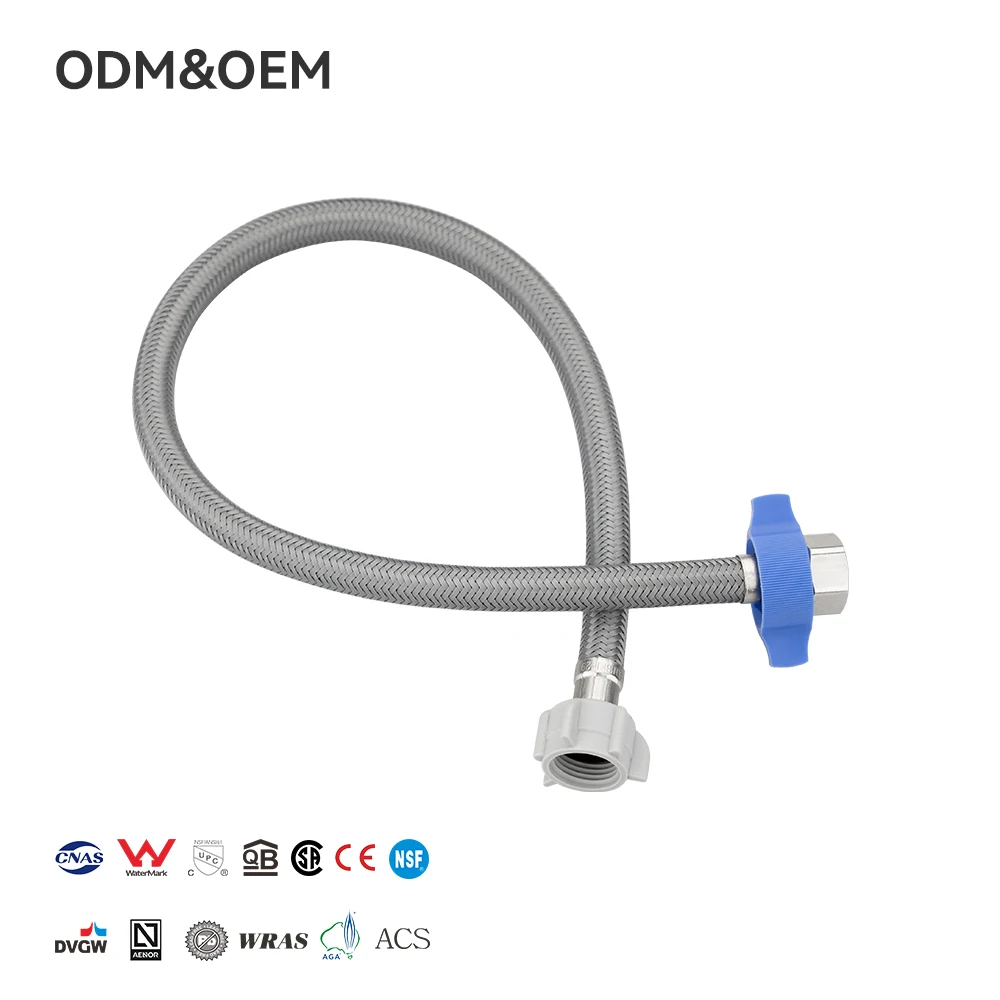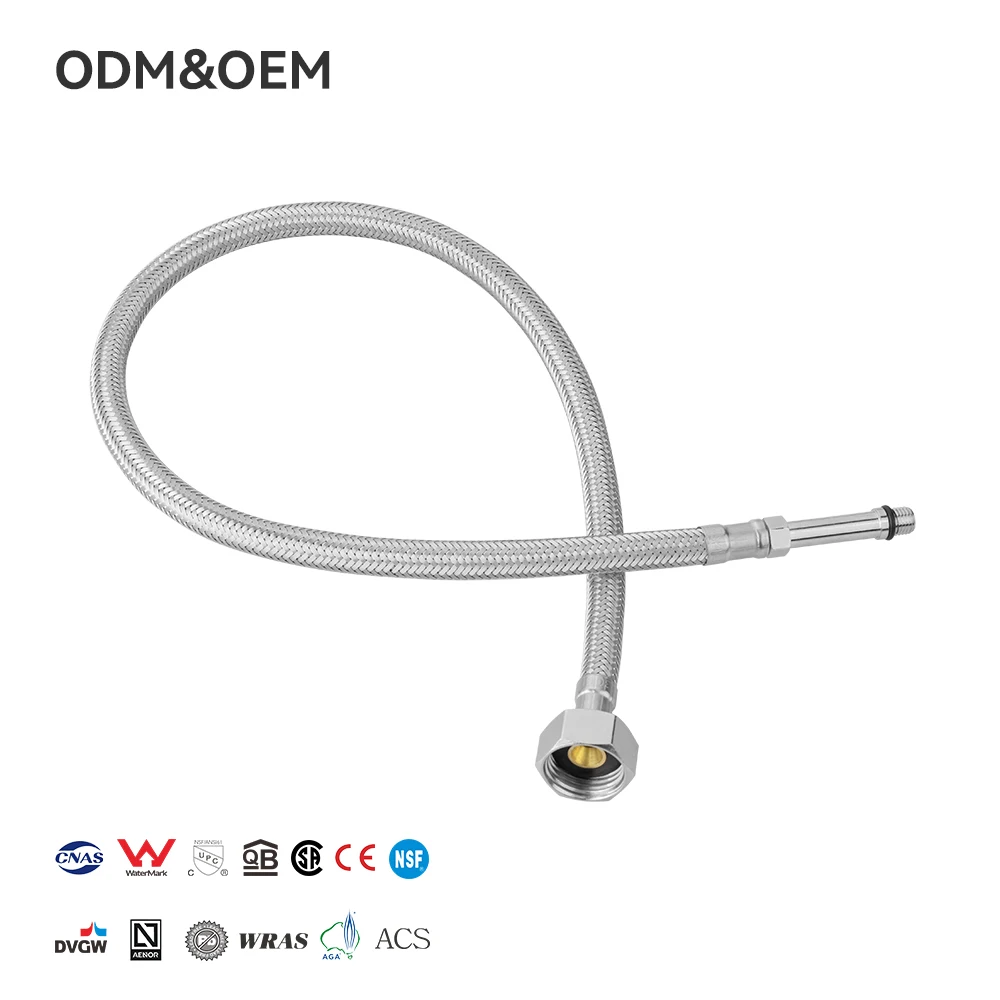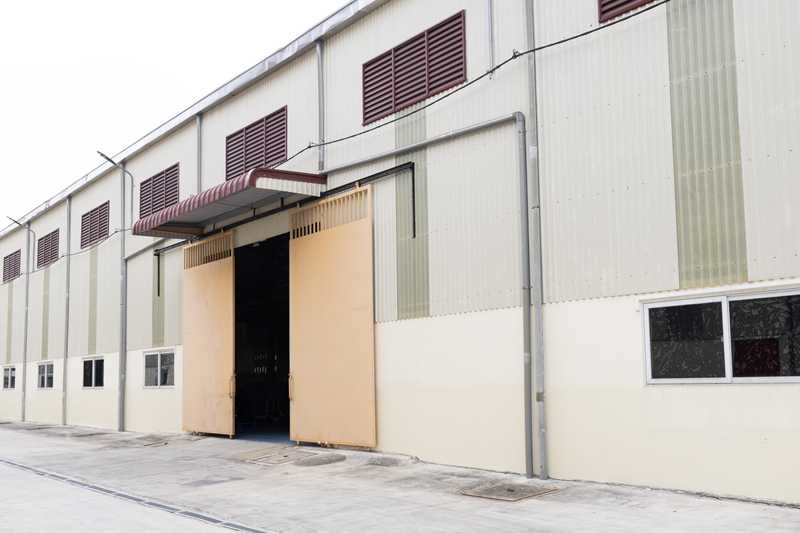
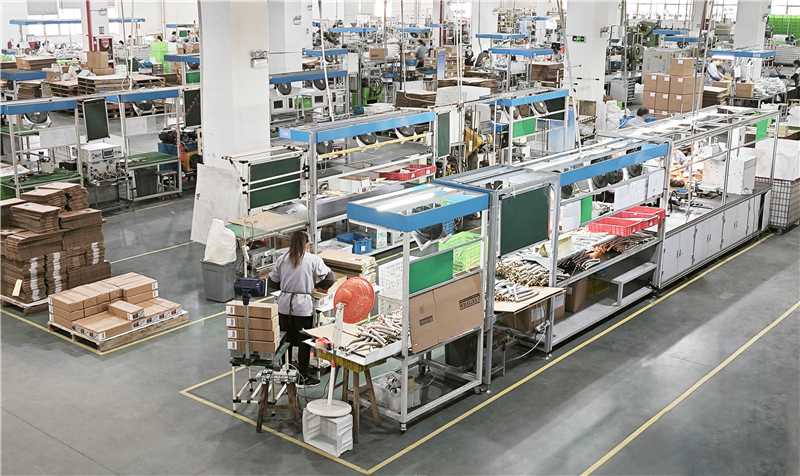
For international importers, wholesalers, plumbing brands and project contractors, selecting a stainless steel braided hose manufacturer is no longer only about comparing unit prices. Lead-time reliability, manufacturing capacity, regulatory documentation, total landed cost and supply continuity can have an equally significant impact on profitability. A supplier that relies on only one production location may find it difficult to respond when capacity becomes tight, shipping routes change or trade policies affect the original sourcing plan.To provide buyers with greater sourcing flexibility, FANSKI has developed a dual-factory manufacturing structure consisting of a core production and engineering base in China and a standardized production base in Long An, Vietnam.The two factories have different operational priorities while following coordinated product specifications, quality requirements and order-management procedures. This allows FANSKI to allocate qualified orders according to product complexity, destination market, compliance requirements, production capacity and requested delivery schedule.
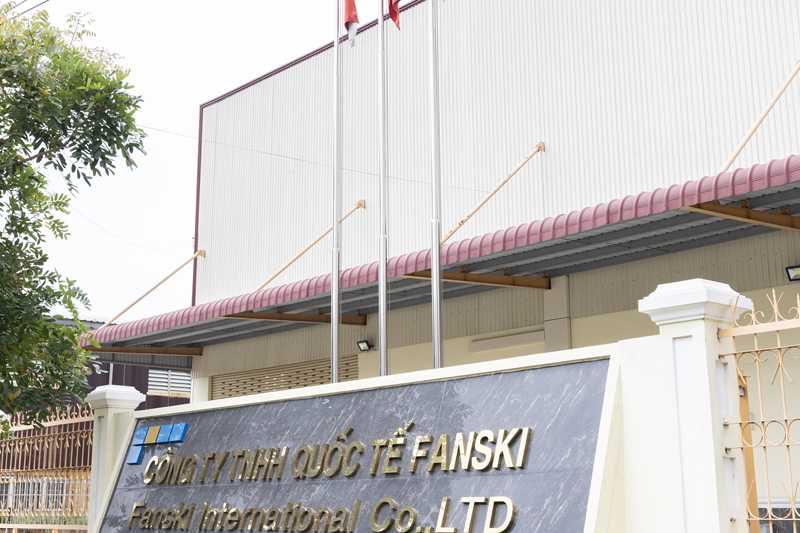
FANSKI’s dual-factory model is designed around complementary capabilities:
The objective is not simply to duplicate production capacity. It is to create a more adaptable manufacturing system for B2B customers with different product, market and delivery requirements.
FANSKI’s China operation serves as the primary base for engineering development, production-process improvement, specialized products and complex quality-control requirements.
It is generally better suited to orders involving:
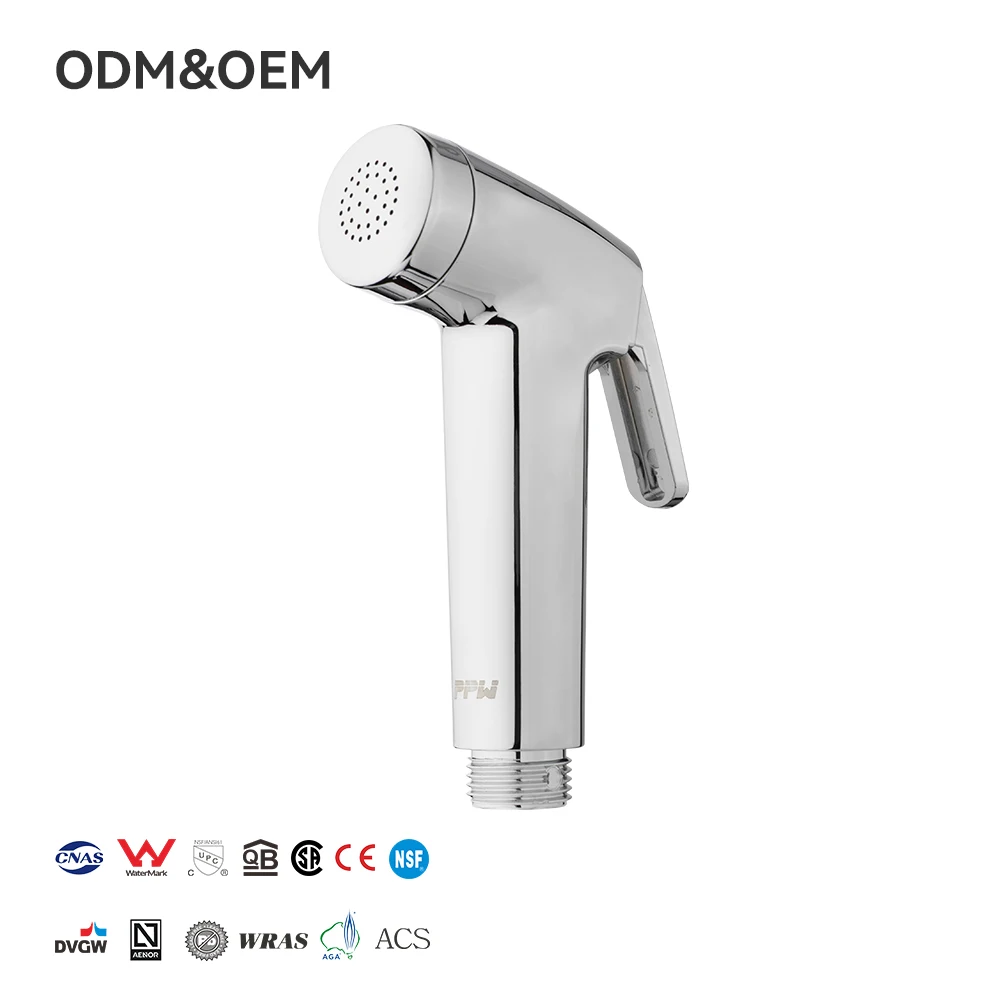
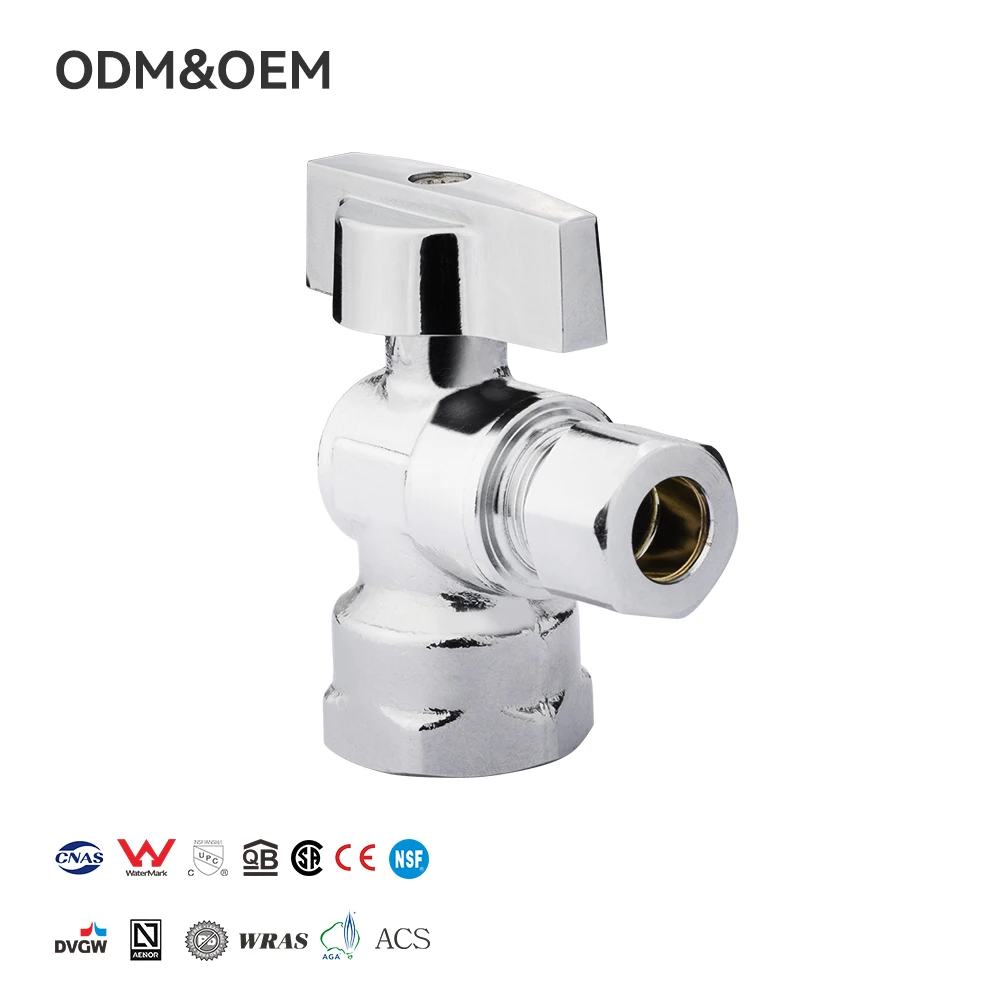
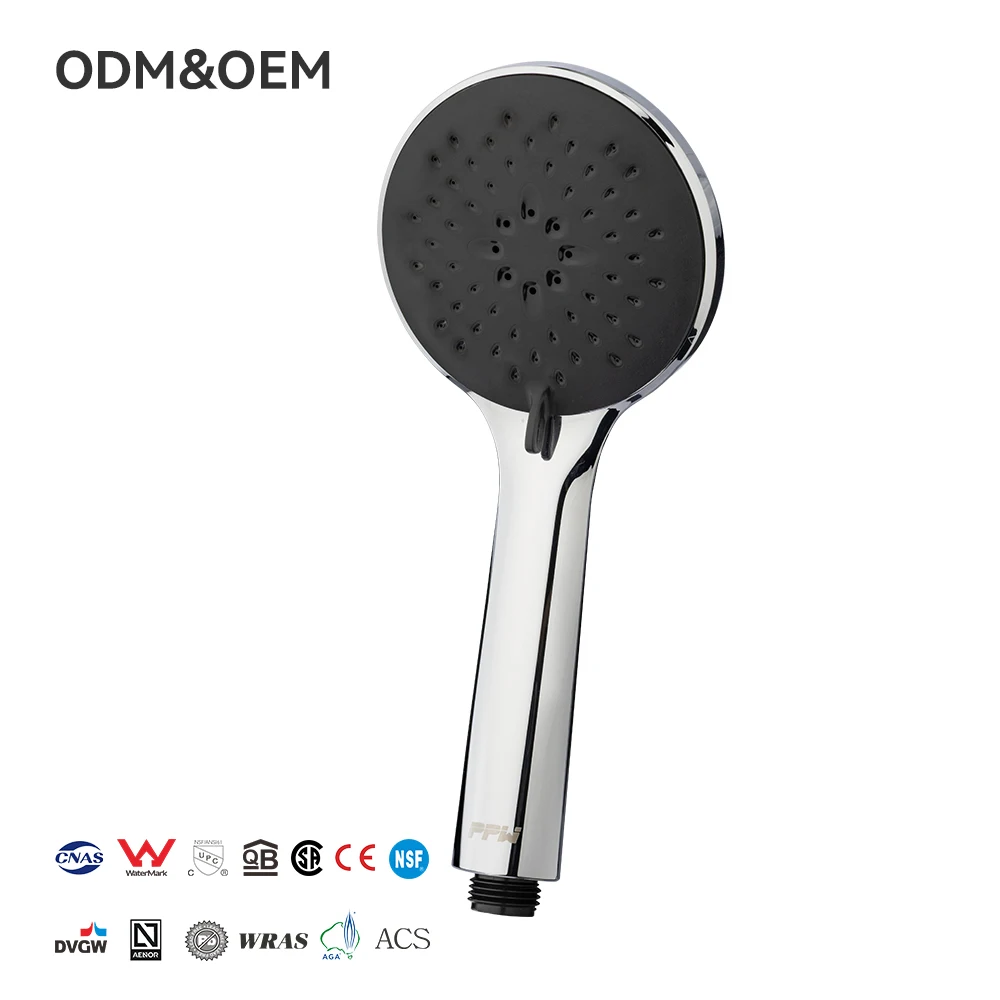
China’s established plumbing and sanitary hardware supply chain also supports the integration of related products, such as angle valves, shower components, floor drains and faucets.For buyers sourcing several product categories in one shipment, centralized production coordination and container consolidation can reduce the time spent communicating with multiple factories. It may also simplify packaging management, inspection arrangements and shipping documentation.
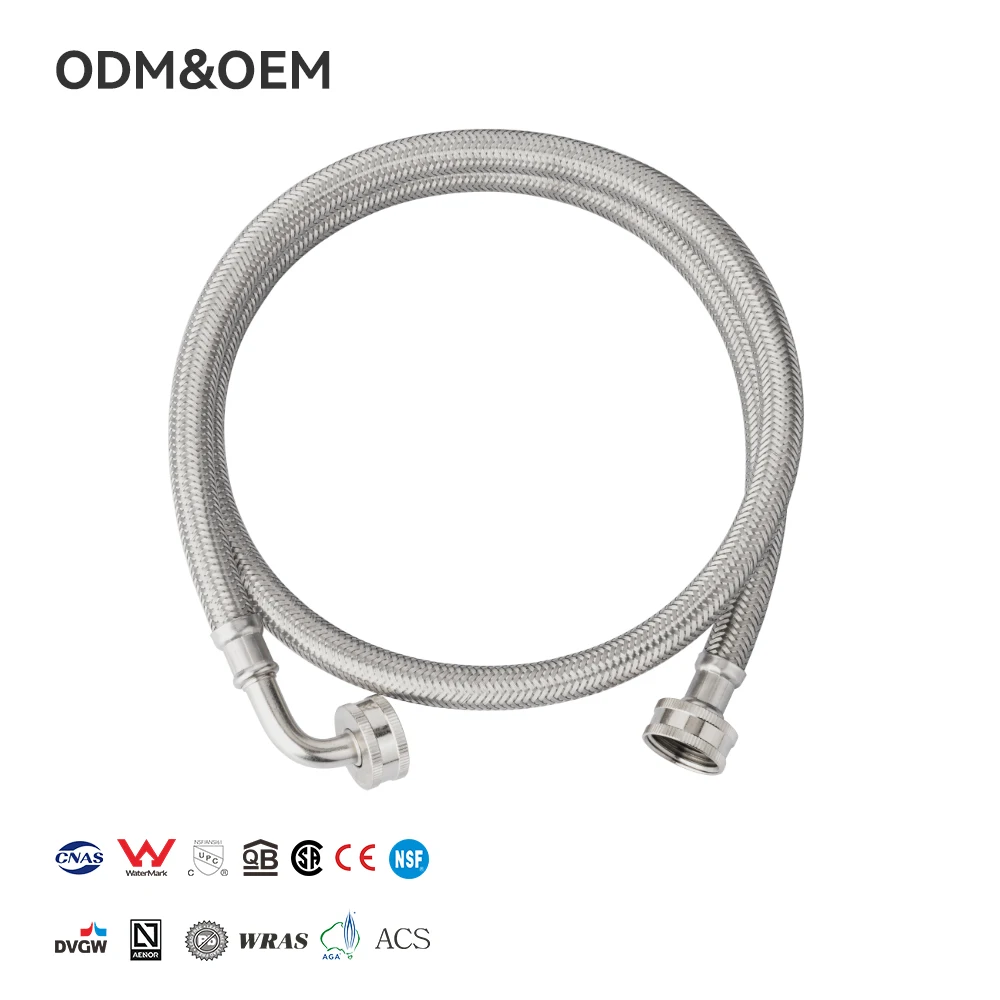
FANSKI’s Long An, Vietnam facility is positioned primarily for standardized, repeat-volume production.Typical applications include established stainless steel braided hose models, corrugated hoses and other products with stable technical specifications and recurring purchase quantities.
For suitable orders, Vietnam production can provide several practical benefits:
The Vietnam factory is not intended to replace the engineering and customization capabilities of the China operation. Instead, the two facilities support different order profiles and can be coordinated when a buyer’s sourcing program includes both standardized and customized products.
Demand for plumbing products can fluctuate significantly throughout the year. Importers may increase purchasing before construction seasons, retail promotions, annual contract renewals or regional holidays.In a single-factory supply model, a sudden increase in orders may result in longer production queues. Equipment maintenance, labor availability or material delays can also affect the original schedule.A dual-factory structure gives FANSKI more options when preparing a production plan.For example, standardized orders may be allocated to Vietnam when the China factory is handling customized or engineering-intensive projects. A large order may also be divided into production batches when the specifications, quality approvals and shipping plan allow it.
This does not mean that every order can be transferred automatically. Factory allocation must be confirmed after reviewing:
By reviewing these factors before order confirmation, FANSKI can propose a more realistic production and delivery plan rather than relying on an unsupported lead-time promise.
For products imported into the United States, China Section 301 duties may affect certain China-origin goods, depending on the applicable HTS classification and current trade measures. The official tariff actions and exclusion arrangements can change, so buyers should confirm the latest treatment for their specific products. Producing or shipping a product from Vietnam does not automatically make it exempt from duties applicable to products of China.For U.S. customs purposes, the country of origin may depend on where the product undergoes a substantial transformation. U.S. Customs and Border Protection generally considers whether manufacturing creates an article with a new name, character or use. Simple assembly or transshipment may not be sufficient.
When evaluating Vietnam production, professional buyers should review:
FANSKI can support the buyer’s review by providing available production-process descriptions, commercial documents and product information. However, the final tariff and country-of-origin determination should be confirmed by the importer, customs broker or relevant authority.
This transparent approach is more reliable than describing every Vietnam shipment as automatically “tariff-free.”
Vietnam is one of the 15 members of the Regional Comprehensive Economic Partnership, together with China, Japan, South Korea, Australia, New Zealand and ASEAN member states. RCEP provides a regional trade framework that may offer preferential tariff treatment when the applicable product-specific rules of origin and documentation requirements are satisfied.For buyers serving several Asia-Pacific markets, a China–Vietnam production structure can therefore provide more sourcing options.
However, preferential tariff treatment is not determined only by the country of shipment. Buyers should verify the tariff schedule, product classification, origin criteria and required certificate of origin for each destination.
A dual-factory model is valuable only when product consistency can be maintained.
FANSKI’s approach is to coordinate key production and quality requirements across its China and Vietnam operations. Depending on the product and purchase agreement, the control process may include:
For repeat orders, approved samples and controlled specifications provide the reference point for both factories.
Buyers should still confirm the inspection standard, acceptable quality limit, testing method and reporting requirements before mass production. These details should be documented in the purchase contract or quality agreement.
International plumbing products may require different certifications depending on the destination country, application and sales channel.FANSKI’s supplied information references certifications and approvals including NSF, UPC, WRAS, DVGW, WaterMark, CSA, ACS and AGA. However, buyers should not assume that every certificate applies to every product, model, material or manufacturing location.
Before placing an order, the buyer should request and verify:
This verification process protects both the buyer and the manufacturer and helps prevent compliance problems during customs clearance, project approval or retail-channel audits.
For established, repeat-volume products, the Vietnam facility may be evaluated as the preferred production location, subject to product qualification, certificate scope and a proper country-of-origin review.
Customized, high-pressure or engineering-intensive products may be assigned to the China facility.
The production location should be selected according to the required standard, certificate scope, material specification and buyer approval.A certificate should be checked against the exact product and factory rather than accepted only because the supplier holds a certificate with a similar name.
Product models intended for these markets should be reviewed against the applicable WaterMark or other regulatory requirements. Factory allocation should follow the scope stated on the relevant approval documents.
For suitable standardized products, production in Vietnam may reduce the distance to certain regional destinations and support more responsive replenishment.Actual transit time and freight cost still depend on the port, route, carrier, shipment volume and seasonal conditions.
When a buyer needs braided hoses together with angle valves, faucets, shower products or floor drains, the China operation is generally better positioned to coordinate full-category sourcing and container consolidation.
FANSKI can review whether production may be divided or transferred between factories. Feasibility depends on material availability, tooling, approved samples, certification scope and customs requirements.
A detailed request for quotation allows the manufacturer to recommend the correct factory and prepare a more accurate quotation.
For faster evaluation, buyers should provide:
Incomplete specifications may result in inaccurate pricing, unsuitable materials or unnecessary sample revisions.
Professional buyers should ask the supplier:
Clear answers to these questions are more valuable than broad claims about having “global capacity.”
No. The result depends on the product’s HTS classification, manufacturing process and legally determined country of origin. Buyers should obtain professional customs advice for the specific transaction.
Potentially, yes. The order may be divided when product specifications, samples, quality controls, certification scope and origin documentation allow it. The production plan should be approved before manufacturing begins.
They should be manufactured according to the same approved product specification and quality criteria. Buyers should use approved samples, drawings, test requirements and inspection plans to define what “identical” means for the order.
FANSKI’s China operation is generally more suitable for complex customization, engineering development, small-batch multi-model production and mixed-category sanitary hardware orders.
FANSKI’s Vietnam operation is primarily intended for qualified, standardized and repeat-volume products. Final allocation depends on capacity, documentation, material availability and destination requirements.
A China–Vietnam dual-factory structure can provide international buyers with more than additional production capacity.
When managed correctly, it can improve order allocation, support peak-season planning, provide alternative sourcing routes and help buyers evaluate total landed cost more effectively. Its value, however, depends on transparent factory allocation, consistent quality controls, valid certification scope and accurate country-of-origin documentation.
FANSKI combines the engineering and sanitary hardware supply-chain capabilities of its China operation with the standardized volume-production capabilities of its Long An, Vietnam facility.
For each project, the appropriate production plan should be determined by product specifications, quantity, compliance requirements, destination market and delivery schedule—not by a one-size-fits-all sourcing claim.
To request a project evaluation, send FANSKI your product specifications, target market, required certifications, estimated order quantity and expected shipment date. The FANSKI team will review the information and recommend a suitable production and quality-control plan.
Compliance Notice: Tariffs, customs classifications, rules of origin and certification requirements may change. Information in this article is provided for general B2B sourcing purposes and does not constitute legal, customs or tax advice. Importers should verify current requirements with qualified advisers and the relevant authorities.

 Hot News
2026-09-28
2026-07-23
2026-07-16
2026-07-08
2026-07-01
2026-06-25
Copyright © 2026 FANSKI GROUP INC. All rights reserved - Privacy Policy
 EN
EN