
 EN
EN
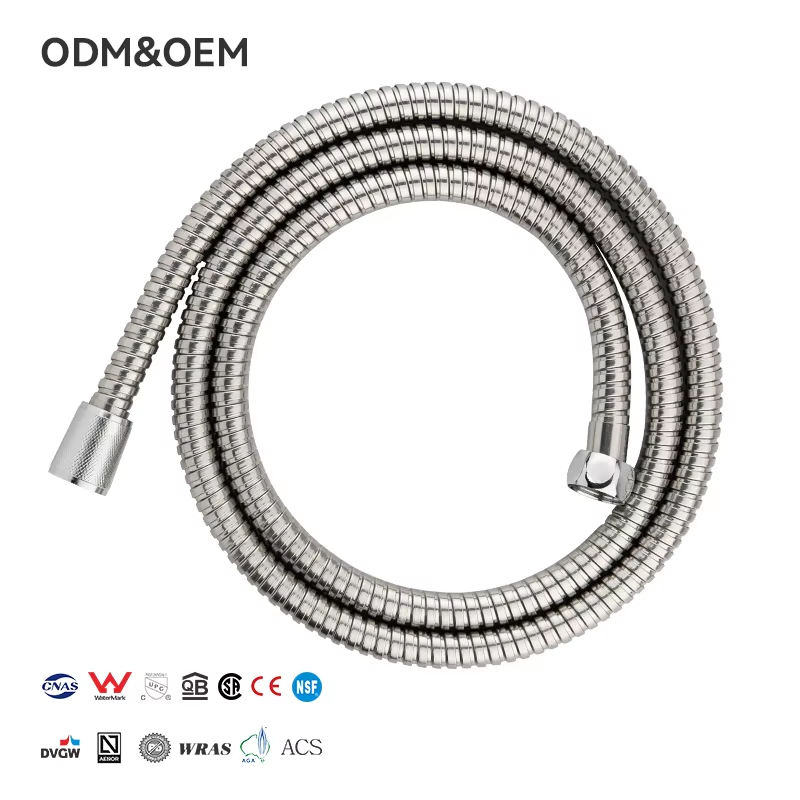
Շղթայական համակարգերում հատակային արտահոսումները մեկն են ամենաշատ հաճախակի հանդիպող մարտահրավերներից արդյունաբերական, առևտրային և բնակելի կիրառումներում: Ավանդական կոշտ ձողերը, չնայած լայն կիրառմանը, հաճախ ձախողվում են միացման կետերում՝ ջերմային ընդլայնման, մեխանիկական լարվածության կամ տեղադրման ժամանակ սխալ համաչափության պատճառով: գործադրելի խողովակ վերացնում է այս թույլ կետերը իր եզակի կառուցվածքային դիզայնի և նյութի հատկությունների շնորհիվ՝ ապահովելով գերազանց հերկանքի կանխարգելման հնարավորություններ, որոնք սովորական մալուխները պարզապես չեն կարող ապահովել: Իմանալով, թե ինչպես է գործադրելի խողովակ կառուցվածքը տարբերվում սովորական այլընտրանքներից, պարզվում է, թե ինչու է այս բաղադրիչը դարձել անհրաժեշտ խիստ պահանջվող միջավայրերում, որտեղ հուսալիությունը բանավոր չի քննարկվում:
Փականային ամբողջականությունը չվնասելու համար ճկուն ձողի հիմնարար առավելությունը կայանում է նրա շարժման, տատանումների և չափսերի փոփոխությունների համապատասխանելու կարողության մեջ: Սովորական ձողերը սովորաբար պատրաստվում են մեկ նյութից և ունեն սահմանափակ ճկունություն, ինչը դրանք դարձնում է վտանգված ամրացման կետերում լարվածության կենտրոնացման նկատմամբ: Ճնշման տատանումների, ջերմաստիճանի փոփոխությունների կամ սարքավորումների տատանումների ազդեցության տակ այս կոշտ կառուցվածքներում առաջանում են միկրոճեղքեր և վարակվածության կետեր, որոնք վերջապես հանգեցնում են հետազոտվող հեղուկի արտահոսքի: Ի հակադրություն դրան՝ ճկուն ձողերը պարունակում են գլանաձև մետաղական կառուցվածքներ կամ բազմաշերտ պարույրաձև կառուցվածքներ, որոնք լարվածությունը հավասարաչափ բաշխում են ամբողջ երկարությամբ՝ կանխելով տեղային անհաջողության կետերի առաջացումը, որոնք առաջացնում են հետազոտվող հեղուկի արտահոսք ավանդական համակարգերում:
Բարելավված հետազոտվող հեղուկի արտահոսքի դիմաց դիմացկունության հիմնարար սկզբունքներ
Գլանաձև կառուցվածք և լարվածության բաշխում
Պատյանի գունդավորված դիզայնը հիմնարարորեն փոխում է մեխանիկական լարվածության կառավարման եղանակը բաղադրիչի ներսում: Ի տարբերություն սովորական հարթ ներքին մակերևույթով պատյանների, որոնք կենտրոնացնում են լարվածությունը ծալման կետերում և միացման սալիկներում, գունդավորված ճկուն պատյանները երկայնքով ունեն շարքային կենտրոնացված բարձրացումներ և իջեցումներ: Այս երկրաչափական կառուցվածքը թույլ է տալիս պատյանին ճկվել և երկարանալ՝ առանց ստեղծելու բարձր լարվածության գոտիներ, որոնք կարող են հանգեցնել նյութի վնասման: Երբ համակարգում առաջանում են ճնշման թավշյա ալիքներ, գունդավորումները միատեսակ են ընդլայնվում՝ այլ ուղղությամբ լարվածություն չստեղծելով թույլ կետերում, ինչը կտրուկ նվազեցնում է պատյանի պատռվելու կամ սեղման վատացման հավանականությունը:
Այս լարվածության բաշխման հնարավորությունը հատկապես արժեքավոր է ջերմային ցիկլավորման կիրառումներում: Երբ ջերմաստիճանը բարձրանում է և իջնում, մալուխային համակարգերը փորձում են չափսերի փոփոխություններ, որոնք սովորական մալուխները չեն կարող հարմարեցնել՝ առանց միացման կետերում ճեղքեր առաջացնելու: Պարույրաձև կառուցվածքի շնորհիվ ճկուն մալուխը կլանում է այս ջերմային շարժումները՝ ամբողջ շահագործման ջերմաստիճանային միջակայքում պահպանելով մշտական հպում սեալինգի մակերևույթներին: Արդյունքում՝ անխաթար հերկանքի բացակայություն է ապահովվում նույնիսկ այն միջավայրերում, որտեղ ջերմաստիճանի տատանումները կարող են առաջացնել կոշտ մալուխների անջատում իրենց միացման մասերից:
Բազմաշերտ սեալինգի ճարտարապետություն
Ժամանակակից ճկուն ծորանների դիզայնը ներառում է բազմաթիվ ստեղծված լարվածության շերտեր, որոնք ապահովում են կրկնակի արտահոսմի կանխարգելման մեխանիզմներ: Ներքին միջուկը, որը սովորաբար պատրաստված է կոռոզիայի դեմ կայուն ստայնլես պողպատից կամ մասնագիտացված պոլիմերներից, կազմում է առաջնային պահպանման արգելափակիչը: Այդ միջուկի շուրջ գտնվող պարույրաձև ամրացված շերտերը ավելացնում են կառուցվածքային ամրություն՝ միաժամանակ ստեղծելով լրացուցիչ ճանապարհներ, որոնք պետք է խախտվեն՝ արտահոսմի առաջացման համար: Այս բազմաշերտ մոտեցումը սուր հակադրվում է սովորական ծորաններին, որոնք ճնշված միջավայրը պահելու համար հիմնված են մեկ պատի հաստության վրա:
Պարույրաձև արտաքին շերտը ճկուն մալուխի մեջ ծառայում է երկու նպատակի՝ հատուկ նախատեսված է արտահոսքի կանխարգելման համար: Առաջինը՝ այն ապահովում է մեխանիկական պաշտպանություն արտաքին վնասվածքներից, որոնք կարող են վնասել ներքին միջուկը: Երկրորդը՝ այն սահմանափակում է ճնշման տակ ռադիալ ընդլայնումը, ապահովելով, որ ներքին խողովակը պահպանի իր ձևը և լարվածության ամբողջականությունը՝ նույնիսկ արագ ճնշման աճի պայմաններում: Սովորական մալուխները չեն ունենում այս ամրացման կառուցվածքը, ինչը դրանք դարձնում է վտանգված բալոնային էֆեկտի նկատմամբ, որը ձգում է լարվածության մակերեսները և ստեղծում արտահոսքի ճանապարհներ միացման կետերում:
Բարձրորակ միացման միջերեսի դիզայն
Միացման կետերը ցանկացած մալուխային համակարգում ամենահաճախ հանդիպող ավարիայի վայրերն են, և հենց այստեղ է ճկուն մալուխների տեխնոլոգիան ակնհայտ առավելություններ ցուցադրում սովորական մալուխների նկատմամբ: Գործադրելի խողովակ միացումները սովորաբար ունեն ճշգրտությամբ մշակված վերջավորություններ, որոնք մեխանիկորեն սեղմված կամ եռացված են լարի մարմնին՝ ստեղծելով մշտական լուսափակում, որը վերացնում է սովորական լարերի հետ օգտագործվող մետաղալարային միացումներն ու սեղմման միացումները: Այս մշտական միացումները վերացնում են թափանցման վտանգը՝ պայմանավորված թարթումով կամ ջերմային ցիկլերով, որոնք ավանդական համակարգերում հատկապես հաճախ են առաջացնում հետազոտված հատվածներ:
Բարձրորակ ճկուն լարի վերջավորության երկրաչափությունը աՊՐԱՆՔՆԵՐ նախատեսված է սեղմման ուժը հավասարաչափ բաշխելու լարի շրջագծի երկայնքով: Այս համաչափ ճնշումը ստեղծում է հաստատուն լուսափակում, որը պահպանում է իր ամբողջականությունը տարբեր շահագործման պայմաններում: Սովորական լարերը հաճախ օգտագործում են լարի սեղմիչներ կամ սեղմման օղակներ, որոնք ստեղծում են կետային բեռնվածության նախշեր՝ թողնելով տեղեր, որտեղ կարող է առաջանալ հետազոտում: Ճկուն լարերի բարելավված միացման կառուցվածքը ապահովում է լուսափակման ուժի հաստատուն մնալը՝ անկախ ճնշման տատանումներից կամ համակարգի ներսում մեխանիկական շարժումներից:
Նյութի հատկությունները, որոնք բարելավում են հերմետիկությունը
Կոռոզիայի դիմացկունություն և երկարաժամկետ ամբողջականություն
Նյութի պատճառած վատացումը խողովակների համակարգերում հանգեցնում է հերմետիկության կորստի՝ աստիճանաբար, սակայն անխուսափելիորեն: Ստանդարտ ռետինե միացումներից կամ ցածր որակի պլաստմասսաներից պատրաստված սովորական խողովակները վտանգված են այն միջավայրի քիմիական ազդեցության նկատմամբ, որով անցնում են, ինչպես նաև մթնոլորտային ազդեցության՝ ՈՒԼ-ճառագայթման, օզոնի և ջերմաստիճանի ստրեսային պայմանների նկատմամբ: Այս նյութերի վատացման հետևանքով դրանք դառնում են թափանցելի և ձեռք են բերում մակերևույթային ճաքեր, որոնք վերջապես ներթափանցում են խողովակի պատի հաստությունը՝ ստեղծելով հերմետիկության կորստի ճանապարհներ: Ստեղծված այնպիսի ճկուն խողովակ, որը պատրաստված է չժանգոտվող պողպատից կամ բարձր կատարողականությամբ պոլիմերներից, դիմացկուն է այս վատացման մեխանիզմներին և պահպանում է պատի ամբողջականությունը ամբողջ շահագործման ժամանակահատվածում:
Հատկապես չժանգոտվող պողպատի ճկուն մալուխները ցուցաբերում են բացառիկ դիմացկունություն ինչպես ներքին, այնպես էլ արտաքին կոռոզիայի նկատմամբ: Չժանգոտվող պողպատի մակերևույթին առաջացող պասսիվ օքսիդային շերտը ապահովում է շարունակական պաշտպանություն քիմիական ազդեցության դեմ՝ նույնիսկ ագրեսիվ միջավայրերում, որտեղ ներառված են թթուներ, հիմներ կամ բարձր քլորիդային կոնցենտրացիաներ: Այս կոռոզիայի դիմացկունությունը ուղղակիորեն հանգեցնում է հետազոտված հեղուկի արտահոսքի կանխարգելման, քանի որ մալուխի պատը պահպանում է իր կառուցվածքային ամբողջականությունը և ժամանակի ընթացքում չի բարականում: Սովորական մալուխները չեն օժտված այս ինքնապաշտպանվող հատկությամբ և պահանջում են հաճախակի ստուգում ու փոխարինում՝ կոռոզիայի ենթարկված հատվածներից հետազոտված հեղուկի արտահոսքը կանխարգելելու համար:
Ջերմաստիճանային կայունություն և չափային համապատասխանություն
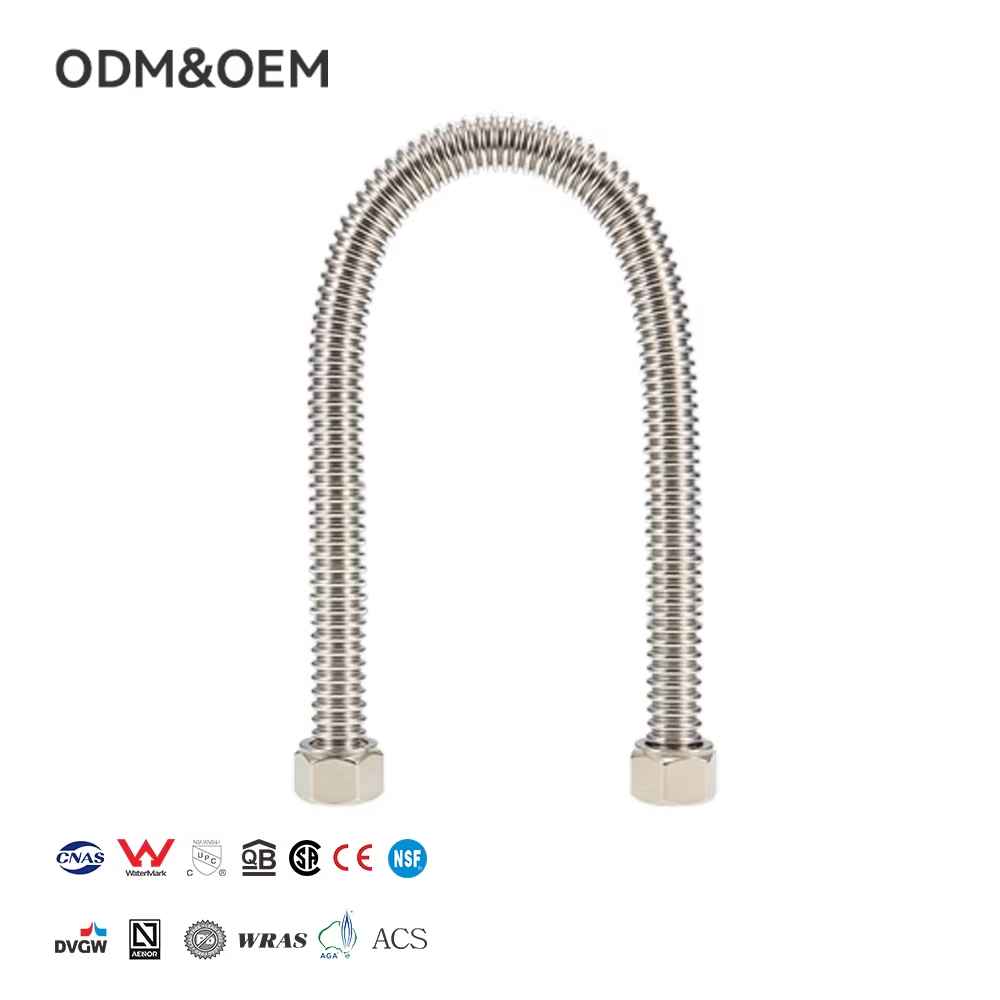
Ջերմաստիճանի փոփոխությամբ պայմանավորված չափսերի փոփոխությունները ամենամյա հազարավոր լարային կիրառումներում հանգեցնում են սեղմադիրների ձախողմանը: Սովորական ռետինե կամ պլաստմասսայե լարերը ունեն նշանակալի ջերմային ընդլայնման գործակից, այսինքն՝ ջերմաստիճանի փոփոխության դեպքում դրանք զգալիորեն մեծանում և փոքրանում են: Այս չափսերի անկայունությունը սառը պայմաններում ստեղծում է միացման կետերում բացվածքներ, իսկ տաք պայմաններում՝ չափից շատ սեղմում, և երկու դեպքում էլ վնասվում է սեղմադիրների ամբողջականությունը: Մետաղից պատրաստված ճկուն լարը պահպանում է չափսերի կայունությունը շատ ավելի լայն ջերմաստիճանային միջակայքում, ապահովելով սեղմադիրների մակերևույթների ճիշտ միացումը՝ անկախ ջերմային տատանումներից:
Ջերմաստիճանի աշխատանքային հատկությունների առավելությունը չի սահմանափակվում չափսերի կայունությամբ: Շատ ճկուն ծորանների դիզայներ կարող են անընդհատ աշխատել այնպիսի ջերմաստիճաններում, որոնք սովորական ծորանների համար կհանգեցնեին փափկեցման, կարծրացման կամ ամբողջովին քայքայման: Մետաղական ճկուն ծորանները սովորաբար կարող են դիմանալ 500 աստիճան Ցելսիուսից բարձր ջերմաստիճաններին՝ պահպանելով իրենց կառուցվածքային ամրությունը և լուսափակման աշխատանքային հատկությունները: Այս բարձր ջերմաստիճաններում աշխատելու կարողությունը ճկուն ծորանները դարձնում է միակ հնարավոր տարբերակը գոլորշու, տաք գազերի կամ բարձր ջերմաստիճանի հեղուկների հետ աշխատող կիրառումներում, որտեղ սովորական ծորանները կձախողվեին կատաստրոֆալիս և կստեղծեին վտանգավոր հատակային արտահոսքի իրավիճակ:
Ցիկլային բեռնվածության տակ մաշվելու դիմացկունություն
Շղթայավորման համակարգերը հազվադեպ են աշխատում ստատիկ պայմաններում: Փողերի, փականների և սարքավորումների թարթումը ստեղծում է ցիկլային բեռնվածություն, որը սովորական մալուխները երկար ժամանակ չեն կարողանում դիմանալ: Յուրաքանչյուր ծալման ցիկլ առաջացնում է մալուխի նյութում միկրոսկոպիկ վնասների կուտակում, ինչը վերջապես հանգեցնում է հոգնածության ճեղքերի, որոնք տարածվում են պատի միջով և առաջացնում են հետազոտվող հեղուկի արտահոսում: Պատրաստված է մալուխ, որը հատուկ նախագծված է միլիոնավոր ծալման ցիկլեր դիմանալու համար՝ առանց հոգնածության վնասների առաջացման, շնորհիվ իր գլանաձև կառուցվածքի և բարձրորակ նյութերի, որոնք դիմացող են ճեղքերի առաջացմանը և տարածմանը:
Լաբորատորիայում կատարված փորձարկումները ցույց են տալիս ճկուն մալուխների և սովորական այլընտրանքների միջև մեծ տարբերությունը մաշվածության ժամկետի տեսանկյունից: Եթե ստանդարտ ռետինե մալուխները կարող են դիմանալ տասնյակ հազարավոր ճկման ցիկլերի՝ մինչև վնասվելը, ապա բարձրորակ մետաղական ճկուն մալուխները նույն պայմաններում կարող են դիմանալ միլիոնավոր ցիկլերի: Այս երկարացված մաշվածության ժամկետը ուղղակիորեն նշանակում է հատվածային արտահոսքերի նվազում և ավելի երկար սպասարկման միջակայքեր, ինչը ճկուն մալուխների տեխնոլոգիան անհրաժեշտ դարձնում է այն կիրառումներում, որտեղ սարքավորումների թարթումը կամ ջերմային ցիկլավորումը ստեղծում են ծանր շահագործման պայմաններ:
Կիրառման համար սահմանված արտահոսքերի կանխարգելման առավելություններ
Բարձր ճնշման համակարգեր և ճնշման հանկարծակի վերելքի կառավարում
Ճնշման ալիքները, որոնք հայտնի են որպես ջրային մուրճ, ստեղծում են ճնշման ակնթարթային տատանումներ, որոնք կարող են մի քանի անգամ գերազանցել համակարգի նախագծային ճնշումը: Սովորական խողովակները արձագանքում են այս ալիքներին ճառագայթային ընդարձակմամբ, որը ձգում է կնքման մակերեսները և կարող է առաջացնել անհապաղ կամ աստիճանական կնիքների խափանում: Ճկուն խողովակի ամրացված կառուցվածքը սահմանափակում է ճառագայթային ընդարձակումը՝ պահպանելով կնիքների սեղմումը նույնիսկ ուժեղ ճնշման անցումային տատանումների ժամանակ: Հյուսված արտաքին շերտը գործում է որպես ճնշման պահպանման կառուցվածք, որը կանխում է ներքին միջուկի ընդարձակումը նախագծային սահմաններից այն կողմ՝ ապահովելով, որ միացման կնիքները մնան անվնաս ալիքների ժամանակ:
Հիդրավլիկական համակարգերում, որտեղ ճնշումը գերազանցում է 3000 psi-ն, ճկուն խողովակների հատկությունները հերթական արտահոսումների կանխարգելման մեջ հատկապես ակնհայտ են: Այս ճնշման մակարդակներում սովորական խողովակները պահանջում են հաճախակի ստուգում և փոխարինում, քանի որ սեղմման միացումները սկսում են թուլանալ, իսկ խողովակների նյութերը՝ մեծացված լարվածության տակ մաշվել: Բարձր ճնշման համար նախատեսված ճկուն խողովակը պարունակում է մի քանի պարույրաձև շերտեր և ճշգրիտ վերջամասային միացումներ, որոնք ապահովում են արտահոսումներից ազատ աշխատանք ամբողջ ճնշման միջակայքում, ինչը նվազեցնում է սպասարկման անհրաժեշտությունը և վերացնում բարձր ճնշման արտահոսումների հետ կապված անվտանգության ռիսկերը:
Վայրեր ինտենսիվ թրթռումների առկայությամբ
Սարքավորումների թրթռումը մշտական խնդիր է արդյունաբերական օբյեկտներում, մասնավորապես պտտվող մեքենաների, կոմպրեսորների և շարժիչով աշխատող սարքավորումների մոտ: Այս թրթռումը փոխանցվում է կոշտ խողովակների և սովորական ճկափողերի միջով՝ առաջացնելով միացման կցամասերի թուլացում և ստեղծելով հարաբերական շարժում կնքող մակերեսների միջև: Ժամանակի ընթացքում այս շարժումը մաշում է կնքող նյութերը և ստեղծում արտահոսքի ուղիներ: Ճկուն ճկափողը գործում է որպես թրթռման մեկուսիչ՝ կլանելով մեխանիկական էներգիան, որը այլապես կլարեր միացման կետերը, և ապահովելով ճկուն կապ, որը կանխում է թրթռման փոխանցումը խողովակաշարի երկայնքով:
Պարտատարած խողովակների թափառման մեկուսացման հնարավորությունը երկարացնում է սարքավորումների ծառայության ժամկետը՝ միաժամանակ կանխելով հետազոտված հեղուկների արտահոսքը: Պարտատարած խողովակների օգտագործմամբ թափառող սարքավորումների ապամիացումը կոշտ խողովակավորման համակարգերից նվազեցնում է ճնշումը պոմպերի, փականների և միացված բաղադրիչների վրա: Այս մեկուսացման ազդեցությունը նվազեցնում է կոշտ խողովակներում ճաքերի առաջացման պատճառ հանդիսացող հոգնածության բեռնվածքը և կանխում է մետաղական միացման մասերի անջատումը, որը կարող էր տեղի ունենալ, եթե սովորական խողովակները ամբողջությամբ փոխանցեին թափառման էներգիան: Արդյունքում ստացվում է ավելի հուսալի համակարգ՝ նշանակալիորեն նվազած արտահոսքերի դեպքերով և ցածր սպասարկման ծախսերով:
Համատեղման հարմարեցում և տեղադրման թույլատրելի սխալներ
Իրական աշխարհում միացման կետերի միջև կատարյալ համատեղվածությունը հազվադեպ է գոյություն ունենում: Սարքավորումների իջեցումը, հիմքի շարժումը և տեղադրման թույլատրելի սխալները ստեղծում են անկյունային և շեղված անհամատեղվածություններ, որոնք սովորական մալուխները չեն կարողանում հաշվի առնել՝ առանց միացման կետերում լարվածության կենտրոններ ստեղծելու: Այդ լարվածության կենտրոնները վնասում են ամրացման ամբողջականությունը և ստեղծում են հոսքի ճանապարհներ: Պարզ մալուխը հաշվի է առնում անհամատեղվածությունը իր բնորոշ ճկունության շնորհիվ, ինչը թույլ է տալիս նրան միացնել շեղված միացումները՝ առանց ֆիտինգների վրա չափից շատ բեռ ստեղծելու կամ ամրացումը վնասող լարվածության օրինակներ ստեղծելու:
Այս թեքումների համակերպման հնարավորությունը պարզեցնում է տեղադրումը՝ միաժամանակ բարելավելով հերմետիկության ապահովումը: Տեղադրողները կարող են միացնել սարքավորումները՝ առանց ճշգրիտ համակերպման ձեռք բերելու, քանի որ ճկուն ծորակը կհամակերպի չափսերի տատանումները՝ առանց աշխատանքային ցուցանիշների վրա ազդելու: Այս թույլատրելի շեղումը նվազեցնում է տեղադրման ժամանակը և վերացնում է սովորական կոշտ ծորակների օգտագործման դեպքում անհրաժեշտ ճշգրիտ չափումների և համակերպման ընթացակարգերի անհրաժեշտությունը: Փոքրացված տեղադրման լարումը հանգեցնում է լավագույն սկզբնական լուսարարման որակի և երկարատև առանց հատակային արտահոսքի աշխատանքային ժամկետի:
Պահպանման և երկարատևության գործոնները հերմետիկության ապահովման մեջ
Վերահսկման հասանելիությունը և հատակային արտահոսքի հայտնաբերումը
Վաղաժամկետ հայտնաբերումը կարևորագույնն է փոքր արտահոսումների կանխարգելման համար, որպեսզի դրանք չվերածվեն կատաստրոֆիկ ձախողումների: Շատ ճկուն մետաղալարերի մետաղական կառուցվածքը տալիս է տեսողական ստուգման առավելություններ սովորական լարերի նկատմամբ: Մետաղական ճկուն լարերի մակերեսի կոռոզիան, մեխանիկական վնասվածքները կամ միացման մասերի վատացումը հեշտությամբ տեսանելի են, ինչը թույլ է տալիս սպասարկման անձնակազմին նախապես հայտնաբերել հնարավոր արտահոսման ուղիները՝ ձախողումը տեղի ունենալուց առաջ: Սովորական ռետինե կամ պլաստիկ լարերը հաճախ թաքցնում են ներքին վնասվածքները, մինչև արտաքին արտահոսումը դառնա ակնհայտ, իսկ դրանից հետո կարող է արդեն տեղի ունենալ նշանակալի հեղուկի կորուստ:
Ժամանակակից ճկուն լարերի տեղադրումները կարող են ներառել հատուկ համակարգեր՝ ներքին ստվարաթղթի և արտաքին պարույրաձև շերտերի միջև տարածքը վերահսկելու համար: Եթե ներքին ստվարաթուղթը առաջացնում է արտահոսում, արտահոսող միջավայրը պահվում է արտաքին պարույրաձև շերտի կողմից և կարող է հայտնաբերվել ճնշման վերահսկման կամ տեսանելի զննման միջոցով՝ մինչև արտաքին արտահոսումը տեղի ունենա: Այս կրկնակի պահպանման հատկանիշը հնարավոր չէ սովորական մեկշերտ լարերի դեպքում և ապահովում է լրացուցիչ անվտանգության մարգին կրիտիկական կիրառումներում, որտեղ արտահոսման կանխարգելումը առաջնային նշանակություն ունի:
Սպասարկման ժամկետ և փոխարինման ընդմիջումների երկարացում
Պարզագույն մետաղալարերի երկարացված սպասարկման ժամկետը ուղղակիորեն նպաստում է հոսքի կանխարգելմանը՝ նվազեցնելով բաղադրիչների փոխարինման հաճախականությունը և դրանց կապակցված միացման խանգարումները: Յուրաքանչյուր անգամ, երբ սովորական մետաղալարը փոխարինվում է, կա ռիսկ, որ նոր տեղադրումը չի հասնի օպտիմալ լուծարման որակի, ինչը ստեղծում է հնարավոր հոսքի կետեր: Մետաղալարը, որը հուսալիորեն աշխատում է տասնամյակներ շարունակ, այլ ոչ թե տարիներ, նվազեցնում է այս փոխարինման ցիկլերը և պահպանում է սկզբնական միացման ամբողջականությունը ամբողջ սպասարկման ժամանակահատվածում:
Տնտեսական վերլուծությունը համապատասխանաբար ցույց է տալիս, որ որակյալ ճկուն ձողիկավոր համակարգերի բարձր սկզբնական արժեքը հատուցվում է նվազած սպասարկման պահանջներով և չեզոքացված հատվածների կորուստներով: Ընդհանուր սեփականության արժեքը հաշվարկելիս ճկուն ձողիկավոր համակարգերի հատվածների կանխարգելման հնարավորությունները ապահովում են կարևոր խնայողություններ՝ նվազեցված հեղուկի կորուստների, վերացված շրջակա միջավայրի մաքրման ծախսերի և հատվածների վերանորոգման հետ կապված արտադրության կանգառների խուսափելու շնորհիվ: Այս տնտեսական առավելությունները ճկուն ձողիկավոր տեխնոլոգիան դարձնում են նախընտրելի ընտրություն այն կիրառումներում, որտեղ հատվածների կանխարգելումը կրիտիկական կատարողական պահանջ է:
Կանխատեսելի կատարում և անհաջողության ռեժիմի բնութագրեր
Երբ ճկուն մալուխները վերջապես հասնում են իրենց ծառայության ժամկետի ավարտին, դրանք սովորաբար ցուցադրում են կանխատեսելի ձևեր ձախողման, որոնք թույլ են տալիս պլանային փոխարինում կատարել կատաստրոֆային հատակային արտահոսքերի առաջացումից առաջ: Մետաղական ճկուն մալուխները կարող են ցուցադրել մակերեսային կոռոզիա կամ միացման մասերում փոքր քանակությամբ հատակային արտահոսք, ինչը տալիս է վաղաժամկետ նախազգուշացում մոտալուտ փոխարինման անհրաժեշտության մասին: Այս կանխատեսելի վատացման օրինակը սուր հակադրվում է սովորական մալուխներին, որոնք հաճախ անսպասելիորեն ձախողվում են՝ առանց նախազգուշացման, ինչը ստեղծում է անսպասելի հատակային արտահոսքեր, որոնք վնասում են սարքավորումները և բերում են արտադրական կորուստների:
Պտտվող մասերի համար նախատեսված մետաղական ձուլածո մասերի աստիճանական վնասման ընթացքը հնարավորություն է տալիս կիրառել վիճակի վրա հիմնված սպասարկման ստրատեգիաներ, որոնք օպտիմալացնում են փոխարինման ժամանակը: Փոխարենը՝ հետևել կամայական ժամանակային փոխարինման գրաֆիկների, որոնք կարող են կամ վաղաժամկեն փոխարինել ձուլածո մասերը, կամ թույլ տալ դրանց աշխատել անվտանգ սահմաններից դուրս, սպասարկման թիմերը կարող են ստուգել պտտվող մասերի վիճակը և հիմնվելով իրական բաղադրիչի վիճակի վրա՝ կայացնել հիմնավորված որոշումներ դրանց փոխարինման վերաբերյալ: Այս մոտեցումը մաքսիմալացնում է սպասարկման ժամկետը՝ միաժամանակ պահպանելով հերմետիկության ապահովման արդյունքները, ինչը ապահովում է ինչպես շահագործման հուսալիություն, այնպես էլ ծախսերի արդյունավետություն:
Հաճախադեպ տրվող հարցեր
Ի՞նչն է անելիս պտտվող մասերի համար նախատեսված մետաղական ձուլածո մասերը ավելի դիմացկուն վիբրացիայի պատճառով առաջացած հերմետիկության կորստի նկատմամբ, քան սովորական ձուլածո մասերը:
Պարզեցված մալուխը բնութագրվում է գլանաձև կառուցվածքով և պարույրաձև ամրացմամբ, որը կլանում է տատանման էներգիան՝ փոխարենը չհաղորդելով այն միացման կետերին: Այս տատանումների մեկուսացումը կանխում է միացման մասերի սահմանափակումը և սեալի մաշվածությունը, որոնք առաջացնում են հետազոտված մալուխներում հեղուկի արտահոսում, երբ դրանք ենթարկվում են մեխանիկական տատանումների: Պարզեցված կառուցվածքը նաև թույլ է տալիս փոքր շարժումներ՝ առանց լարվածության կենտրոնների ստեղծման, որոնք կվնասեին սեալի ամբողջականությունը կարծր մալուխների դիզայնում:
Կարո՞ղ են պարզեցված մալուխները կանխել հեղուկի արտահոսումը բարձր ջերմաստիճանում աշխատող միջավայրերում, որտեղ սովորական մալուխները ձախողվում են:
Այո, մետաղական ճկուն ձողերը պահպանում են չափային կայունություն և նյութի ամբողջականություն 500 աստիճան Ցելսիուսից բարձր ջերմաստիճաններում, ինչը գերազանցում է սովորական ռետինե կամ պլաստիկ ձողերի շահագործման սահմանափակումները: Այս ջերմաստիճանային կայունությունը ապահովում է, որ սեալինգի մակերեսները ճիշտ կերպով մնան միացված, իսկ ձողի կառուցվածքը չի փափկում, չի կարծրանում կամ չի վատանում այնպես, որ ստեղծվեն հոսքի ճանապարհներ: Ձողերի գերազանցիչ ջերմաստիճանային ցուցանիշները դրանք անհրաժեշտ դարձնում են գոլորշու, տաք գազերի և բարձր ջերմաստիճանի հեղուկների կիրառման մեջ:
Ինչպե՞ս է ճկուն ձողերի միացման դիզայնը նվազեցնում հոսքի ռիսկը սովորական ձողերի միացման մասերի համեմատ:
Բարձրորակ ճկուն մալուխային հավաքածուները օգտագործում են մշտական միացված վերջամասեր, որոնք սեղմված կամ եռացված են մալուխի մարմնին՝ ստեղծելով միացումներ, որոնք չեն կարող բացվել թե՛ վիբրացիայի, թե՛ ջերմային ցիկլավորման պատճառով: Այս մշտական միացումները մալուխի շրջագծի երկայնքով հավասարաչափ են բաշխում սեղմման ուժը՝ ապահովելով հաստատուն սեալինգի ճնշում բոլոր շահագործման պայմաններում: Սովորական մալուխները սովորաբար հիմնված են մետաղալարային միացումների կամ մալուխային սեղմակների վրա, որոնք ժամանակի ընթացքում կարող են բացվել և ստեղծել անհավասարաչափ սեալինգի ճնշում, ինչը հանգեցնում է հետազոտվող հեղուկի արտահոսման:
Ճկուն մալուխները պահպանման ավելի քիչ պահանջ են ներկայացնում՝ ապահովելու համար հետազոտվող հեղուկի արտահոսման կանխարգելումը դրանց շահագործման ընթացքում:
Պարզելի մագլցող խողովակները, որպես կանոն, շատ ավելի քիչ սպասարկում են պահանջում, քան սովորական խողովակները, քանի որ դրանք ավելի մշակված են և դիմացկուն են սովորական ձախողման մեխանիզմներին: Կոռոզիայի դիմացկուն նյութերը, մաշվածության դիմացկուն կառուցվածքը և մշտական վերջամասերը վերացնում են սովորական խողովակների հետ կապված բազմաթիվ ստուգման և ճշգրտման պահանջները: Չնայած պարբերաբար տեսողական ստուգումը մնում է խորհուրդ տրվող, պարզելի մագլցող խողովակները սովորաբար տարիներ կամ տասնամյակներ աշխատում են՝ առանց սովորական խողովակային համակարգերում արտահոսումներից ազատ աշխատանքը պահպանելու համար անհրաժեշտ հաճախակի սեղմման, ճշգրտման կամ փոխարինման:
Բովանդակության ցուցակ
- Բարելավված հետազոտվող հեղուկի արտահոսքի դիմաց դիմացկունության հիմնարար սկզբունքներ
- Նյութի հատկությունները, որոնք բարելավում են հերմետիկությունը
- Կիրառման համար սահմանված արտահոսքերի կանխարգելման առավելություններ
- Պահպանման և երկարատևության գործոնները հերմետիկության ապահովման մեջ
-
Հաճախադեպ տրվող հարցեր
- Ի՞նչն է անելիս պտտվող մասերի համար նախատեսված մետաղական ձուլածո մասերը ավելի դիմացկուն վիբրացիայի պատճառով առաջացած հերմետիկության կորստի նկատմամբ, քան սովորական ձուլածո մասերը:
- Կարո՞ղ են պարզեցված մալուխները կանխել հեղուկի արտահոսումը բարձր ջերմաստիճանում աշխատող միջավայրերում, որտեղ սովորական մալուխները ձախողվում են:
- Ինչպե՞ս է ճկուն ձողերի միացման դիզայնը նվազեցնում հոսքի ռիսկը սովորական ձողերի միացման մասերի համեմատ:
- Ճկուն մալուխները պահպանման ավելի քիչ պահանջ են ներկայացնում՝ ապահովելու համար հետազոտվող հեղուկի արտահոսման կանխարգելումը դրանց շահագործման ընթացքում: