
 EN
EN
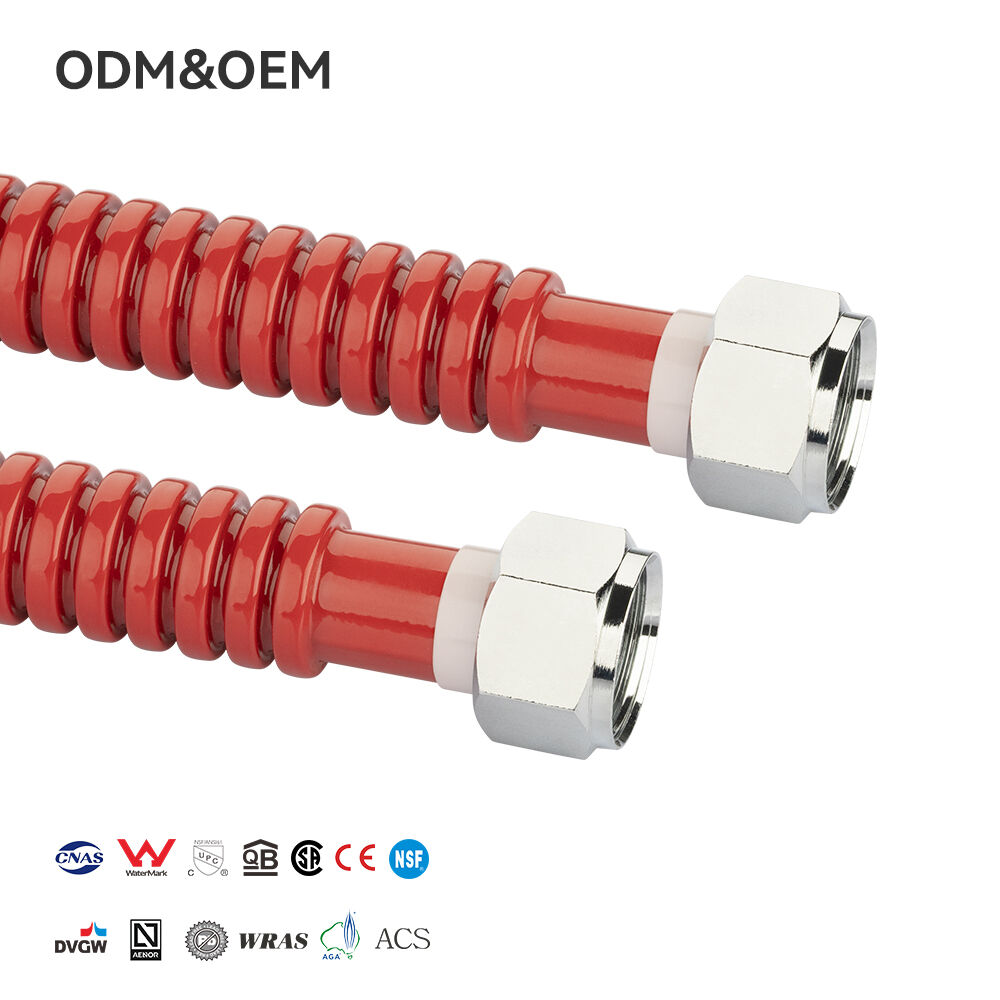
Ճիշտը ընտրելը Գազային փոխադրական խողովակ չի նշանակում պարզապես շուկայում ամենացածր գնով ապրանքը ընտրել կամ ենթադրել, որ բոլոր աՊՐԱՆՔՆԵՐ մակերեւույթին նման են: Շուրջբնական խոհանոցի վառարանի, առևտրային ջրի տաքացուցիչի կամ արդյունաբերական վառիչի համար գազ տեղափոխող մի լար պետք է համապատասխանի ճնշման դիմադրության, նյութի ամբողջականության և երկարաժամկետ հատուկ արտահոսման կանխարգելման խիստ ստանդարտներին: Ստորակարգ լարի օգտագործման հետևանքները լուրջ են՝ սկսած թանկարժեք սարքավորումների անսարքությունից մինչև վտանգավոր գազի արտահոսումներ, որոնք սպառնում են անվտանգությանը: Այդ պատճառով գնման առաջ լարի որակը գնահատելու կարողությունը ցանկացած մատակարարման մասնագետի, տեղադրողի կամ շենքի կառավարիչի ձեռքբերելու ամենակարևոր հմտություններից մեկն է:
Բարձր որոշակիությամբ Գազային փոխադրական խողովակ միավորում է caրգավորված հումքային նյութեր, ճշգրտությամբ կատարված մեքենայացված մշակում և հաստատուն արտադրական վերահսկողություն՝ ապահովելով հուսալի աշխատանքային ցուցանիշներ հազարավոր ճկուն ցիկլերի և տարիներ շարունակ անընդհատ օգտագործման ընթացքում: Սակայն շատ գնորդներ դժվարանում են տարբերել լավ արտադրված մետաղալարը այն մետաղալարից, որը առաջին հայացքից թվում է բավարար, սակայն իրականում չի համապատասխանում պահանջներին: Այս հոդվածը մանրամասն վերլուծում է որակի հստակ ցուցանիշները՝ սկսած նյութի բաղադրությունից և գլանաձև մակերեսի դիզայնից մինչև սերտիֆիկացման նշանակումները և միացման մասերը, որպեսզի դուք ամեն անգամ, երբ գնում եք կամ նշանակում եք այս կրիտիկական բաղադրիչը, կարողանաք կայուն և հիմնավորված որոշում կայացնել:
Նյութի բաղադրությունը՝ որակի հիմքը
Ինչու է կարևոր ստայնլես պողպատի մակարդակը
Արտադրության համար օգտագործվող նյութը Գազային փոխադրական խողովակ սա նրա ընդհանուր որակի վրա ամենաշատ ազդող գործոնն է: Գազ տեղափոխող ճկուն ձողերի համար արդյունաբերության ստանդարտը 304 չժանգոտվող պողպատն է, իսկ հատկապես ագրեսիվ միջավայրերի համար ավելի նախընտրելի է 316 չժանգոտվող պողպատը: Այս պողպատի տեսակները ապահովում են ճշգրիտ հավասարակշռություն ձգման ամրության, կոռոզիայի դեմ դիմացկունության և պլաստիկության միջև՝ այն հատկությունները, որոնք անհրաժեշտ են, երբ ձողը պետք է մի քանի անգամ ճկվի՝ միաժամանակ պարունակելով ճնշված գազ:
Երբ դուք ստուգում եք ձողը, ստուգեք՝ արդյոք արտադրողը հստակ նշում է օգտագործված պողպատի տեսակը: Ընդհանուր հայտարարություններ, ինչպես օրինակ ապրանքի պարզապես «չժանգոտվող պողպատ» անվանելը՝ առան ani տեսակի նշմամբ, կարմիր զգուշացման ցուցանիշ են: Բարձր որակի Գազային փոխադրական խողովակ հավատարմագրված մատակարարը միշտ նշում է ճշգրիտ համաձուլվածքի բաղադրությունը, ինչը հնարավորություն է տալիս ձեզ ստուգել համապատասխանությունը գործող ստանդարտներին, ինչպես օրինակ ASTM կամ EN սպեցիֆիկացիաները:
Ավելի ցածր արժեքով այլընտրանքները երբեմն օգտագործում են երկաթի հիման վրա ստացված համաձուլվածքներ կամ ցածր որակի չժանգոտվող պողպատի խառնուրդներ, որոնք երկար ժամանակ շարունակվող ազդեցության տակ կարող են ենթարկվել մակերևույթային օքսիդացման և լարվածության տակ կոռոզիայի ճաքերի առաջացման։ Չնայած այս մալուխները լուսանկարներում կարող են նույնիսկ նույնական թվալ, սակայն դրանց աշխատանքային ցուցանիշները կտրուկ վատանում են խոնավության, ջերմաստիճանի փոփոխությունների կամ բնական գազում սովորաբար հանդիպող հետքային ծծմբային միացությունների ազդեցության տակ։ Երբ որակը չի կարող վիզուալ ստուգվել, միշտ արժե հաստատել նյութի դասը՝ օգտագործելով արտադրողի վավերագրեր կամ երրորդ կողմի փորձարկումների զեկույցներ։
Պատի հաստության և խողովակի ամբողջականության դերը
Պատի հաստությունը նույնպես մեկ այլ ուղղակի ցուցանիշ է նրա համար, թե ինչպես է մեկը Գազային փոխադրական խողովակ կատարելու է ճնշման տակ: Այն արտադրողները, որոնք նվազեցնում են ծախսերը, հաճախ արտադրում են ավելի բարակ պատերով մալուխներ, որոնք բավարարում են նվազագույն չափսերի պահանջները, սակայն չեն ունենում հուսալի երկարաժամկետ շահագործման համար անհրաժեշտ անվտանգության մարգինը: Բարակ պատերը ավելի շատ են ենթակա վարժության ճաքերի առաջացման մալուխի գլանաձև մասերի գագաթներում, հատկապես երբ մալուխը տեղադրված է այնպիսի կոնֆիգուրացիաներում, որոնք ներառում են սովորական թրթռում կամ ջերմային ընդլայնում:
Ճիշտ մշակված Գազային փոխադրական խողովակ կունենա համասեռ պատի հաստություն մետաղալարի ամբողջ երկարությամբ, ներառյալ նաև գլանաձև մասերի իջվածքները: Հաստության անհամասեռությունները՝ որոնք հաճախ առաջանում են վատ վերահսկվող էքստրուդիրային կամ գլանման գործընթացների արդյունքում, ստեղծում են թույլ կետեր, որտեղ ճնշման ցիկլերի ժամանակ կենտրոնանում է լարումը: Դուք կարող եք պահանջել չափսերի ստուգման զեկույցներ արտադրողից կամ կազմակերպել նմուշների փորձարկում ուլտրաձայնային հաստության չափման սարքերի օգնությամբ, եթե նախատեսվում է մեծ ծավալով մատակարարում:
Ներքին խոռոչը պետք է նաև հարթ լինի և ազատ լինի սրված եզրերից, ներսից դուրս ցցված կապարագործային կապերից կամ մակերևույթի աղտոտման մասնիկներից: Ներքին մակերևույթի ցանկացած անհարթություն կարող է առաջացնել գազի հոսքի անկանոնություն և, ավելի կարևոր՝ կարող է ծառայել որպես կոռոզիայի սկզբնավորման կենտրոն՝ սկսած ներսից դեպի դուրս:
Գործածված գլանաձև ձևավորման դիզայն և ճկունության բնութագրեր
Գլանաձև ձևավորման պրոֆիլի և քայլի գնահատում
Գլանաձև ձևավորման նմուշը Գազային փոխադրական խողովակ միայն դեկորատիվ չէ՝ դա ճշգրտված ինժեներական երկրաչափական բնութագիծ է, որը որոշում է ճկունությունը, ճնշման դիմադրությունը և մետաղալարի մեխանիկական մաշվելու ժամկետը: Գլանաձև ձևավորման պրոֆիլը, այսինքն՝ յուրաքանչյուր ալիքի ձևը և խորությունը, պետք է օպտիմալացված լինի՝ թույլ տալու համար ծալումը՝ առանց մետաղալարի նյութի վանդակային ամրության սահմանի գերազանցման մետաղալարի ցանկացած հատվածում:
Լավ մշակված գորտնավորման պրոֆիլը պետք է ունենա հարթ, կլորացված գագաթներ և ձորեր՝ այլ ոչ թե ս sharp անկյուններ: Սուր անկյունային գորտնավորումները ստեղծում են բարձր լարվածության կենտրոնացման գործակիցներ, որոնք արագացնում են մետաղալարի վերջնական ավարտը, երբ այն կրկնակի ծռվում է և ուղղվում: Երբ ստուգում եք Գազային փոխադրական խողովակ -ը, ուշադրություն դարձրեք գորտնավորման նախշի համատարած համասեռությանը ամբողջ երկարությամբ: Ցանկացած անհամասեռություն, օրինակ՝ գորտնավորման քայլի սեղմվելը կամ թուլացումը որևէ հատվածում, վկայում է ձևավորման գործընթացի անհամասեռության և հնարավոր կառուցվածքային թուլության մասին:
Պիտչը՝ հարևան գոլջավորման կատարների միջև եղած հեռավորությունը՝ նույնպես ազդում է նվազագույն ծռման շառավիղի և ճնշման կարողության վրա: Ավելի փոքր պիտչը թույլ է տալիս ավելի սուր ծռումներ, սակայն կարող է նվազեցնել պայթման ճնշման գնահատականը, եթե դա չի հաշվի առնվում նախագծման ընթացքում: Բարձրորակ արտադրողները հրապարակում են նվազագույն ծռման շառավիղների սահմանափակումները՝ համապատասխան ճնշման գնահատականներով միասին, ինչը թույլ է տալիս ինժեներներին և տեղադրողներին ընտրել յուրաքանչյուր կիրառման համար ճիշտ լարը՝ առանց ճկունության կամ անվտանգության զիջումների:
Ճկունության փորձարկում և մաշվածության կյանքի գնահատականներ
Ճկունության որակի գնահատման մեկ չափելի եղանակը Գազային փոխադրական խողովակ լարի համար մաշվածության կյանքի գնահատականն է՝ այն ճկման ցիկլերի թիվը, որոնք լարը կարող է դիմանալ սահմանված փորձարկման պայմաններում՝ մինչև անհաջողություն: Գագաթնական որակի լարերը, որոնք նախատեսված են սարքավորումների միացման կամ բնակելի խոհանոցների օգտագործման համար, սովորաբար գնահատվում են տասնյակ հազարավոր ճկման ցիկլերի համար, իսկ արդյունաբերական կիրառումների համար նախատեսված լարերը կարող են պահանջել նույնիսկ ավելի խիստ պահանջներ:
Արտադրողները, որոնք չեն հրապարակում ճգնաժամային կյանքի վերաբերյալ տվյալներ կամ որոնք չեն կարող տրամադրել փորձարկման վերաբերյալ փաստաթղթեր պահանջի դեպքում, պետք է վերաբերվել զգույշությամբ: Հավատարմություն վայելող և որակյալ Գազային փոխադրական խողովակ իրականացնում են խիստ ճնշման ցիկլավորման և ծռման փորձարկումներ, և կարող են տրամադրել փորձարկման զեկույցներ, որոնք ցույց են տալիս, որ խողովակը պահպանել է իր ամբողջականությունը պահանջվող ցիկլերի թվի ընթացքում՝ առանց արտահոսքի կամ տեսանելի ճաքերի:
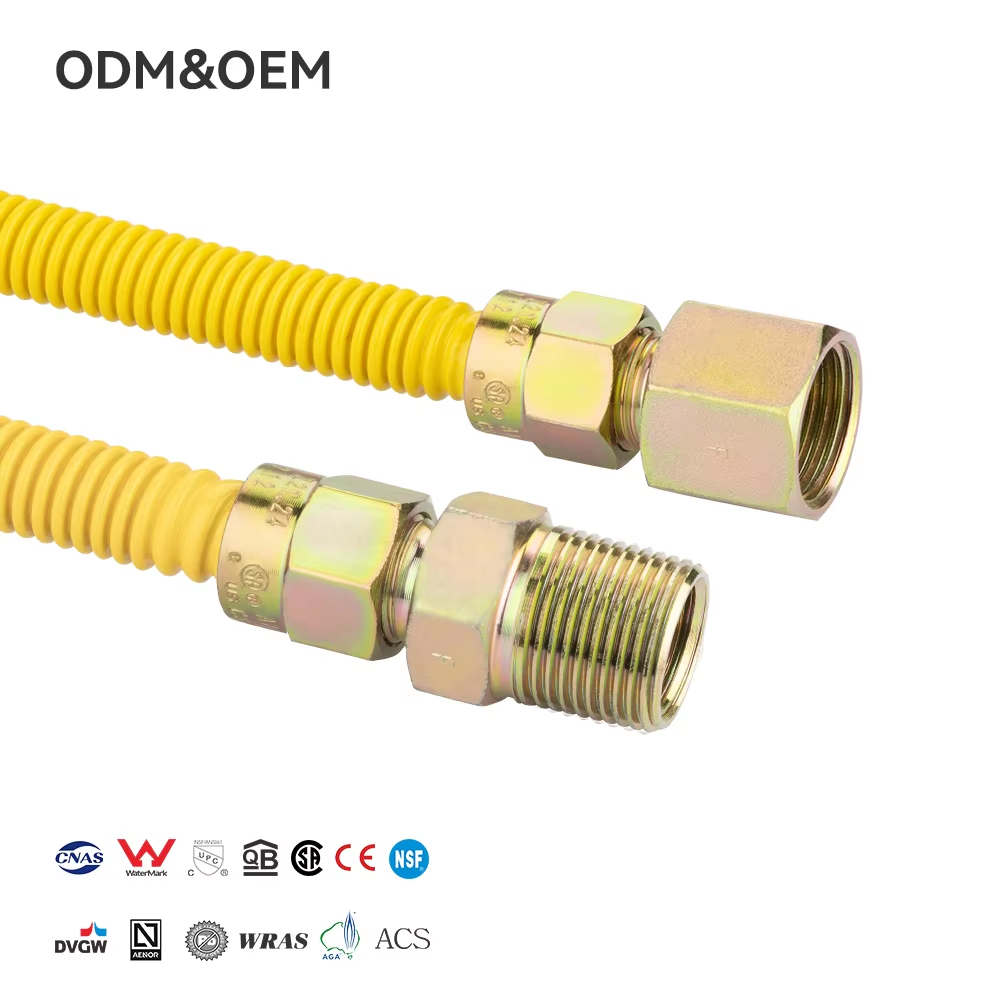
Գործնական տեսանկյունից նմուշի խողովակի ձեռքով ծռումը նույնպես տեղեկատվական է: Բարձրորակ խողովակը պետք է առաջարկի հարթ և համաչափ դիմադրություն ամբողջ ծռման աղեղի ընթացքում: Եթե նկատում եք կոշտացած տեղամասեր, անհամաչափ դիմադրություն կամ գունդավորման մեջ թեթև ծռման միտումներ, դա նշանակում է, որ արտադրական գործընթացը առաջացրել է խողովակի պատի անհամասեռություններ, որոնք կարագացնեն շահագործման ընթացքում մաշվածությունը:
Ֆիտինգների որակ և միացման հավաստիություն
Վերջավորության ֆիտինգների նյութի և ճշգրտության գնահատում
Խողովակի վերջավորության Գազային փոխադրական խողովակ դրանք միացման մասեր են խողովակի մարմնի և սարքի կամ մատակարարման գծի միջև, և դրանք ընդհանուր որակի համար նույնքան կարևոր են, որքան ինքը՝ խողովակը: Միացման մասերը պետք է պատրաստված լինեն պինդ պղնձաբրոնզից կամ նույն դասի չժանգոտվող պողպատից, որը օգտագործվում է խողովակի մարմնի համար: Կաղապարահալված ցինկային համաձուլվածքներից կամ «pot metal»-ից պատրաստված միացման մասերը զգալիորեն թույլ են և ավելի շատ են ենթակա լարվածության ճեղքումների, հատկապես տեղադրման ընթացքում կիրառվող պտտման մոմենտի ազդեցության տակ:
Շառլակի որակը կրիտիկական մանրամասնություն է, որը հեշտ է բաց թողնել վիզուալ ստուգման ընթացքում: Բարձր որակի Գազային փոխադրական խողովակ միացման մասերի շառլակները պետք է լինեն մաքրորեն կտրված, չափային համապատասխան, և համապատասխանեն ճանաչված շառլակի ստանդարտների՝ օրինակ՝ NPT, BSP կամ մետրային սպեցիֆիկացիաների, որոնք համապատասխանում են նպատակային շուկային: Վատ մեքենայացված շառլակները չեն ապահովում հուսալի լուծարում, և դրանք հաճախ են դառնում դանդաղ գազի արտահոսքի աղբյուր, որը չի հայտնաբերվում, մինչև վտանգավոր դառնա:
Ծակի և մարմնի միջև ամրացման եղանակը նույնպես արժանի է ուշադրության: Ստեղծված վերահսկվող ուժով և քաշման փորձարկմամբ ստուգված սվեյջավորված կամ մեխանիկորեն ճկված միացումները զգալիորեն ավելի հուսալի պահպանում են, քան պարզ սեղմման միացումները: Հարցրեք արտադրողներին՝ նշել ամրացման եղանակը և յուրաքանչյուր միացման արտադրական վալիդացման համար օգտագործված քաշման փորձարկման ուժը:
Ամրացման մասեր և հերթական հատվածների կանխարգելում
Միացման հավաքածուում Գազային փոխադրական խողովակ ամրացման մասերը, ինչպես օրինակ՝ O-օղակները, ստատիկ միացման մասերը կամ ՊՏՖԵ-ի վրա հիմնված ամրացման մակերեսները, կատարում են կարևոր դեր: Այս մասերը պետք է քիմիապես համատեղելի լինեն տրանսպորտավորվող գազի տվյալ տեսակի հետ՝ արդյոք բնական գազ է, հեղուկացված նավթային գազ, թե այլ վառելիքային գազ, և պետք է մնան չափային կայուն ամբողջ շահագործման ջերմաստիճանային միջակայքում:
Ցածր որակի մալուխները հաճախ օգտագործում են ընդհանուր նշանակության ռետինե սեղմանիչներ, որոնք չեն ստուգվել գազի հետ աշխատելու համար: Ժամանակի ընթացքում այդ սեղմանիչները կարող են փքվել, կոշտանալ կամ սկուռվել՝ ենթարկվելով գազային հիդրուտածնային միացությունների կամ ջերմաստիճանի ծայրահեղ արժեքների ազդեցությանը, ինչը կարող է հանգեցնել սեղմանիչի ձախողմանը և հետևաբար՝ հատակային արտահոսքի:
Պարզ, սակայն արդյունավետ դաշտային ստուգում է ստուգել, որ սեղմանիչ մակերեսները մաքուր են, հարթ և ազատ են գործիքային հետքերից, փոսիկներից կամ լիացման գործընթացից առաջացած ավելցուկային մետաղից: Սեղմանիչ մակերեսի ցանկացած անկատարություն հնարավոր արտահոսքի ճանապարհ է: Երբ Գազային փոխադրական խողովակ ստացվում է մուտքային ստուգման համար, լավ պրակտիկա է տեսական ստուգել յուրաքանչյուր միացման սեղմանիչ մակերեսները մինչև տեղադրումը՝ այն ենթադրելու փոխարեն, որ բոլոր միավորները առանց սխալի են:
Սերտիֆիկացիա, համապատասխանության նշաններ և հետագծելիություն
Իրավասու սերտիֆիկացիայի նշանների ճանաչում
Բարձր որակի ամենահուսալի արտաքին ցուցանիշներից մեկը Գազային փոխադրական խողովակ հավաստի երրորդ կողմի սերտիֆիկացման նշանների առկայությունն է: Կախված թիրախային շուկայից՝ դրանք կարող են ներառել Եվրոպայում գազային սարքավորումների հետ օգտագործվող ճկուն մետաղական ձողերի համար EN 14800 ստանդարտի շրջանակներում տրված սերտիֆիկացիան կամ այլ շուկաներում համարժեք ազգային ստանդարտները: Սերտիֆիկացիան նշանակում է, որ ձողի նախագիծը անկախ փորձարկվել է ակրեդիտավորված լաբորատորիայում և ճանաչվել է համապատասխանող սահամանված անվտանգության և աշխատանքային պահանջներին:
Կարևոր է տարբերակել իսկական սերտիֆիկացիան դեկորատիվ նշանավորումից, որը պարզապես նման է սերտիֆիկացիայի լոգոյի: Իսկական սերտիֆիկացիաները ներառում են կոնկրետ սերտիֆիկատի համար և սերտիֆիկացման մարմնի անվանումը, որոնք երկուսն էլ կարող են ստուգվել սերտիֆիկացման կազմակերպության հրապարակային գրանցամատյանում: Մատակարարի գնահատման ժամանակ պահանջեք սերտիֆիկատի իրական փաստաթղթի պատճենը՝ փոխարենը պարզապես ընդունելով տարայի վրա տպված լոգոն:
Ստացված Գազային փոխադրական խողովակ նաև սովորաբար նշվում են սպառազինության վրա կամ փաթեթավորման վրա հատուկ ճնշման գնահատականներ, ջերմաստիճանի գնահատականներ և առավելագույն երկարության սահմանափակումներ: Այս սահմանափակումները մտնում են սերտիֆիկացման ոլորտի մեջ և օրինականորեն չեն կարող գերազանցվել՝ սերտիֆիկացիան չվավերացնելու համար: Եթե մատակարարը հայտարարում է սերտիֆիկացիայի մասին, սակայն չի կարող ներկայացնել համապատասխան փաստաթղթեր, կամ եթե ապրանքի պիտակը հակասում է սերտիֆիկատի սահմանափակումներին, դա պետք է դիտարկել որպես կարևոր որակի խնդիր:
Խմբային հետագծելիություն և արտադրության փաստաթղթեր
Հետագծելիությունը լարված որակի կառավարման առանձնահատկությունն է խողովակների արտադրության մեջ: Բարձր որակի Գազային փոխադրական խողովակ պետք է ունենա խմբային կամ սերիայի նույնականացման նշանակում, որը թույլ է տալիս ցանկացած առանձին միավորը հետագծել մինչև հատուկ արտադրական շարքը, ներառյալ հումքի տաքացման համարը, ձևավորման ամսաթիվը և այդ խմբի ճնշման փորձարկման արդյունքները: Այս հետագծելիությունը անհրաժեշտ է երաշխիքային պահանջների և դաշտային անվտանգության հետաքննությունների կառավարման համար:
Այն արտադրողները, որոնք իրականացնում են լիարժեք հետագծելիություն, ցուցադրում են որակի ապահովման նկատմամբ հավատարմություն, որը տարածվում է արտադրական սենյակից դուրս՝ դաշտում։ Երբ առաջանում են խնդիրներ (ինչը նույնիսկ լավագույն արտադրողները ճանաչում են որպես հնարավոր), հետագծելի ապրանքները կարող են արդյունավետ նույնականացվել և վերադարձվել կամ փոխարինվել՝ առանց որևէ անորոշության։ Հետագծելիության բացակայությունը, ընդհակառակը, նշանակում է, որ մեկ միավորում հայտնաբերված թերությունը չի կարող կապվել նույն արտադրական շարքի այլ միավորների հետ։
Մատակարարի աուդիտի ժամանակ Գազային փոխադրական խողովակ մատակարարման ծրագրի համար պահանջեք նրանց որակի մասին վերջերս ստացված մեկ շարքի գրառումների նմուշը։ Ստուգեք՝ արդյոք այդ գրառումները ներառում են մուտքային նյութերի ստուգման տվյալներ, գործընթացի ընթացքում չափագրական ստուգումներ, ճնշման փորձարկման արդյունքներ և վերջնական տեսական ստուգման հաստատումներ։ Լավ փաստաթղթավորված որակի հետագիծը վկայում է արտադրության մշակույթի մասին, որը լուրջ է վերաբերվում ապրանքի ամբողջականությանը։
Հաճախադեպ տրվող հարցեր
Ի՞նչ է ամենակարևոր նյութական հատկությունը, որը պետք է ստուգել Գազային գլանաձև լար ընտրելիս:
Ստալի մետաղային դասը ամենակրիտիկալ նյութական հատկությունն է։ A Գազային փոխադրական խողովակ 304 կամ 316 չժանգոտվող պողպատից պատրաստված ապրանքը գազի համար օգտագործման համար առաջարկում է լավագույն համադրություն կոռոզիայի դեմ կայունության, ձգվածության ամրության և պլաստիկության միջև։ Միշտ հաստատեք ճշգրիտ մետաղային դասը պաշտոնական փաստաթղթերի միջոցով՝ չհիմնվելով ընդհանուր հայտարարությունների վրա, թե ապրանքը պատրաստված է չժանգոտվող պողպատից։
Ինչպե՞ս կարող եմ ստուգել, որ Գազային գլանաձև լարի սերտիֆիկատը իսկական է:
Պահանջեք մատակարարից լրիվ սերտիֆիկատի փաստաթուղթը, որը պետք է պարունակի սերտիֆիկատի համարը, վստահելի սերտիֆիկացման մարմնի անունը, սահմանված ապրանքի շրջանակը և գործող ժամկետի տիրույթը։ Այս տեղեկատվությունը համեմատեք սերտիֆիկացման մարմնի ինտերնետային գրանցման հետ։ A Գազային փոխադրական խողովակ իսկական սերտիֆիկացմամբ ապրանքը միշտ ստուգելի է այս անկախ աղբյուրի միջոցով։
Վերջամասերի միացման մասերը նույնքան կարևոր են, որքան լարի մարմինը, երբ գնահատում ենք ընդհանուր որակը:
Այո, անպայման։ Ա Գազային փոխադրական խողովակ հաճախ են հանդիսանում արտահոսքերի և ձախողումների աղբյուր, եթե պատրաստված են ցածր որակի նյութերից կամ մեքենայացված են թույլատրելի սխալների մեծ սահմաններում: Պինդ պղնձաձուլվածքի կամ չժանգոտվող պողպատի միացման մասերը՝ մաքուր մետաղակապներով, ստուգված քաշման ուժով և գազի հետ համատեղելի ամրացման միջոցներով, հիմնարար որակի ցուցանիշներ են, որոնք անհրաժեշտ է գնահատել միասին մետաղալարի մարմնի հետ:
Ի՞նչ պետք է փնտրեմ գազային գունավորված մետաղալարի ֆիզիկական ստուգման ժամանակ նրա ընդունման առաջ:
Ֆիզիկական ստուգման ընթացքում ստուգեք միատեսակ գունավորման քայլը և պրոֆիլը, պատի հաստության համատեղելիությունը, միացման մասերի մաքուր և չվնասված ամրացման մակերեսները, ինչպես նաև կարդացվող սերտիֆիկացման և սերիայի նշանակումների առկայությունը: Ձեռքով ծալեք մետաղալարը՝ զգալու համար ցանկացած կոշտ գոտի կամ անհամաչափ դիմադրություն: Բարձր որակի Գազային փոխադրական խողովակ մետաղալարը հեշտությամբ ծալվում է, չունի մակերեսային թերություններ և պարունակում է բոլոր անհրաժեշտ նույնականացման նշանակումները՝ հստակ և կարդացվող ձևով:
Բովանդակության ցուցակ
- Նյութի բաղադրությունը՝ որակի հիմքը
- Գործածված գլանաձև ձևավորման դիզայն և ճկունության բնութագրեր
- Ֆիտինգների որակ և միացման հավաստիություն
- Սերտիֆիկացիա, համապատասխանության նշաններ և հետագծելիություն
-
Հաճախադեպ տրվող հարցեր
- Ի՞նչ է ամենակարևոր նյութական հատկությունը, որը պետք է ստուգել Գազային գլանաձև լար ընտրելիս:
- Ինչպե՞ս կարող եմ ստուգել, որ Գազային գլանաձև լարի սերտիֆիկատը իսկական է:
- Վերջամասերի միացման մասերը նույնքան կարևոր են, որքան լարի մարմինը, երբ գնահատում ենք ընդհանուր որակը:
- Ի՞նչ պետք է փնտրեմ գազային գունավորված մետաղալարի ֆիզիկական ստուգման ժամանակ նրա ընդունման առաջ: