Superior Extended Body Construction for Enhanced Durability
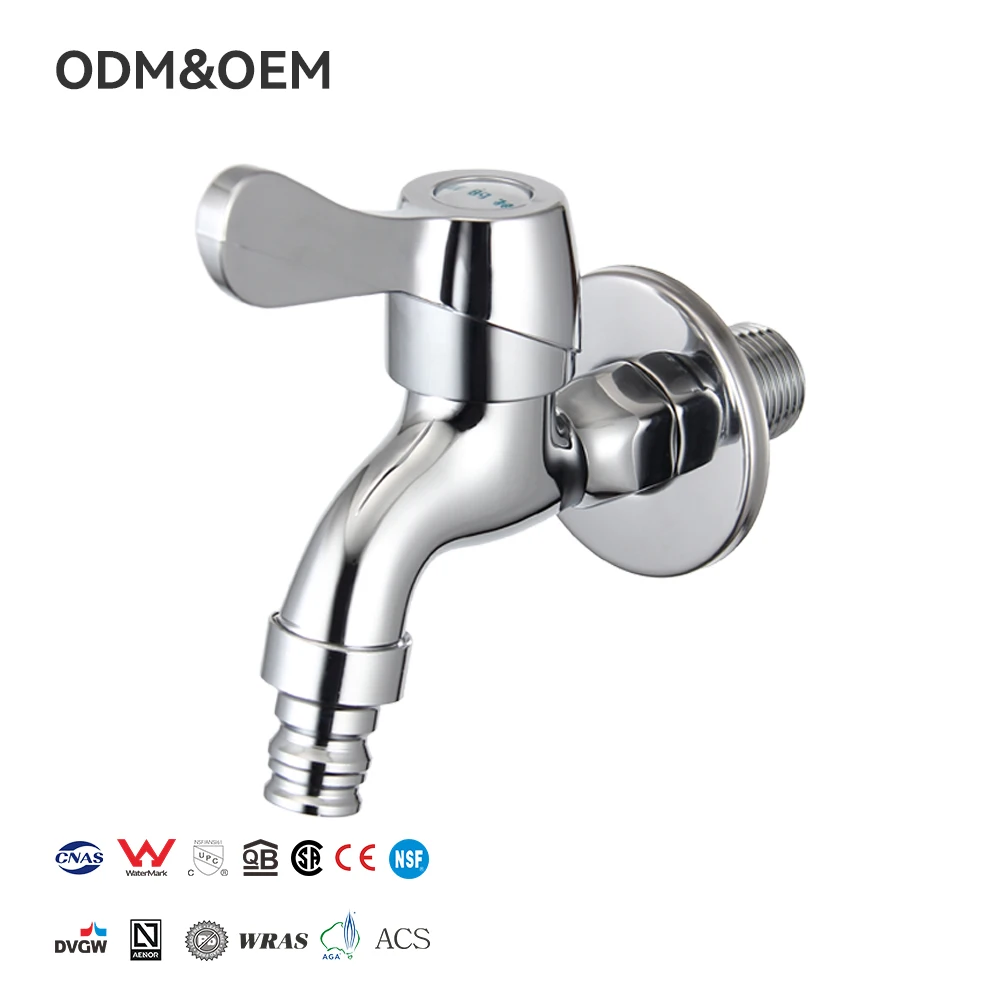
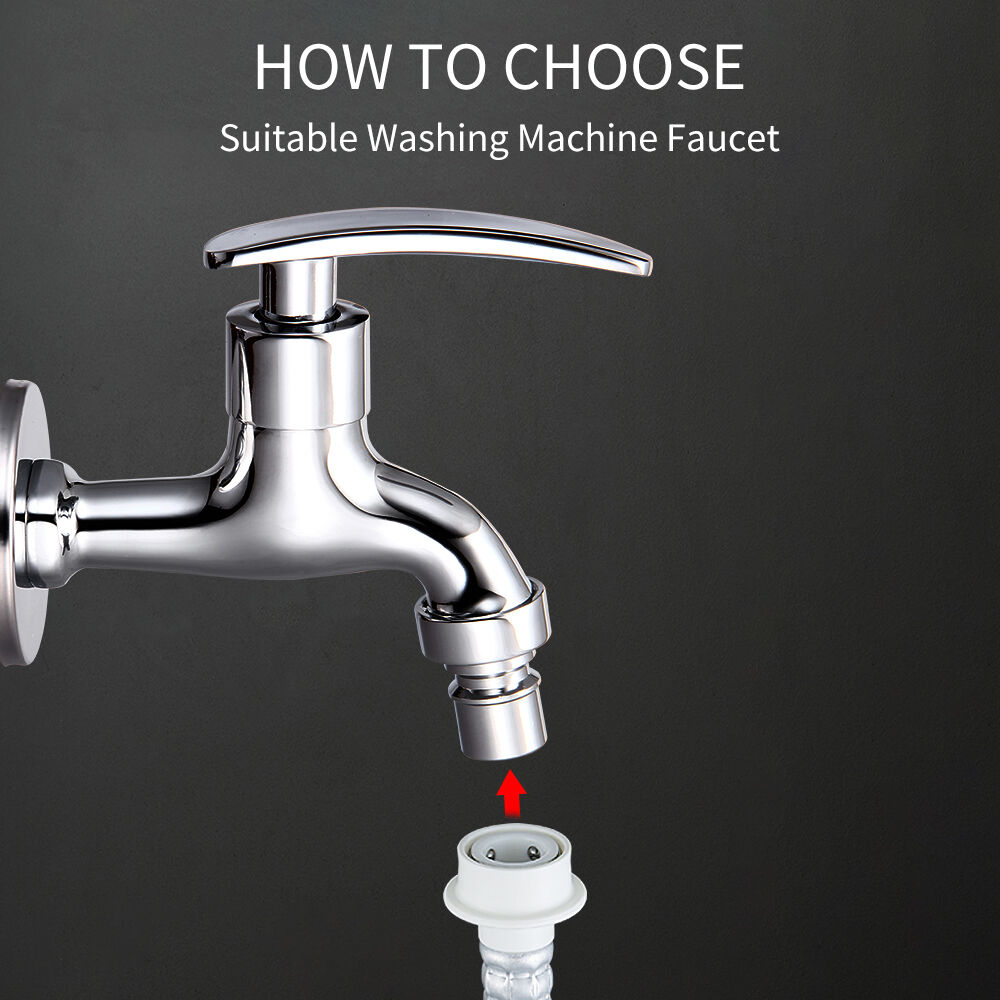
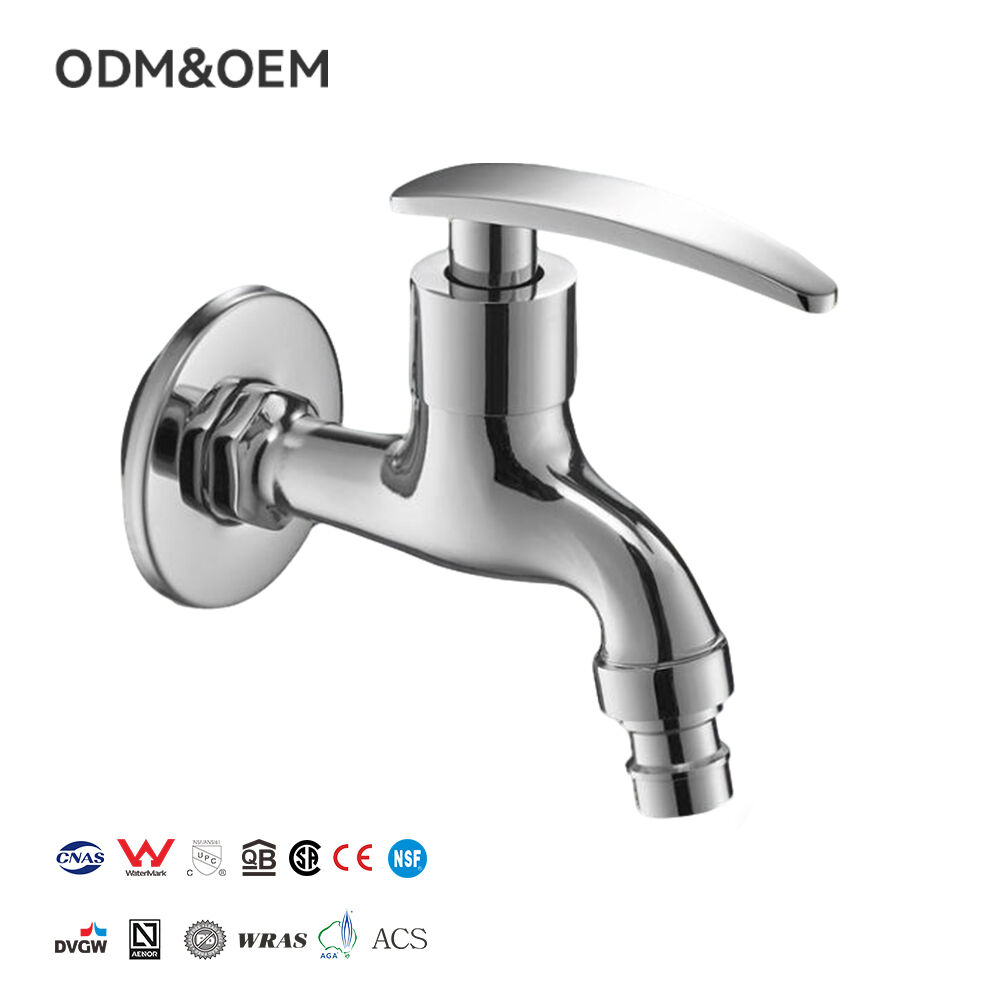
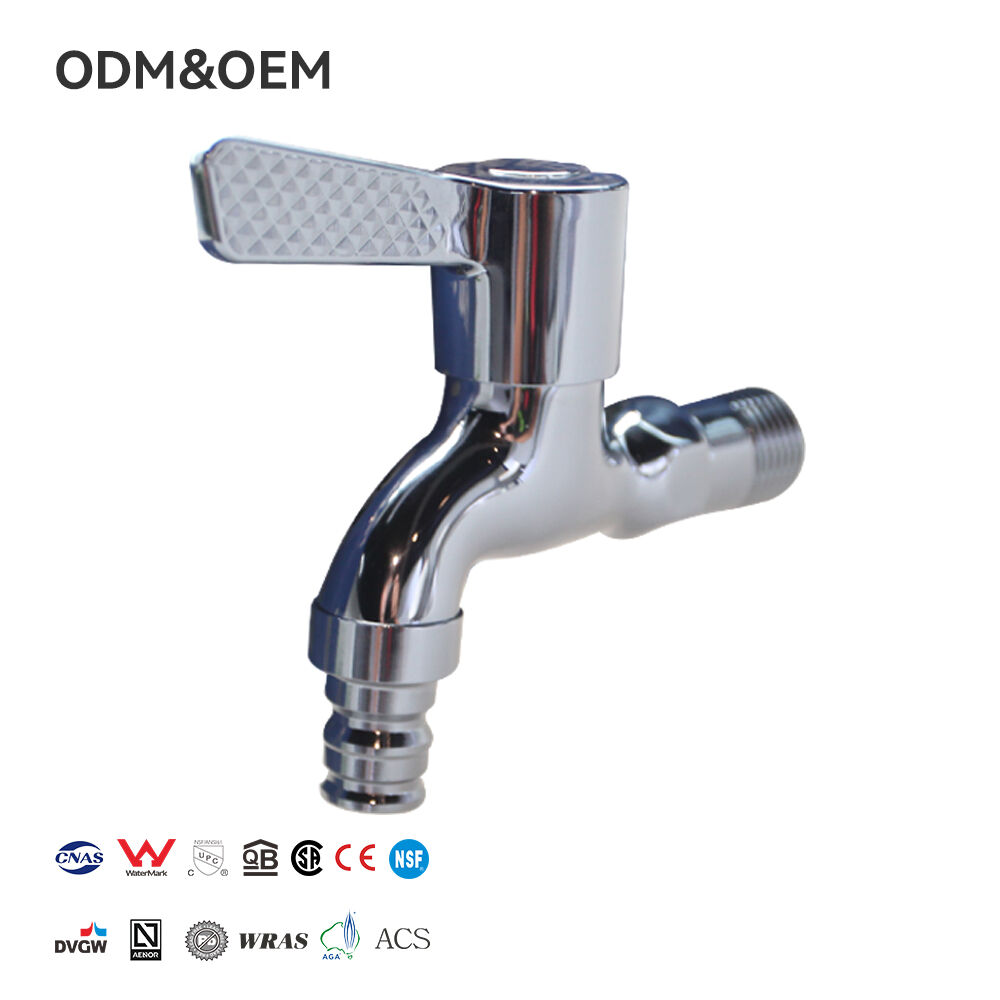
The long body bib cock's most distinctive feature lies in its extended body construction, which sets it apart from conventional valve designs through superior engineering and performance characteristics. This extended configuration provides significantly deeper wall penetration capabilities, allowing secure installation through thick masonry walls, concrete structures, and multi-layer building materials where standard valves would fail to achieve proper anchoring. The reinforced body construction utilizes premium-grade materials including marine-grade brass, architectural bronze, or corrosion-resistant stainless steel alloys that demonstrate exceptional resistance to environmental factors, chemical exposure, and temperature extremes. Professional contractors recognize the long body bib cock's extended design as crucial for achieving code-compliant installations in commercial buildings, industrial facilities, and residential structures requiring robust plumbing solutions. The valve's internal cavity design incorporates precision-machined surfaces that minimize turbulence and pressure loss while maximizing flow efficiency across various operating conditions. This extended body architecture distributes operational stresses more effectively throughout the valve structure, preventing stress concentration points that commonly cause failure in shorter valve designs. The enhanced thermal mass provided by the long body bib cock's extended construction helps regulate temperature fluctuations, protecting internal sealing components from thermal cycling damage. Installation professionals appreciate how the extended body design accommodates deeper wall cavities and provides additional adjustment range during fitting procedures. The structural integrity benefits of this extended construction become particularly evident in high-vibration environments where shorter valves might work loose over time. Property managers value the long body bib cock's extended design for its ability to maintain stable operation in challenging installation scenarios where space constraints and structural requirements demand superior valve performance. This construction approach ensures optimal load distribution and prevents common installation problems associated with inadequate wall penetration depth.

 EN
EN