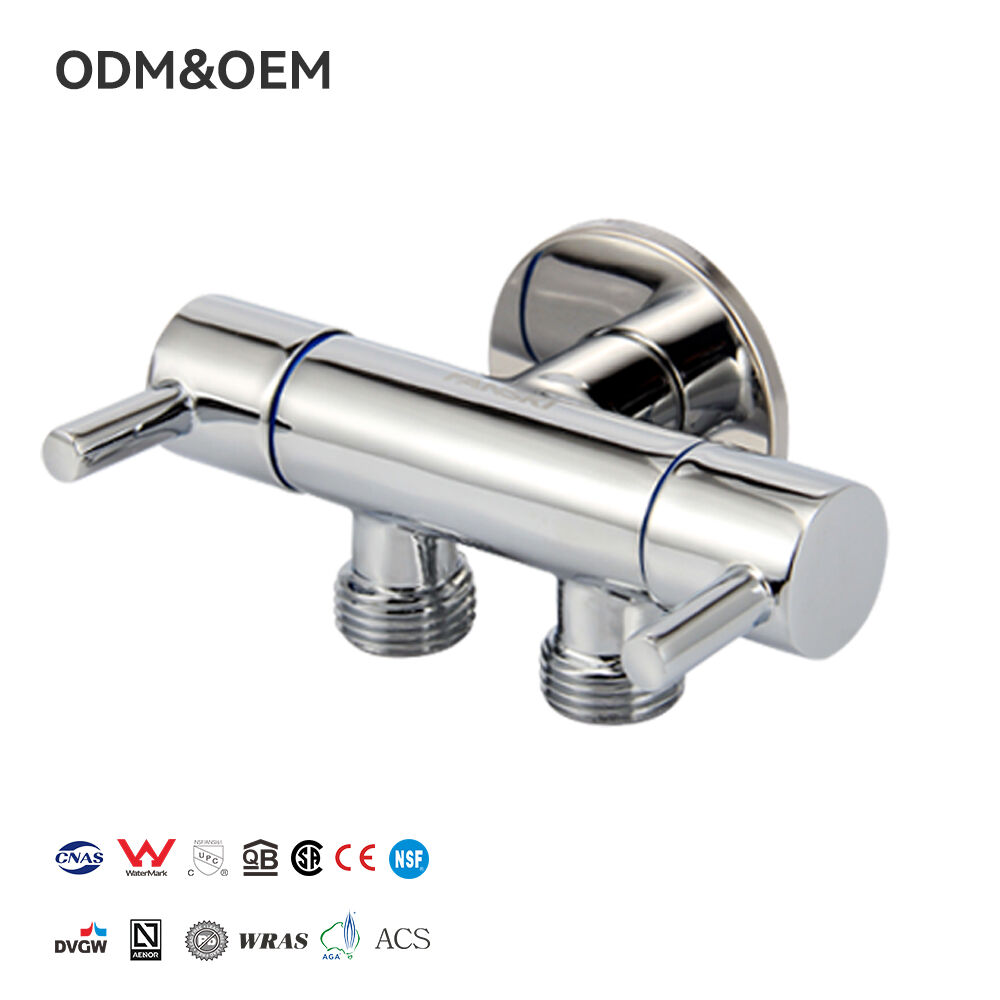
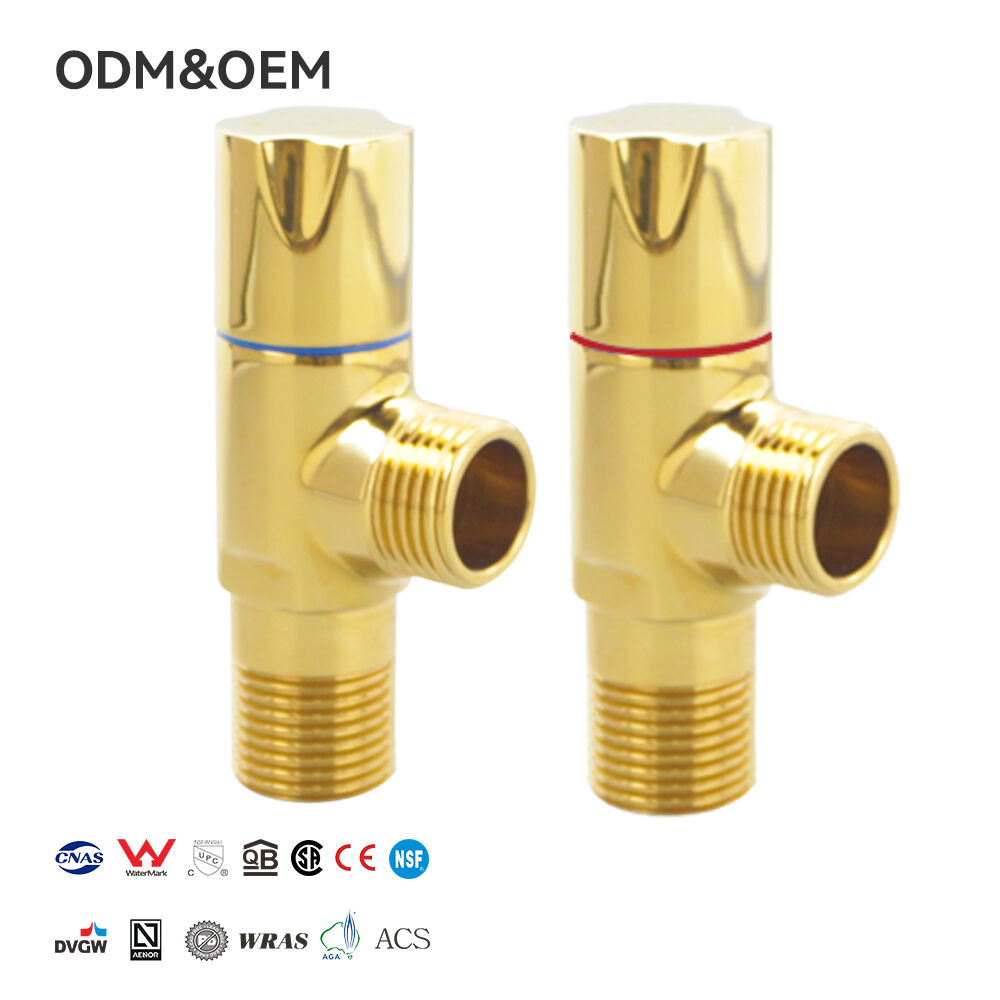
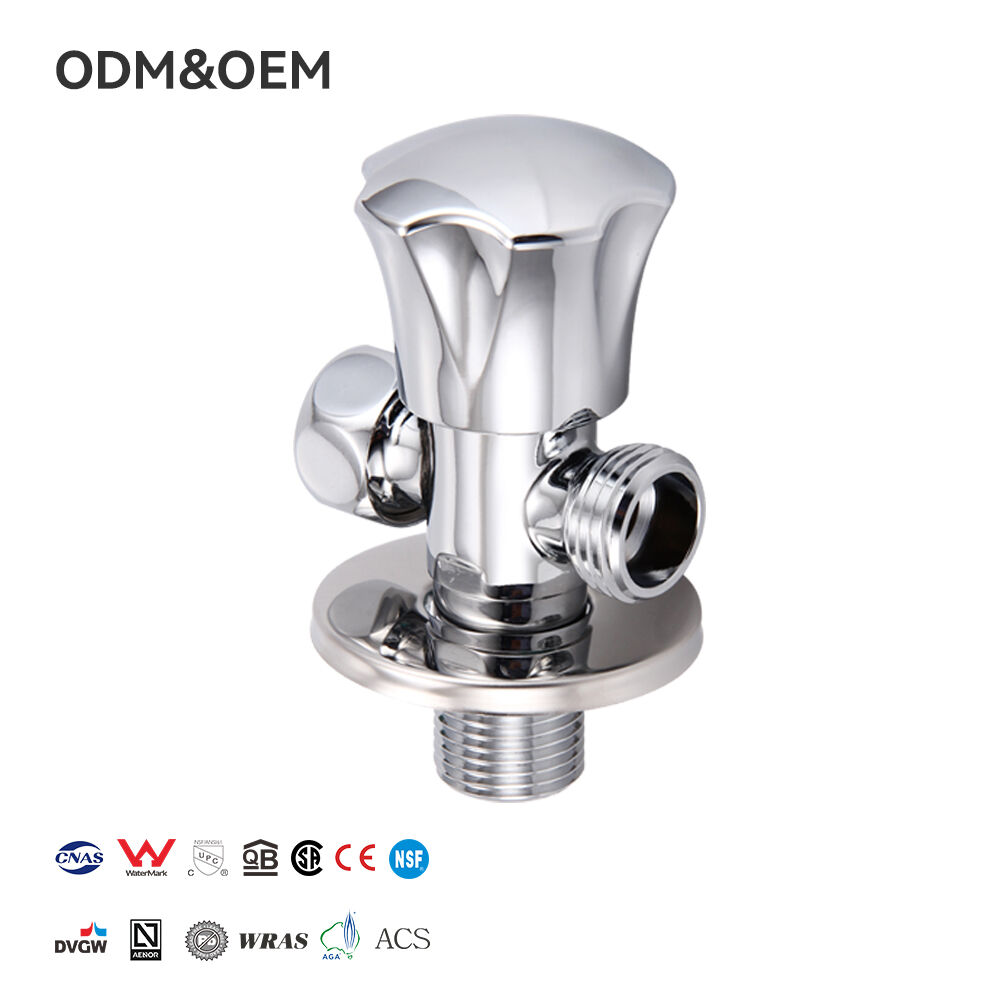
ball valve switch
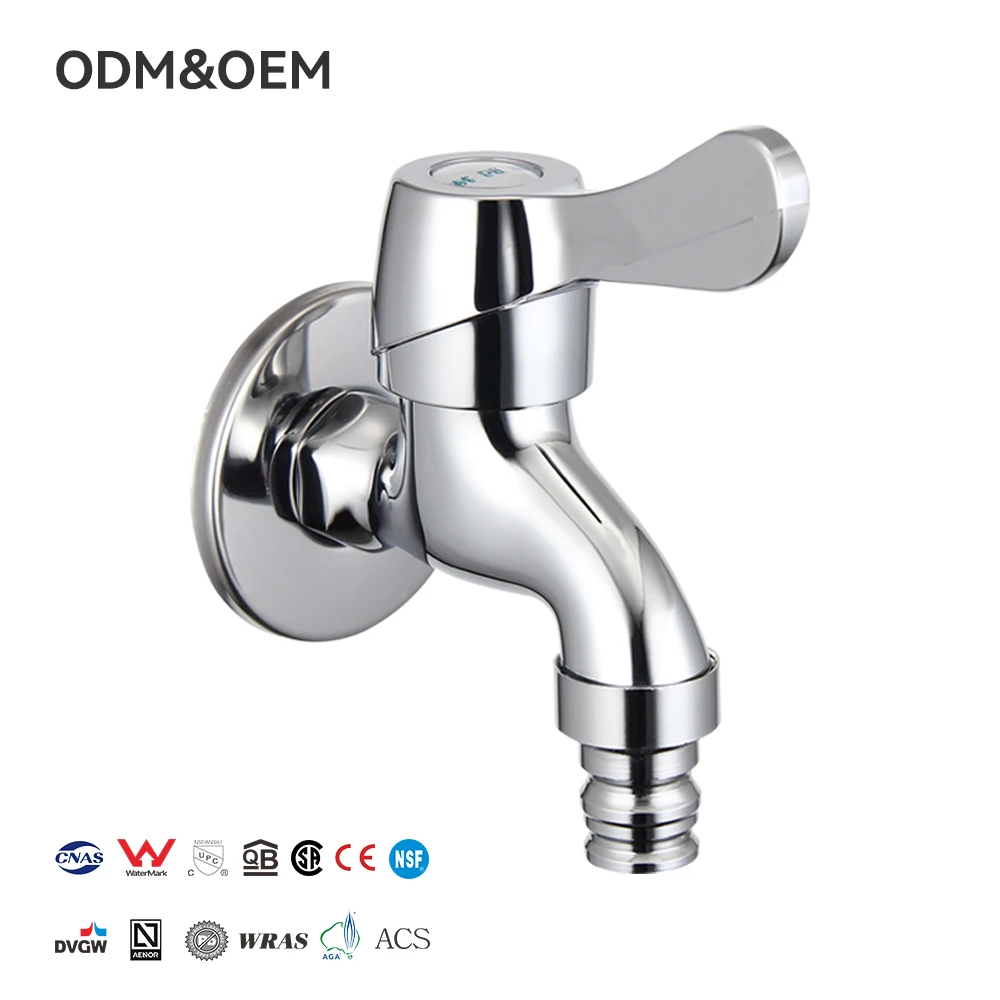
A ball valve switch represents a crucial component in fluid control systems, combining the mechanical reliability of traditional ball valves with modern switching technology. This innovative device operates by rotating a perforated ball within a valve body to control flow direction, volume, and complete shut-off capabilities. The ball valve switch incorporates electrical switching mechanisms that provide precise control and monitoring of valve positions, making it an essential component for automated systems across various industries. The fundamental design consists of a spherical ball with a bore through its center, housed within a valve body equipped with inlet and outlet ports. When the ball rotates ninety degrees, it can completely open or close the flow path, providing exceptional sealing capabilities. The integrated switching component adds intelligent control functionality, allowing operators to monitor valve status remotely and automate operations based on predetermined parameters. Modern ball valve switch designs utilize advanced materials such as stainless steel, brass, and specialized polymers to ensure durability and chemical resistance. The switching mechanism typically employs limit switches, proximity sensors, or electronic position indicators that communicate valve status to control systems. These devices excel in applications requiring quick shut-off capabilities, precise flow control, and reliable operation under varying pressure conditions. The compact design of ball valve switches makes them suitable for installations with limited space while maintaining full functionality. Their quarter-turn operation requires minimal torque, reducing wear and extending operational life. The integration of electrical switching capabilities transforms traditional manual valves into smart components capable of participating in automated process control systems, enhancing operational efficiency and safety protocols.

 EN
EN