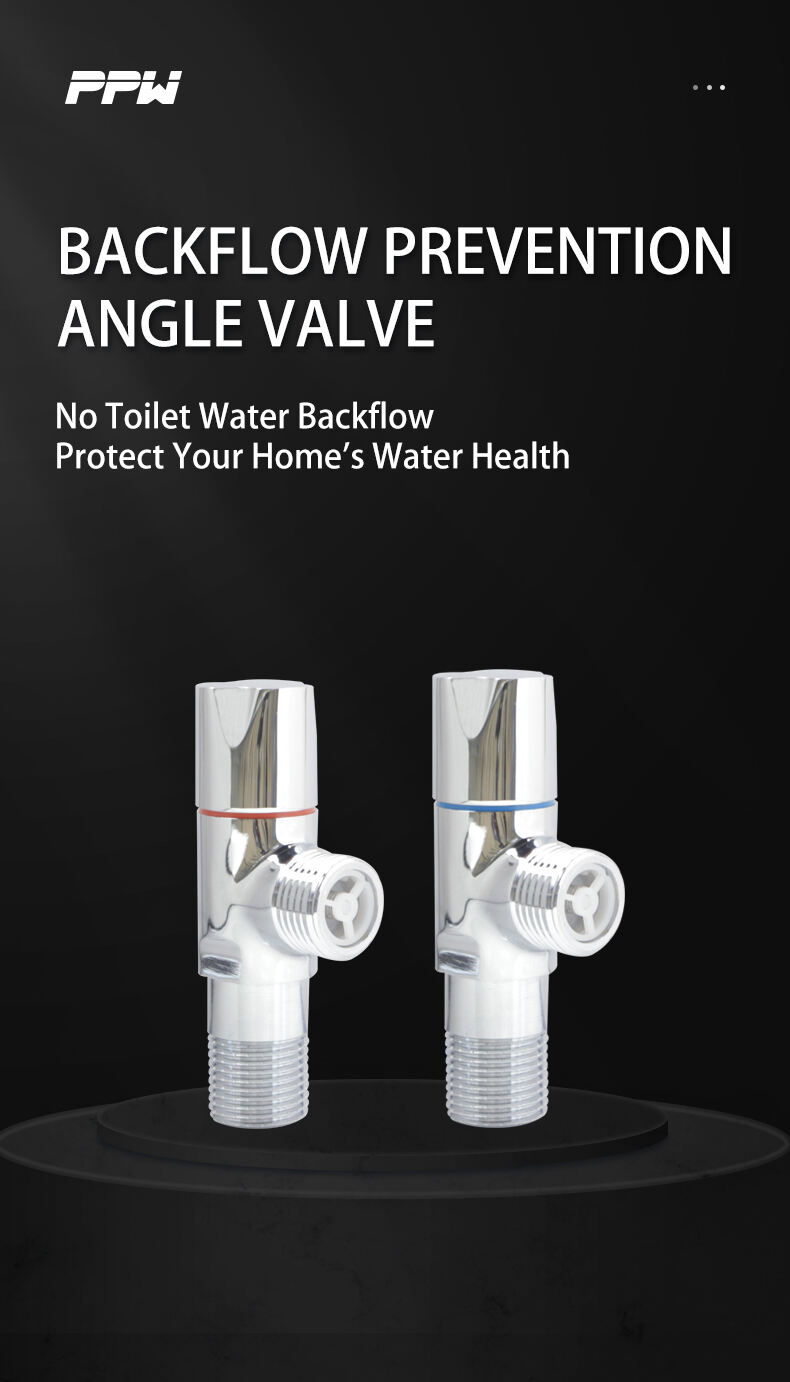
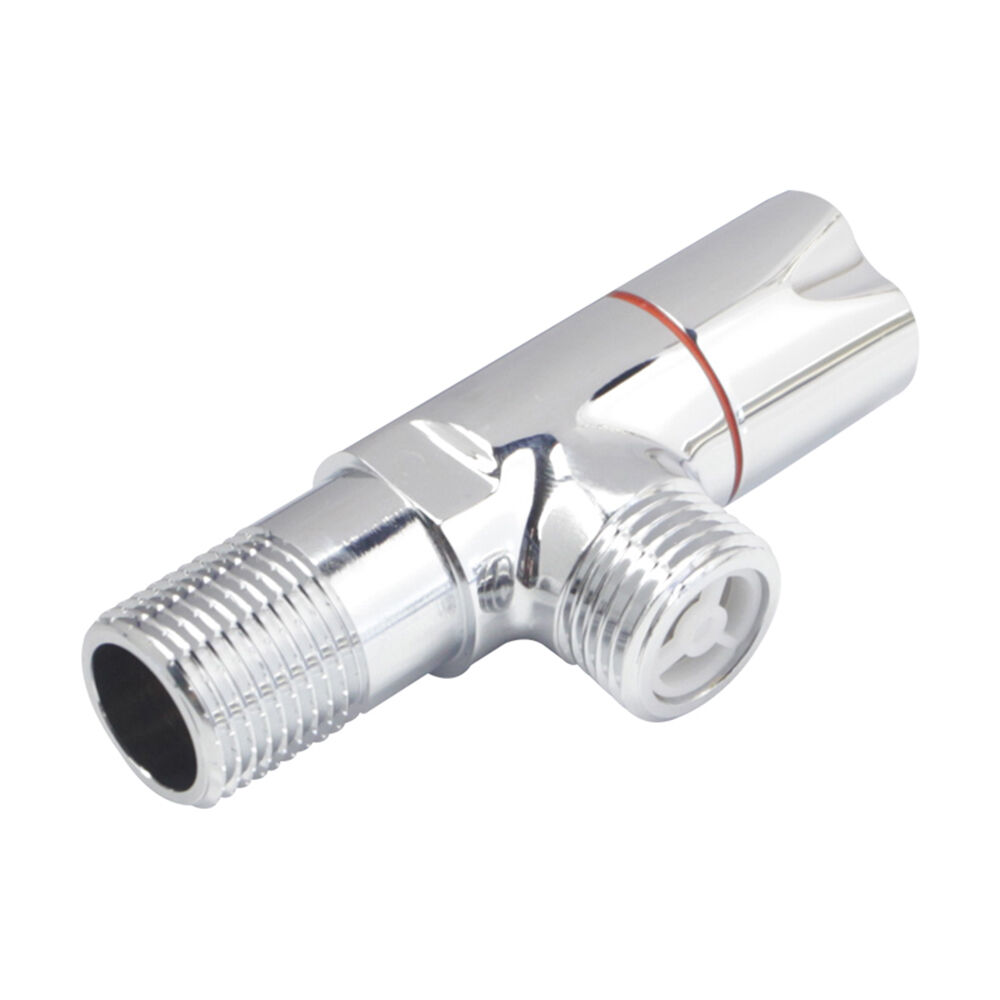
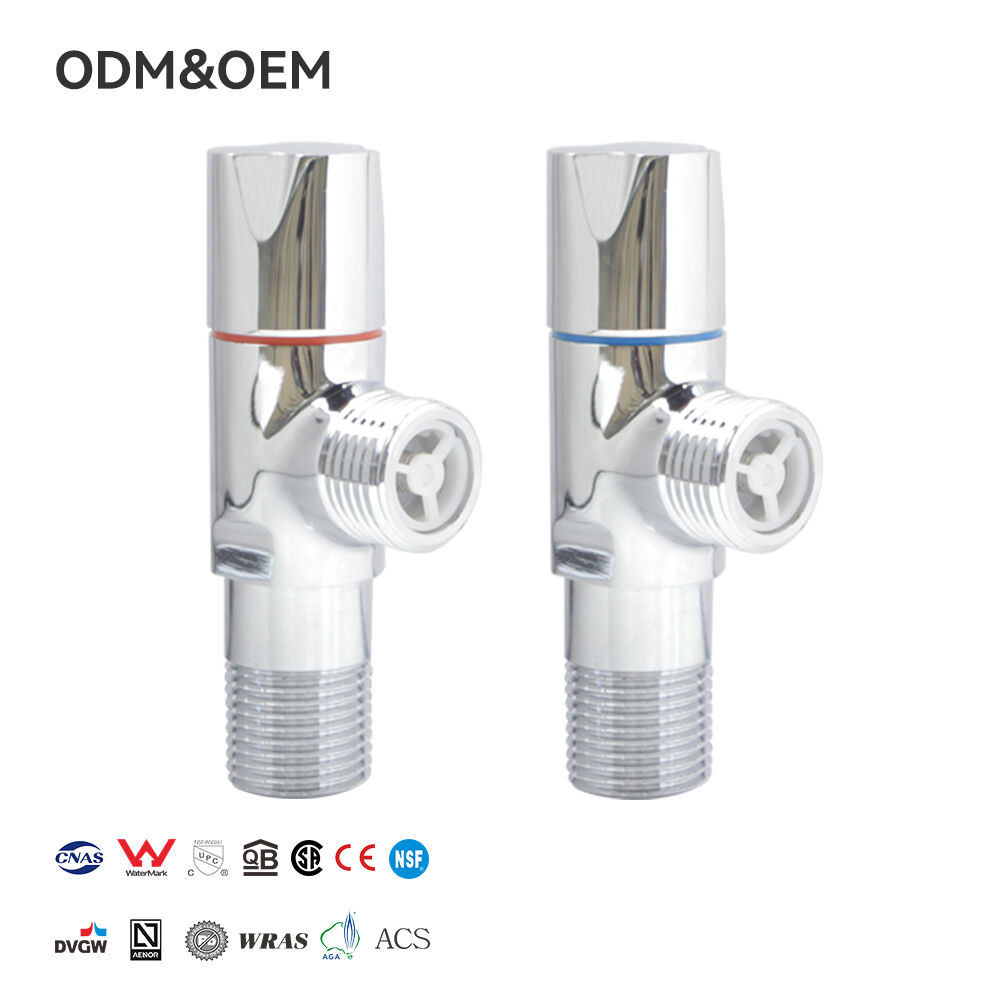
Premium Stainless Steel Stop Valves - Superior Corrosion Resistance & Industrial Performance

All Categories

stainless steel stop valve

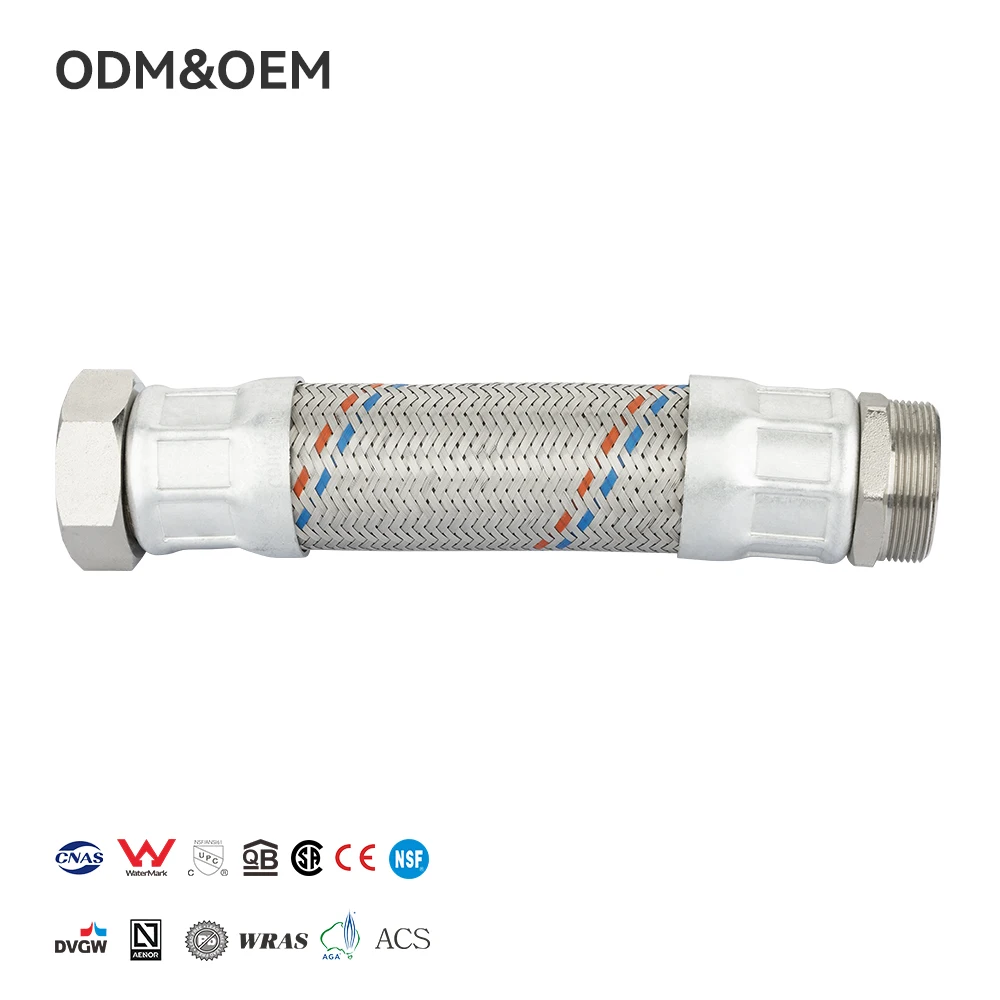
The stainless steel stop valve represents a critical component in modern industrial and commercial fluid control systems, engineered to provide reliable flow regulation and complete shut-off capabilities. This robust valve design incorporates premium stainless steel construction, typically utilizing grades 304, 316, or 316L stainless steel, which delivers exceptional resistance to corrosion, chemical attacks, and temperature fluctuations. The primary function of a stainless steel stop valve centers on controlling liquid or gas flow through pipelines by creating a complete seal when closed, effectively stopping the media from passing through the system. The technological framework of these valves features a linear motion stem mechanism that moves a disc or gate perpendicular to the flow path, creating precise control over flow rates and pressure management. Advanced manufacturing techniques ensure smooth operation through precision machining of internal components, including the valve seat, disc, and stem assembly. The design incorporates various end connections such as threaded, flanged, or welded configurations to accommodate diverse installation requirements. Applications for stainless steel stop valves span numerous industries including chemical processing, pharmaceutical manufacturing, food and beverage production, water treatment facilities, oil and gas operations, and marine environments. These valves excel in handling aggressive media, high-pressure systems, and applications requiring strict hygiene standards. The versatility of stainless steel stop valve construction allows for customization in terms of size ranges from small instrument applications to large industrial pipeline systems. Temperature ratings typically range from cryogenic applications to high-temperature processes exceeding 800 degrees Fahrenheit, making them suitable for diverse operational conditions. The combination of mechanical reliability, material durability, and operational precision makes the stainless steel stop valve an indispensable component for maintaining system integrity and operational efficiency across multiple industrial sectors.


New Product Recommendations

Stainless steel stop valves deliver numerous practical benefits that make them the preferred choice for demanding applications across various industries. The superior corrosion resistance stands as the most significant advantage, protecting your investment from rust, oxidation, and chemical degradation that commonly affects carbon steel alternatives. This resistance translates directly into extended service life, reducing replacement costs and minimizing system downtime that can disrupt operations and impact productivity. The material strength of stainless steel construction provides exceptional durability under high-pressure conditions, allowing these valves to maintain structural integrity in challenging environments where other materials might fail. Temperature tolerance represents another crucial benefit, as stainless steel stop valves operate effectively across extreme temperature ranges without compromising performance or safety margins. This thermal stability ensures consistent operation whether handling cryogenic liquids or high-temperature steam applications. Maintenance requirements remain minimal compared to other valve materials, as the smooth stainless steel surfaces resist fouling and buildup of debris that could impair valve function. The easy cleaning characteristics prove especially valuable in sanitary applications where contamination prevention is critical. Installation flexibility offers practical advantages through multiple connection options and size configurations that accommodate existing piping systems without requiring extensive modifications. The precision manufacturing ensures tight shut-off capabilities, eliminating internal leakage that could waste valuable media or create safety hazards. Operational reliability reduces the risk of unexpected failures that could lead to costly emergency repairs or production shutdowns. Environmental compatibility makes stainless steel stop valves suitable for outdoor installations where weather exposure could damage inferior materials. The non-reactive properties ensure media purity remains uncompromised, particularly important in pharmaceutical and food processing applications where product contamination must be avoided. Cost-effectiveness emerges over the valve lifecycle, as the initial investment in quality stainless steel construction pays dividends through reduced maintenance expenses, longer replacement intervals, and improved operational efficiency. Fire resistance properties provide additional safety benefits in applications where exposure to extreme heat conditions might occur. The aesthetic appearance of stainless steel finishes also contributes value in visible installations where appearance matters alongside functionality.

Tips And Tricks

Why Are Removable Drainers Popular for Easy Cleaning?

28

Nov

Why Are Removable Drainers Popular for Easy Cleaning?

Maintaining clean and hygienic drainage systems in commercial and residential spaces has become a critical concern for property managers, facility operators, and homeowners alike. The growing popularity of removable drainage solutions stems from thei...
View More
How Often Should You Replace Your Shower Hose for Best Performance?

02

Dec

How Often Should You Replace Your Shower Hose for Best Performance?

Maintaining optimal water flow and pressure in your bathroom requires attention to every component of your shower system, with the shower hose being a critical element that often gets overlooked. A properly functioning shower hose ensures consistent ...
View More
How Can a Simple-Design Drainer Make Cleaning Faster?

18

Dec

How Can a Simple-Design Drainer Make Cleaning Faster?

Modern bathroom and kitchen maintenance has evolved significantly with innovative drainage solutions that prioritize both functionality and efficiency. A well-designed drainer can transform your cleaning routine from a tedious chore into a streamline...
View More
How Can a High-Pressure Shower Head Improve the Bathing Experience?

19

Dec

How Can a High-Pressure Shower Head Improve the Bathing Experience?

Modern bathroom experiences have evolved significantly, with homeowners increasingly seeking solutions that transform their daily routines into moments of luxury and rejuvenation. A high-pressure shower head represents one of the most impactful upgra...
View More

Get a Free Quote

Our representative will contact you soon.
Email
Name
Company Name
Message
0/1000

stainless steel stop valve

Exceptional Corrosion Resistance for Long-Term Reliability

Exceptional Corrosion Resistance for Long-Term Reliability

The superior corrosion resistance of stainless steel stop valves represents their most valuable characteristic, providing unmatched protection against environmental and chemical threats that destroy conventional valve materials. This resistance stems from the chromium content in stainless steel alloys, which forms a passive oxide layer that self-repairs when damaged, creating a permanent barrier against oxidation and corrosion. In marine environments where saltwater exposure would rapidly deteriorate carbon steel components, stainless steel stop valves maintain their structural integrity and operational performance for decades. Chemical processing facilities benefit enormously from this corrosion resistance, as these valves can handle aggressive acids, bases, and solvents without experiencing material degradation that could compromise system safety or contaminate process media. The passive layer protection extends beyond simple rust prevention, offering resistance to pitting corrosion, crevice corrosion, and stress corrosion cracking that commonly affect other metallic valve materials under specific operating conditions. This comprehensive protection translates into predictable service life expectations, allowing maintenance teams to develop accurate replacement schedules and budget forecasts. Underground installations particularly benefit from this corrosion resistance, as soil conditions and moisture exposure that would destroy buried steel components have minimal impact on properly specified stainless steel stop valves. The economic implications of this corrosion resistance extend far beyond the initial purchase price, as reduced replacement frequency, lower maintenance costs, and decreased system downtime create substantial long-term savings. Industries operating in coastal regions, where salt-laden air accelerates corrosion processes, find stainless steel stop valves essential for maintaining reliable operations without constant valve replacement programs. The resistance to galvanic corrosion when connected to dissimilar metals provides additional protection in complex piping systems where material compatibility could otherwise create accelerated deterioration at connection points. This corrosion resistance maintains valve performance characteristics throughout the service life, ensuring consistent flow control and reliable shut-off capabilities that prevent costly operational disruptions.
Superior Temperature and Pressure Performance Capabilities

Superior Temperature and Pressure Performance Capabilities

Stainless steel stop valves excel in extreme operating conditions, delivering reliable performance across temperature ranges that would compromise or destroy alternative valve materials. The metallurgical properties of stainless steel alloys provide exceptional strength retention at elevated temperatures, allowing these valves to handle superheated steam, hot oils, and high-temperature chemical processes without experiencing material creep or thermal fatigue that could lead to catastrophic failures. Cryogenic applications benefit equally from the low-temperature toughness of stainless steel, as these valves maintain their mechanical properties and sealing capabilities when handling liquefied gases, refrigerated media, or other ultra-low temperature fluids that would make carbon steel brittle and prone to fracture. The thermal expansion characteristics of stainless steel remain predictable and manageable across wide temperature swings, preventing binding or seizure issues that could render valves inoperable during temperature cycling. High-pressure capabilities stem from the inherent strength of stainless steel construction, with pressure ratings often exceeding those of comparable valves in other materials by significant margins. This pressure tolerance provides safety margins that protect against pressure surges, water hammer events, and other transient conditions that could damage weaker valve designs. Steam service represents a particularly demanding application where stainless steel stop valves demonstrate their superiority, handling the combination of high temperature, pressure, and corrosive conditions present in steam systems without experiencing the erosion and corrosion that plague other materials. The ability to withstand thermal shock from rapid temperature changes makes these valves ideal for applications involving emergency shutdown procedures, startup sequences, or batch processes with varying temperature profiles. Petrochemical refineries rely heavily on the temperature and pressure capabilities of stainless steel stop valves for handling hot hydrocarbon streams, catalyst regeneration systems, and high-pressure separation processes where equipment failure could result in significant safety and environmental consequences. Power generation facilities utilize these valves in boiler feedwater systems, turbine bypass applications, and other critical services where the combination of temperature, pressure, and reliability requirements exceed the capabilities of conventional valve materials.
Hygienic Design Excellence for Sanitary Applications

Hygienic Design Excellence for Sanitary Applications

The hygienic properties of stainless steel stop valves make them indispensable for industries requiring strict cleanliness standards, including pharmaceutical manufacturing, food processing, biotechnology, and beverage production. The smooth, non-porous surface finish of stainless steel prevents bacterial growth and contamination buildup that could compromise product quality or violate regulatory requirements. This surface characteristic enables effective cleaning and sterilization procedures, whether through chemical sanitizers, steam sterilization, or clean-in-place systems that maintain sanitary conditions without valve disassembly. The non-reactive nature of stainless steel ensures that valve materials do not leach contaminants into process media, maintaining product purity and preventing taste, odor, or chemical alterations that could affect final product quality. Pharmaceutical applications particularly benefit from the validation-friendly design of stainless steel stop valves, as the material traceability, surface finish specifications, and cleaning validation capabilities align with FDA regulations and Good Manufacturing Practice requirements. Food grade stainless steel formulations, typically 316L, provide additional assurance against corrosion and contamination in food contact applications where consumer safety represents the paramount concern. The ability to withstand aggressive cleaning chemicals and high-temperature sterilization cycles without surface degradation ensures that sanitary conditions can be maintained throughout extended service periods. Dairy processing facilities rely on stainless steel stop valves for their resistance to milk protein deposits and their compatibility with caustic cleaning solutions used in daily sanitation procedures. Brewery and winery applications benefit from the inert properties that prevent metallic taste contamination while providing the chemical resistance necessary for cleaning with acids and sanitizers. The smooth internal flow passages minimize turbulence and dead spaces where contaminants could accumulate, supporting laminar flow conditions that facilitate complete drainage and cleaning. Biotechnology processes involving sensitive biological media depend on the ultra-clean surfaces possible with electropolished stainless steel finishes that achieve roughness levels measured in microinches. The compatibility with validation protocols, including surface sampling, cleaning verification, and microbiological testing, makes stainless steel stop valves essential components in regulated industries where documentation and compliance represent critical operational requirements.

Get a Free Quote

Our representative will contact you soon.
Email
Name
Company Name
Message
0/1000
Newsletter
Please Leave A Message With Us