Premium Customized Stop Valves - Engineered Solutions for Critical Applications

All Categories

customized stop valve

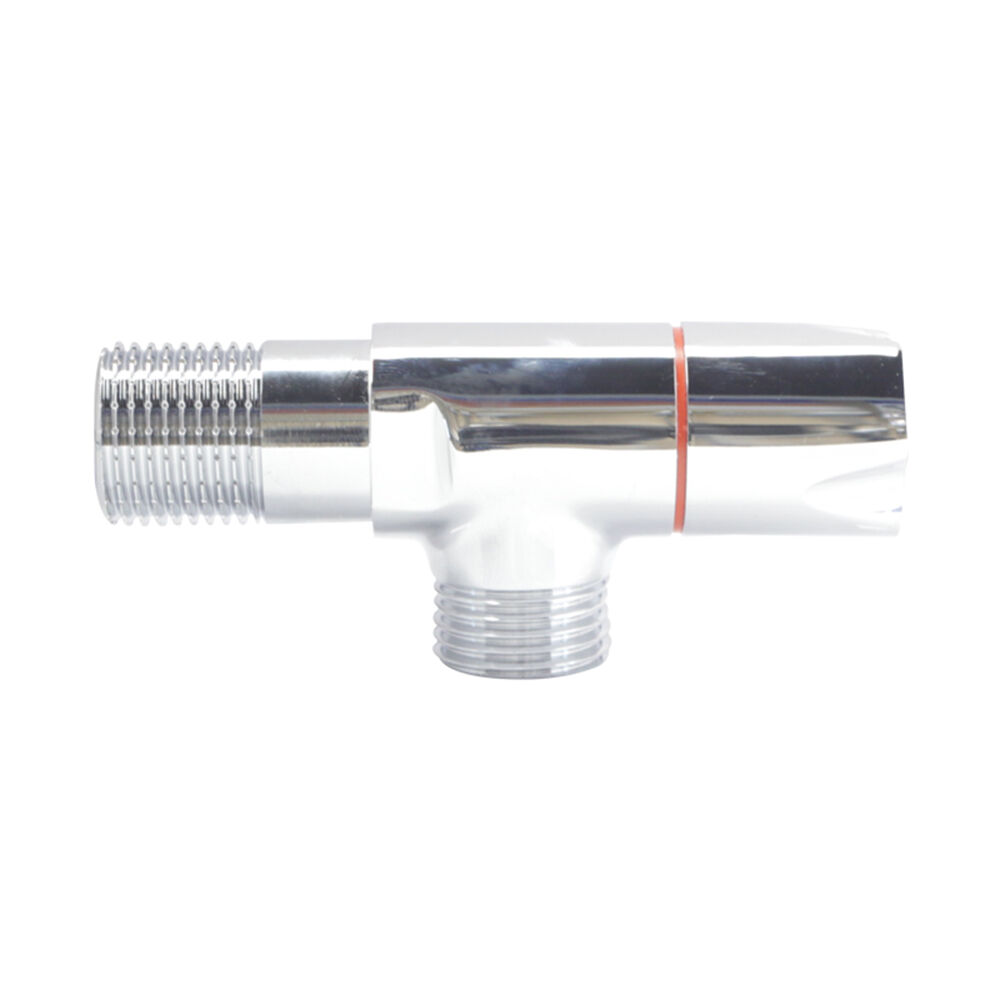
A customized stop valve represents a precision-engineered flow control solution designed to meet specific industrial requirements and operational parameters. Unlike standard valves, these specialized components are manufactured according to exact customer specifications, incorporating unique materials, dimensions, pressure ratings, and performance characteristics that align with particular system demands. The primary function of a customized stop valve involves regulating fluid flow through complete shut-off capabilities, enabling operators to start, stop, or redirect liquid and gas movement within pipelines and processing systems. These valves feature quarter-turn or multi-turn actuation mechanisms that provide reliable sealing when closed, preventing backflow and maintaining system integrity during maintenance operations. The technological framework of a customized stop valve encompasses advanced materials science, precision machining, and innovative sealing technologies. Modern manufacturing processes utilize computer-aided design software to create valve bodies from specialized alloys, stainless steel grades, or exotic materials that resist corrosion, extreme temperatures, and chemical degradation. The internal components, including stems, seats, and sealing elements, undergo rigorous quality control testing to ensure consistent performance under varying operational conditions. Applications for customized stop valves span numerous industries including oil and gas processing, chemical manufacturing, power generation, water treatment facilities, pharmaceutical production, and marine systems. These valves excel in environments requiring specific pressure ratings, temperature tolerances, or compatibility with aggressive media. The customization process allows engineers to optimize valve performance for unique installation challenges, space constraints, or specialized fluid handling requirements that cannot be addressed by standard commercial valve offerings.


New Products

The customized stop valve delivers exceptional performance benefits that directly translate into operational efficiency and cost savings for industrial facilities. First, the precision engineering approach ensures perfect compatibility with existing system specifications, eliminating common installation problems associated with standard valve solutions. This tailored design approach reduces installation time, minimizes system modifications, and prevents costly retrofitting expenses that often accompany standard valve implementations. The enhanced durability characteristics of customized stop valves provide significant long-term value through extended service life and reduced maintenance requirements. By selecting optimal materials and design parameters for specific operating conditions, these valves resist wear, corrosion, and fatigue more effectively than generic alternatives. This translates into fewer replacement cycles, reduced downtime, and lower total cost of ownership over the valve's operational lifetime. Improved sealing performance represents another critical advantage, as customized stop valves incorporate sealing technologies specifically chosen for the intended application. This results in tighter shut-off capabilities, reduced fugitive emissions, and enhanced safety compliance with environmental regulations. The precision sealing also prevents product contamination and maintains system pressure integrity during critical operations. Operational flexibility stands as a major benefit, allowing facilities to optimize flow control parameters for their unique processes. The customized stop valve can incorporate specific actuation methods, control interfaces, and monitoring capabilities that integrate seamlessly with existing automation systems. This enhanced integration improves process control accuracy, enables remote monitoring capabilities, and supports predictive maintenance programs. The reliability factor cannot be overstated, as customized stop valves undergo comprehensive testing protocols that verify performance under actual operating conditions. This thorough validation process reduces the risk of unexpected failures, improves system availability, and enhances overall plant productivity. Additionally, the ability to specify exact performance parameters ensures that the valve operates within optimal efficiency ranges, reducing energy consumption and operational costs while maintaining consistent product quality standards.

Latest News

Why Are Removable Drainers Popular for Easy Cleaning?

28

Nov

Why Are Removable Drainers Popular for Easy Cleaning?

Maintaining clean and hygienic drainage systems in commercial and residential spaces has become a critical concern for property managers, facility operators, and homeowners alike. The growing popularity of removable drainage solutions stems from thei...
View More
How Often Should You Replace Your Shower Hose for Best Performance?

02

Dec

How Often Should You Replace Your Shower Hose for Best Performance?

Maintaining optimal water flow and pressure in your bathroom requires attention to every component of your shower system, with the shower hose being a critical element that often gets overlooked. A properly functioning shower hose ensures consistent ...
View More
Ready to Upgrade to a High-Flow, Long-Lasting Bib Cock?

08

Dec

Ready to Upgrade to a High-Flow, Long-Lasting Bib Cock?

Modern plumbing fixtures have evolved significantly to meet both functional and aesthetic demands in residential and commercial spaces. Among the most essential yet often overlooked components is the humble bib cock, a fixture that serves as the prim...
View More
Which Shower Hose Material Prevents Hard-Water Build-Up Best?

24

Dec

Which Shower Hose Material Prevents Hard-Water Build-Up Best?

Hard water mineral deposits can quickly transform a functional shower hose into a problematic component that restricts water flow and creates maintenance headaches. Understanding which materials resist mineral accumulation is essential for homeowners...
View More

Get a Free Quote

Our representative will contact you soon.
Email
Name
Company Name
Message
0/1000

customized stop valve

Advanced Material Engineering and Corrosion Resistance

Advanced Material Engineering and Corrosion Resistance

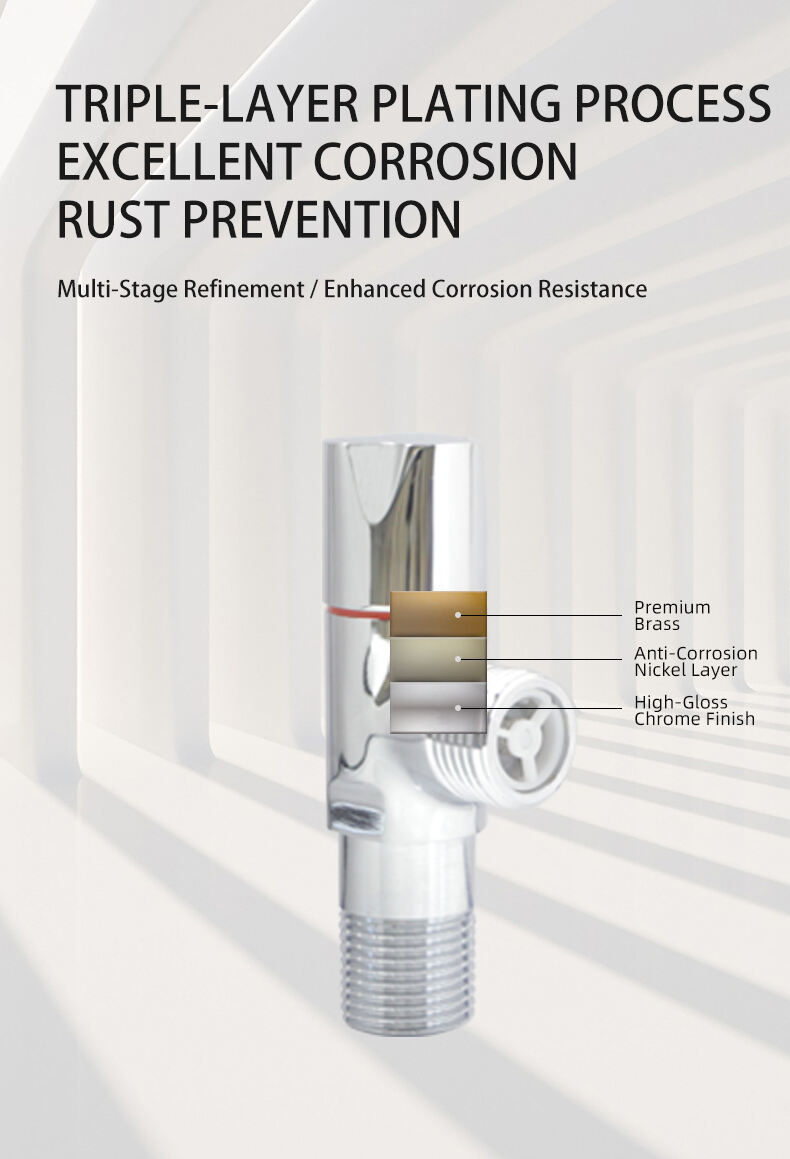
The customized stop valve incorporates cutting-edge materials science to deliver unparalleled resistance against corrosive environments and extreme operating conditions. This advanced material engineering begins with a comprehensive analysis of the specific media, temperature ranges, and chemical compositions that the valve will encounter during its operational lifetime. Engineers select from a wide array of specialized alloys, including duplex stainless steels, Hastelloy, Inconel, and other exotic materials that provide superior performance compared to standard valve materials. The valve body construction utilizes precision casting or forging techniques that create uniform grain structures and eliminate potential weak points that could lead to premature failure. The internal components undergo specialized surface treatments, including plasma coating, ion implantation, or advanced metallurgical processes that enhance hardness, reduce friction, and improve chemical resistance. This comprehensive material approach extends far beyond simple corrosion resistance, encompassing erosion protection, thermal cycling stability, and mechanical strength under extreme pressure conditions. The sealing elements receive particular attention, with custom-formulated elastomers or metal sealing systems designed to maintain integrity across the specified temperature and pressure ranges. These materials undergo extensive compatibility testing with the intended process media to ensure long-term stability and prevent degradation that could compromise system safety. The result is a customized stop valve that maintains consistent performance characteristics throughout its service life, reducing the need for frequent maintenance interventions and minimizing the risk of unexpected system failures. This advanced material engineering approach also enables the valve to operate in applications where standard materials would fail, opening up new possibilities for process optimization and system design flexibility.
Precision Flow Control and Operational Efficiency

Precision Flow Control and Operational Efficiency

The customized stop valve delivers exceptional precision in flow control applications through innovative design features that optimize fluid dynamics and operational responsiveness. This precision begins with computational fluid dynamics modeling during the design phase, where engineers analyze flow patterns, pressure drops, and velocity profiles to create optimal internal geometries. The valve's flow path receives careful attention to minimize turbulence, reduce cavitation potential, and ensure smooth transitions that prevent erosion and maintain consistent performance characteristics. The actuation system incorporates precision-engineered components that provide accurate positioning and reliable operation under varying load conditions. Whether utilizing manual handwheels, pneumatic actuators, or electric motor operators, the customized stop valve ensures consistent torque transmission and precise control over the valve's open and closed positions. This precision extends to the sealing interface, where carefully machined surfaces and optimized contact geometries create reliable shut-off capabilities while minimizing operating forces. The operational efficiency benefits manifest through reduced energy consumption, as the optimized flow characteristics minimize pressure losses and pumping requirements. The precise control capabilities enable operators to fine-tune system performance, optimizing flow rates and pressure distributions to match process requirements exactly. This level of control precision supports advanced process control strategies, including automated startup and shutdown sequences, emergency isolation procedures, and integrated safety systems. The customized stop valve's operational efficiency also encompasses maintenance considerations, with accessible components, standardized connection interfaces, and clear operational indicators that simplify routine servicing and troubleshooting procedures. The precision engineering approach ensures consistent performance across the valve's operational range, eliminating the performance variations and operational uncertainties that can compromise process efficiency and product quality in critical applications.
Integration Capabilities and System Compatibility

Integration Capabilities and System Compatibility

The customized stop valve excels in system integration applications through comprehensive compatibility features that ensure seamless incorporation into existing infrastructure and control systems. This integration capability begins with flexible connection options that accommodate various piping standards, flange configurations, and mounting arrangements without requiring extensive system modifications. The valve design process considers existing space constraints, access requirements, and maintenance clearances to create solutions that fit perfectly within established facility layouts. The control system integration represents a critical advantage, with customized stop valves offering multiple actuation options and feedback mechanisms that interface directly with modern automation platforms. These integration capabilities include analog and digital position feedback, limit switches, proximity sensors, and smart valve technology that provides real-time performance data and diagnostic information. The communication protocols support industry-standard networks including Foundation Fieldbus, HART, Modbus, and other systems commonly used in industrial automation applications. This comprehensive connectivity enables advanced monitoring and control strategies that improve operational efficiency and safety compliance. The mechanical integration aspects ensure compatibility with existing piping systems, support structures, and maintenance procedures. Custom flange faces, connection orientations, and mounting configurations eliminate the need for additional adapters or system modifications that could introduce potential leak points or maintenance complications. The integration design also considers thermal expansion characteristics, vibration isolation requirements, and accessibility for routine maintenance operations. Quality assurance protocols verify integration compatibility through comprehensive testing procedures that validate mechanical fit, electrical connections, and communication interfaces before shipment. This thorough validation process prevents installation delays and ensures that the customized stop valve operates correctly within the intended system environment from the moment of installation, reducing commissioning time and eliminating compatibility issues that could compromise system performance or safety.

Get a Free Quote

Our representative will contact you soon.
Email
Name
Company Name
Message
0/1000
Newsletter
Please Leave A Message With Us